





 Portuguese
  English
  Spanish
  4 min of reading
  0 comments


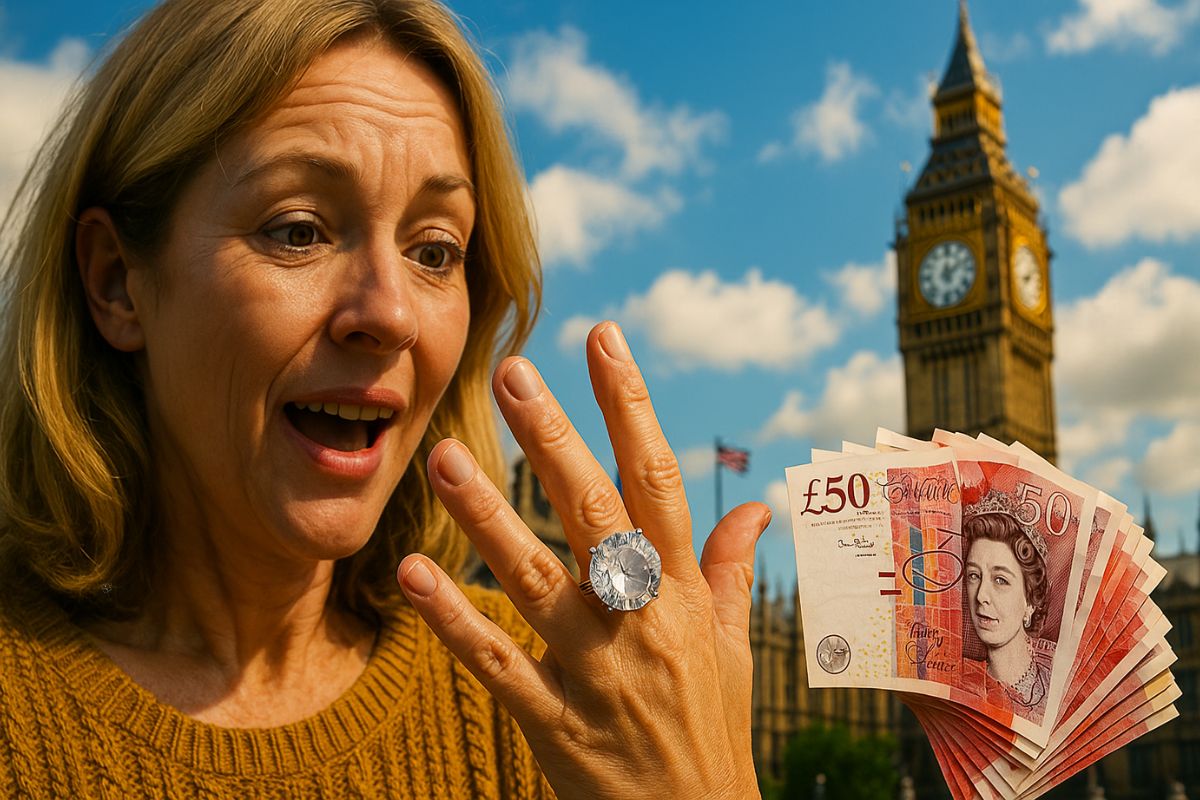
The Case Of The Diamond Weighing 26.27 Carats Bought For 10 Pounds At A London Fair Reveals How A 19th-Century Jewel, Worn For Three Decades As Costume, Ended Up Being Auctioned For 656,750 Pounds At Sotheby’s, Surprising Experts And Showing That Treasures Can Appear In The Most Unexpected Places
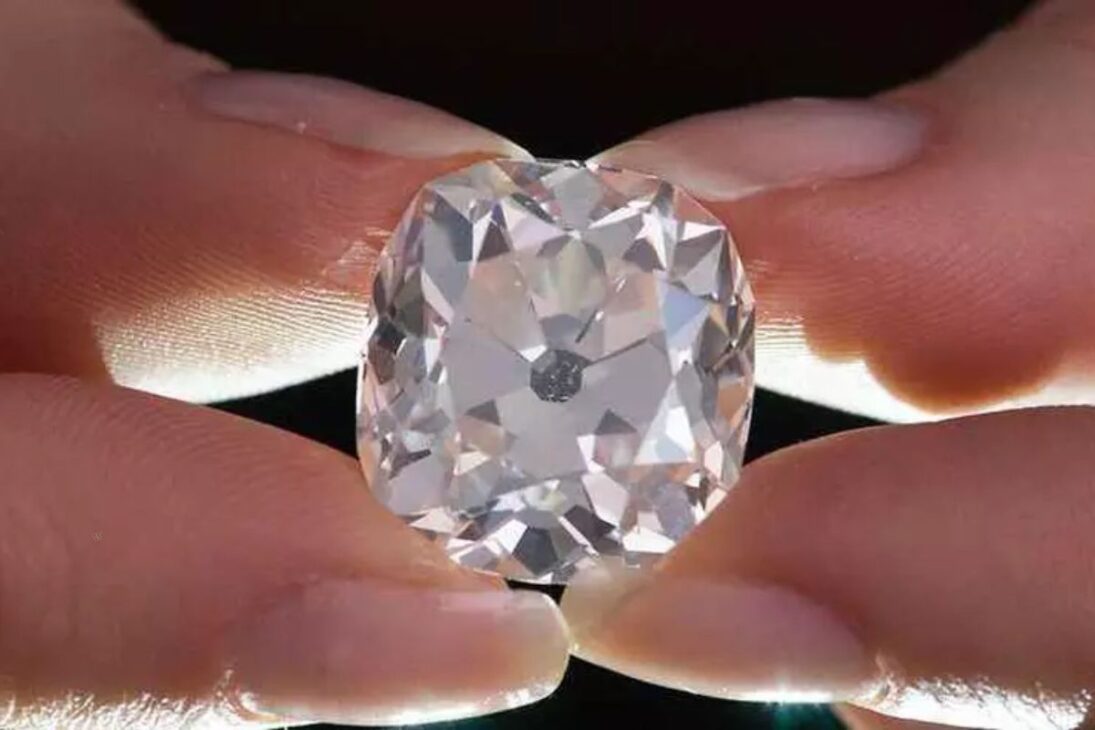
A British woman wore a 10-pound ring bought at a London fair for 30 years without realizing that the piece held a million-dollar secret. What appeared to be simple costume jewelry was, in fact, a 26.27-carat white diamond cut in the 19th century, valued at hundreds of thousands of pounds.
The story came to light when, after decades of daily wear, a jeweler noticed something unusual and suggested that the owner have it professionally appraised. The result revealed that the ring, purchased for around R$ 42 at the time, was an authentic piece of historical value — and its “discreet” sparkle fooled even experts due to the stone’s antique cut.
The Find At A Fair And The Mistake That Lasted Three Decades
The woman, who chose to remain anonymous, found the ring at a London flea market in the 1980s.
-
Italian researchers have detected what appears to be a second Sphinx buried under the sands of Egypt, and satellite scans reveal a gigantic underground megastructure hidden beneath the Giza Plateau for over 3,000 years.

-
There are 4,223 drums and 1,343 metal boxes concreted with 50-centimeter walls that store the radioactive waste from Cesium-137 in the worst radiological accident in Brazil, just 23 kilometers from Goiânia, with environmental monitoring every three months.

-
Giant Roman treasure found at the bottom of Lake Neuchâtel in Switzerland reveals an advanced trade system, circulation of goods, and armed escort in the Roman Empire about two thousand years ago.

-
He buried 1,200 old tires in the walls to build his own self-sufficient house in the mountains with glass bottles, rainwater, and an integrated greenhouse.


The low price and modest sparkle made it seem like a common accessory. For years, she wore it for everyday tasks, unaware that it held a rare diamond.
The antique cut, typical of the 19th century, reflected less light than modern cuts, which explained why the jewel appeared simple.
This “outdated” appearance kept it anonymous for three decades, until the trained eye of a jeweler changed everything.
The Discovery And Confirmation Of The Diamond’s Value
The professional suggested that the ring be appraised, and the owner took the piece to Sotheby’s, one of the world’s most prestigious auction houses.
After a detailed analysis, experts confirmed that it was a genuine, white, and heavy diamond, weighing 26.27 carats.
Jessica Wyndham, head of Sotheby’s jewelry department, explained that the old cut “fooled” everyone.
According to her, the ring “was bought as costume jewelry, and no one imagined its real value.” The case gained international attention and went viral as an example of an accidental discovery of fortune.
The Auction And The Million-Dollar Return
In June 2017, the ring was auctioned by Sotheby’s in London, with an initial estimate of 350,000 pounds (about R$ 1.4 million at the time).
The result exceeded expectations: it was sold for 656,750 pounds, equivalent to almost R$ 2.8 million.
The impressive return represents an increase of more than 6.5 million percent over the original purchase price.
The jewel, which was worth less than a meal, became a collector’s item and a symbol of luck and attention to detail.
How Much The Diamond Is Worth In Perspective
To put into context, the amount obtained could buy three average houses in England or four luxury cars such as a Porsche Turbo S.
In terms of investment, the gain is comparable to the most emblematic cases of accidental finds, like the Fabergé egg bought for £8,000 and resold for US$33 million.
Cases like this reinforce the importance of professional appraisal of antique jewelry.
Many antique pieces may contain genuine stones that have lost their luster due to old cuts, but that maintain extremely high historical and commercial value.
Mysteries That Surround The Story
To this day, the identities of the woman and the buyer remain confidential, a common practice in high-value auctions.
It is also unknown what happened to the fortune raised. There is little information about the historical origin of the diamond or how it ended up at a street fair, but experts believe it may have belonged to a 19th-century aristocratic collection.
The ring illustrates the unpredictability of the antiques market, where seemingly ordinary objects can hold hidden millionaire values due to their appearance.
In some cases, the story and authenticity matter as much as the weight of the stones.
What The Case Teaches About Value And Perception
The episode serves as a reminder that real value is not always visible at first glance. Jewelry with old cuts or worn appearances may hide legitimate treasures.
Assessing, researching, and preserving antique objects is an act of curiosity and opportunity.
The story of the 10-pound diamond became a symbol of chance, patience, and luck. In times of rapid and disposable consumption, it is also a reminder of the value of a careful eye and time, two factors that transformed a simple ring into a million-dollar asset.
The 10-pound ring that turned out to be a 26-carat diamond shows how small discoveries can change lives and challenge the perception of value.
And you, do you believe there are still hidden treasures in fairs and thrift stores? Have you found anything unexpectedly valuable? Share your opinion and your story in the comments — we want to hear from those who have experienced something similar.










-

-

-

-

-

-

124 pessoas reagiram a isso.