





 Português
  Inglês
  Espanhol
  3 min de leitura
  0 comentários


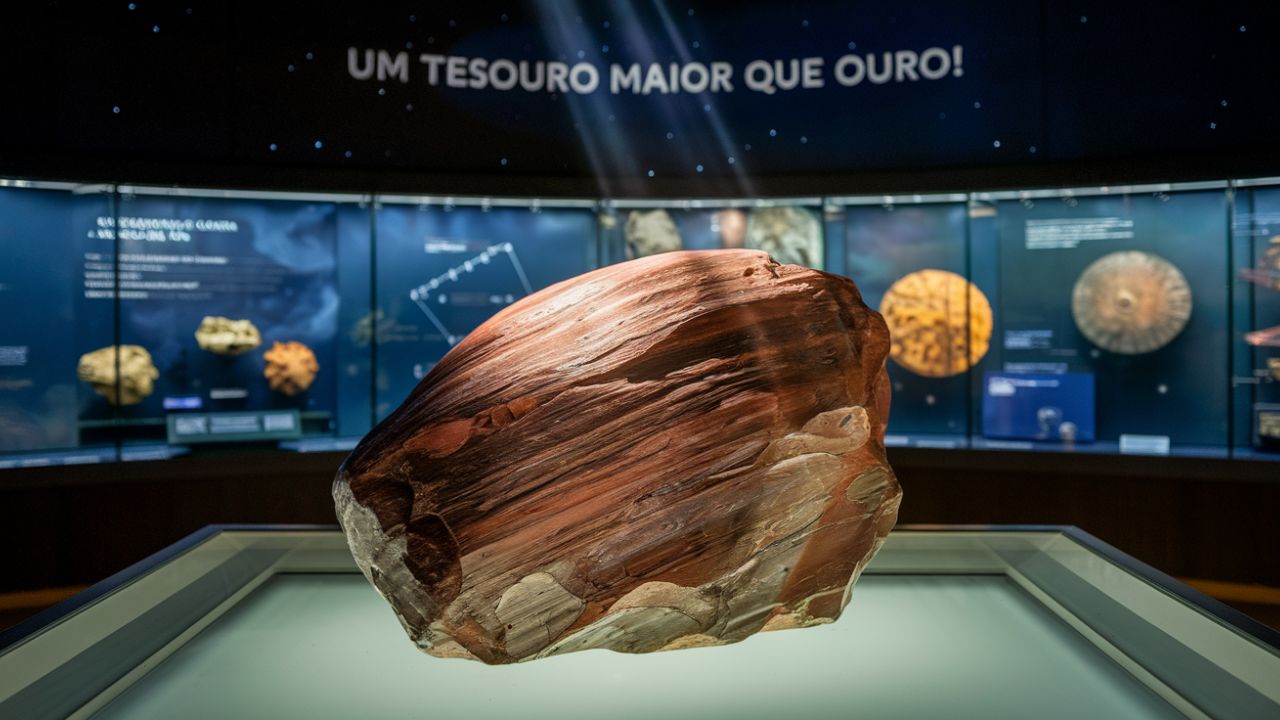
Found in Maryborough, Australia, the 17-kilogram meteorite revealed secrets of the beginning of the Solar System, with iron, nickel, and a history of 4.6 billion years.
In 2015, David Hole went searching for gold in Maryborough, Australia, with high hopes. What he found, however, was much more intriguing than a gold nugget. He stumbled upon a reddish, heavy rock, which seemed to promise hidden riches, but delivered a cosmic gift of inestimable value, a meteorite.
The First Encounter with the Meteorite
Hole believed that the strange rock was hiding gold. He used saws, drills, and even hammers, but nothing seemed to work. The stone was as hard as steel, which already suggested something out of the ordinary. Desperate to discover what was inside, he took it to the Melbourne Museum.
Museum experts quickly realized that it was not an ordinary rock. Geologist Dermot Henry, for example, was impressed by its unique density and texture. The truth? It was a meteorite, and not just any meteorite, but a piece from the very beginning of the Solar System.
-
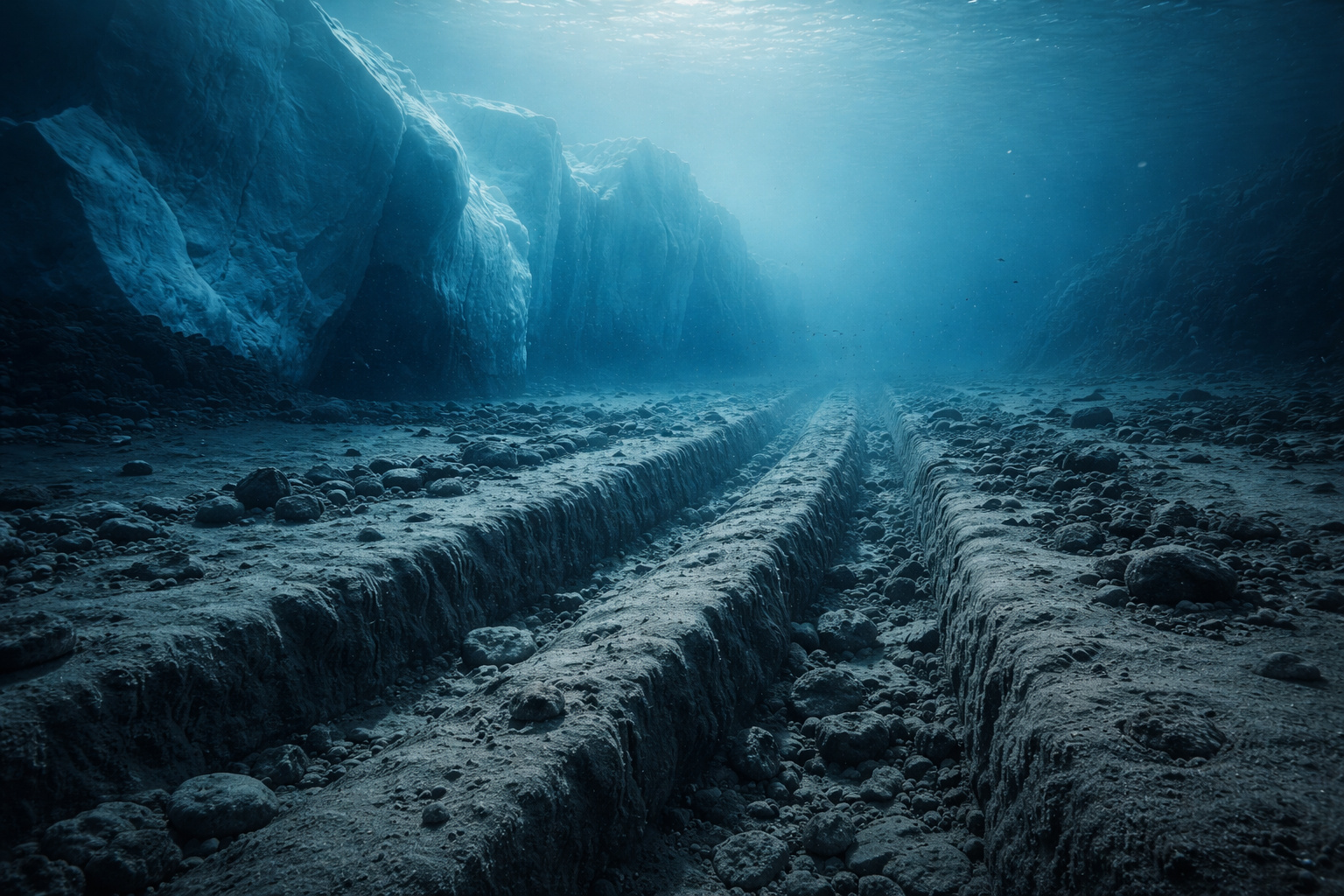
Hidden giants at the bottom of the North Sea reveal how 18,000-year-old icebergs help predict glacier collapse and rising oceans.
-
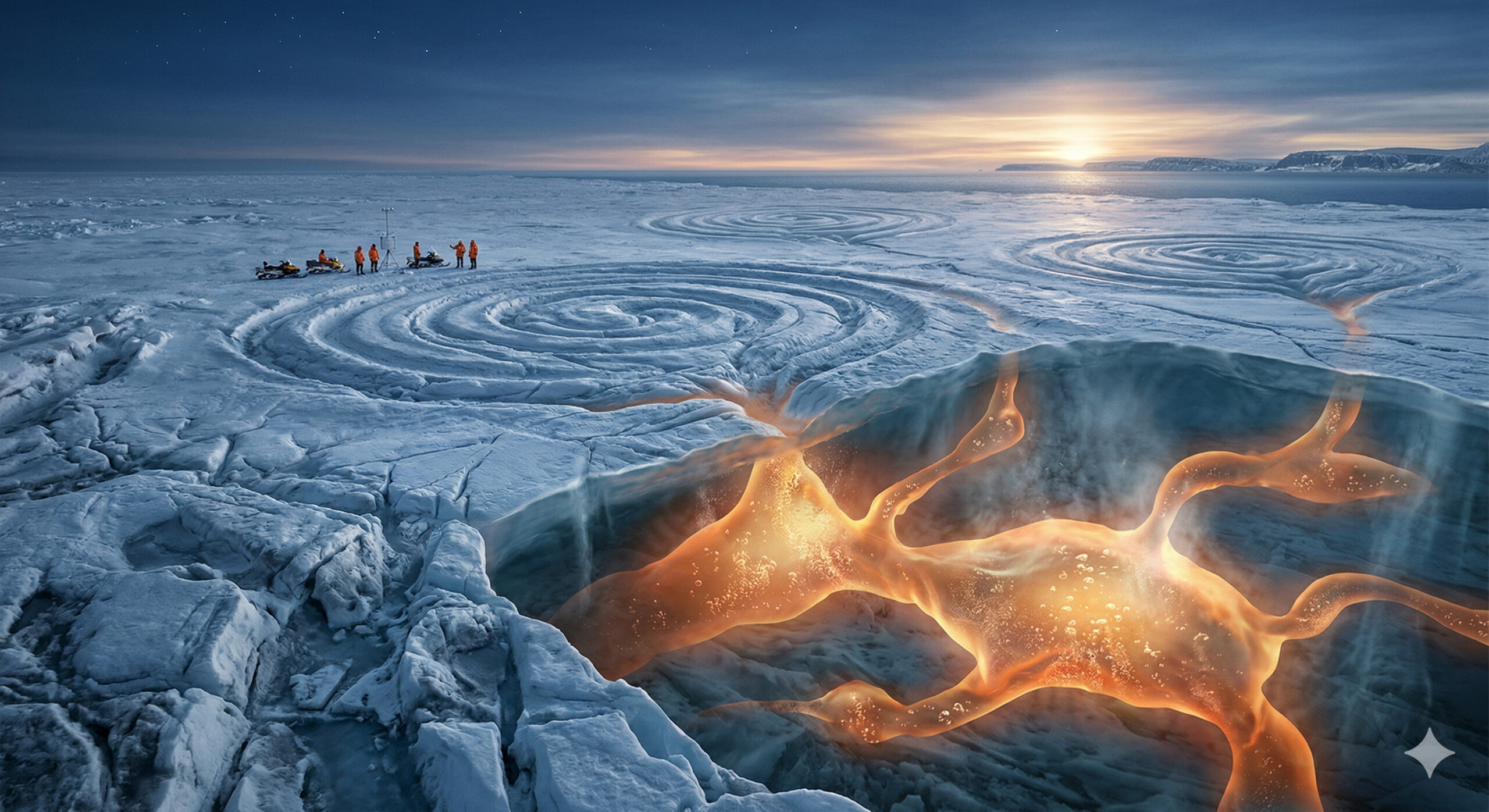
For more than 10 years, scientists have observed the ice of Greenland deforming into giant spirals without explanation; they have now discovered that solid ice can “boil” from within like magma, an invisible phenomenon that could alter climate predictions and involves a mass capable of raising sea levels by up to 7 meters.
-
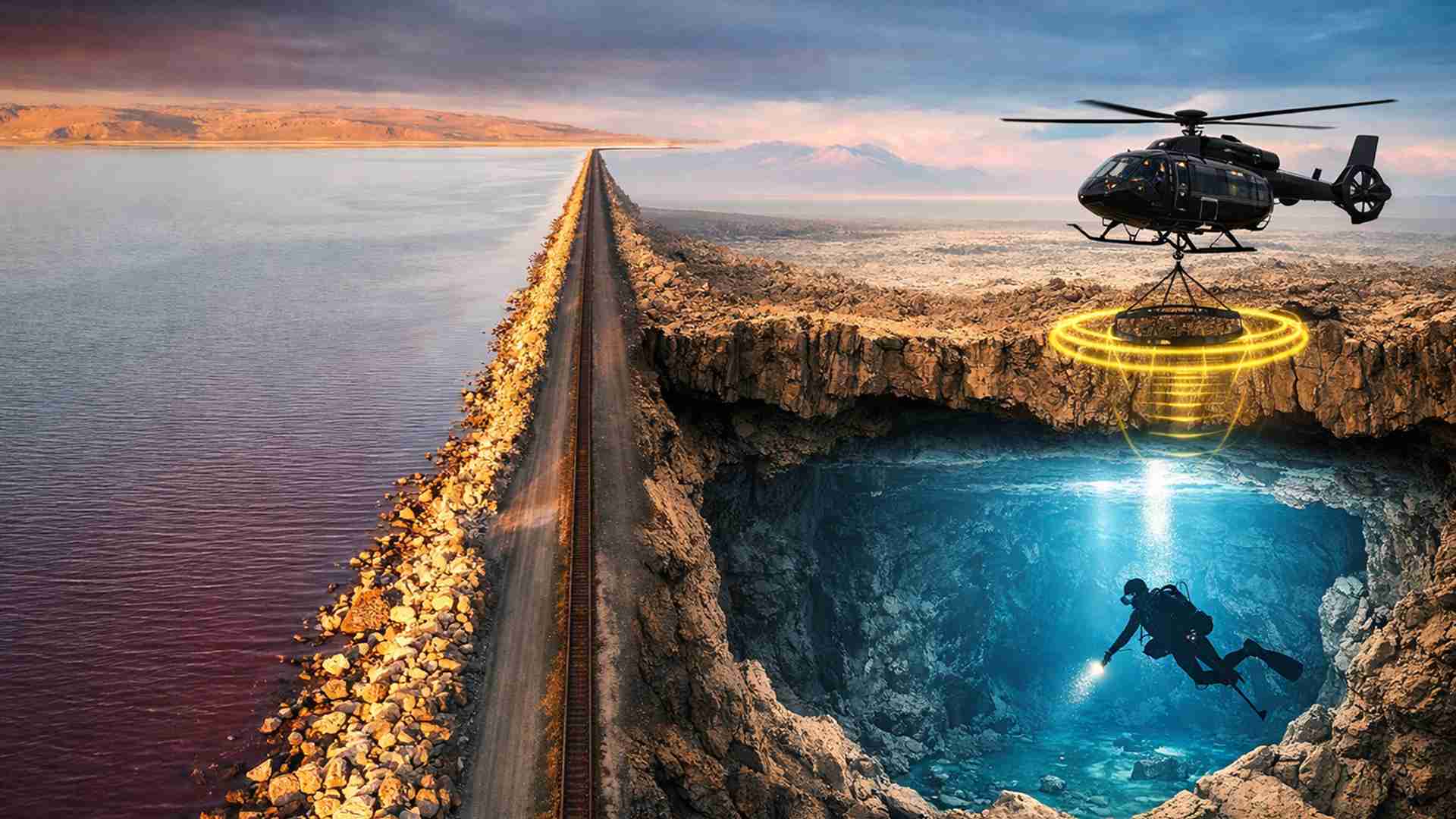
A gigantic freshwater reservoir appears beneath the Great Salt Lake, between 3 and 4 kilometers deep, surprising scientists with an unexpected flow towards the interior of the lake.
-
At over 8,800 meters above sea level, the summit of Mount Everest is made up of rocks that originated at the bottom of an ocean about 500 million years ago and were pushed to the highest point on Earth by the collision of tectonic plates.


Revealing the Truth
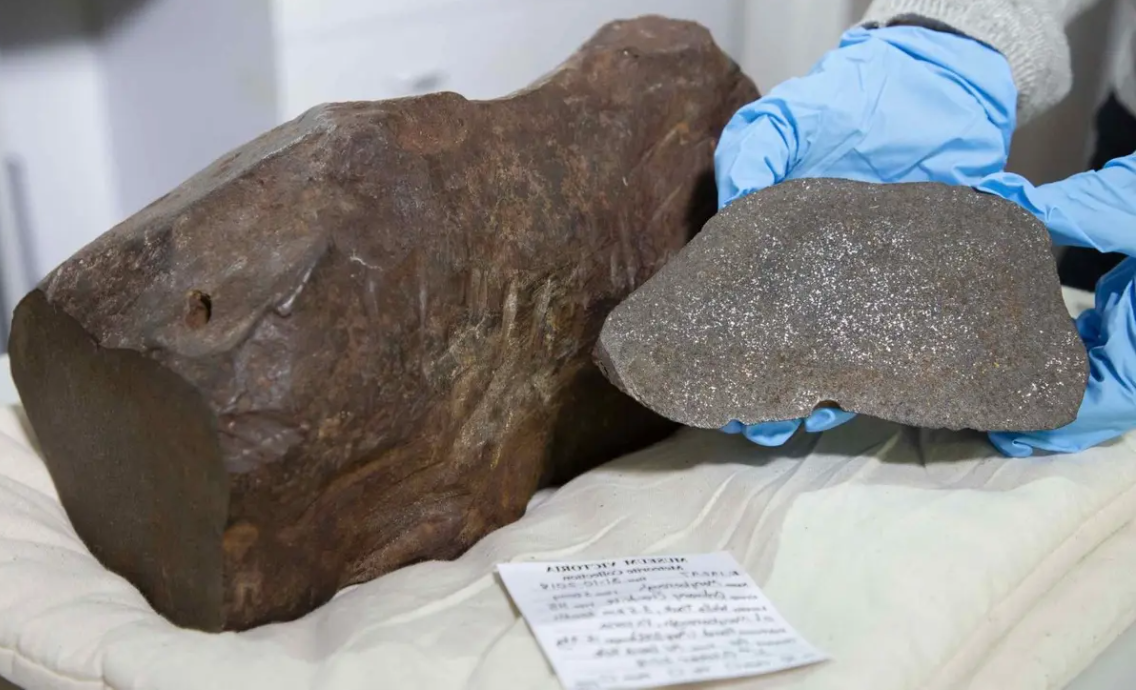
After analysis with specific tools, the meteorite revealed its composition: iron and nickel, typical characteristics of space rocks. Weighing 17 kilograms, it was classified as a common H5 chondrite meteorite. More importantly, its estimated age is 4.6 billion years, making it an untouched fragment of cosmic history.
Meteorites like this provide valuable information about conditions that existed even before the complete formation of Earth. They are time capsules, preserving elements that date back to the early days of the Solar System.
The Cosmic Journey of the Meteorite
It is believed that the meteorite originated from the asteroid belt between Mars and Jupiter. A cosmic collision launched it on a long journey to Earth. As it passed through the atmosphere, it was shaped by intense heat, forming the polished, sculpted surface that caught Hole’s attention.
Research suggests that it arrived on Earth between 100 and 1,000 years ago. Historical accounts of fireballs in the sky over the Maryborough area may be linked to its fall, adding an element of mystery to its story.
A Treasure Greater Than Gold
Although Hole never found gold inside that rock, the meteorite proved to be a much more significant treasure. It is now on display at the Melbourne Museum, enchanting visitors and scientists with its story and scientific importance.
Discoveries like this show that sometimes the value of things lies not in their appearance or material composition, but in what they can teach us. Meteorites are true messengers from the cosmos, offering clues about how the Solar System and our planet formed.
David Hole started his journey in search of gold, but ended up discovering a gift from the universe. His story is a powerful reminder that, even in a simple search, we can stumble upon something extraordinary. Who knows, the next stone in your path may contain secrets of the stars?









-

-

-

-

-

-

17 pessoas reagiram a isso.