





 Portuguese
  English
  Spanish
  3 min of reading
  0 comments


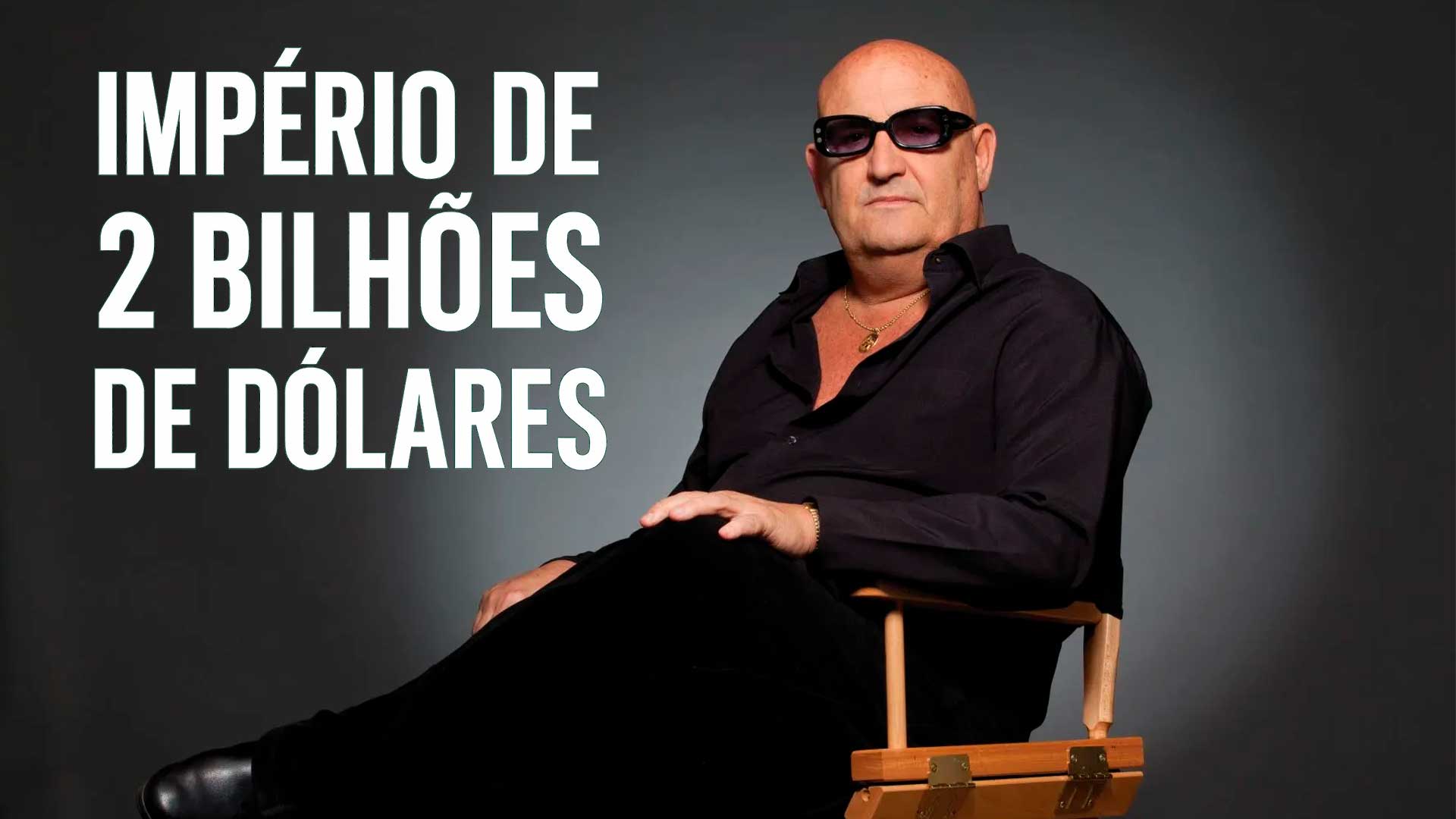
Without Loans And Without Venture Capital, Cuccio Founder Became A Reference In Gel Nails And Expanded With Reinvestment And Total Cash Control
The story of Tony Cuccio deviates from the common script of “growth at any cost.” Instead of seeking loans and investors, he bet on financial discipline and continuous reinvestment.
According to a report published by Exame on December 13, 2025, the entrepreneur set up a small beauty stand in 1981, on Venice Beach in Los Angeles, with just US$ 200, and transformed the business into a multinational that accumulated US$ 2 billion in sales.
The article states that Cuccio never took out a bank loan, did not resort to venture capital, and did not go public. The case was attributed to information from Fortune, which published a report on the entrepreneur on December 3, 2025.
-
Mothers and daughters come together, create an ‘express’ beauty salon and turn the idea into a network with 21 units, revenue of R$ 16.7 million and 12,000 subscribers.

-
End of the 6×1 schedule: how the reduction of hours can affect service companies, industry, and agribusiness.

-
Brazil Ignores Trump’s threats to BRICS, Buys 42 tons of gold and reduces the Dollar’s share by 6.45% in international reserves.

-
Havan buys historic football land in Blumenau for a million-dollar amount protected by a confidentiality clause and is already planning to change even the layout of streets to build a megastore in half-timbered style costing 80 million reais.


In Brazil, the brand is well-known in the professional nail market. The official importer states that the products are legalized and have records and authorizations from Anvisa for sale in the country.
From A Suitcase At Venice Beach To A Multinational: The Origin Of The Beauty Business And The Logic Of “Starting Small”
The beginning was simple and straightforward. The brand’s official website reports that Tony Cuccio and his wife sold cosmetics from a suitcase on Venice Beach in 1981.
The narrative also appears in industry materials. An edition of the magazine Nailpro mentions that Roby and Tony Cuccio set up a spot on the Venice Beach boardwalk in 1981, selling nail polishes.

Over time, the operation stopped being just resale. Exame describes that he noticed demand for wholesale purchases and structured a brand geared towards the professional market.
The same report states that the name Star Nail may have originated from a combination of family names. The turning point, however, came when he found a niche that seemed small and became gigantic.
Gel Nails And Incremental Innovation: How An “Old” Product Became A Global Market
The technology behind gel nails was not exactly new. Exame states that the chemical base has existed since the 1950s, but Cuccio saw commercial potential and worked to make the application more appealing to the market.
According to the article, he enhanced the product and noted adjustments such as the addition of calcium and fiberglass to increase durability. The strategy is said to have solidified a line that became a bestseller for decades.
This point resonates with what many entrepreneurs forget. The differential is not always about “inventing from scratch.” Sometimes, it’s about professionalizing, positioning, and distributing better than everyone else.
For the Brazilian audience, the parallel is immediate. The nail designers and salons market is competitive, and successful brands tend to dominate logistics, training, and standardization, in addition to the product itself.
Growing Without Debt, Without Investors, And Without An IPO: Cash Discipline And The Organic Expansion Of The “Bank Of Cuccio”
Exame states that the growth model was guided by frugality. He is said to have started with US$ 200, multiplied that amount, and kept expenses to a minimum.
According to the report, in the first years he withdrew from the company only what was necessary to pay rent. And he repeated a provocative idea about banks: to serve for deposits, not withdrawals.
Another detail mentioned is the early internationalization. The article states that, in 1984, he was already traveling to set up distributors and finance part of the expansion on his own, earning the nickname “Bank of Cuccio.” The company’s official website states it distributes to more than 135 countries.
The routine also stands out. Besides the text from Exame mentioning that he was 71 years old and woke up at 5 a.m. to work, public content with a transcript in a LinkedIn post repeats the same statement about age and time, as part of an interview.
Leave a comment: Do you think the culture of “growing with debt” is necessary to succeed, or is it a trap that has normalized poor management decisions? Where do you draw the line in your business?










-

-

-

-

-

10 pessoas reagiram a isso.