





 English
  Francês
  Alemão
  Italiano
  Japonês
  Norueguês
  Portuguese
  Spanish
  3 min of reading


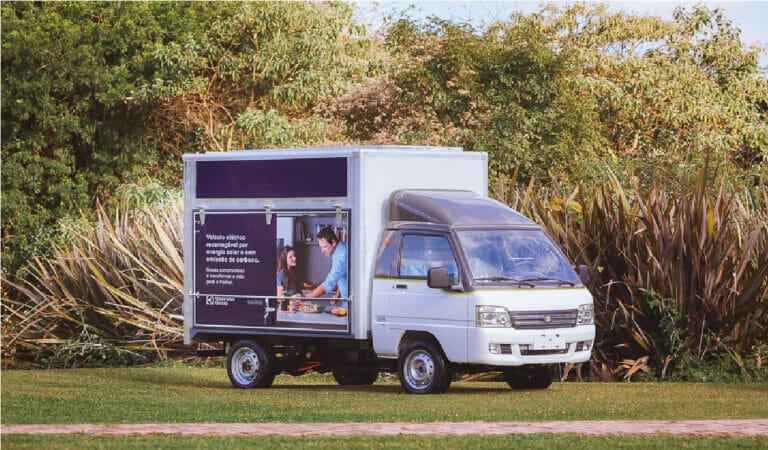
The New Electric Truck Manufactured by the Appliance Giant Promises to Revolutionize the Electric Vehicle Market
The appliance manufacturer Electrolux is innovating by incorporating a small electric truck powered by solar energy into its fleet in São Paulo, the result of a partnership with Hitech Electric. The vehicle, considered a test, combines solar and electric power – the battery can be charged from a socket, but it also receives energy from solar panels during the day, according to Terra.
The average charging time from a socket takes about 5 hours to reach a full charge, providing a range of up to 280 km. When exposed to sunlight for 10 to 12 hours, it gains a 20% increase in its range.
The electric truck is not limited to solar and electric energy. It also uses kinetic energy through “regenerative braking,” where the kinetic energy generated during deceleration is converted into electrical energy to recharge the battery, further increasing the vehicle’s energy efficiency.
-
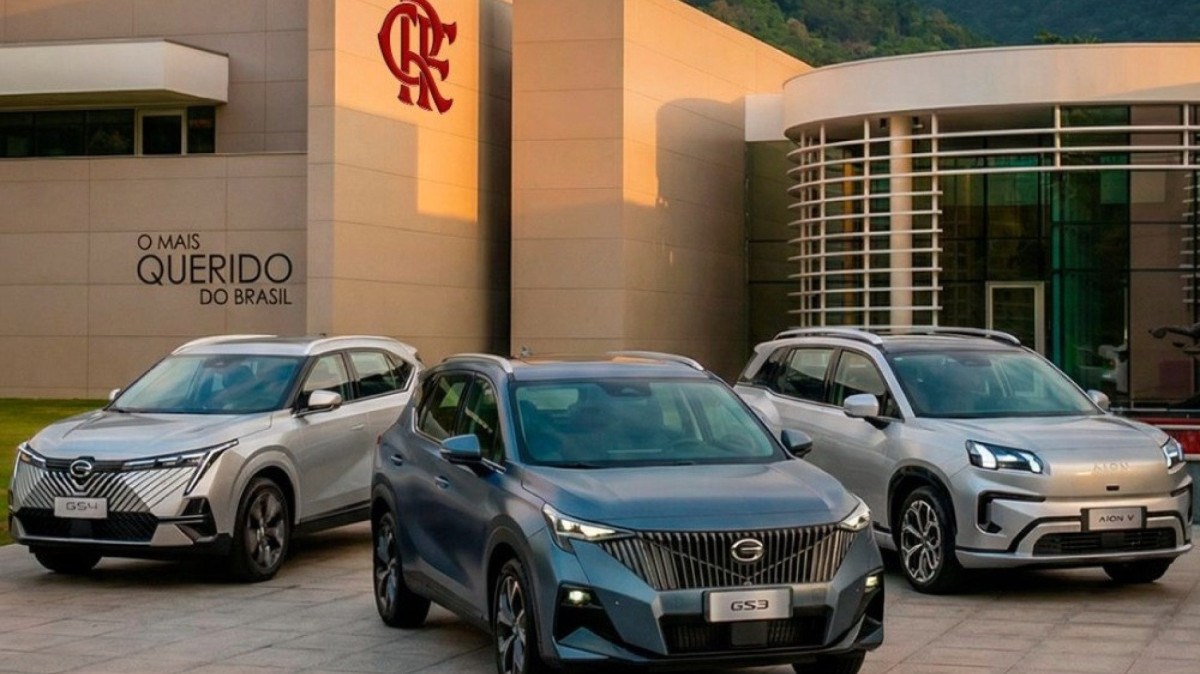
After launching the new GS3 with a 1.5 turbo engine producing 170 hp, GAC partners with Flamengo, enters the field with the largest fan base in Brazil, and accelerates an ambitious offensive to gain scale and confidence in the national market.
-
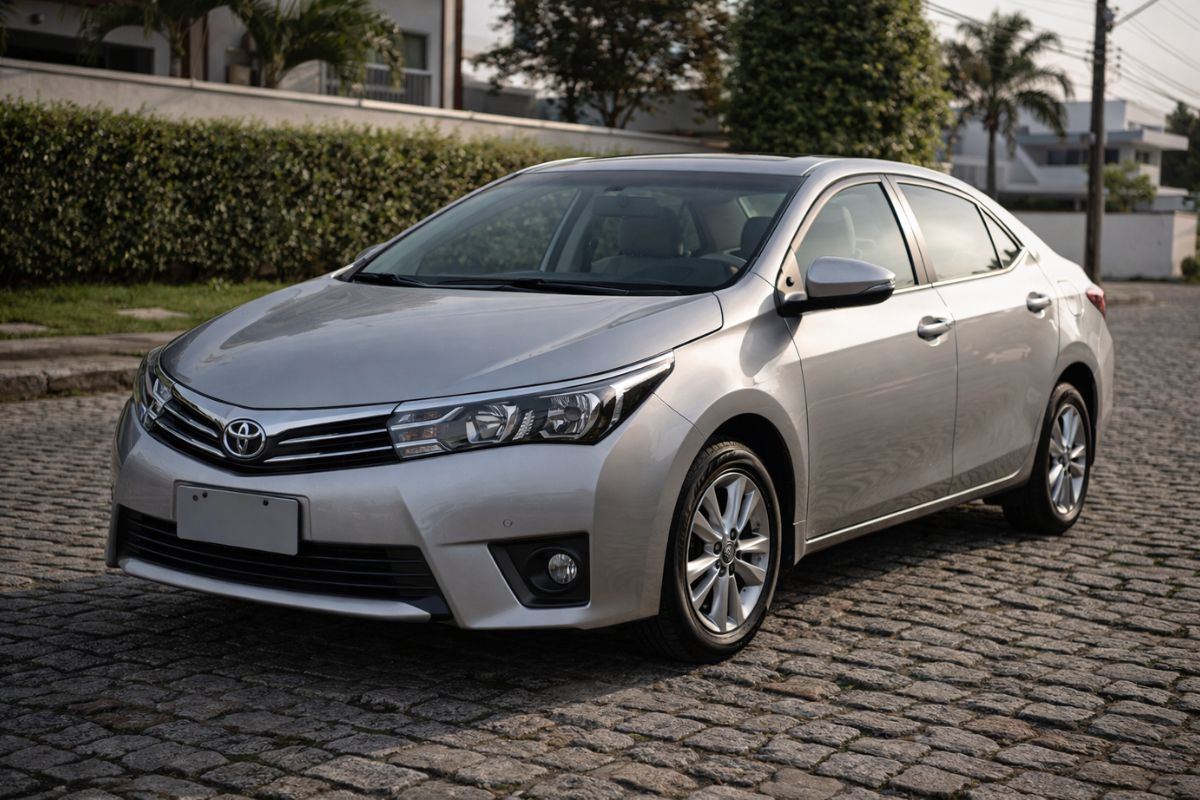
The Corolla from 2015 to 2019 depreciates so little that a 10-year-old model is still worth over 76 thousand reais, and owners treat this sedan as a safe investment thanks to its reputation for durability that no competitor has been able to match.
-
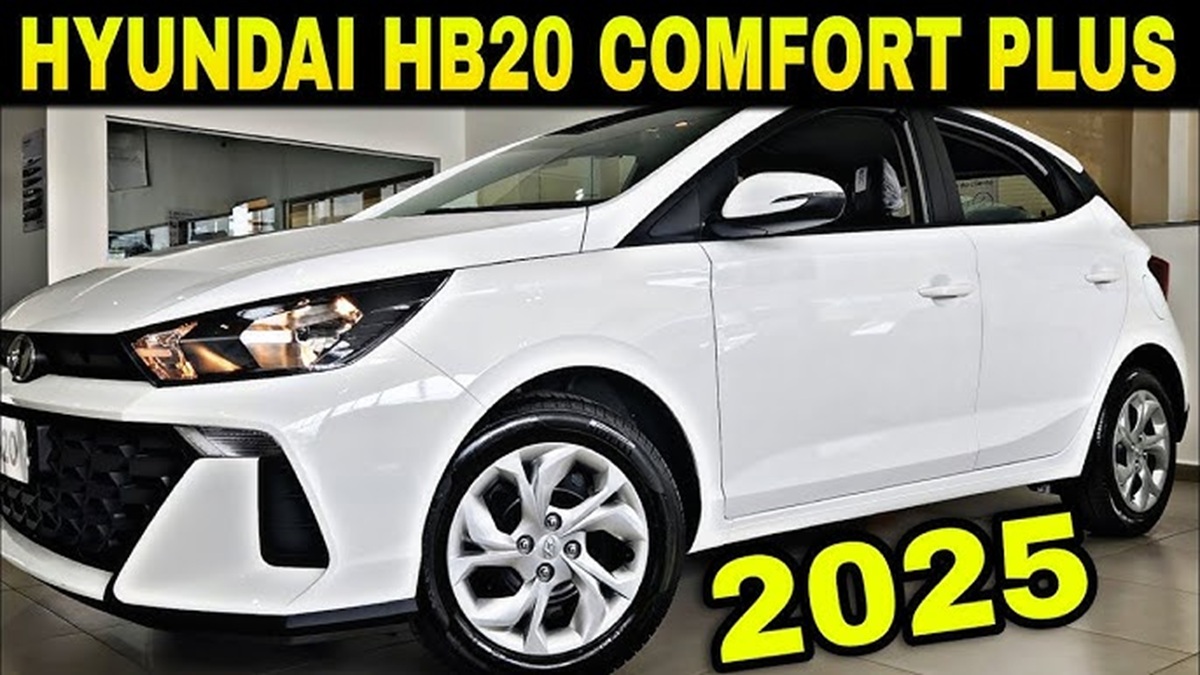
Is it worth considering a financed 2025 HB20 Comfort? A simulation with R$ 50,000 in the bank shows installments ranging from R$ 5,687 to R$ 2,365.
-
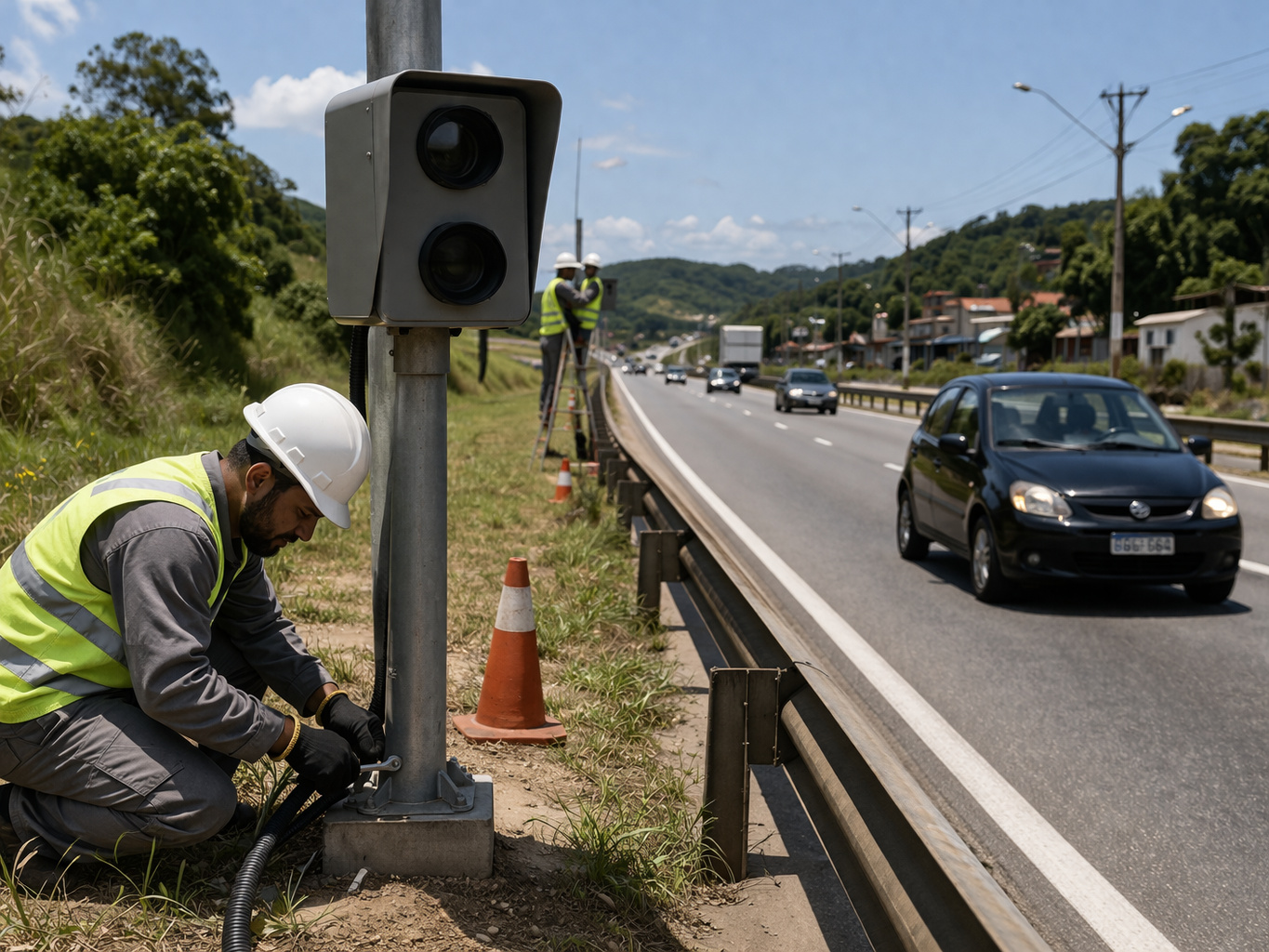
Road surveillance in Rio de Janeiro enters a new phase with the installation of more than 140 speed cameras on highways RJ-106 and RJ-104, and DER-RJ expands speed control in high-traffic areas.

Complementing Sustainable Deliveries
Electrolux’s proposal is to utilize this truck model to complement its deliveries already made with electric trucks and bicycles, both considered to have a lower environmental impact.
The company plans to expand this pioneering project, incorporating two more small trucks into its fleet later this year. While the idea is feasible for small trucks, larger vehicles currently do not have a timeline for using solar energy due to battery limitations and charging times.
Challenges in the Transition to Sustainability
The search for 100% sustainable electric vehicles faces challenges, such as the high cost of disruptive technologies and the price of electricity in Brazil. Fernando Keske, Electrolux’s Sustainability Director for Operations, emphasizes that strategies aligned with economic viability are essential for making the fleet more sustainable.
Rodrigo Sauaia, CEO of Absolar, highlights that solar energy plays a versatile role in the automotive sector. Its use in vehicles is already known, especially in motorhomes and ships, for specific functions such as lighting. Solar energy, in addition to being integrated into the vehicles’ electrical systems, also increases the versatility of electric cars, allowing them to operate independently of sunlight availability.
Contribution to Sustainability
This initiative aligns with Electrolux’s efforts to reduce its carbon footprint. The appliance sector is one of the main emitters of polluting gases, and the introduction of these trucks solar represents an important step for the company to contribute to decarbonization and sustainability.
With companies like Electrolux and PepsiCo investing in more sustainable transport solutions, solar energy is proving to be a powerful ally in the transition to electric mobility. As more companies explore clean technologies, the future of transportation promises to be greener and more efficient.








Seja o primeiro a reagir!