Portuguese
  Spanish


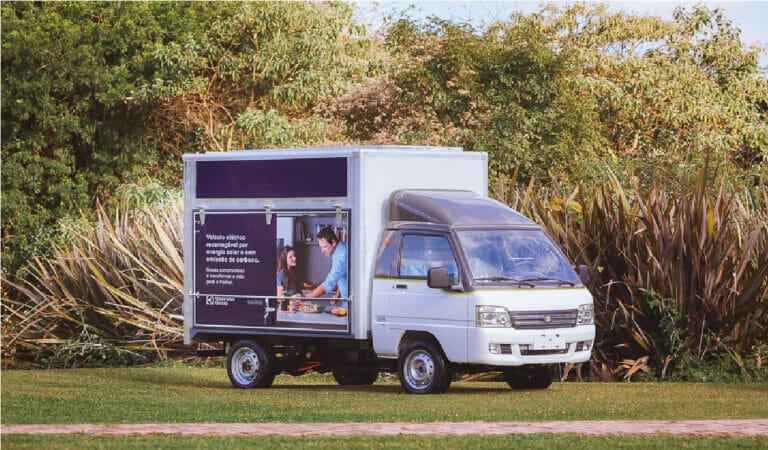

The New Electric Truck Manufactured by the Appliance Giant Promises to Revolutionize the Electric Vehicle Market
The appliance manufacturer Electrolux is innovating by incorporating a small electric truck powered by solar energy into its fleet in São Paulo, the result of a partnership with Hitech Electric. The vehicle, considered a test, combines solar and electric power – the battery can be charged from a socket, but it also receives energy from solar panels during the day, according to Terra.
The average charging time from a socket takes about 5 hours to reach a full charge, providing a range of up to 280 km. When exposed to sunlight for 10 to 12 hours, it gains a 20% increase in its range.
The electric truck is not limited to solar and electric energy. It also uses kinetic energy through “regenerative braking,” where the kinetic energy generated during deceleration is converted into electrical energy to recharge the battery, further increasing the vehicle’s energy efficiency.
-
Sales of Brazil’s Cheapest Electric Car Halted Before First Deliveries: E-Motors Suspends Emova Easy Due to Import Tax Increase and Rising Freight Costs

-
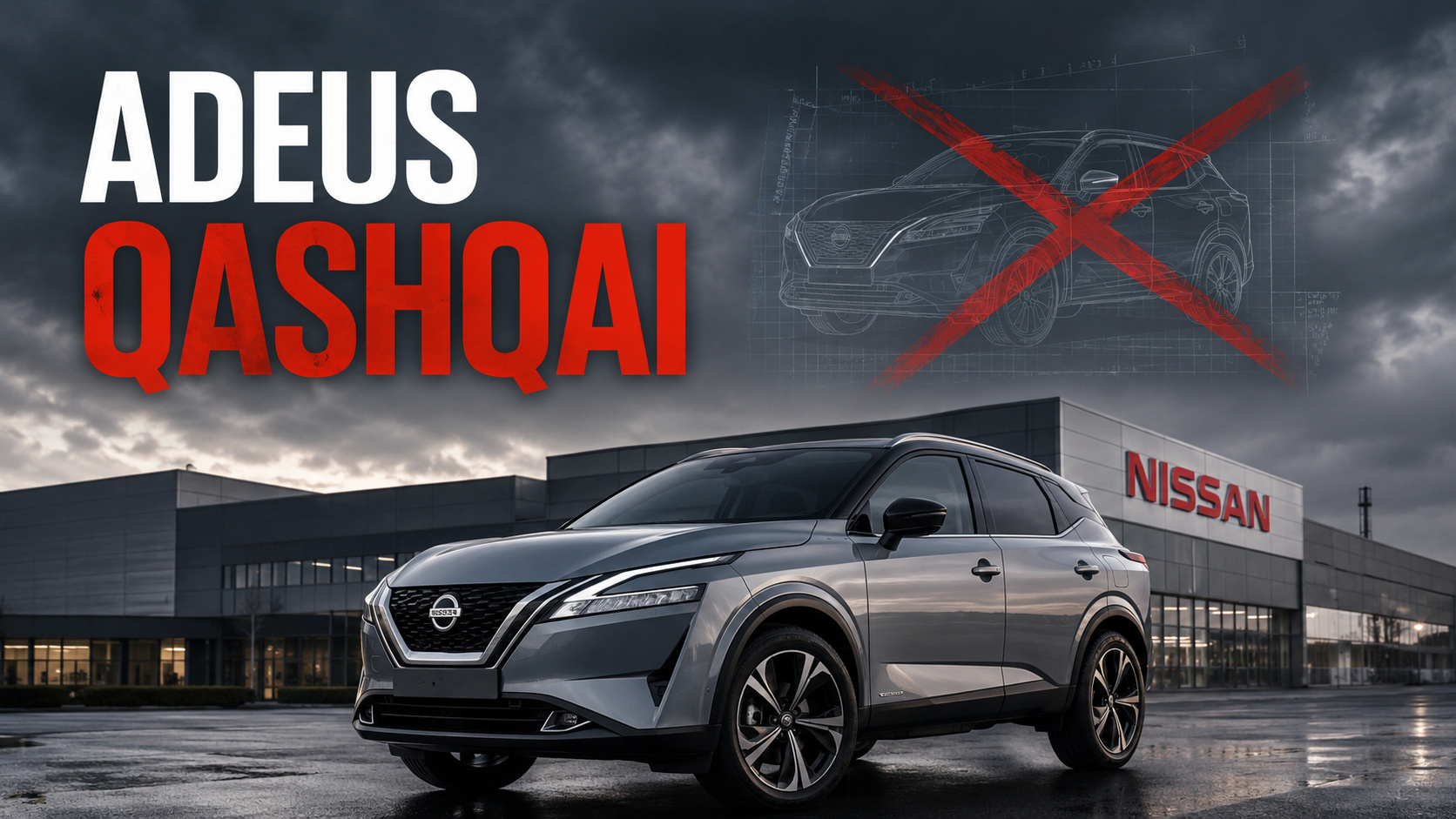
Nissan Discontinues Qashqai SUV Amid Cost-Cutting, Chinese Competition, and Product Line Review

-
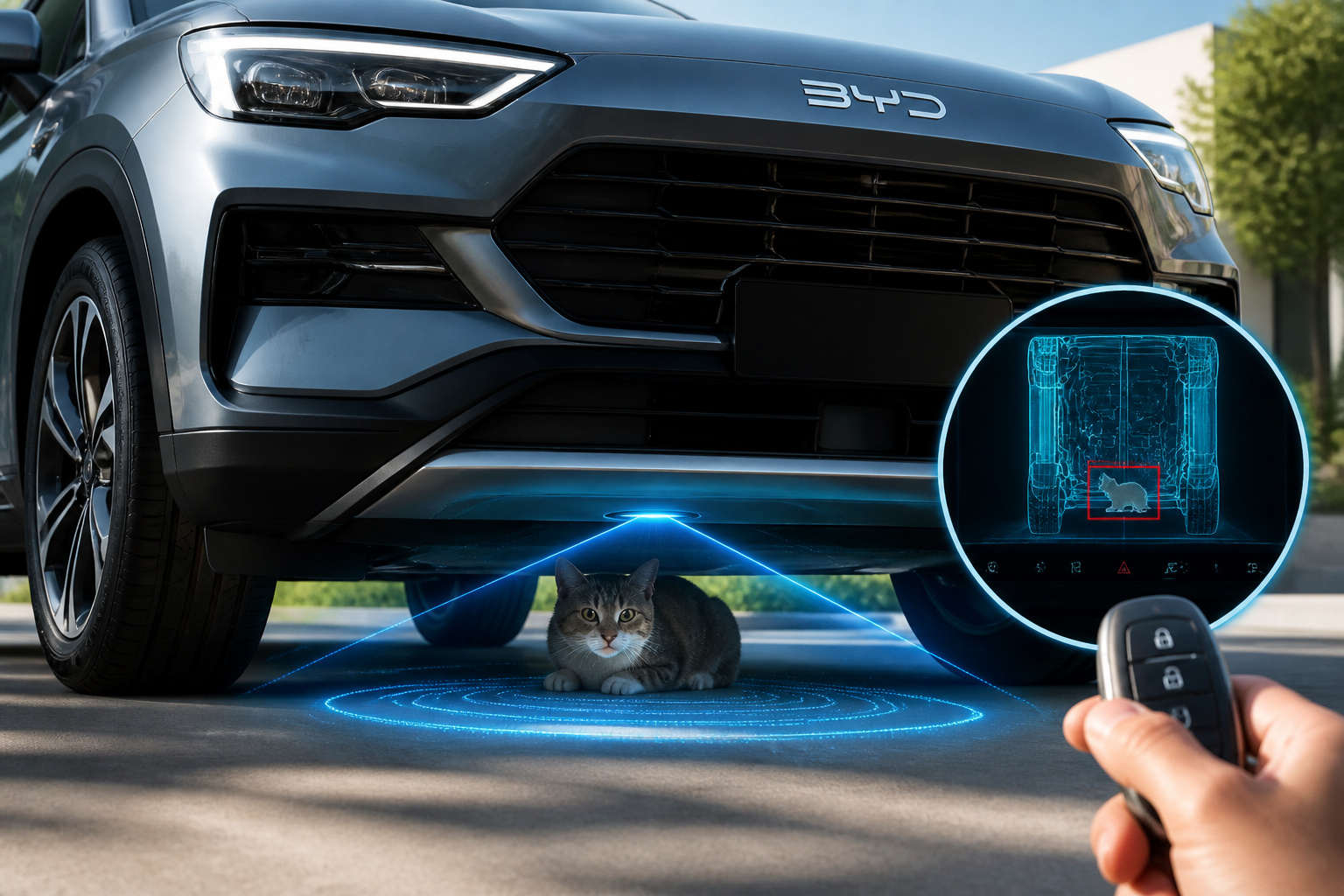
BYD Patents Revolutionary System Using Computer Vision to Detect Animals Under Cars Before Starting, Preventing Tragedies

-
Study Reveals Why Cars Are More Expensive to Produce and Buy in Brazil Compared to Mexico, Highlighting Taxes, Logistics, and Industrial Costs as Key Factors.


Complementing Sustainable Deliveries
Electrolux’s proposal is to utilize this truck model to complement its deliveries already made with electric trucks and bicycles, both considered to have a lower environmental impact.
The company plans to expand this pioneering project, incorporating two more small trucks into its fleet later this year. While the idea is feasible for small trucks, larger vehicles currently do not have a timeline for using solar energy due to battery limitations and charging times.
Challenges in the Transition to Sustainability
The search for 100% sustainable electric vehicles faces challenges, such as the high cost of disruptive technologies and the price of electricity in Brazil. Fernando Keske, Electrolux’s Sustainability Director for Operations, emphasizes that strategies aligned with economic viability are essential for making the fleet more sustainable.
Rodrigo Sauaia, CEO of Absolar, highlights that solar energy plays a versatile role in the automotive sector. Its use in vehicles is already known, especially in motorhomes and ships, for specific functions such as lighting. Solar energy, in addition to being integrated into the vehicles’ electrical systems, also increases the versatility of electric cars, allowing them to operate independently of sunlight availability.
Contribution to Sustainability
This initiative aligns with Electrolux’s efforts to reduce its carbon footprint. The appliance sector is one of the main emitters of polluting gases, and the introduction of these trucks solar represents an important step for the company to contribute to decarbonization and sustainability.
With companies like Electrolux and PepsiCo investing in more sustainable transport solutions, solar energy is proving to be a powerful ally in the transition to electric mobility. As more companies explore clean technologies, the future of transportation promises to be greener and more efficient.