





 Portuguese
  English
  Spanish
  5 min of reading
  0 comments


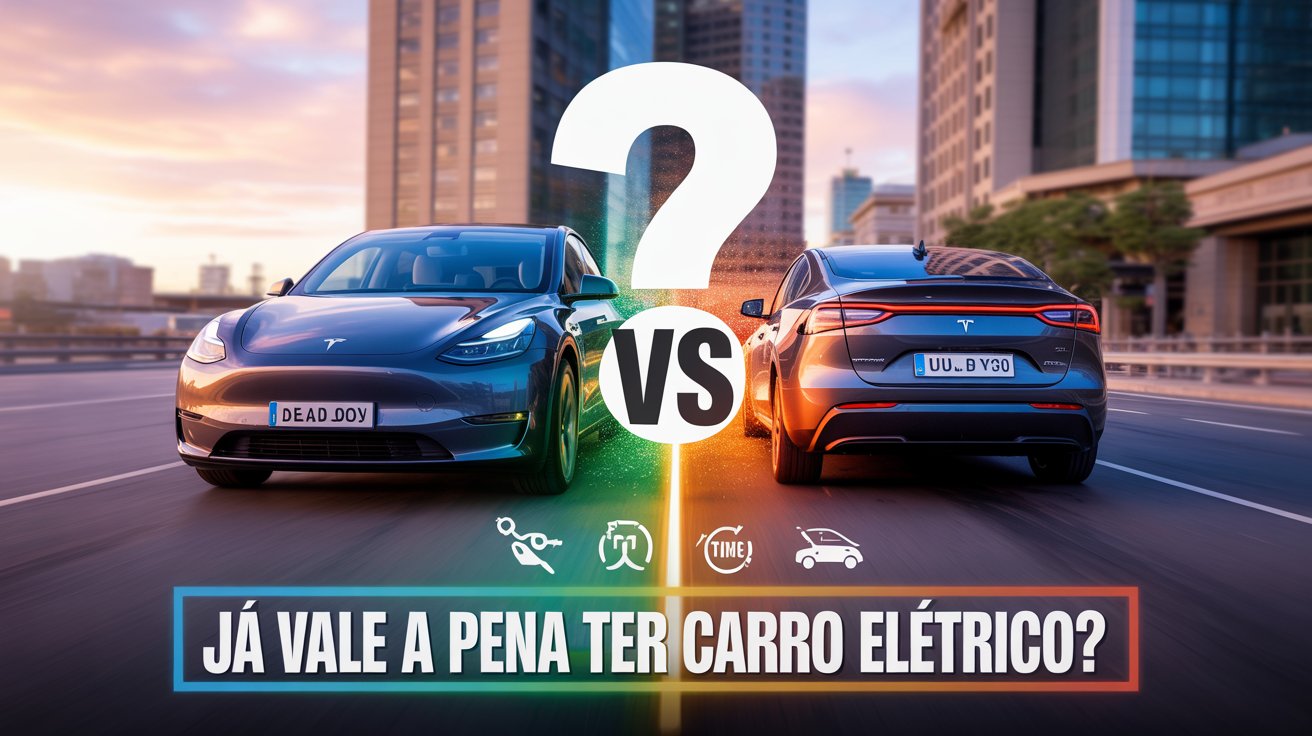
2,500 Km Journey Reveals Real Comparison Between Electric Cars and Diesel Vehicles in Cost-Effectiveness
They traveled 2,500 km in an electric car and discovered a surprising truth: diesel is still more advantageous in cost-effectiveness
In May 2025, a team of Spanish journalists undertook a 2,500-kilometer journey from Berlin to Madrid, driving two Long Range models of Tesla: the Model Y Long Range RWD and the Model 3 Highland.
The route was planned to evaluate the practical experience, efficiency, and cost of using electric cars on an extensive route, indirectly comparing them to combustion vehicles, especially diesel, which are traditionally considered more economical for long distances.
-
50 viaducts, 4 tunnels, 28 bridges, and 40 kilometers of bike paths: BR-262 in Espírito Santo will receive 8.6 billion reais for the largest engineering project in the state’s history, inspired by the Immigrant Highway in São Paulo.

-
Italian researchers have detected what appears to be a second Sphinx buried under the sands of Egypt, and satellite scans reveal a gigantic underground megastructure hidden beneath the Giza Plateau for over 3,000 years.

-
There are 4,223 drums and 1,343 metal boxes concreted with 50-centimeter walls that store the radioactive waste from Cesium-137 in the worst radiological accident in Brazil, just 23 kilometers from Goiânia, with environmental monitoring every three months.

-
Giant Roman treasure found at the bottom of Lake Neuchâtel in Switzerland reveals an advanced trade system, circulation of goods, and armed escort in the Roman Empire about two thousand years ago.


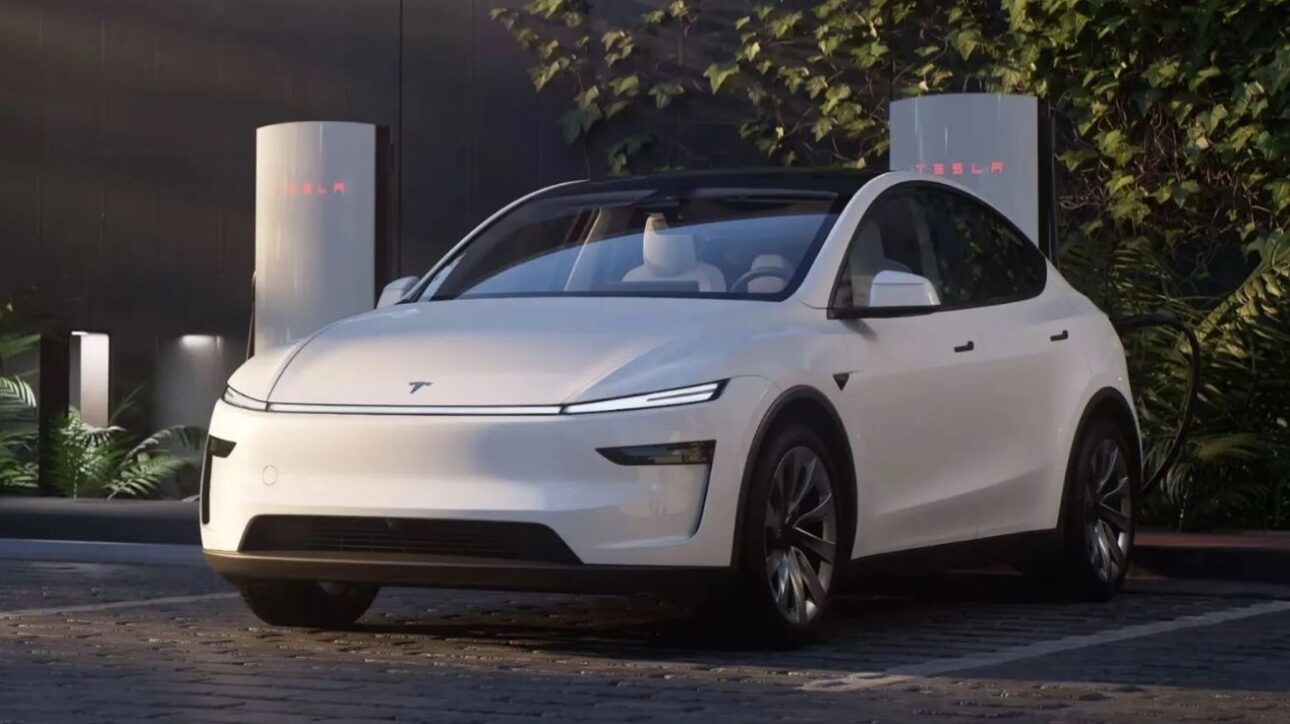
Before starting the journey, the group had privileged access to the Tesla Gigafactory in Berlin, one of the largest electric car factories in the world, operated by Elon Musk.
The site produces the Tesla Model Y, which is among the best-selling electric vehicles globally.
The visit allowed for a better understanding of the technology applied in these vehicles and the infrastructure set up for large-scale production.
Structure and Planning of the Journey with Electric Cars
During the journey, the stops for charging the Teslas were strategic, scheduled every 200 or 300 kilometers to ensure comfort for the drivers, who took the opportunity to stretch their legs, use the bathroom, or take a coffee break.
Interestingly, on many occasions, the vehicle was already fully charged before the end of these stops, demonstrating the efficiency of Tesla’s superchargers and the practicality for those traveling with electric cars.
Comparison of Energy and Fuel Costs
One of the central points of the analysis was to assess whether the savings when refueling or recharging would offset the cost and time spent.
To do this, the journalists referred to the official report by the European Union, which presents the average cost of fuels — gasoline and diesel — in each country along the route.
The values considered are regional averages, which helps contextualize the comparison, although they acknowledge that actual prices may vary depending on the location and time.
For the comparison, two standard consumption parameters for combustion vehicles were adopted: 7 liters of gasoline for every 100 kilometers traveled and 5.5 liters of diesel for the same distance.
These data allowed simulating the total fuel costs for the 2,500 km and comparing them to the energy expenditure of the Teslas throughout the journey.
Results of the Comparison Between Diesel and Electric Cars
The result was surprising: the difference between the cost of recharging a Tesla using the manufacturer’s superchargers and refueling a diesel car was 53.62 euros (around R$ 346).
When expanding the comparison to a gasoline vehicle with average consumption, the difference became even more evident, with a saving of 136.61 euros (approximately R$ 878) for those opting for the electric car.
However, this analysis reveals that diesel still holds its place as the most advantageous option for those seeking cost-effectiveness on long road trips.
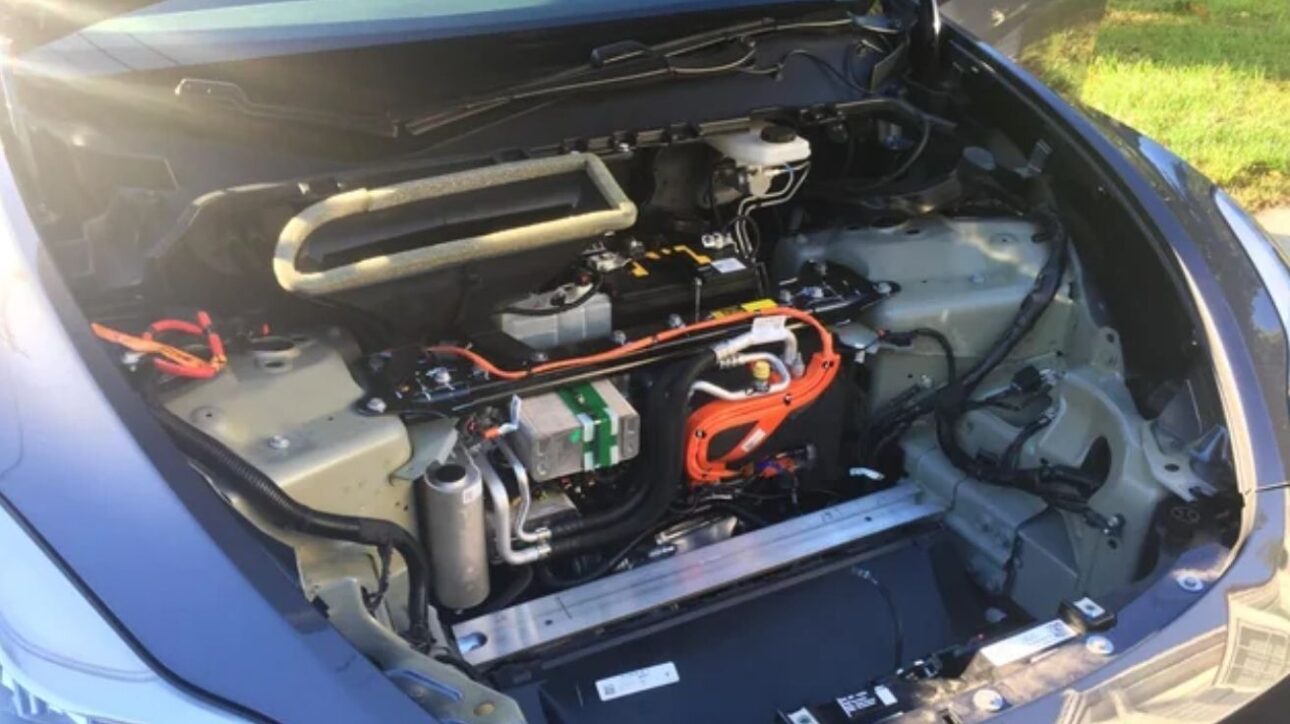
This is because, in addition to the fuel cost, the time needed to recharge the electric car, even using fast superchargers, is greater than the time spent refueling a diesel tank.
For drivers who prioritize speed and efficiency, this difference can be decisive.
Factors Influencing the Choice Between Vehicles
Still, the journalists warn that this conclusion should be interpreted with caution, as several factors interfere with the final result.
One of them is the type of charging station used.
During the trip, the team only used Tesla superchargers, which are the fastest and most efficient in the network.
Had they opted for slower charging points — common in hotels, restaurants, or gas stations overnight — the savings on electricity costs could have been greater, although the stopping time would increase.
Additionally, the combination of different types of charging during a journey allows the driver to adjust the charging speed according to the travel needs, such as breaks for meals or long rests, which can reduce the impact of the time spent on recharging.
Maintenance Costs and Long-Term Financial Impact
Another important aspect refers to maintenance costs.
Diesel vehicles require more frequent and generally more expensive maintenance than electric cars, whose system is less complex and requires fewer technical interventions over time.
This difference can partly offset the higher initial cost of electric vehicles and the energy expenditure, enhancing the economic advantage in the medium and long term.
Variety of Options and Decisions in the Current Automotive Market
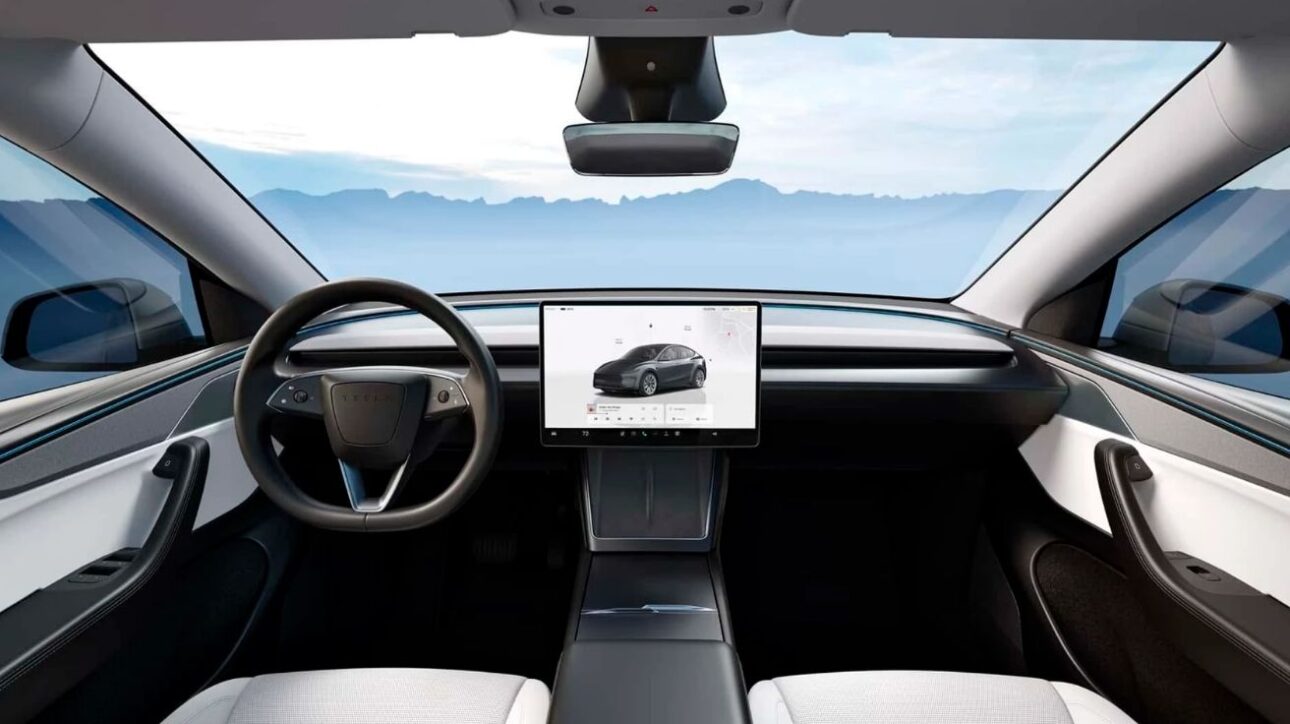
In the current scenario, the automotive market offers a wide variety of technological options, from traditional combustion vehicles to hybrids, and fully electric cars.
Each choice should consider not only the direct cost of fuel or energy but also the conditions of use, personal preferences, availability of charging infrastructure, and environmental issues.
The study by the Spanish journalists highlights that, despite the progress and popularization of electric cars, diesel still prevails as the most economical alternative for long road trips, especially for those who value the time spent on the road.
On the other hand, for those who can plan longer breaks or prioritize reducing operational costs over the long term, electric cars offer clear advantages.
The research contributes to a broader debate about the viability of electric vehicles on extensive journeys, highlighting the importance of expanding the charging infrastructure network and optimizing charging time to increase the competitiveness of these vehicles against combustion models.
With the constant changes in the fuel market, technological advances in batteries, and the expansion of charging stations worldwide, what will be the cost-effectiveness relationship between electric cars and diesel in the coming years?
Which technology will best meet the needs of Brazilian and European drivers?








-

-

-

7 pessoas reagiram a isso.