





 Portuguese
  English
  Spanish
  3 min of reading


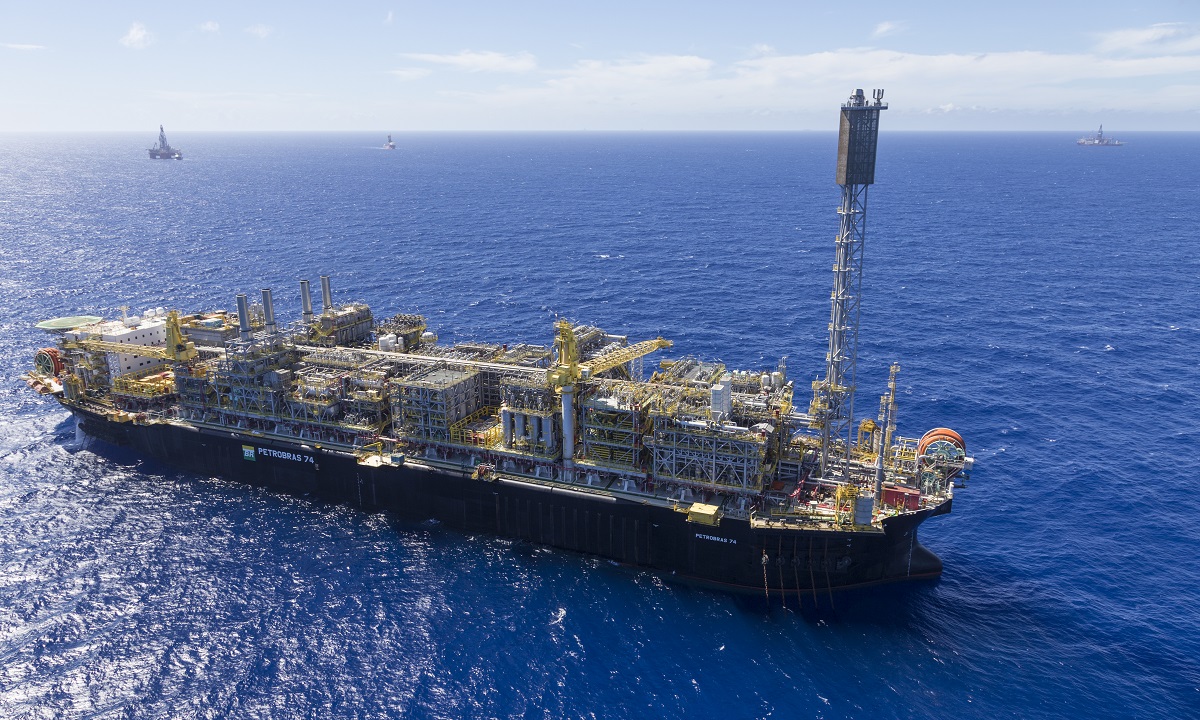
The Increase In Oil Prices May Be Related To The Rebound Of Economic Activities Post-Pandemic And The War In Ukraine, Causing A Considerable Increase In Petrobras Stock
Since the rebound of economic activities after the Covid-19 pandemic and the beginning of the war in Ukraine, there has been a noticeable increase in oil prices in the international market. As a result, the shares of Petrobras also experienced a considerable increase.
According to CNN Brasil, on July 26, 2021, the company’s preferred shares (PETR4) were trading at R$ 18.61. As of last Friday (29), one day after the company announced a profit of R$ 54.3 billion for the second quarter of this year, the value of such shares was R$ 34.15, representing an increase of 83.5%.
The ordinary shares (PETR3), in turn, saw an even more significant increase during this period, of 90%. Their value rose from R$ 19.45 to R$ 36.96.
-
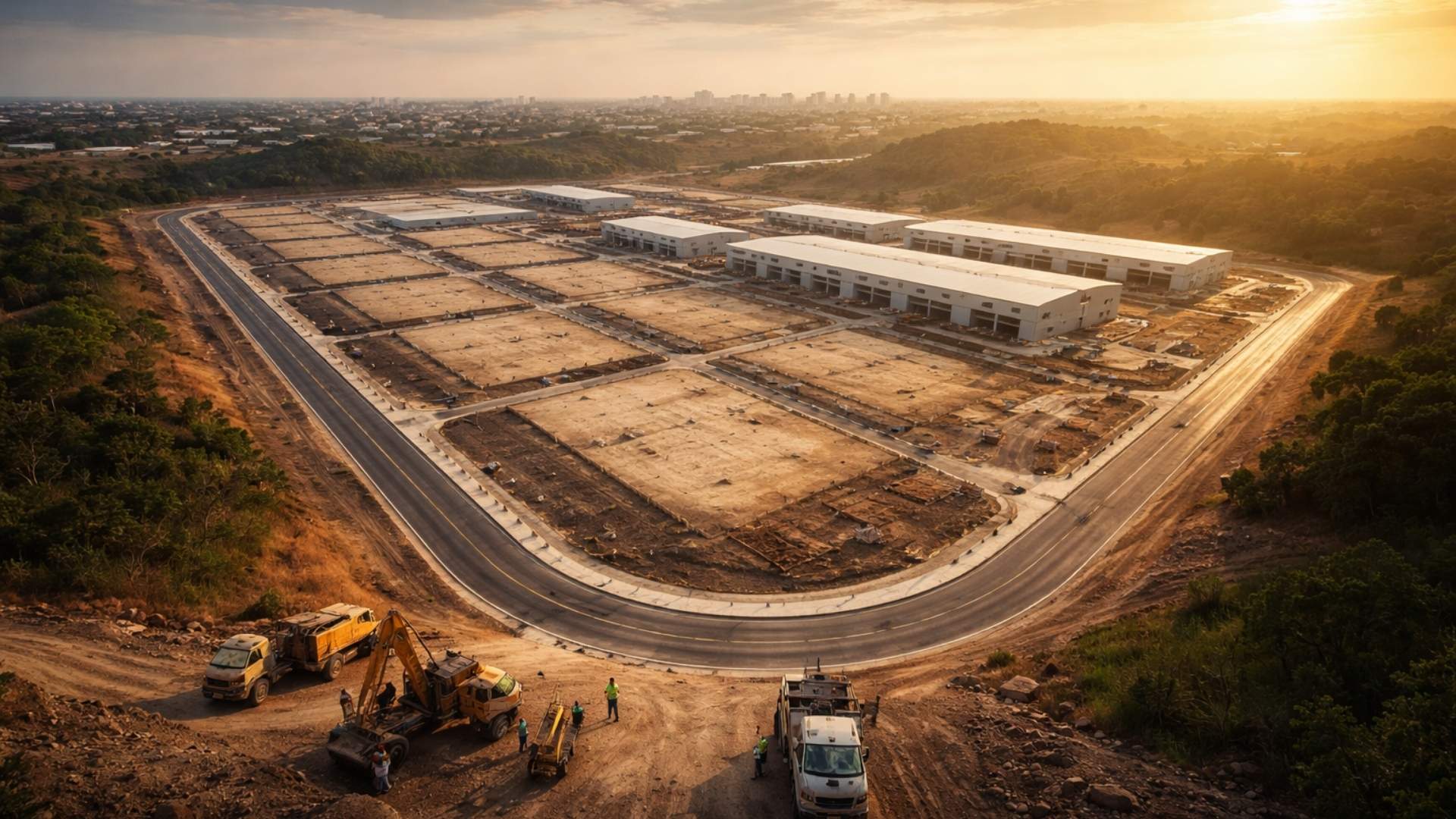
Brazilian city gains industrial hub for 85 companies that is equivalent to 55 football fields.

-
Peugeot and Citroën factory in Argentina cuts production by half and opens a layoff program for more than 2,000 employees after Brazil drastically reduced purchases of Argentine vehicles.

-
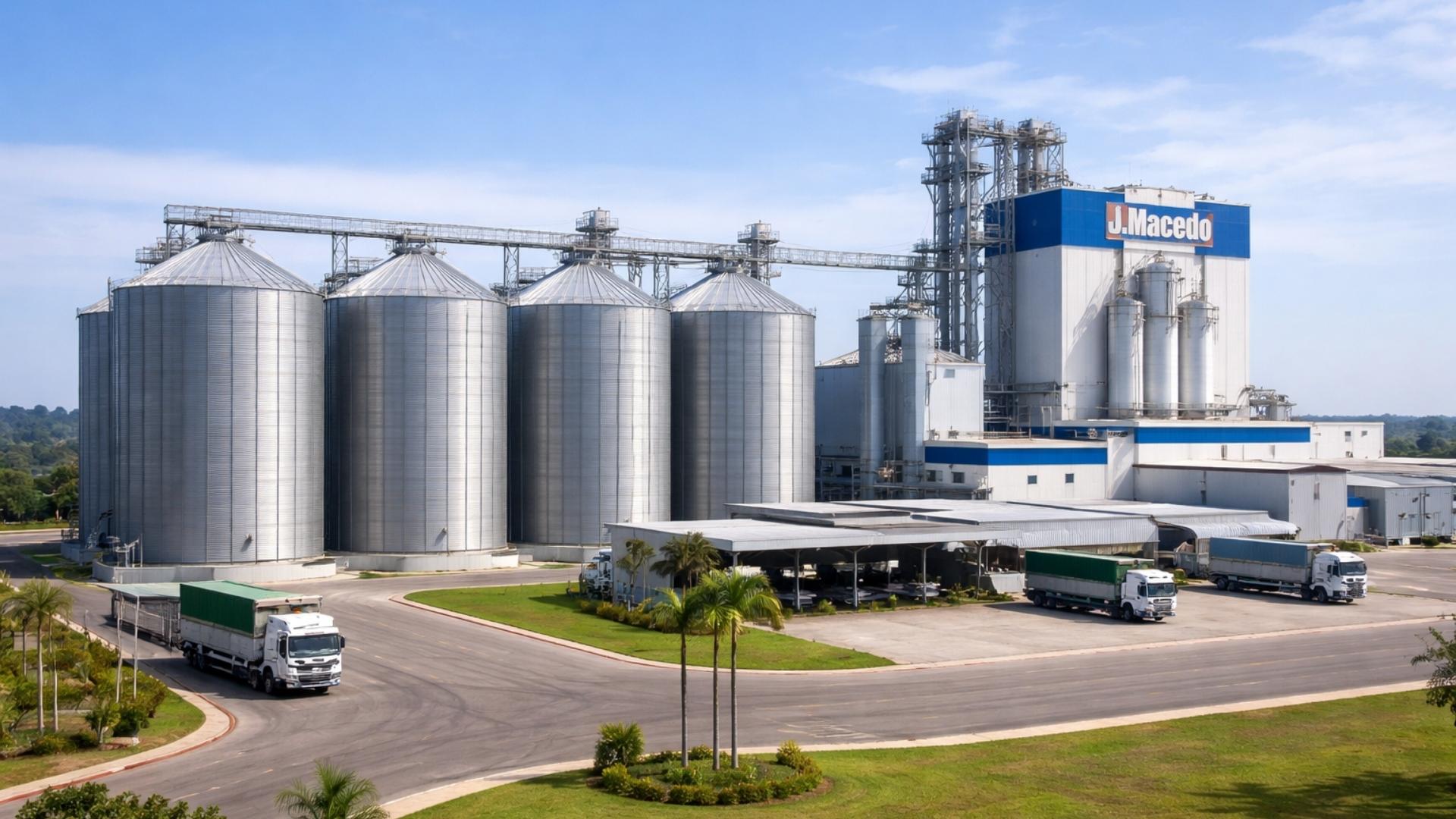
A Brazilian city gains a factory worth R$ 300 million with the capacity to process 200 thousand tons of wheat per year, a mill of 660 tons/day, silos for 42 thousand tons, and an industrial area of 276 thousand m².
-
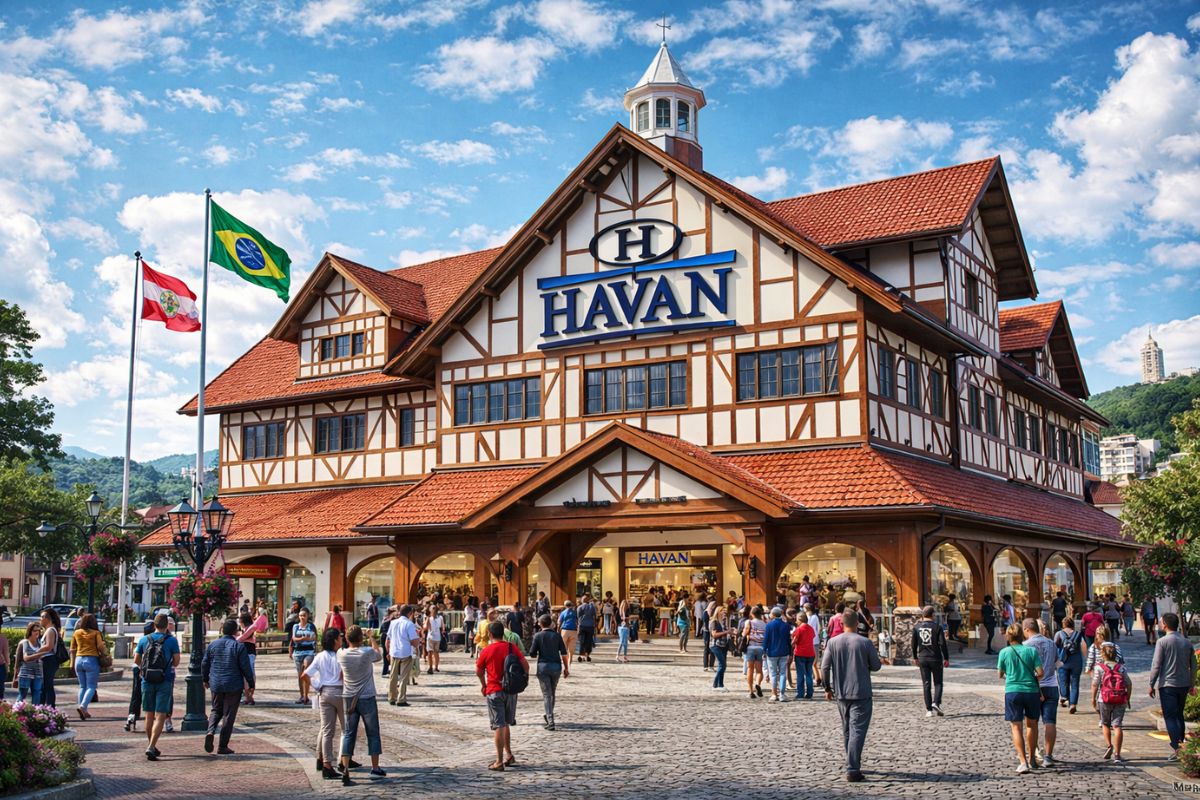
Havan will leave the shopping mall in Blumenau to inaugurate something that the chain has never done before: a megastore in half-timbered style in the Historic Center of the city, which is expected to be completed in May and change the landscape of local retail.

Bruno Imaizumi Associates The Post-Pandemic Scenario With The Increase In Oil Prices In The International Market
According to the analysis by Bruno Imaizumi of LCA Consultores, the appreciation of oil began with the recovery of economic activity after the Covid-19 pandemic passed its most critical period.
Imaizumi explained that, in July 2021, vaccinations began, allowing individuals to feel safer about returning to circulation, leading to increased global demand for oil. Therefore, he stated, oil prices began to rise, along with fuel sales, which resulted in increased stock prices for Petrobras.
Last week, Brent crude oil, which is typically used by Petrobras, closed at US$ 110, representing an increase of 2.68%. This phenomenon is linked to expectations of reduced global supply, given the ongoing conflict in Eastern Europe and reports of lower production in June by the Organization of the Petroleum Exporting Countries and Allies (OPEC+).
Joelson Sampaio, an economist and professor at Fundação Getúlio Vargas (FGV), believes that the commodity price should continue to rise throughout the year, which will further contribute to the appreciation of the state-owned company.
Adriano Pires Assesses The Appreciation Of Petrobras And Also Relates It To The Import Parity Price Policy
Adriano Pires, director of the Brazilian Center for Infrastructure (CBIE), who was nominated for the presidency of Petrobras this year, believes that another contributing factor to the increase in the company’s value was the maintenance of the import parity pricing policy.
Furthermore, the high prices of derivatives like gasoline and diesel contributed to Petrobras achieving a profit of R$ 54.3 billion in the second quarter of this year.
Pires also highlights that the reduction of Petrobras’ debt, which decreased by 9% compared to the first quarter and is now at US$ 53.6 billion, demonstrates the state-owned company’s ability to recover.
Thus, in light of this scenario and the record value of dividends announced at R$ 87.8 billion, the shares have become attractive to the market.
From this perspective, the CBIE director believes that the shares, if excluding the political effects of Petrobras being a state-owned company, could be even more valued. Pires stated that the company operates in a capital-intensive sector that requires significant investments; however, there is discontinuity in its management. This is because, every four to eight years, the majority shareholder—who is the government—is changed, which ends up affecting the company.








Seja o primeiro a reagir!