Portuguese
  Spanish



Under Pressure From The United States, OPEC+ Decides To Maintain Oil Production Expansion Plan Despite Doubts About Possible Increase
Last week, it was established by the Organization of the Petroleum Exporting Countries (OPEC) and allied countries, known as OPEC+, that oil production in August will be increased by 648,000 barrels per day. In June, the oil cartel had already signaled an agreement to promote an increase in fuel supply among the group’s members.
In this sense, the decision can be understood as an attempt to curb the global surge in fuel prices. It is also related to pressure from President Joe Biden of the United States to expand the production of the energy asset, given the escalating price scenario and sanctions imposed on Russia due to the war in Ukraine.
OPEC Expects To Return To Pre-Pandemic Production Levels By The End Of August
Thus, it is expected that by the end of August, OPEC will have finally recovered production levels observed before the COVID-19 pandemic began. The lockdowns carried out around the world caused a sharp decrease in oil demand, which was the reason the cartel had severely reduced its production.
-
With a record production of nearly 3 million barrels per day, Petrobras resumes importing diesel in July, highlighting the bottleneck in Brazilian refining.

-
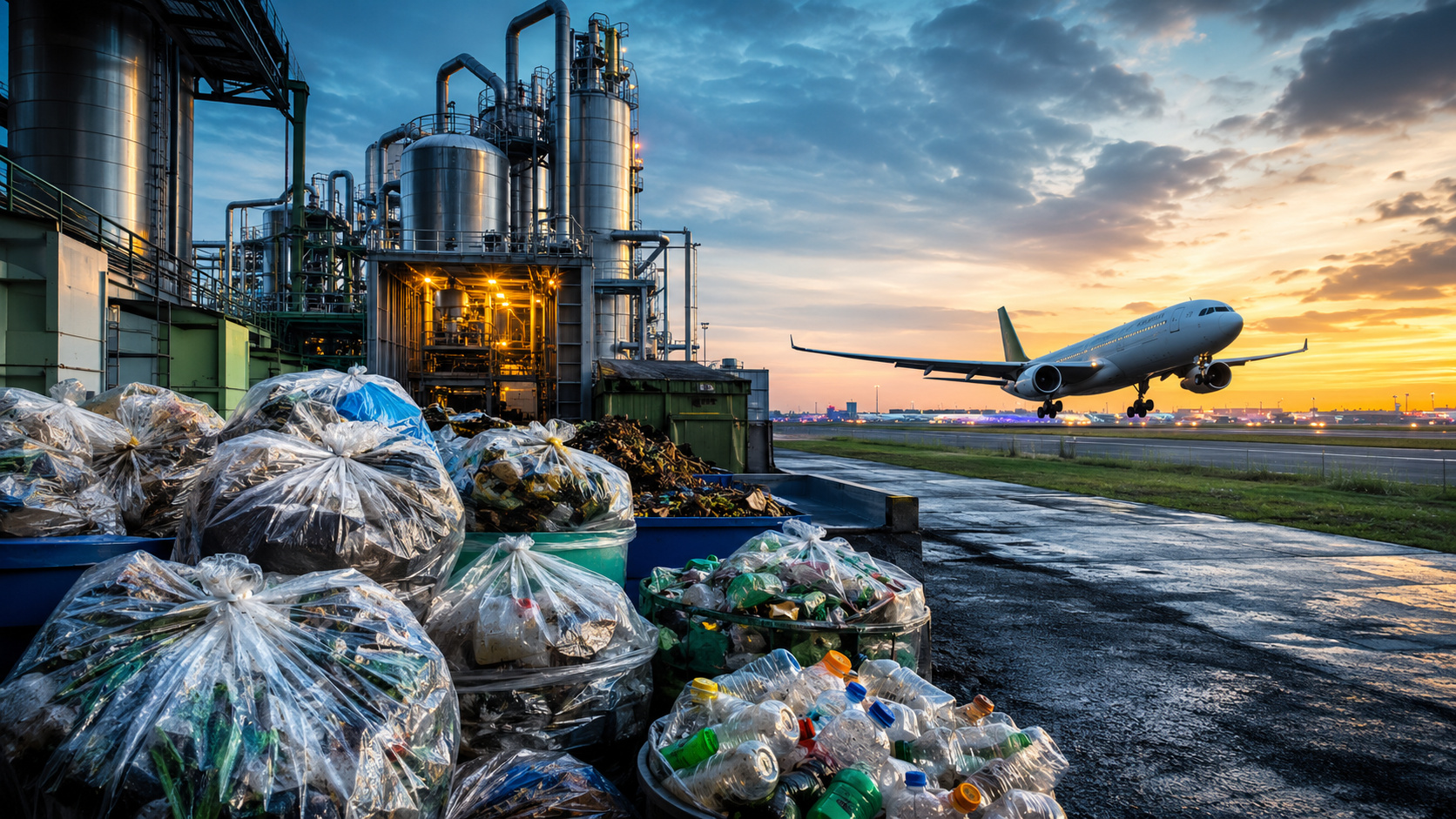
Qantas and Airbus Invest in Company Aiming to Convert Unsorted Household Trash into Jet Fuel

-
Brazil’s ANP Opens 86 New Oil Blocks in the Equatorial Margin, Expanding the Amazon River Mouth Frontier

-
OPEC+ Boosts Oil Supply by 188,000 Barrels per Day in July 2026, Leading to Price Drop from $112 to $89 per Barrel in Under Two Months
Now, OPEC ministers and their 10 allied countries, which include Russia and Mexico, are set to hold a new meeting on August 3.
In Light Of The Global Scenario, There Are Doubts That OPEC Can Meet The Agreed Production Adjustment
It is important to note, however, that despite the group’s decision, OPEC’s oil production often falls short of the established target, raising doubts about the cartel’s ability to meet promised supply volumes. This is due to some countries in the alliance still facing factors that limit their production. Libya, for example, is undergoing a severe political crisis among opposing governments, thus affecting its main source of income, which is oil production.
There are also other countries, such as Nigeria, Congo, and Equatorial Guinea, that have already failed to meet their production targets due to a lack of investments in the sector amid the pandemic. Even model countries like Saudi Arabia and the United Arab Emirates are experiencing difficulties in increasing their production volumes, as stated by French President Emmanuel Macron last week.
Finally, it should be remembered that since February, when the invasion of Ukraine occurred, Russia, one of the world’s most important oil producers, has faced embargoes from the United States and the European Union, joining other countries under sanctions, such as Iran and Venezuela.
Analysts Assess That, Contrary To Expectations, Oil Prices Should Rise Even More
In this regard, Stephen Brennock from PVM Energy stated that OPEC+ oil production, despite the recent agreement, is not expected to increase further during July and August. Additionally, Ipek Ozkardeskaya, an analyst at Swissquote Bank, warned that supply issues will remain the main concern related to oil currently, so prices are likely to rise even more unless fears of a recession lead to a drop.