





 Portuguese
  English
  Spanish
 8 min of reading
  56 comments


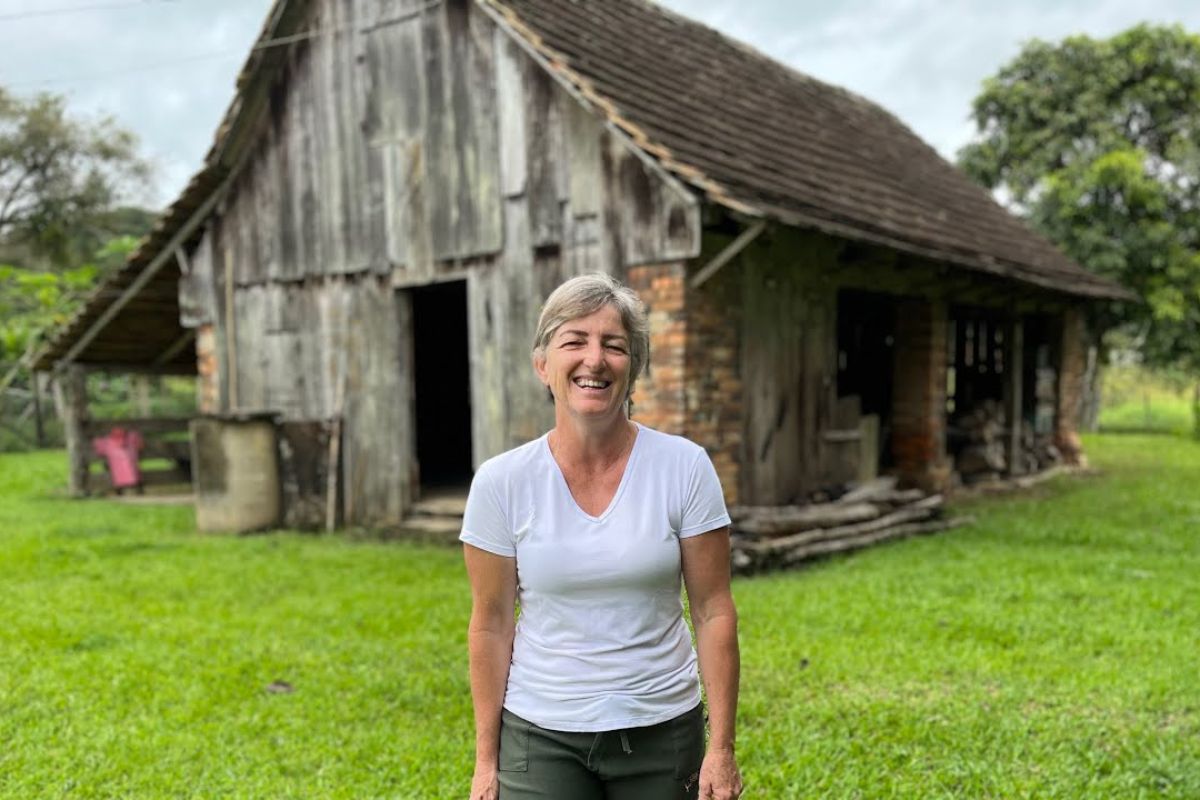


Alone in a House Over 100 Years Old, Eliane, Third Generation in Ascurra, Crosses Rice Fields and Italian Relics to Tell How the Family Held the Farm with Drip Coffee, Old Tools, and Hard Work, from Her Father’s Stroke to the Sale of Land That Funded the Children in the City Today.
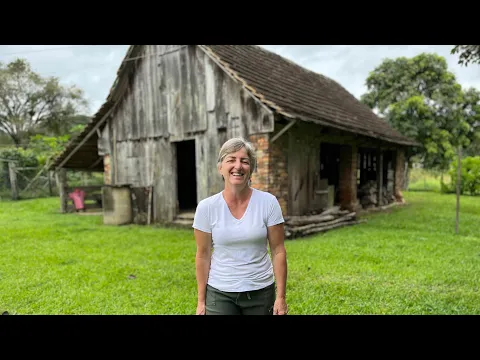
Alone in a house over 100 years old, Eliane opens the door to a century-old home in Ascurra and transforms what seems merely like landscape into a life inventory. Among the rice fields that surround the property, she recalls a sequence of family breakups that changed the routine of the farm between 1973 and 1974 and redefined the house until 1985.
The account begins in what the family calls the “history of the house,” but soon turns into a map of domestic and rural work. The interview, recorded at the property itself, retrieves memories of Italian immigration, neighborliness, displacements, losses and survival, with details of cooking, ranching, and farming that explain why the house remains standing between 1973 and 1985.
Ascurra, Rice Fields, and the Daily Isolation of a Century-Old House

The path to the door of the property already describes the context: rice fields on both sides, rural area, and a house that has crossed generations.
-
Italian researchers have detected what appears to be a second Sphinx buried under the sands of Egypt, and satellite scans reveal a gigantic underground megastructure hidden beneath the Giza Plateau for over 3,000 years.

-
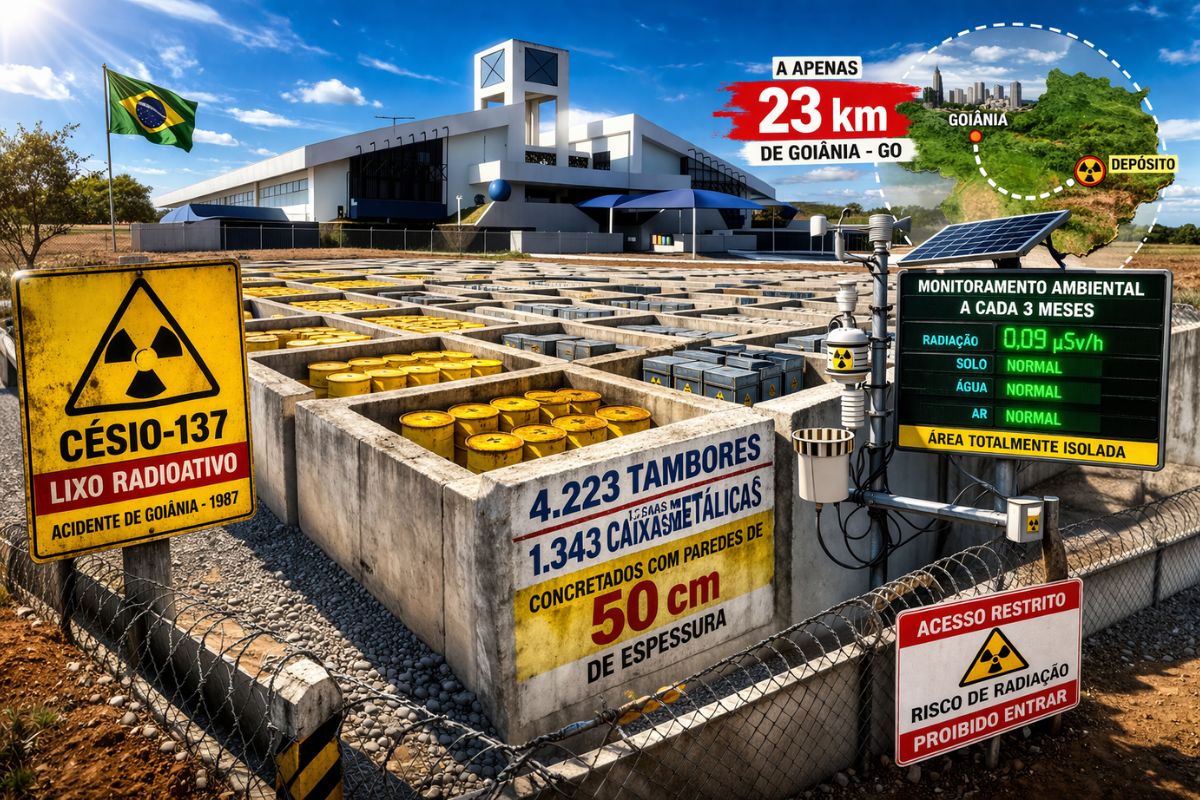
There are 4,223 drums and 1,343 metal boxes concreted with 50-centimeter walls that store the radioactive waste from Cesium-137 in the worst radiological accident in Brazil, just 23 kilometers from Goiânia, with environmental monitoring every three months.
-
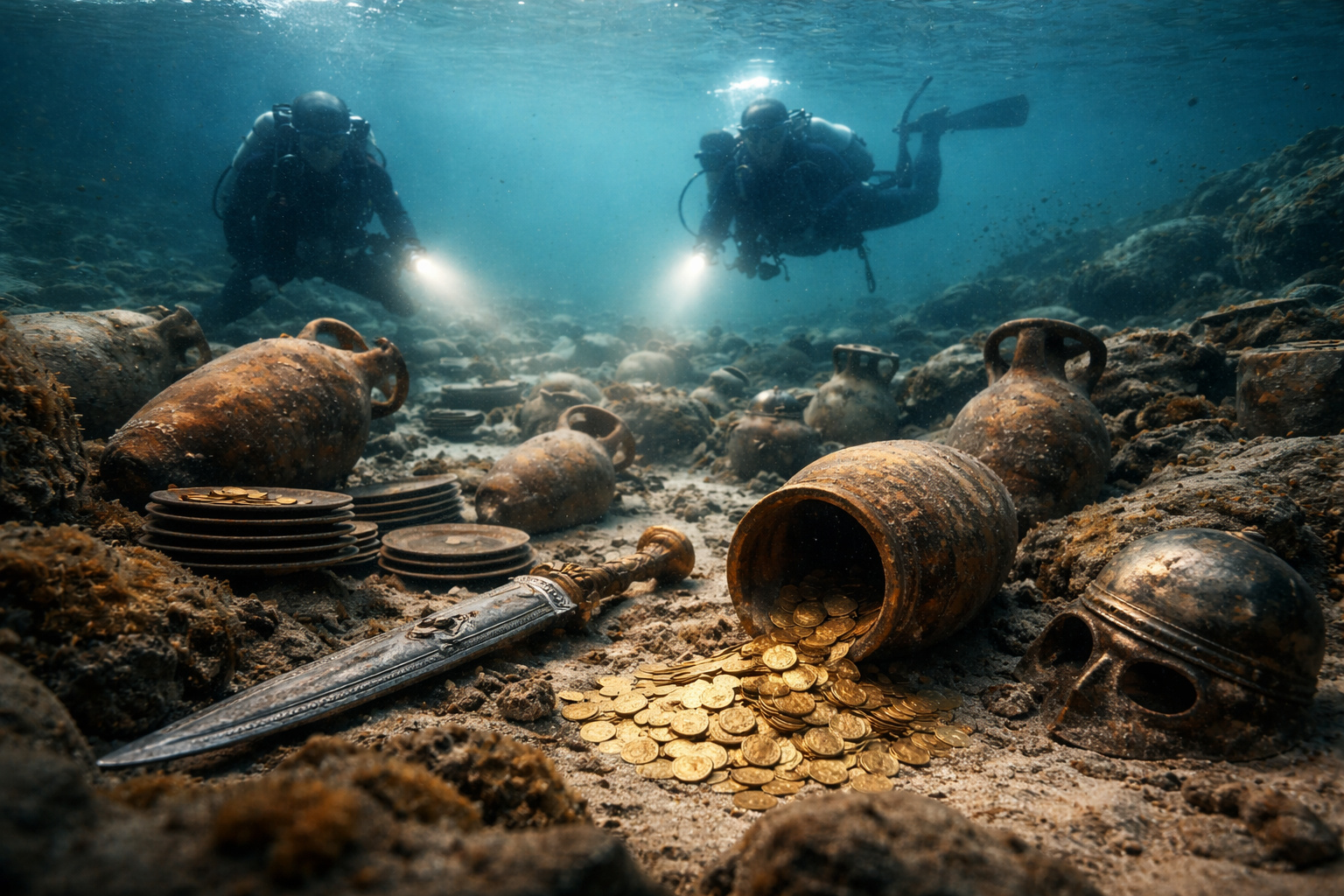
Giant Roman treasure found at the bottom of Lake Neuchâtel in Switzerland reveals an advanced trade system, circulation of goods, and armed escort in the Roman Empire about two thousand years ago.
-
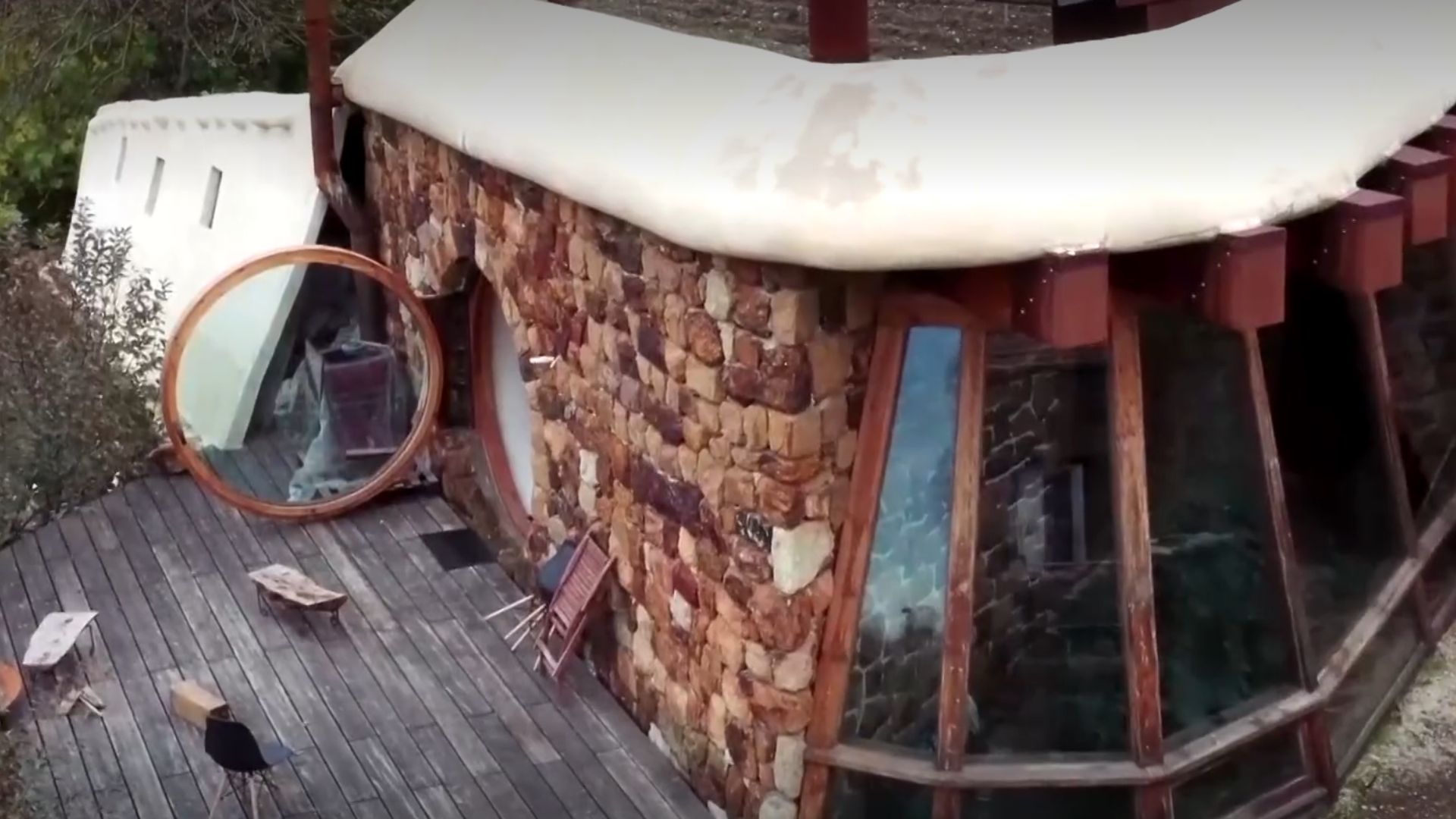
He buried 1,200 old tires in the walls to build his own self-sufficient house in the mountains with glass bottles, rainwater, and an integrated greenhouse.

The landscape is not a neutral backdrop. It indicates the type of local economy, the rhythm of work, and the distance between the farm space and the urban life to which part of the family migrated.
Inside the house, the logic is one of preservation out of necessity.
Living alone in a house over 100 years old requires a routine of maintenance, vigilance, and organization of spaces, because the large house, with cellars and annexes, does not function like a compact dwelling.
In Ascurra, the old house also operates as an archive: each room holds a purpose and a time.
The House’s Family Tree: Widowhood, 11 Children, and the Arrival of a New Mother
Eliane reports that her father, Leopoldo, had 11 children in his first marriage and became a widower when his first wife died young, at 44 years old.
The sequence opened a period in which the family remained in the house and needed to reorganize the upbringing of the children, with widowhood affecting work and the division of tasks.
The new union came through a network of acquaintances.
Eliane’s mother, described as coming from Santa Maria in Benedito Novo, arrives at the house already an adult and finds nine children from the first marriage still living there.
The approach, according to Eliane, started with visits mediated by a couple known to the family.
First, the father reportedly went with this couple; later, he began to make the journey by bicycle to court her, not quite mastering the route at the start.
When the mother arrives, she is 32 years old, finds nine stepchildren at home, and faces a domestic structure already marked by mourning.
Two of the 11 children from the first marriage had already left: one to study in Rio Grande, and the oldest daughter was already married, according to the account.
Eliane also associates family identity with her parents’ Italian heritage and the vocabulary that connects generations.
In this context, the house stops being merely an address and becomes a reference of lineage, with stories of grandparents and deaths that occurred in the very property.
The century-old house thus becomes, at once, a residence, a domestic school, and a place of care, because the small children, the farm, and the management of the home coexist in the same space.
1973 and 1974: The Night of the Stroke, High Blood Pressure, and 12 Years of Care

In the account, the episode that changes the routine occurs at night, after a day of work under the hot sun.
Eliane associates the sudden illness with high blood pressure and describes the difficult logistics of the time, with a precarious crossing and help from family members to remove her father.
The central point, however, is what comes next: he remains in a state of dependence for 12 years.
This period redefines what it means to live in Ascurra and, specifically, to live alone in a house over 100 years old, even though total loneliness comes later.
The house becomes a unit of prolonged care, with someone always present for food, hygiene, safety, and support.
Eliane recounts that when her mother went to the farm, she and her brother took turns so that their father would not be left alone.
In 1985, with the father’s death, the routine changes again.
But the workload does not decrease: the family had already been shaped by years in which leaving home was not an option.
The memory of the house, for Eliane, goes through this interval from 1973 and 1974 to 1985 as a line that explains subsequent decisions.
The Farm as School: Stove, Sink, Hoe, and the Cart as Transportation
Eliane describes a gradual learning process. First, kitchen tasks to prepare lunch and allow her mother to return later from the farm.
Then, sink, laundry, and household organization, always fitting into trips to the fields and the need to care for her father.
On tighter days, her father was taken to the farm in the cart, and the family spent the day with him, bringing food and adjusting the work to the care.
It’s at this point that the narrative becomes more concrete: Eliane talks about carrying a small hoe to help, about accompanying for half a day or a full day, and of how the farm required continuous presence.
The set indicates a pattern of rural survival where the boundaries between work and domestic life are minimal.
The house, the ranch, and the farm operate as a unique system, and this explains why the old tools are not decoration: they are instruments of a way of life.
Drip Coffee as Method and Memory: From Bean to Oil Point
The drip coffee served in the house comes in as a rite and as a technique.
The account details stages that often disappear in urban routine: drying the beans in the sun to reduce moisture, separating by wind in a basin, roasting in equipment that requires constant movement, and removing from the fire at the right point.
Eliane describes the logic of the point: when the bean “releases an oil,” it’s a sign that it’s ready to come off the fire, needing to cool and “shake” to avoid burning and turning bitter.
Then, the coffee rests for about 15 minutes before being ground and prepared for drip coffee, usually made simply, without mixture.
These details matter because they connect memory and procedure.
Drip coffee serves as material proof that the house is not just a memory, but a routine that repeats and transfers knowledge between generations.
In the mansion, drip coffee also creates a common table, even when Eliane is alone in a house over 100 years old.
Old Tools, Solid Brick, and the Ranch: The Collection That Still Works
The camera circulates through support areas and exposes the structure: solid bricks laid “lying down,” annexes such as ranch and preserved work objects.
The house is described as being over 100 years old, with pieces and constructions associated with the same period.
The old tools appear as part of the flow of life. There are manual equipment for roasting and grinding, and items of repeated use in the house, associated with coffee production and stage control.
Even when part of the process is already motorized, Eliane emphasizes the learning of the old method and keeps the old tools stored and ready.
The practical effect is twofold. First, the collection reduces dependence on external services in the rural area.
Second, establishes a “family manual” in objects rather than on paper.
For someone living alone in a house over 100 years old, having old tools accessible also means autonomy for small daily decisions.
Living Alone in a House Over 100 Years Old: Working Outside, Support from Brother, and Staying in Ascurra
Eliane states that she works outside as a monthly paid employee and that, despite living alone, she is not completely isolated: she mentions her brother who lives in the city, in Jaraguá do Sul, and mentions support and presence when she needs it.
The scene of drip coffee served at the table, while she repeats that she lives alone, summarizes this balance between autonomy and minimal support network.
Staying in Ascurra, therefore, is not romanticized as a simple choice.
Living alone in a house over 100 years old involves managing costs, time, and energy, in addition to keeping the house functional in a territory where services and assistance are not at hand.
The story also shows how previous decisions, such as the migration of children and family reorganization, make the mansion a center of memory, but also a daily responsibility.
The landscape of rice fields reinforces the contrast.
What seems like silence from the outside can be, inside, a full agenda: taking care of large spaces, preserving objects, controlling humidity, opening and closing areas, and maintaining habits, such as drip coffee, that structure the day.
What the Story Reveals About Rural Memory and Domestic Heritage
Eliane’s account exposes a point that rarely appears in reports on immigration or rural life: memory is not just in photos, but in tasks, old tools, and repeated techniques.
The story of Ascurra, from this perspective, is less about tourism and more about long-term domestic infrastructure.
It is also a story about invisible care work.
By situating 1973 and 1974 as a turning point and 1985 as the end of the hardest period, Eliane gives a temporal dimension to what, from the outside, could seem merely “simple living.”
There is no simplicity when survival depends on routine, discipline, and support networks, especially in a large, old property.
Eliane’s narrative shows how Ascurra and its rice fields may seem unchanging, but life within the mansion alters due to concrete events, with dates and consequences.
Between prolonged care, work outside, and preservation of old tools, drip coffee becomes a method of memory, and the mansion remains an active part of a family story.
If you live in the countryside, have an old house in the family, or deal with the maintenance of domestic heritage, record the stories while people can still tell them: note dates, photograph objects, identify old tools, and talk to those who maintain the rituals, like drip coffee, not to lose what is not in books.
Have you ever seen someone living alone in a house over 100 years old in Ascurra, surrounded by rice fields, with drip coffee and old tools still in use?









Assunto importantíssimo, interessante!
Nossa! Interessante essa história! Lamento as perdas. Parabéns a todos! Deus abençoe! Amém!
Onde ela trabalha como mensalista?
Se vive sozinha a aposentadoria cobre as despesas dela.
As terras estão arrendadas agora?
Só tem 1 irmão vivo?
Não tem sobrinhos que vão visitá-la?