





 Portuguese
  English
  Spanish
  4 min of reading
  0 comments



Businessman from Espírito Santo Announces Electric Sedan and Hybrid Pickup with Promise of Production and Debut at the Auto Show, but Projects Have Already Undergone Changes in Concept, Production Location, and Engine, Without Complete Technical Data Presented.
The businessman Flávio Assis from Espírito Santo, who presents himself as the “Brazilian Elon Musk”, announced the development of two vehicles that, according to him, will be present at the upcoming São Paulo Auto Show, scheduled for November of this year.
The Sedan 459 and the Campo pickup are the company’s bets from Lecar, but the trajectory of both is marked by constant changes in concept, production location, and engine.
According to automotive journalist Boris Feldman, in a video published on the channel Auto Papo, the story began with a promise to manufacture the Sedan 459 in Rio Grande do Sul.
-
The government requests the Federal Revenue Service for a new system to automate the income tax declaration, reducing errors, time, and bureaucracy for millions of Brazilians.

-
Pix in installments, international Pix, and contactless payment without internet: the Central Bank revealed the new features coming to the tool that is already used by almost every adult in Brazil.
-
Mercado Livre has just started selling medications with delivery in up to three hours to your door, and this move could completely change the way Brazilians buy medicines on a daily basis.

-
In Dubai, rising tensions from the war in the Middle East are causing super-rich individuals to leave the Gulf and direct their fortunes to a new financial refuge in Asia.


Later, the businessman announced that production would take place in Espírito Santo.
Shortly after, the strategy changed again: the sedan would be imported from China.
Later, the concept was altered from a 100% electric model to a hybrid, equipped with a flex combustion engine and batteries to power the electric motor.
“None of Lecar’s numbers add up, neither for the cars nor for the company itself,” Feldman stated, referring to Lecar.
According to him, in addition to not presenting detailed technical data, the company also does not disclose production cost estimates, confirmed investments, or industrial partnerships capable of making the projects viable.
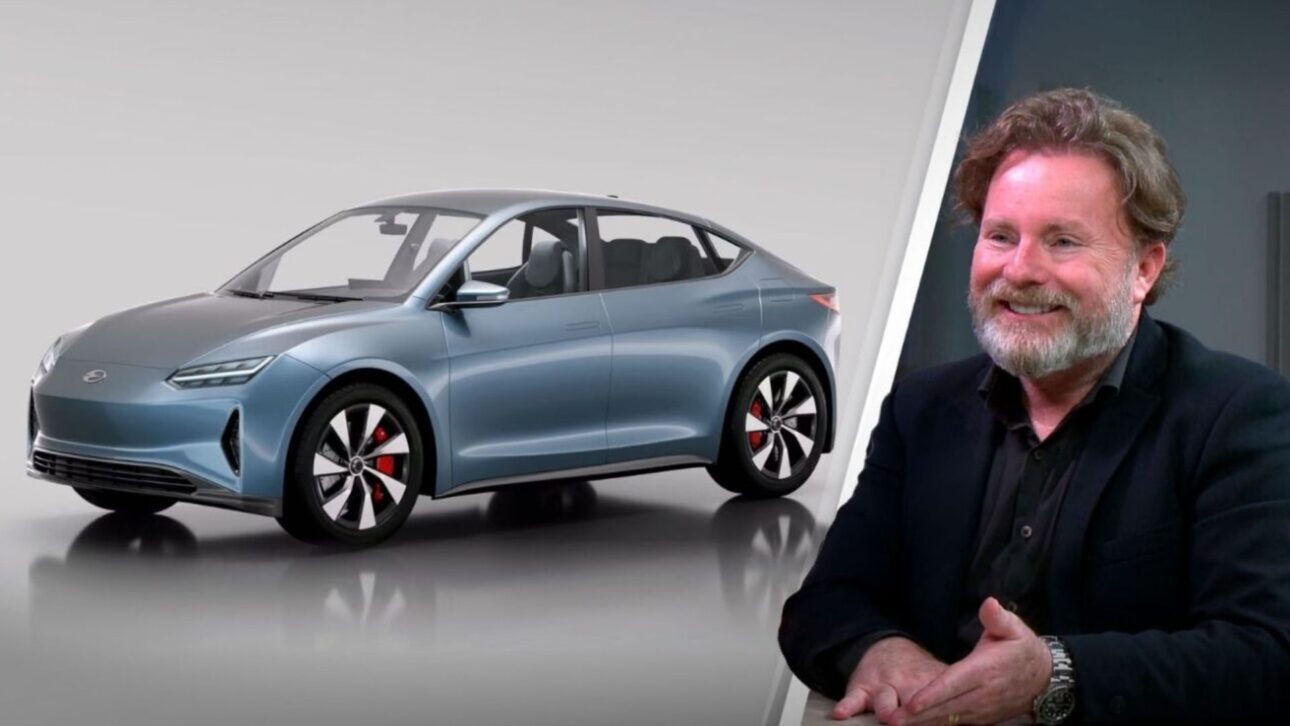
Campo Pickup Joins the Package of Promises
Assis’s second bet, the Campo pickup, was announced to debut alongside the Sedan 459.
Like the sedan, the pickup also had generic information released, without confirmed specifications regarding engine, performance, or range.
The businessman promised that both models will be on display at Lecar’s booth at the Auto Show, one of the leading events in the sector in Latin America.
The event often attracts launches from established automakers as well as prototypes from emerging companies.
Despite the expectations, there is no official confirmation that the models are ready to run, nor public documents that prove homologation with Denatran or Inmetro.
Payments Made Before the Production of the Cars by the Brazilian Elon Musk
Even without ready vehicles, some people have already made payments to reserve units.
As Feldman reported, “some people have already made payments to receive the first units.”
It was not possible to locate information about formal contracts, delivery guarantees, or exact amounts charged.
Such cases are not unprecedented in the automotive sector.
Brazil has recorded other projects announced with fanfare that ultimately did not materialize, partly due to the high technical and financial complexity required to put a vehicle into production.
Frequent Changes and Lack of Technical Data
According to the Auto Papo journalist, the project for the Sedan 459 has undergone rapid and successive changes.
In just a few months, the car went from being domestic to being imported, changed from fully electric to hybrid, and still has not presented any functional prototype tested publicly.
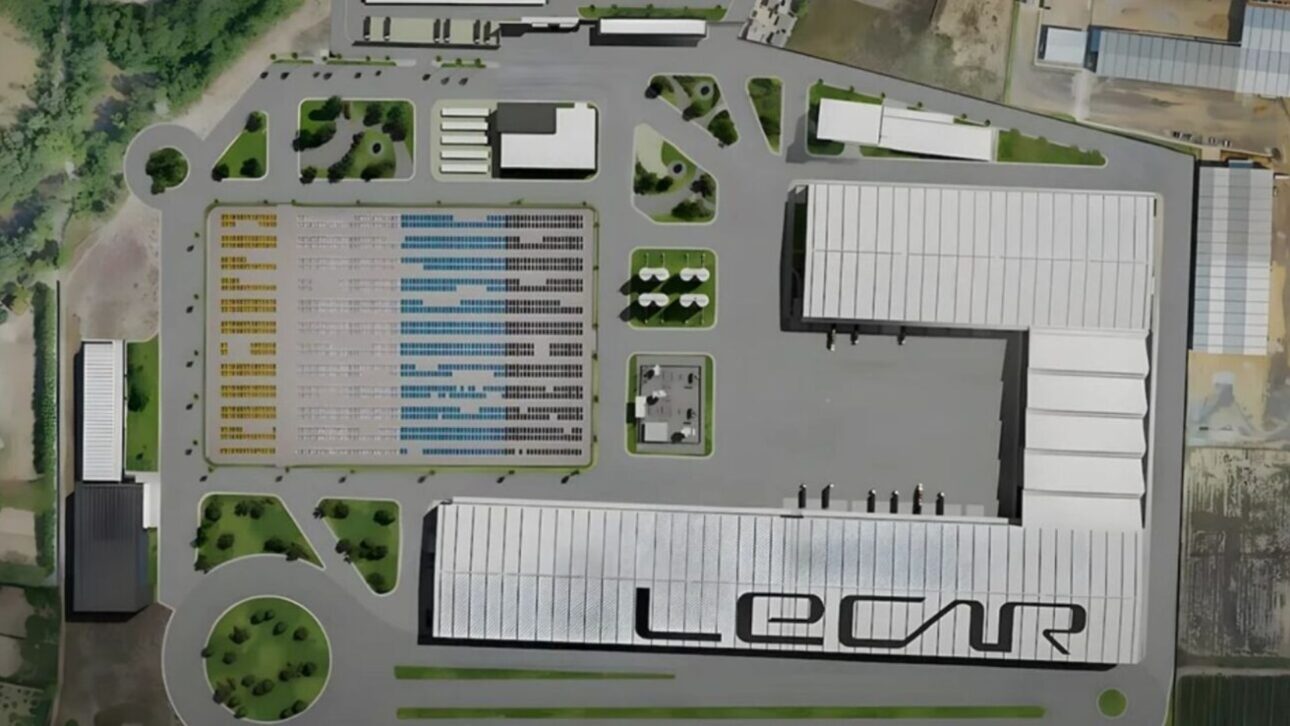
No information has been disclosed about battery capacity, charging time, combined motor power, average consumption, safety, or driver assistance technologies.
The absence of this data contrasts with the practice of traditional manufacturers, which present technical sheets and functional prototypes long before major events.
Electric and Hybrid Market in Brazil
The interest in electric and hybrid vehicles has been growing in Brazil.
According to the Brazilian Electric Vehicle Association (ABVE), more than 93 thousand electrified units were registered in the country in 2024 alone, a number 55% higher than that recorded the previous year.
Despite this, the segment faces obstacles such as high prices, high tax burden, and lack of charging infrastructure outside major centers.
Projects like Lecar’s need to address challenges of production scale, service network, and parts replacement.
These factors are essential to attract consumers and compete with established automakers.


Expectations for the Auto Show
The São Paulo Auto Show is a stage for major launches and attracts the attention of consumers, investors, and the international press.
If Flávio Assis does indeed bring the Sedan 459 and the Campo pickup to the event, it will be the first opportunity to physically evaluate the models, check the build quality, and confirm if they actually work.
Until then, skepticism remains. Without testing prototypes or detailed information, the presentation of the Brazilian Elon Musk‘s cars may end up being just a marketing stunt, with no guarantee that the vehicles will reach dealerships.
With a history of altered announcements and indefinite deadlines, the case raises a larger question: how can consumers protect themselves from promises of nonexistent products?
And you, do you believe that the Sedan 459 and the Campo pickup will hit the streets or will they be another example of projects that remain only on paper?








Seja o primeiro a reagir!