





 English
  Francês
  Alemão
  Italiano
  Japonês
  Norueguês
  Portuguese
  Spanish
  4 min of reading
  15 comments


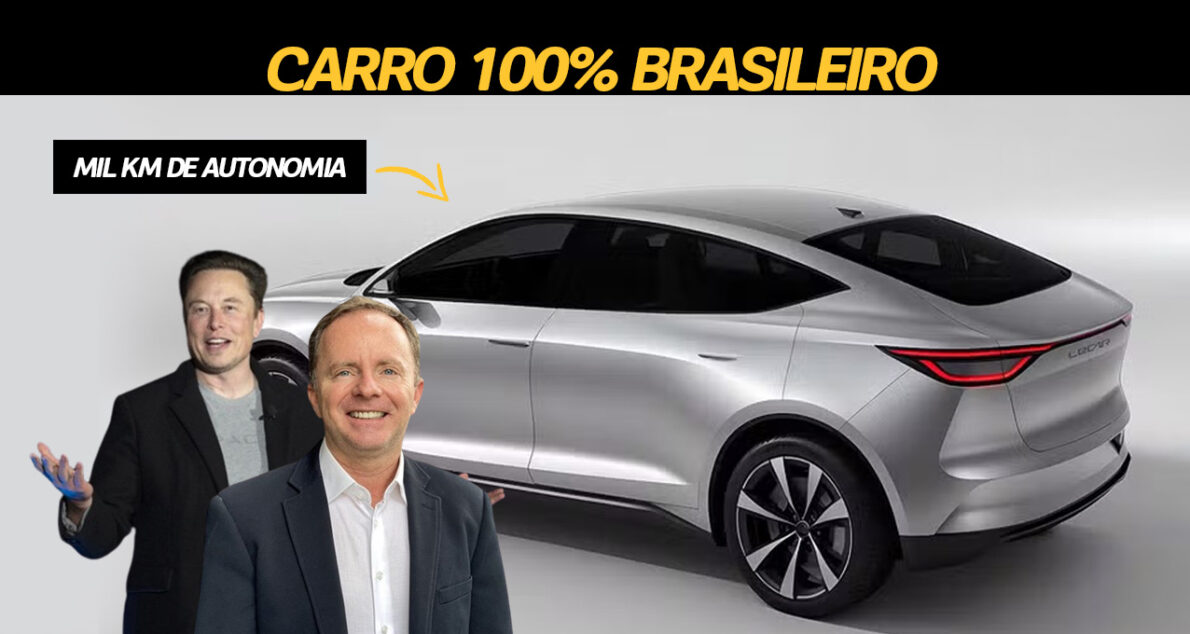

The Entrepreneur Known as the “Brazilian Elon Musk” Promises an Electric Car That Travels 1,000 km with 33 Liters of Fuel. With an Investment of R$ 870 Million, He Plans to Build a Factory for the Manufacturing of the Automobile.
Have you heard of the “Brazilian Elon Musk”? An audacious entrepreneur who promises to transform the automotive market of the country with an innovative proposal.
In times when the automotive industry is increasingly seeking sustainable and economical alternatives, Flávio Figueiredo Assis, owner of Lecar, announced an ambitious project: an electric sedan with an autonomy extender that, according to him, will be able to travel 1,000 km with just over 33 liters of fuel.
The projected investment for this enterprise, which aims to shake up the Brazilian automotive market, reaches an impressive R$ 870 million. However, the big question is: will this promise become a reality or remain just an idea?
-
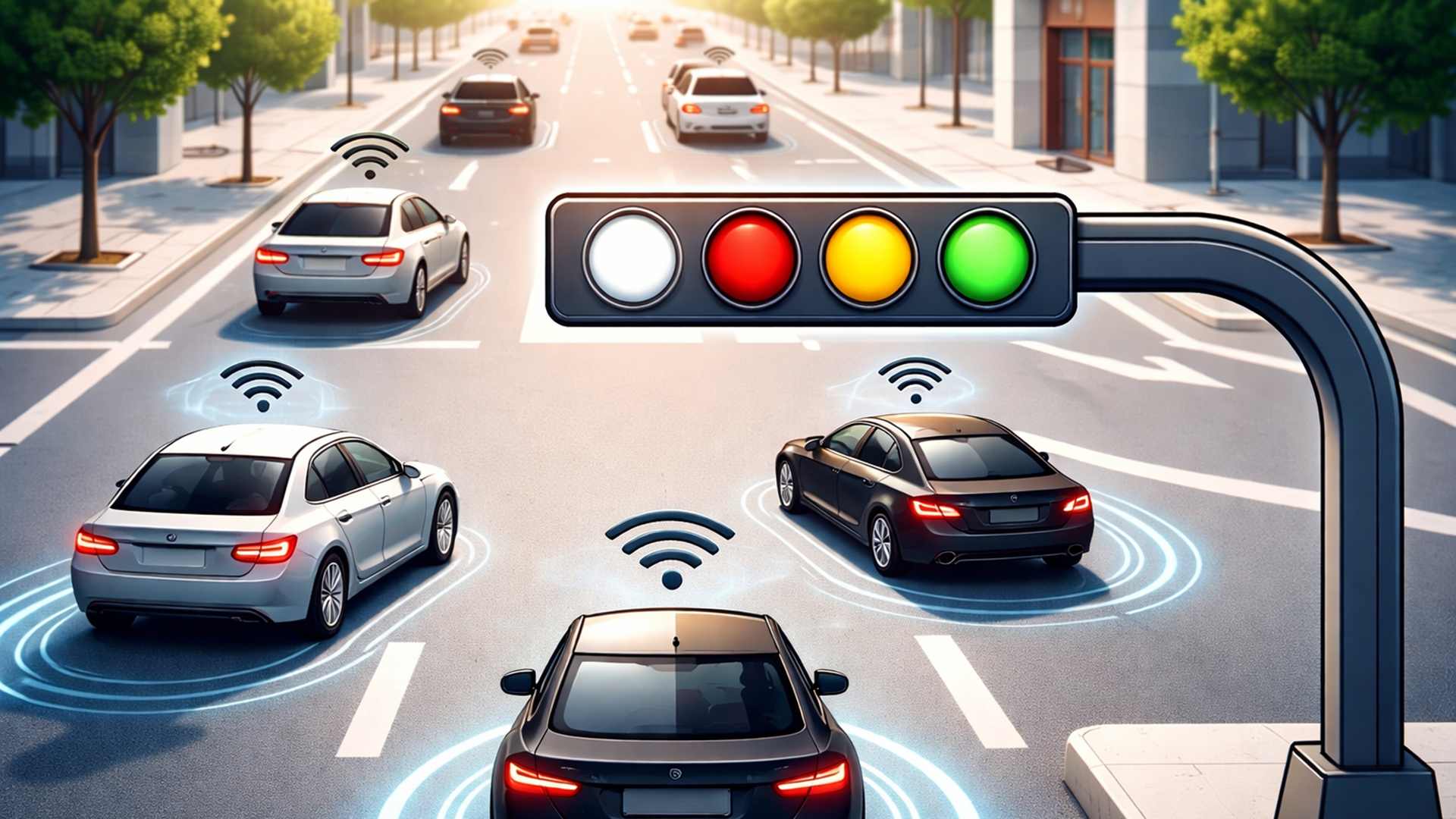
Engineers propose a fourth traffic light for intersections – the change promises to affect crossings, queues, and waiting times.
-
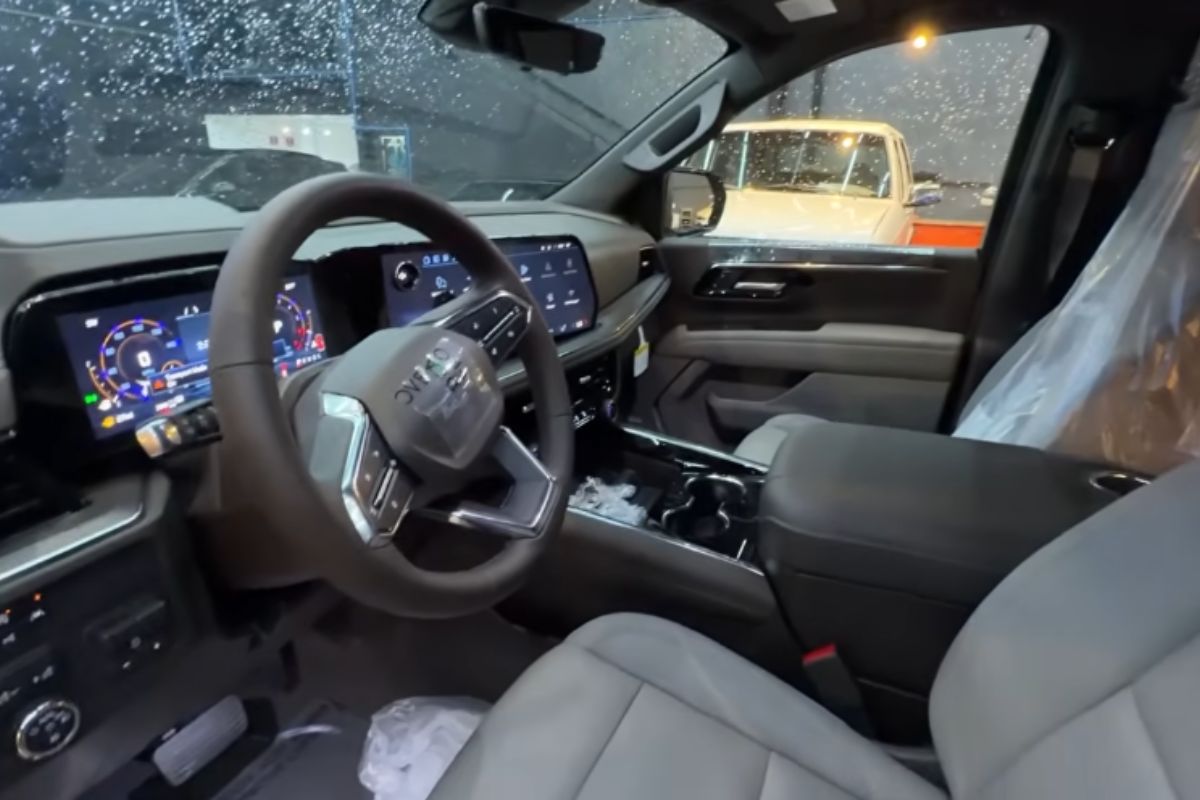
Chevrolet Suburban Z71 lands in Brazil with a V8 engine, off-road design, air suspension, seven seats, and colossal size, a rare version imported for around R$ 1.3 million with luxury and exclusivity.
-
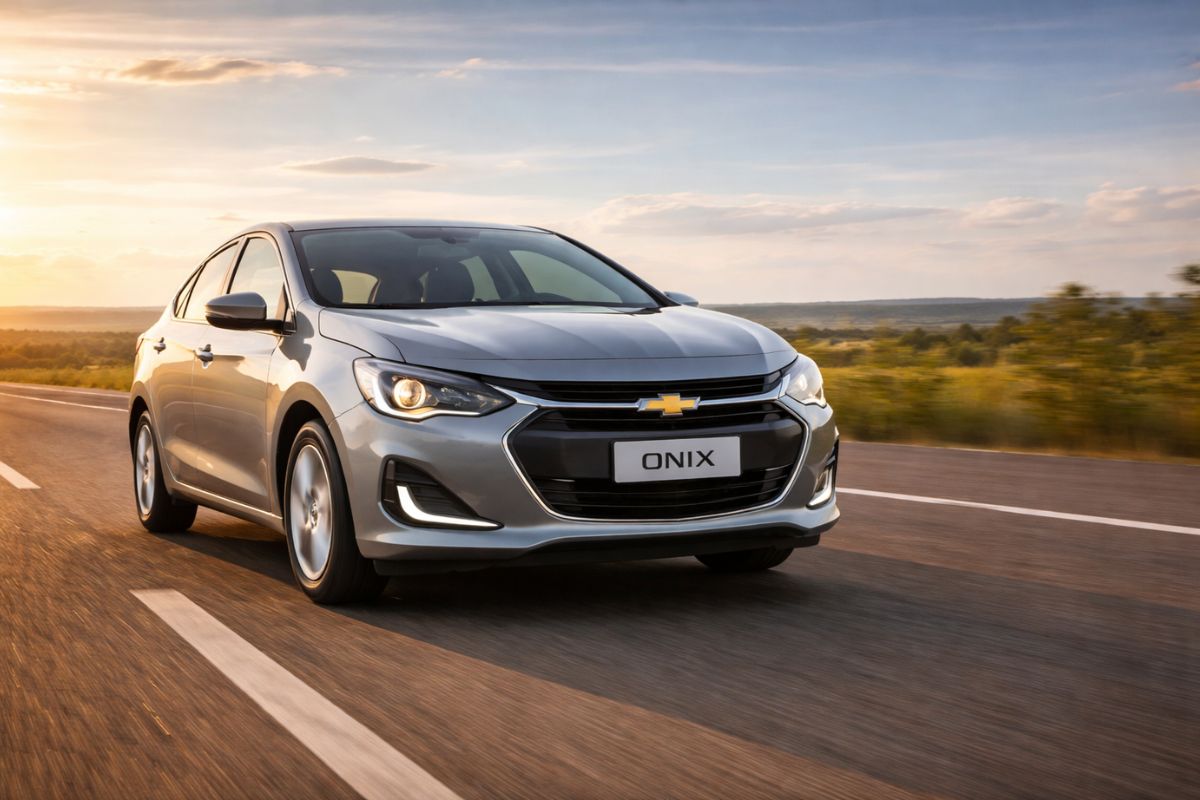
The Chevrolet Onix 1.0 turbo achieves 17.7 km per liter on the highway and ranks among the three most economical cars in Brazil in 2026, alongside two more expensive Toyota hybrids available at dealerships.
-
Little sister of the Hilux: Toyota launches Land Cruiser FJ with 4 radical versions, 2.7 engine with 166 hp and 4×4 traction with locking.

The Lecar 459 Project
The Lecar 459, the name given to the vehicle in question, has not yet moved beyond the virtual projection phase. Despite this, Assis’ plan goes beyond merely designing cars.
The entrepreneur promises to build a factory in Sooretama, Espírito Santo, about 120 km from Vitória, the state capital, to produce the sedan. The factory is expected to open in August 2026, and the facility will have a built area of 100,000 m², capable of producing up to 120,000 cars per year.
Compared to other large factories in Brazil, such as Honda’s in Itirapina (SP), which has similar production capacity, Assis’ project seems ambitious, but he is clear in stating that the investment, although lower than that of other manufacturers, is entirely feasible.
“I am not embarrassed to announce an investment well below that of other manufacturers, because ours is feasible. We see manufacturers announcing billions and billions, but we do not see that in practice,” said Assis, according to published by Auto Esporte.
The Financing Challenges
Even with the confidence shown by Assis, the project is still seeking sources of financing. Of the R$ 870 million needed, R$ 240 million would be allocated to the construction of the facilities and R$ 630 million to the automation of the assembly line. Part of this capital will come from entrepreneurs, while another part still depends on negotiations with public and private investment banks.
Lecar claims that the new factory is expected to generate about 1,500 direct jobs and another 3,000 indirect jobs, figures that highlight the relevance of the project not only for the company but also for the local economy.
Features of the Lecar 459
The Lecar 459 stands out for its promising technical specifications. Equipped with two motors, one being a 1.0 three-cylinder turbo flex from Horse, a joint venture between Renault and Geely, the sedan offers 122 hp of power and 22.4 kgfm of torque. This engine only acts as a generator to power the rear electric motor of 163 hp and 26.3 kgfm, the same used in the Kardian model.
The mechanical set allows the car to accelerate from 0 to 100 km/h in 10.9 seconds. Powered by an 18.4 kWh battery, the electric motor can provide a range of up to 100 km in 100% electric mode. However, with the help of the autonomy extender, the expectation is that the car can run up to 1,000 km on a single charge and just over 33 liters of fuel.
Design and Comfort
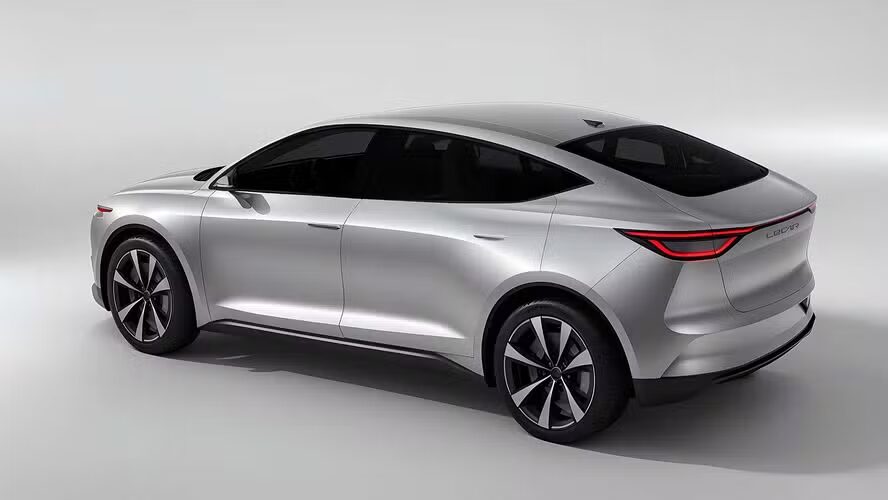
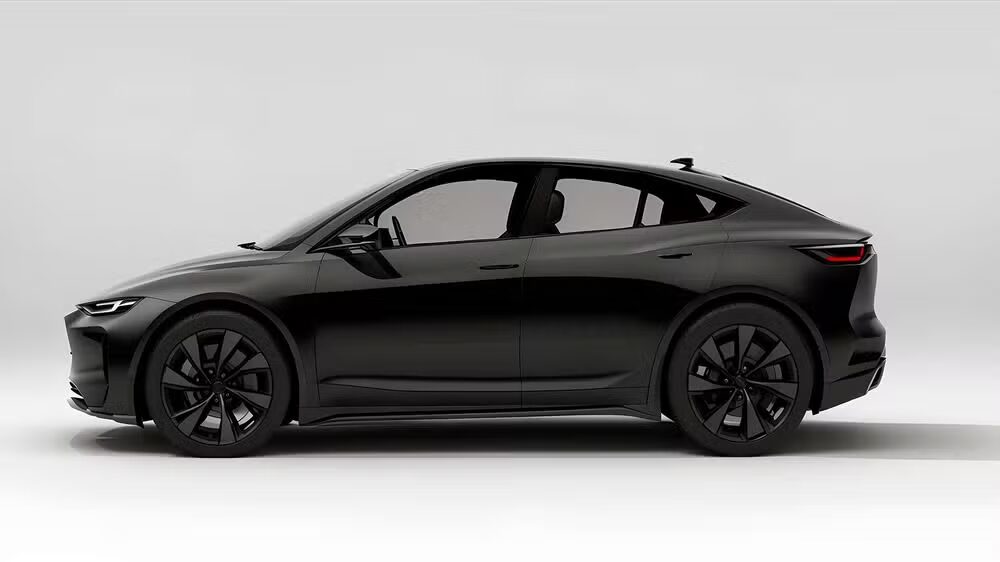
Although the Lecar 459 is still just a concept, the vehicle’s design already catches the eye. The front of the car features sharp headlights and the absence of a grille, a characteristic that may change in the final version due to the presence of the combustion engine. At the rear, the sedan boasts a coupe style, with taillights that cut across the back from end to end.
With 4.35 meters in length, 1.82 m in width, and 1.52 m in height, the Lecar 459 promises space and comfort for its occupants. The trunk has a capacity of 530 liters, and the vehicle will come equipped with an advanced technology package, including the Adas system, which offers adaptive cruise control, emergency braking assistance, lane-keeping system, and blind spot alert.
Future Still Uncertain
Despite all promises and the enthusiasm of Flávio Figueiredo Assis, the “Brazilian Elon Musk”, the future of the Lecar 459 is still uncertain.
The automotive industry is known for its complex challenges, ranging from financial viability to market acceptance. However, if Assis’ project materializes, it could usher in a new era for electric vehicles in Brazil.
Now, the question remains: does the Lecar 459 really have the potential to revolutionize the Brazilian market, or are we facing yet another ambitious project that will never get off the ground?







Brasileiro sofre de uma grave crise identitária mesmo, pq tem que chamar o cara comparando a um americano?? mano, coloca o nome dele na matéria. Só brasileiro de **** não valoriza a nossa própria cultura e capacidades! espero que esse projeto dê certo e cale a bica desses “brasileiros com crise de vira lata”.
Show de ****! Projeto brasileiro e bem fundamentado. Nada fora da realidade. Espero que dê certo. Isso fortalece a indústria, a capacidade científica e inovadora e o know how nacional. Seria um passo importante para o desenvolvimento das forças produtivas do Brasil.
Seria excelente carro nacional desenho nacional sempre disse aos colegas se tivéssemos Un motor de alimentação ao elétrico mesmo que fosse de 800 cilindradas muito Bon projetobon também daí pra frente sairá carros melhores ainda muito Bon senão tiver gasolina teremos o álcool