





 Portuguese
  English
  Spanish
  4 min of reading
  1 comment


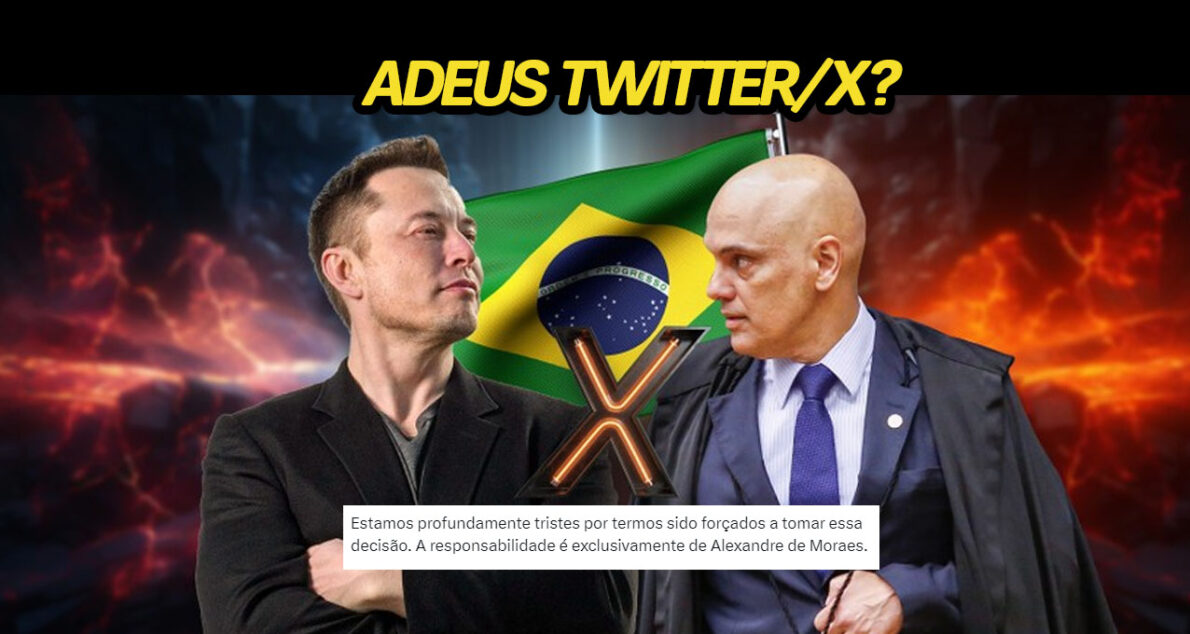

X, former Twitter, a company of billionaire Elon Musk, decides to close operations in Brazil blaming Alexandre de Moraes for legal actions it considers censorship. The end of the platform in the country raises questions about freedom of expression and the future of global social media under Brazilian regulation.
The tension between freedom of expression and digital censorship reached a new peak in Brazil. On the morning of this Saturday (17), X (former Twitter) employees in the country were surprised by an emergency meeting, where they received shocking news: Elon Musk decided to close the platform’s operations in Brazil, resulting in the dismissal of the entire team.
This drastic move did not happen by chance, but as a direct reaction to recent lawsuits that have stirred the relationship between the billionaire and the Supreme Federal Court (STF).
The decision was a strong response to court orders demanding the removal of profiles and posts, as well as the handover of user data from the platform.
-
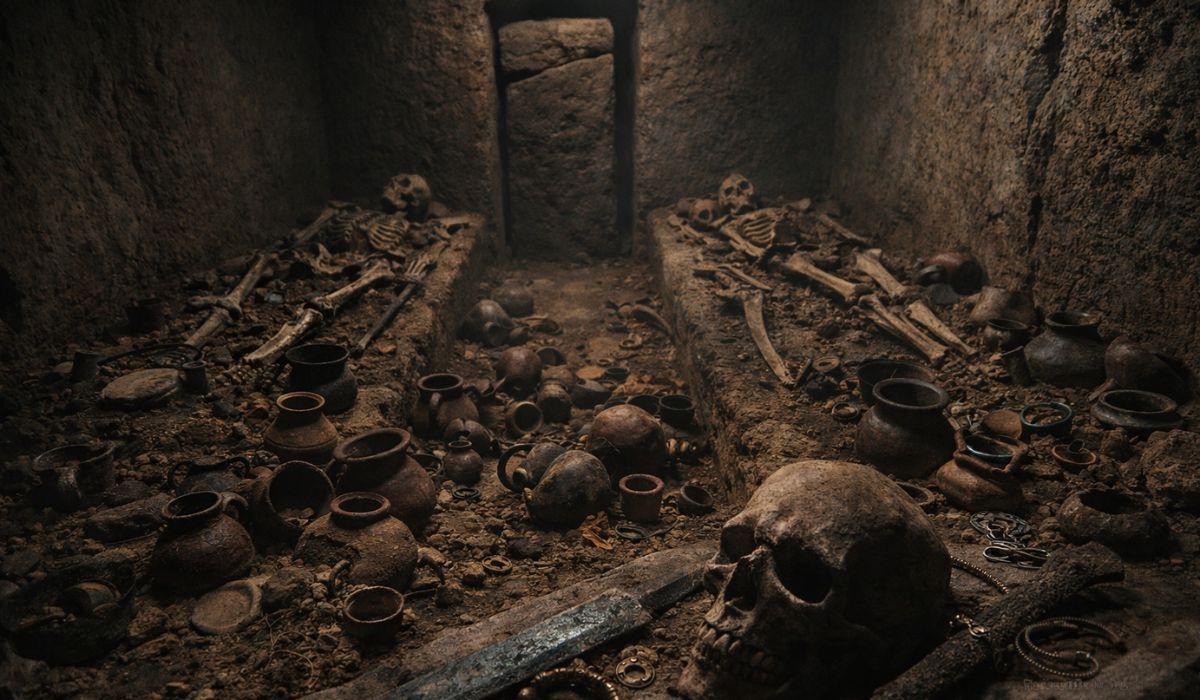
Archaeologists find an intact tomb over 2,500 years old, with more than 100 preserved objects, weapons, jewelry, and human remains never touched.
-
Volcanic lava transforms into threads as fine as human hair that travel over 30 kilometers by wind and fall like cutting rain on roofs and backyards in Hawaii and Iceland.

-
NASA issues a warning for the feared Godzilla El Niño that could change the planet’s climate in 2026 with extreme warming of the Pacific capable of causing devastating droughts in some regions and historic floods in others simultaneously.

-
Archaeologists discover a 100-meter ship graveyard in a submerged Greek city, and what has appeared on the seabed of Libya could change what was known about this ancient port.


According to reports, few details were shared with employees during the meeting, but the message was clear: Elon Musk’s network was not willing to continue operating under the conditions imposed by the STF, especially those associated with Minister Alexandre de Moraes.
Alexandre de Moraes Pointed Out as the Guilty Party
Behind the scenes, Alexandre de Moraes is pointed out as the main responsible for X’s exit from Brazil. The X profile dedicated to government relations spared no criticism of the minister, labeling his actions as “censorship” and “incompatible with a democratic government.”
The platform also revealed that, the night before, Alexandre de Moraes threatened the legal representative of X in Brazil with imprisonment if the company did not comply with his content blocking orders. This action, according to Musk, was made through a “secret order” that the company decided to make public to expose the minister’s alleged arbitrariness.
Rivalry Between Elon Musk and Alexandre de Moraes
This is not the first time Elon Musk and Alexandre de Moraes find themselves on opposite sides of a controversial dispute.
Since Elon Musk’s acquisition of Twitter in 2022, the platform has been the stage for intense discussions about freedom of expression.
Elon Musk, known for advocating a more liberal stance regarding published content on the network, has found himself in constant confrontation with Brazilian court decisions that demanded the removal of content that, according to the STF, promoted misinformation and hate speech.
The tension escalated quickly when the billionaire publicly criticized the measures taken by the STF, especially those under Moraes’s responsibility, who has acted rigorously against profiles and publications that violate Brazilian guidelines on misinformation.
The breaking point, however, seems to have been the threat of imprisonment directed at X’s representative in Brazil, something Musk deemed unacceptable and motivated him to close operations in the country.
Twitter, Former X, Still Available in Brazil
While the X service remains available for Brazilian users, the exit of the local team and the end of operations in national territory raises questions about the platform’s future in the country.
Will Brazilians continue to use a social network that, in the eyes of many, is distancing itself from local norms and regulations?
This situation also calls into question the STF’s ability to regulate global platforms like X. Are Moraes’s actions a reflection of a need for stricter control or an exaggeration that could drive major companies away from Brazil?
For experts, the decision of Elon Musk can be seen as a warning for other tech giants operating in the country. For the billionaire, “freedom of expression should not be compromised, even if it means losing an entire market.”
Will Elon Musk’s decision to close X’s operations in Brazil influence other platforms to take similar measures? Or is the STF’s stance correct in its quest to combat misinformation? Share your opinion in the comments!






A constituição federal garante o a livre manifestação do pensamento. Vedado o anonimato. Se isso não vale, então o X está certo