





 Portuguese
  English
  Spanish
  4 min of reading
  4 comments


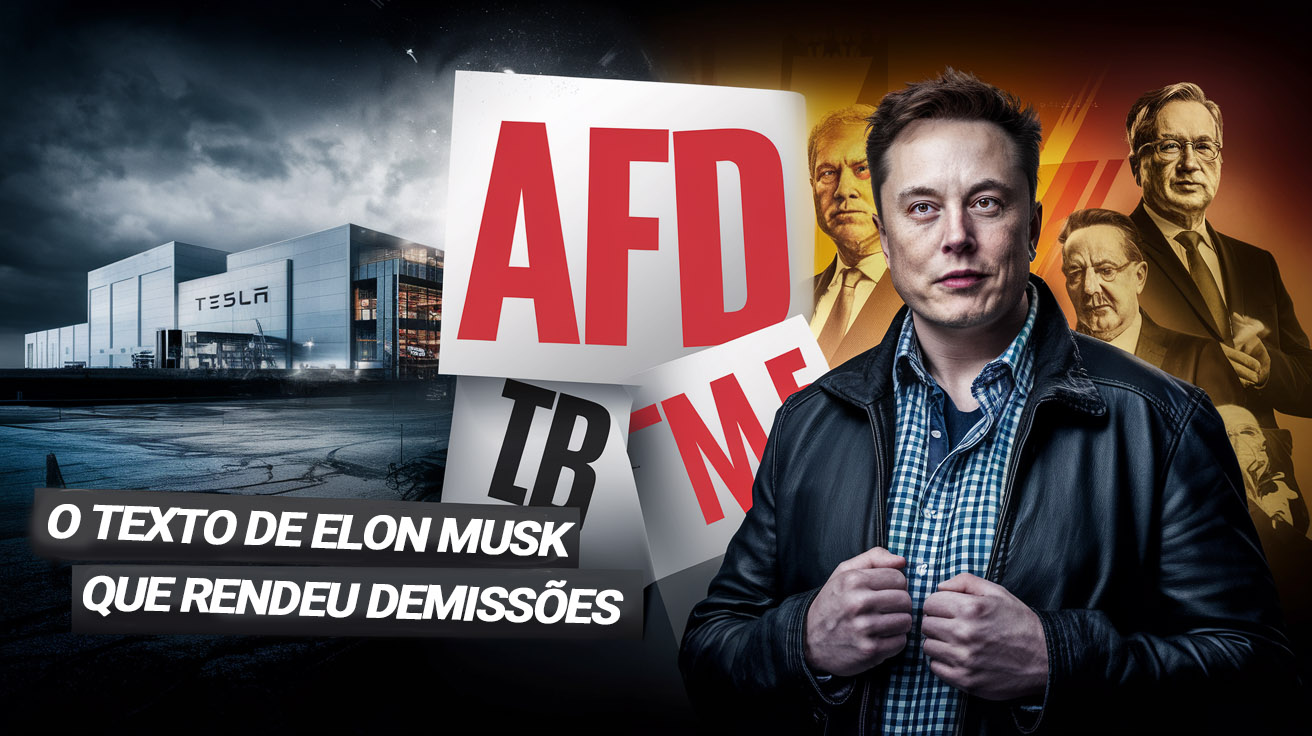


Elon Musk Shakes Up German Politics by Defending the Far-Right AfD Party in Article Published in Die Welt. The Controversy Resulted in the Dismissal of an Editor from the Newspaper and Intensified Debates on Ethics and Freedom of Expression in the Media. The Intervention Occurs on the Eve of the Parliamentary Elections in Germany, Highlighting the Political Impact of the Billionaire.
The influence of Elon Musk, known both for his technological innovations and controversial statements, has crossed borders once again.
This time, the billionaire has directly engaged in the German political debate, causing a stir in the country’s media and political environment.
The consequences were so intense that they led to a dismissal at one of Germany’s leading newspapers.
-
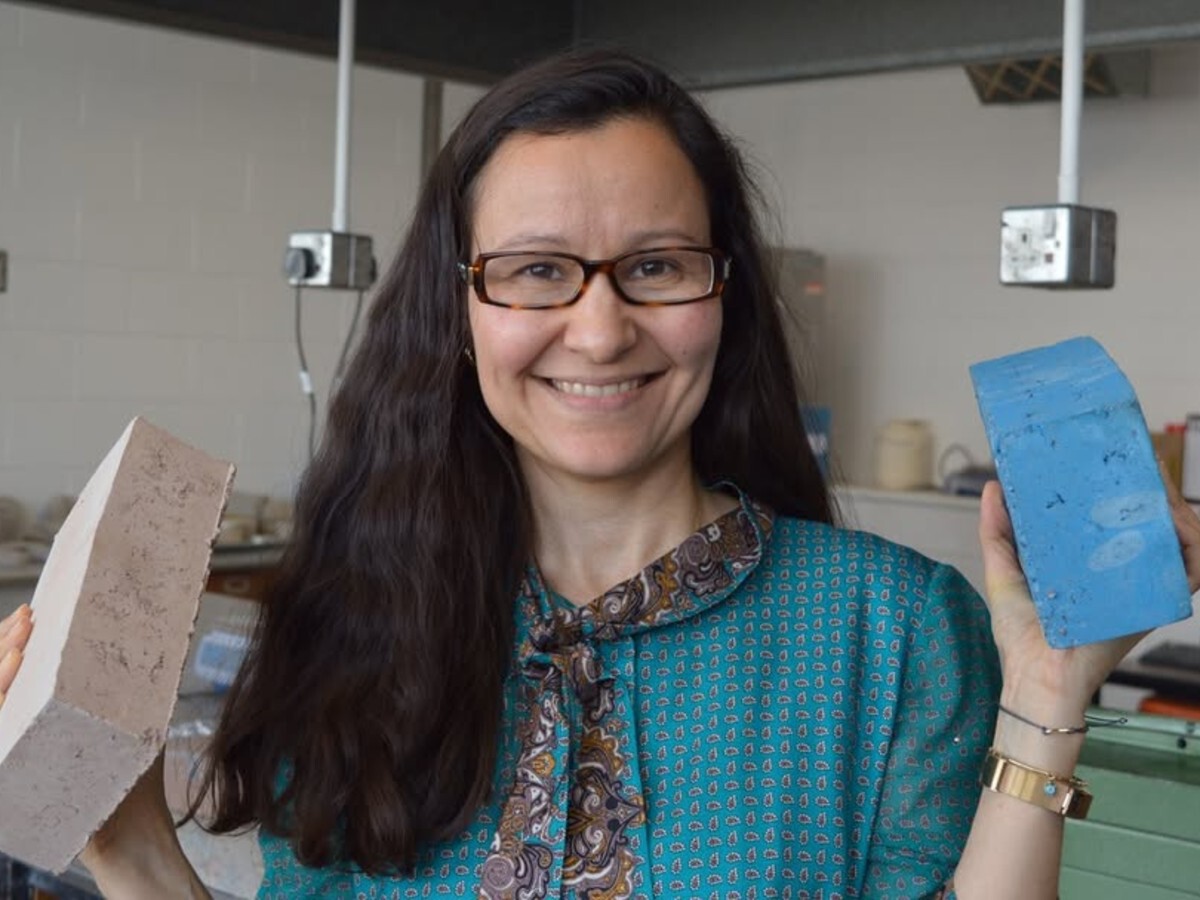
Goodbye to waste: a Brazilian created a revolutionary brick that uses construction debris, has already entered the markets of the United Kingdom and the USA, and promises to shake up the global construction industry.
-
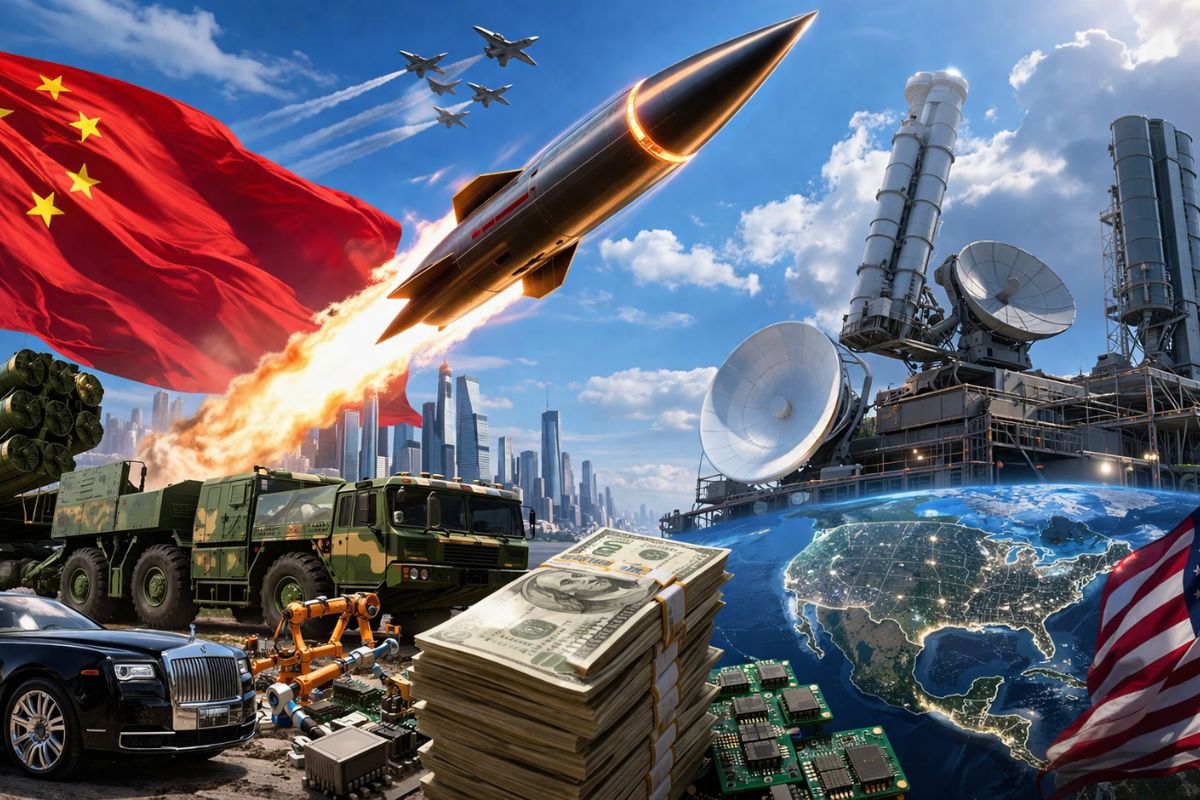
China has created a mass-produced hypersonic missile that costs the same as a Tesla, and this is changing everything in modern warfare because the United States cannot defend itself without spending millions.
-
100% Brazilian technology transforms agricultural waste into a meat-scented ingredient using fungi from the Amazon rainforest. The process does not use excessive water or chemicals, and it also increases the nutritional value of the final product.

-
Psychology reveals that adults who avoid conflicts at all costs are not balanced individuals, but rather children who learned in the worst way that expressing emotions brought punishment and now live paralyzed by the fear of expressing themselves.


Last weekend, the German newspaper Die Welt, in its Sunday edition, published an article signed by Musk in which he openly defended the Alternative for Germany (AfD) party, a far-right party.
According to Elon Musk, the AfD would not truly be extremist, a view he upheld by using an apocalyptic tone and controversial accusations, as noted by the magazine Der Spiegel.
The publication generated not only intense public backlash but also divisions within the newspaper’s editorial team.
The Political Context and the Impact of the Article
Germany is in an election campaign mood, with parliamentary elections scheduled for February 23, 2024.
Currently, the AfD is in second place in the polls, establishing itself as an important player in the political landscape.
In this context, Musk’s article was seen as an explicit attempt at electioneering, something that raised alarms in both the media and the political sphere.
The editorial board of Die Welt had already expressed concerns about the publication of Musk’s text. In meetings held the previous week, several editors voiced opposition to its release, highlighting the risk of compromising the newspaper’s impartiality.
Despite this, the text was published, resulting in the resignation of Eva Marie Kogel, the newspaper’s Opinion Editor.
In a post on the social network X (formerly Twitter), Musk also faced criticism after Kogel stated: “I submitted my resignation after the newspaper had been printed.” Kogel’s action illustrates the internal tensions that the article triggered.
Arguments by Elon Musk and Their Implications
In the article, Elon Musk argued that Germany was “on the brink of economic and cultural collapse,” a statement he used to justify his support for the AfD.
According to the billionaire, the party would be the only viable solution to reverse the situation, emphasizing that his opinion would be legitimate due to his “significant investments” in the country.
The largest of these investments is the Tesla factory on the outskirts of Berlin, the first in Europe, built at a cost of €5 billion (approximately R$32 billion).
Despite being an industrial landmark, the facility also faced opposition from environmentalists due to its location in a forest area.
Among Musk’s controversial statements is the attempt to disqualify the classification of extremist attributed to the AfD by the German Federal Office for the Protection of the Constitution.
He cited as an example the party leader, Alice Weidel, who is married to a woman from Sri Lanka. “Does this sound like Hitler to you? Please,” Musk wrote, referencing the common association between the party and extremist ideologies from Germany’s past.
Reactions from Die Welt and Other Outlets
Anticipating the negative impact, Jan-Philipp Burgard, who will become the editor-in-chief of Die Welt on January 1, published an article harshly criticizing Musk’s views.
According to the future editor, the claim that only the AfD can save Germany is “fatally wrong.”
He argued that the party advocates ideas such as the country’s exit from the European Union and “re-emigration plans” that would be xenophobic and dangerous for the country’s stability.
The magazine Der Spiegel also condemned the text, describing it as a classic example of the far-right’s dark rhetoric.
The tone used by Musk in the article was described as alarmist and detached from the current reality in Germany.
Contradictions Involving Alice Weidel
The AfD leader, Alice Weidel, has lived with filmmaker Sarah Bossard for over 20 years.
Despite this, Weidel publicly opposes same-sex marriage, a contradiction that is rarely explored in German politics due to respect for privacy.
However, Elon Musk did not hesitate to mention this issue in his article, raising further criticisms about how he approached the topic.
Impacts on the German Media
The case exposed the internal division within Die Welt, one of Germany’s most respected quality newspapers, which belongs to the Axel Springer group.
The conglomerate also publishes the sensationalist tabloid Bild and owns the site Politico. The controversy has raised debates about the ethical limits of freedom of expression in the media, especially in times of political polarization.
Final Considerations
Musk’s intervention in the German political debate reinforces his role as a polarizing figure, whose actions often transcend the boundaries of the business sphere.
His inflammatory statements and strategic decisions continue to impact not only the business world but also politics and global society. After all, to what extent can economic power influence the political landscape of a nation?






Muito boa!
Die Welt durchläuft ideologische und wertmäßige Transformationen. Wir sind Zuschauer vor Ort (weil wir am Leben sind und ihn durch die Medien verfolgen) all dieser globalen Veränderungen, und die unterschiedlichsten Medien (Fernsehen, Internet, soziale Netzwerke usw.) sind ein unersetzliches Bindeglied in diesem Prozess. Macht in den „falschen“ Händen, im Besitz und unter der Kontrolle derjenigen, die unausgeglichen sind, wird zu einer radioaktiven Zeitbombe in der globalen Gesellschaft. Macht in den Händen entzündeter Egos ist etwas, das große Vorsicht erfordert.
The world is undergoing ideological and value transformations. We are being on-site spectators (because we are alive and follow it through the media) of all this global change, and the most diverse media outlets (TV, internet, social networks, etc.) are being an irreplaceable link in this process. Power in the “wrong” hands, in possession and control of those who are unbalanced, becomes a radioactive time bomb in global society. Power in the hands of inflamed egos is something that requires great care.