





 Portuguese
  English
  Spanish
  4 min of reading
  10 comments


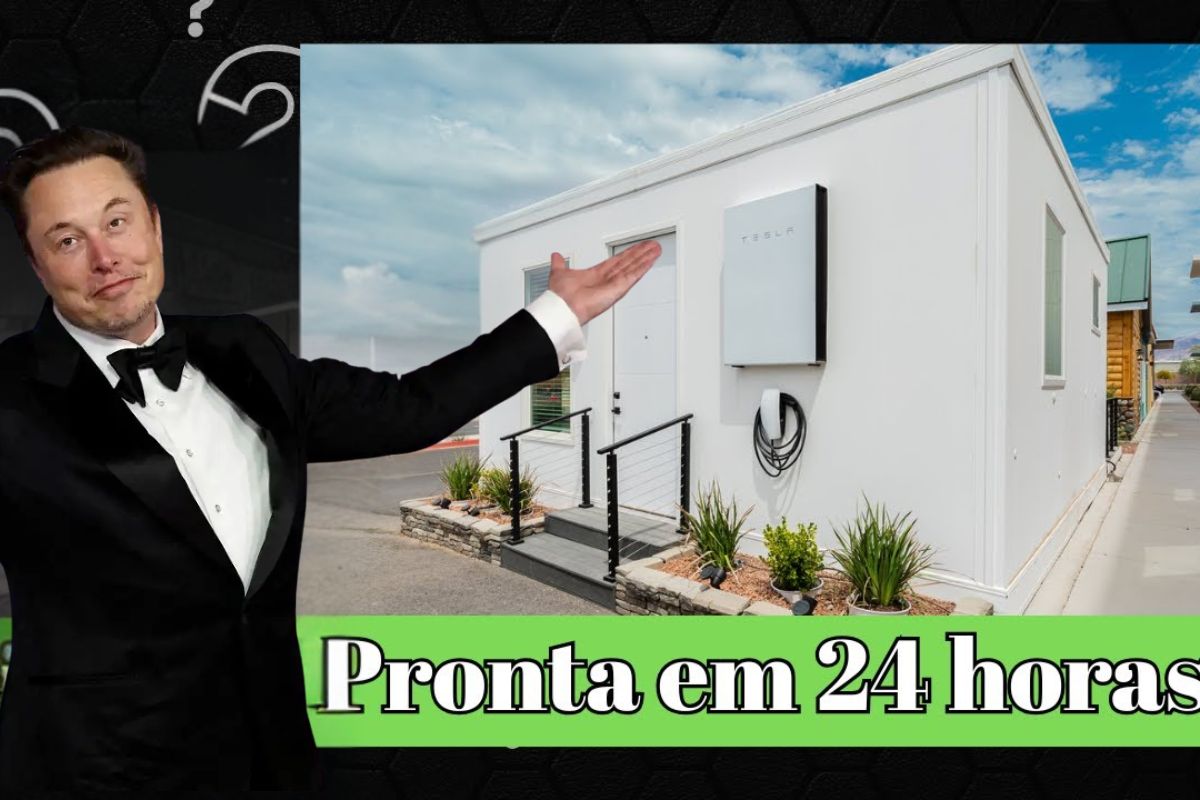


With Boxabl Technology, Elon Musk’s New Prefab House Promises Assembly in Just One Day, Integrated Solar Energy in the Walls, and a Cost of $60,000 in the United States, Paving the Way for a Global Model of Affordable and Sustainable Housing
Billionaire Elon Musk has once again surprised the construction sector with the presentation of an ultra-technological and quickly assembled prefab house. Produced by the startup Boxabl, the unit called Casita can be delivered in a two-ton container and completely installed in up to 24 hours. With 21.5 m² and a smart structure, the project combines practicality, energy efficiency, and functional design.
The Boxabl proposal follows the concept of housing industrialization, a production line model inspired by the automotive industry. The walls generate solar energy, control is automated via a Tesla app, and the house is delivered ready for use, with an integrated kitchen, bathroom, and climate control system. The goal is to enable anyone to assemble a modern and sustainable residence anywhere in the world.
Structure and Dimensions of the Casita
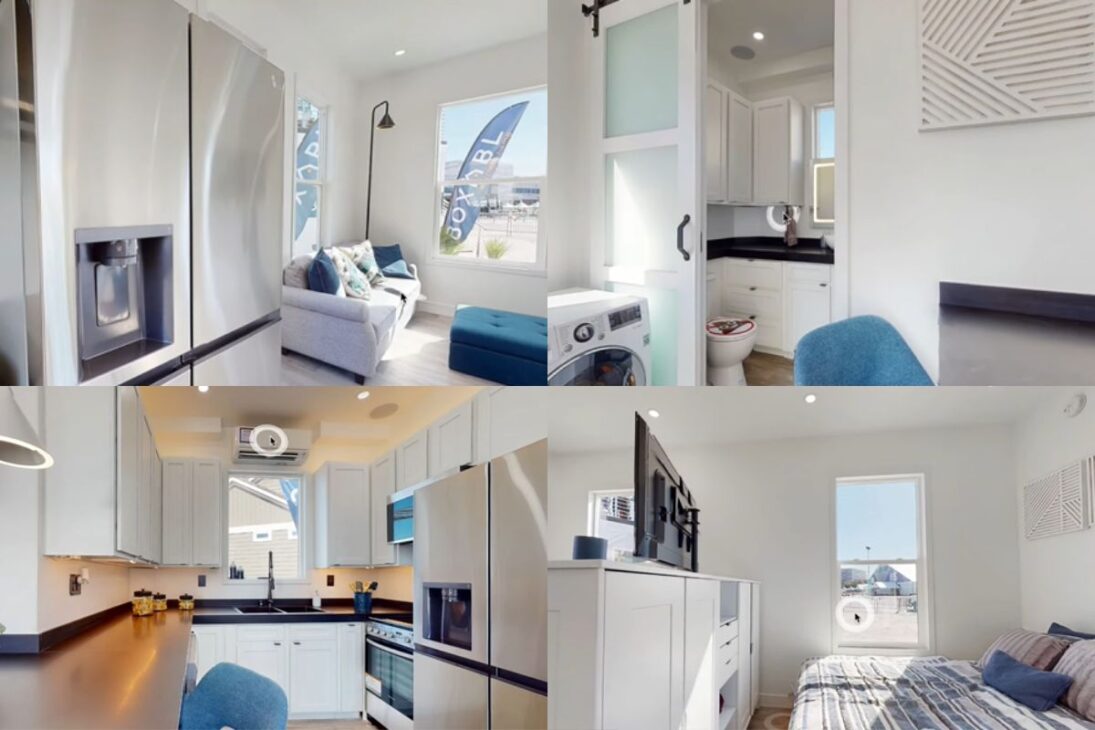
The Casita model is the most compact in Boxabl’s portfolio and has dimensions of 3.7 meters wide by 5 meters long, totaling approximately 21.5 m² of internal area and a ceiling height of 2.6 meters.
-
Brazilian city bets on the business environment to generate jobs and attract investments in the energy sector — secretary reveals strategy at Macaé Energy 2026.

-
50 viaducts, 4 tunnels, 28 bridges, and 40 kilometers of bike paths: BR-262 in Espírito Santo will receive 8.6 billion reais for the largest engineering project in the state’s history, inspired by the Immigrant Highway in São Paulo.

-
Brazil produces too much clean energy and doesn’t know what to do with it: over 20% of solar and wind capacity was wasted in 2025 while investors flee and 509 renewable generation projects were abandoned in the last year.

-
Piauí will produce a new fuel that replaces diesel without needing to change anything in the truck’s engine and reduces pollutant gas emissions by half: truck drivers from all over the Northeast are already celebrating the news that will arrive later this decade.


The house is delivered folded in a container shape, facilitating transport and reducing logistical costs.
Inside, the space is functionally distributed, with an integrated bedroom and living room, complete kitchen, bathroom, and circulation area.
The company designed the layout to optimize every square centimeter, utilizing wide vertical windows, smart climate control, and minimalist finishing.
The interior comes equipped with refrigerator, double sink, oven, stove, microwave, and ready-to-use cabinets.
Solar Wall Technology and Advanced Materials
One of the most innovative features is in the walls, which have integrated solar panels capable of generating all the energy needed for the house’s operation.
This solution eliminates the need for external installations and reinforces the sustainability concept of the project.
The structure uses magnesium oxide, a lightweight, insulating, and fire-resistant material. Impact and stress tests indicate high durability even in extreme conditions, ensuring stability and safety over time.
The flat roof features a TPO (thermoplastic olefin) membrane, waterproof and resistant to snow and the elements, increasing the feasibility of the model in different climates.
Quick Assembly and Logistics Process
The assembly process is the main attraction of the proposal. After the customer acquires the model and prepares the land with foundation, water, energy, and sewage installation, the house can be assembled in just 24 hours.
The unloading takes about an hour, and the remaining time is dedicated to final installation and functionality tests.
The production is made on demand, with no inventory. Currently, deliveries only occur in certain U.S. states, but there are plans for global expansion.
The business model is inspired by industrial production lines, with the idea of manufacturing standardized houses at scale, reducing costs and delivery times.
Estimated Cost and International Viability
In the United States, the official price of the Casita is $60,000, a price that includes the complete structure and assembly. Transportation is charged per mile, ranging from $5 to $8 per unit of distance.
In preliminary estimates, the shipping cost from Las Vegas to São Paulo would exceed $30,000, making the final value over half a million reais, which still makes the model unfeasible in Brazil.
Even so, the expectation is that, with the expansion of regional factories, the price can be reduced to more accessible ranges in different markets.
The concept of cost and timeline predictability—buying today and receiving a ready house in a day—is the greatest differential of the project, especially for families seeking financial security in construction.
Perspectives and Impact on the Housing Market


The Casita represents an attempt to apply industrial innovation principles to housing. Just as Henry Ford did with automobile production, Elon Musk bets on automating the construction of houses on a global scale, reducing stages, waste, and reliance on artisanal labor.
The proposal still faces logistical and regulatory challenges outside the United States, but experts point out that the idea could transform the modular construction sector and open new possibilities for quick, sustainable, and economically predictable housing.
Do you believe that the prefab house model developed by Elon Musk can truly revolutionize the way homes are built worldwide, or does it still face cost and adaptation barriers in countries like Brazil?








Veio p ficar, a tecnologia foi desenvolvida,
Logo vão estar fabricando similares mundo a fora
E com preços q todos podem pagar
Hoje não tem mais mão de obra artesanal em abundância
Showwww esse hellon musk
Se a produção local converter os custos a moeda local e a casa ficar em 60 mil reais, ai compensaria, mas tem que se estudar a viabilidade no brasil, se adequar as condições climáticas daqui, principalmente atender as necessidades sociais, nao adianta trazer algo em conversão direta, ninguém tem condições de pagar $300.000 numa casa pre-moldada.
…custo fora dos parâmetros. Nao é generalizado o atendimento às classes. Num conglomerado o visual se tornaria **** demais. Nao é aplicável pra uma urbanização. Simplesmente estranho essa intenção.
Mas aqui pobres pagam 60k em um carro velho horrível. 60k lá é menos que 60.000 reais para a gente. Quem é pobre paga fácil. Casa funcional e tecnologica. Adeus conta de luz.