





 English
  Francês
  Alemão
  Italiano
  Japonês
  Norueguês
  Portuguese
  Spanish
  5 min of reading
  1 comment


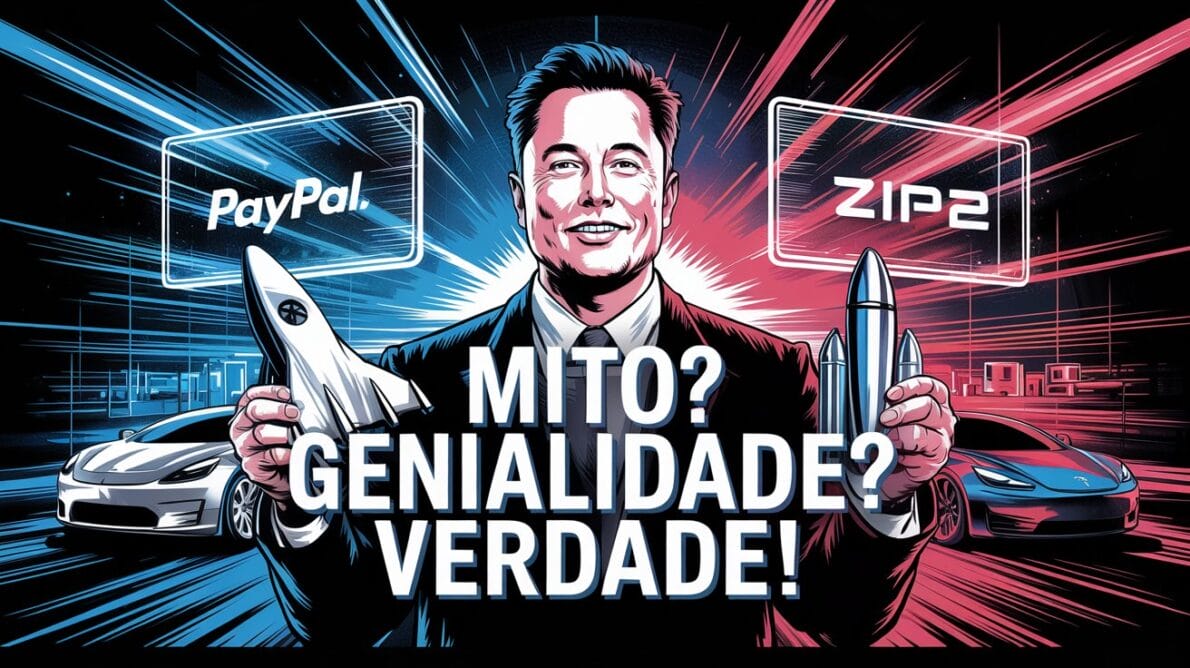

Despite His Fame As An Innovative Founder, Elon Musk Did Not Create The Companies That Made Him A Billionaire. A Controversial Trajectory Filled With Twists That Mixes Million-Dollar Investments, Powerful Personal Marketing, And Little-Known Legal Disputes To The Public.
Despite his reputation as a visionary founder, Elon Musk did not create any of the companies that turned him into a billionaire, such as PayPal, Tesla, or SpaceX.
Nonetheless, his name has become synonymous with innovation, technological disruption, and bold entrepreneurship.
Musk’s trajectory is marked by twists, reinterpretations of facts, and a remarkable ability to rewrite his own history — a strategy that over time consolidated his image as one of the leading names in global technology.
-
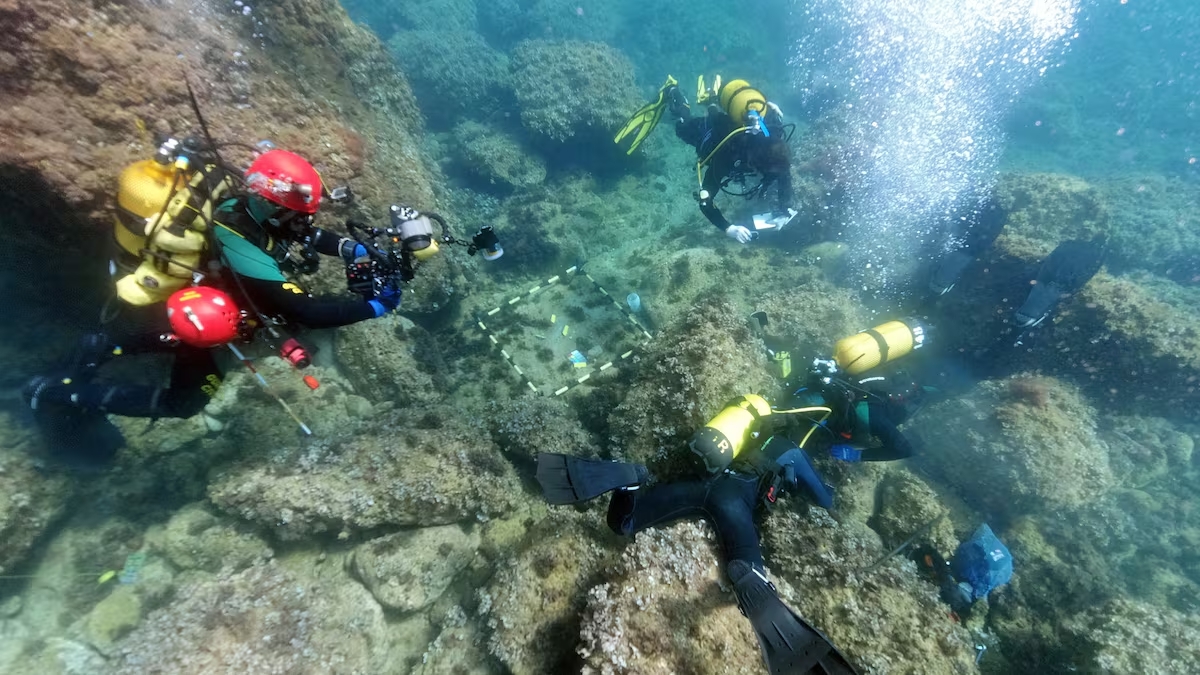
Explorers find Roman treasure trapped between rocks on the seabed for nearly 1,600 years and reveal a desperate attempt to hide 53 gold coins during the invasions of the Empire.
-
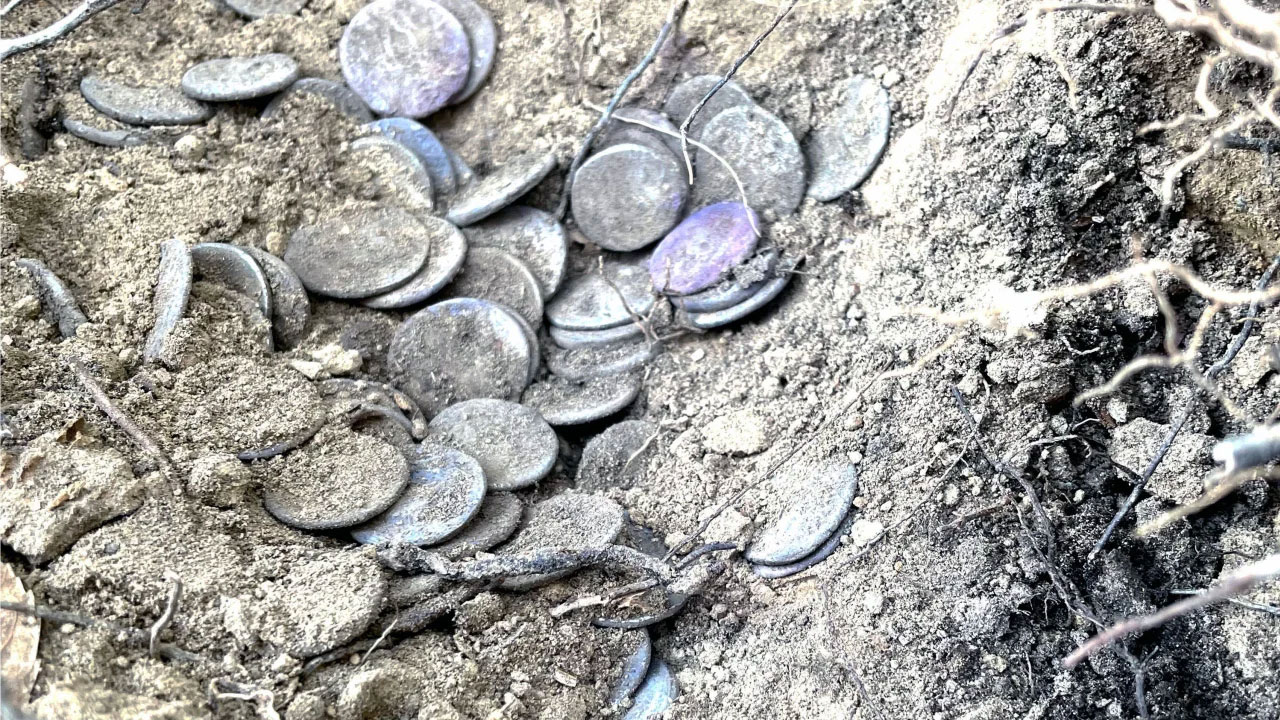
Archaeologists discover Roman vase buried for over 2,000 years with more than 175 intact gold and silver coins, revealing a desperate strategy to protect wealth during the collapse of the Empire.
-
With 241 meters, 48 thousand tons, and a structure designed to accompany aircraft carriers at sea, the Chinese ship that refuels fleets in motion was born to push Beijing away from the coast and has become the hidden gear of its naval projection.

-
“Discreet” city in the interior of SP stands out among the smartest in Brazil thanks to a national ranking.

Musk’s meteoric rise was also built upon carefully cultivated myths, among them the classic “garage myth,” which glorifies the idea of a solitary entrepreneur building an empire from scratch, relying solely on his genius.
This narrative model is recurring in Silicon Valley, having been adopted by figures like Jeff Bezos and, in part, even by Steve Jobs, although Apple’s story has its nuances.
A Privileged Childhood
Elon Musk was born in Pretoria, South Africa, in 1971, and grew up in a financially comfortable family environment.
His father, Errol Musk, was an engineer and businessman, and was even a shareholder in emerald mines in Zambia, which afforded the family a life of luxury during part of Elon’s childhood.
According to Errol himself, in interviews given in the 2000s, he did not own the mines but received emeralds as a return on his equity stake.
The biography written by Walter Isaacson reveals that Elon Musk had access to high-end goods, such as a Rolls-Royce Corniche convertible and even a private plane, although the family’s financial situation fluctuated over the years.
Despite this, Errol still financially supported his children in their first steps into the business world.
He was the one who provided US$ 28,000 for the creation of Zip2, Elon and his brother Kimbal’s first digital venture.
Their mother, Maye Musk, also contributed an additional US$ 10,000.
Although Elon has denied part of this support in interviews — such as the one given to Rolling Stone — in the biography written by Ashlee Vance, he acknowledges that his father contributed about 10% of the company’s initial capital, which confirms that there indeed was an important family financial push.
From Junior Programmer To Tech Millionaire
Zip2 was created in 1995 as a business directory with integrated maps, something innovative for the time.
However, Musk’s limited experience in management and programming soon became evident.
Investor Greg Kouri and other executives demoted Musk to the position of technical director, placing Rich Sorkin as CEO.
The original code, mostly written by Elon, had flaws and needed to be rewritten by the hired engineers.
Even so, Zip2 was sold in 1999 to Compaq for US$ 307 million, which earned Musk his first major fortune — over US$ 20 million.
With this, he embarked on his next venture: X.com, an online banking services platform.
The True Story Of PayPal
X.com was merged with Confinity, founded by Peter Thiel and Max Levchin, resulting in what we now know as PayPal.
Although Musk is often cited as a co-founder of PayPal, the technology that made the company famous was created by Confinity, not X.com.
Musk’s main contribution was the user base and his ability to attract investments.
Musk took over as the CEO of the resulting company but was ousted in 2000, during a trip to Australia, for promoting changes deemed risky, such as migrating systems to Windows — something unusual at the time.
Despite his exit, Musk remained a shareholder and made about US$ 180 million when eBay bought PayPal for US$ 1.5 billion in 2002.
Tesla Already Existed Before Musk
Elon Musk’s name is directly associated with Tesla Motors, but he did not create the electric car company.
Tesla was founded in 2003 by engineers Martin Eberhard and Marc Tarpenning, who sought to revolutionize the automotive sector with electrically powered vehicles.
Musk only joined the company in 2004, as an investor, after injecting US$ 6.3 million of his own money.
Over time, Musk increased his power within Tesla, became chairman of the board, and in 2007, orchestrated Eberhard’s exit, taking over as CEO in 2008.
A legal dispute followed, with Eberhard accusing Musk of trying to rewrite the company’s history.
The case ended in an out-of-court settlement that allowed Musk to officially present himself as a “co-founder.”
Despite the controversies, it is undeniable that Musk played a crucial role in establishing Tesla as a leader in electric vehicles.
His aggressive marketing strategy and ambitious vision transformed the company into a symbol of innovation, even though he was not the initial creator of the project.
SpaceX And The Billions From The Public Sector
SpaceX is often cited as the ultimate example of Musk’s genius, but many of the company’s advances were only possible thanks to billions of dollars from government contracts and subsidies.
A striking example is the US$ 2.6 billion contract with NASA in 2014 to send astronauts to the International Space Station.
In 2021, SpaceX was again selected by the American space agency to develop the spacecraft that will carry astronauts to the Moon on the Artemis mission, in a US$ 2.89 billion contract.
According to Reuters data, SpaceX has about US$ 22 billion in active government contracts through 2025, with US$ 15 billion coming solely from NASA.
The Department of Defense and the U.S. Space Force have also contracted the company for launches of strategic satellites.
Additionally, Tesla also benefited from significant public resources, such as the US$ 465 million loan from the federal ATVM program in 2008.
The company managed to pay it off in 2013, boosted by the sale of carbon emission credits — another regulatory mechanism encouraged by public policies.
The Ability To Reinvent His Own Narrative
Musk skillfully built his public image, often positioning himself as the “founder” of companies he only acquired or participated in after their creation.
This personal branding strategy, although controversial, has worked to the point where much of the public is unaware of the real founders of Tesla or the history of Confinity with PayPal.
Even when his actions were contested by peers and former partners, Musk knew how to leverage his position of power and visibility to narrate his version of events.
This reinforces the idea that, in addition to being a businessman, Elon Musk is also a strategist of image — someone who masters the narratives of the digital world just as much as he masters the figures of investments.
Today, with stakes in sectors ranging from automobiles and clean energy to artificial intelligence and satellite telecommunications, Musk remains a central figure in the technology universe.
However, as the behind-the-scenes of his trajectory become more accessible, the debate over the true origin of his fortune and reputation also grows.
After all, to what extent does the image of a self-taught genius correspond to the reality behind Elon Musk’s billion-dollar figures? Share your opinion in the comments!





Musks greatest leap forward in development was on his skill for lying 🤥