





 Portuguese
  English
  Spanish
  4 min of reading
  0 comments



Aggressive expansion of Starlink in Brazil reduces prices and expands access in remote areas, with new cheaper plans, accelerated growth of the user base, and strategy to face future competition in the satellite internet market.
Starlink has started offering a cheaper entry point for satellite internet in Brazil, with service starting at R$ 149 per month in some regions.
The change occurs within a new commercial reorganization aimed mainly at consumers outside fiber coverage.
This move comes at a time when the company is accelerating its expansion in the country, promoting discounts on the Mini kit and strengthening the market competition in rural areas, remote properties, and locations with limited infrastructure.
-
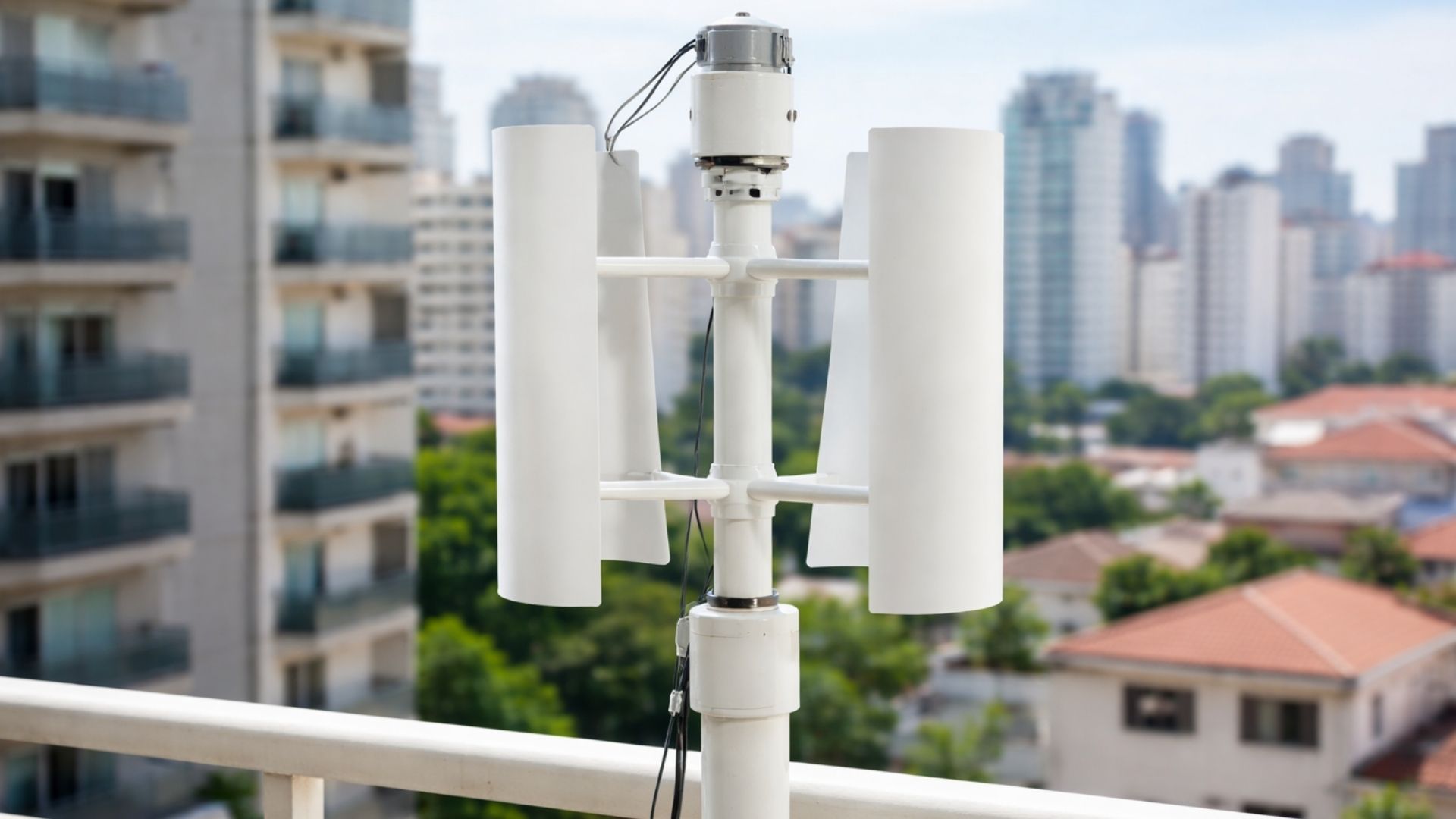
Man creates an infinite source of FREE electricity at home with a PVC wind turbine using a repurposed motor.
-
An aquatic seed consumed for centuries in Asia is going viral in the West after studies highlighted its antioxidant compounds and potential anti-inflammatory properties. It pops like popcorn, has low fat content, and is already being called the new functional snack.

-
China showcases robot dogs that act in groups like a coordinated pack, make decisions together, and could change the way modern wars operate.

-
The coldest seawater ever recorded in Earth’s history was hidden under extreme ice 717 million years ago and reached an impressive -15°C.


New Starlink plan with reduced price and speed of 100 Mbps
In practice, the recently announced cheaper plan limits the connection to 100 Mbps and has a full price of R$ 179 per month.
There is a launch promotion in some addresses for R$ 149 during the initial period.
The offer is associated with the Starlink Mini equipment, the portable version of the system.
Meanwhile, the more expensive residential plans maintain higher speeds and other commercial benefits.
Cheaper equipment and strategy to expand user base
This move confirms a strategy already noticeable in recent months.
The company seeks to lower the entry barrier to expand the base of Brazilian customers.
On the official website, Starlink also announces the Mini kit for R$ 999 upfront on promotion.
The full price continues to be displayed as R$ 1,199, highlighting an aggressive commercial policy subject to frequent changes.
Brazil becomes a strategic market for Starlink
Brazil has taken a central position in this expansion process.
In January 2026, Starlink reported reaching 1 million subscribers in the country.
This number places the Brazilian market among the most relevant for the company.
At the same time, there is a difference between this corporate disclosure and more recent regulatory data available.
According to data from Anatel cited by the press, the operator reported about 556 thousand accesses in November 2025.


Where Starlink makes more sense compared to fiber optic
This scenario helps explain why the company bets on more competitive prices in the country.
In dense urban areas, fiber optic remains, in general, the most stable and cheapest option.
However, on farms, isolated communities, remote areas, and occasional-use properties, the logic changes completely.
Satellite internet occupies a space where often there is no viable alternative.
New plans and use in mobility expand service reach
The reformulation of the packages also tries to explore different usage profiles.
In addition to the basic residential plan, Starlink maintains offers for travel and versions with discounts linked to the Mini kit.
In Brazil, the company indicates modalities aimed at users who need mobile connectivity.
Prices in these categories start at around R$ 315 per month.
Growth of satellite constellation drives expansion
Another central point is the scale of the network.
In March 2026, SpaceX reached the mark of 10 thousand active Starlink satellites in orbit.
This advancement increases operational capacity and coverage in different regions of the planet.
The expansion supports the discourse of bringing broadband to remote areas and reinforces operations in markets like Brazil.
Global base grows and competition begins to form
Worldwide, the company claims to have surpassed 10 million active customers.
The combination of global growth, large-scale production, and local promotions shows a consolidation strategy.
At the same time, competition begins to take shape.
Amazon’s satellite internet operation, called Amazon Leo, plans broader expansion starting in 2026.
Loyalty strategy and financial sustainability
Competitive pressure helps explain the price reduction and consumer incentives.
The logic is to win the user early and reduce the chance of future migration.
In the sector, the cost of switching services and adapting to the equipment directly influences loyalty.
From a financial perspective, Elon Musk has already stated that Starlink has reached cash flow breakeven.
This indicates a more mature operation, capable of sustaining growth and commercial campaigns.
For whom Starlink is really worth it
For the Brazilian consumer, the impact is practical.
The new price range makes the service more accessible, especially in regions without infrastructure.
Still, satellite internet does not replace fiber where the wired network already works well.
The main value remains concentrated in mobility, remote coverage, connection redundancy, and access in isolated areas.







Seja o primeiro a reagir!