





 Portuguese
  English
  Spanish
  4 min of reading
  1 comment


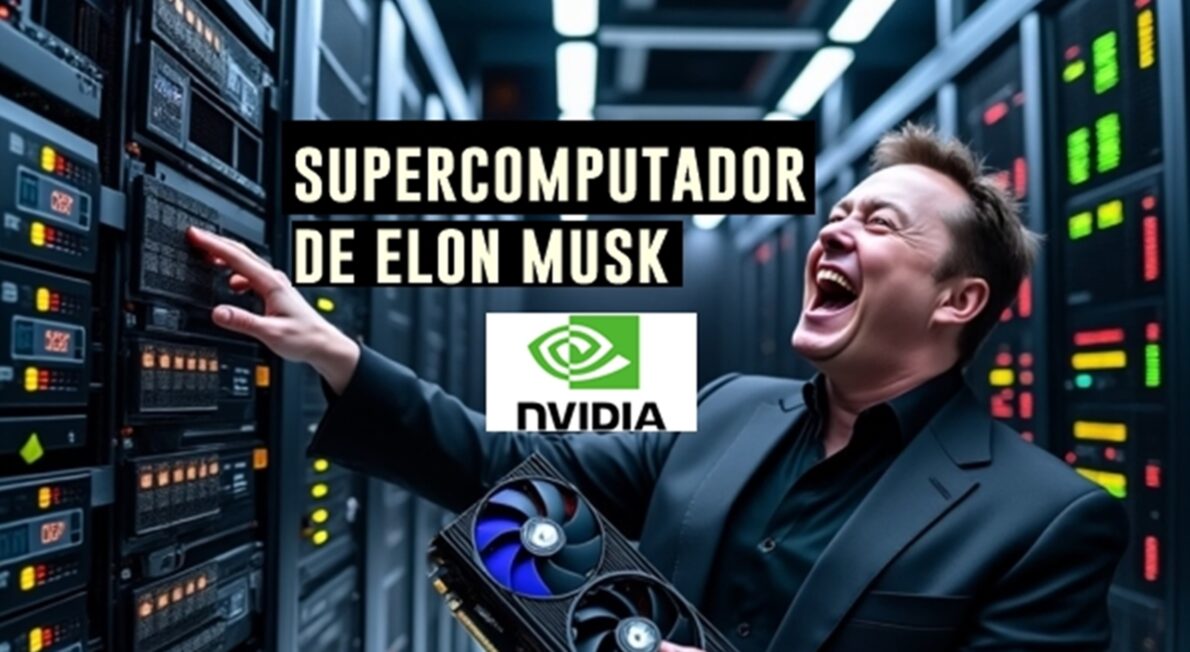

Meet Colossus, the Supercomputer Developed in a Record Time of 120 Days by Elon Musk, Which Promises to Transform Artificial Intelligence with Nvidia Technology
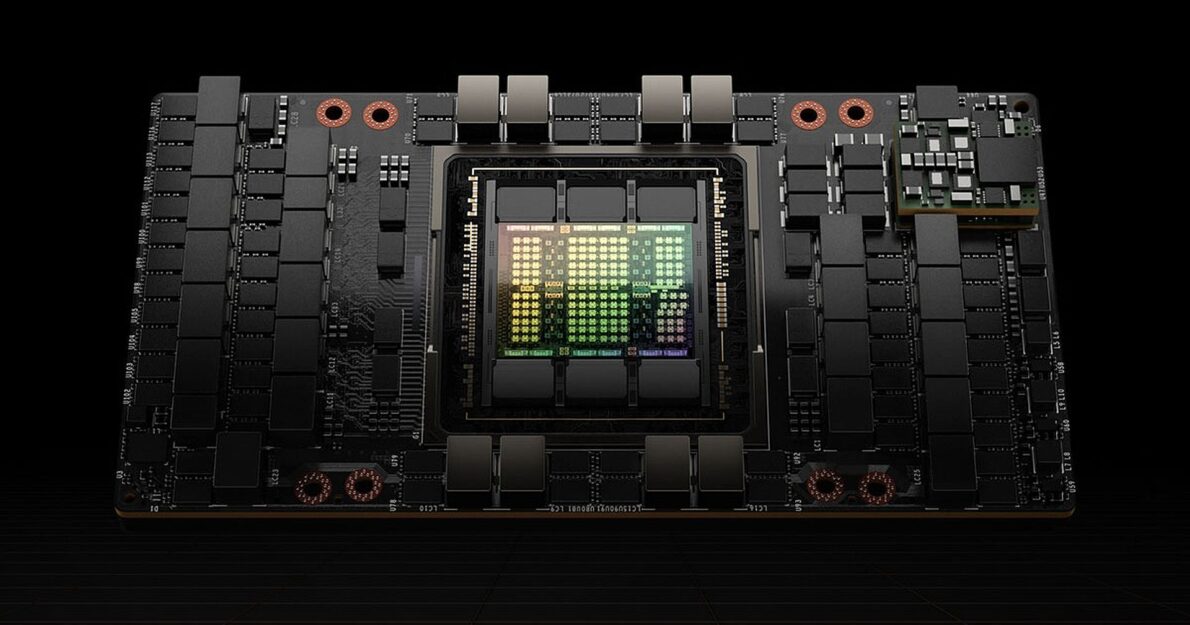
The visionary Elon Musk once again surprised the world with the creation of one of the most ambitious projects today. In early September 2024, Musk announced that his artificial intelligence company, xAI, had completed the construction of the Colossus supercomputer, now considered the most powerful in the world. Equipped with Nvidia’s technology, Colossus was developed in a record time of just 122 days. Located in Memphis, Tennessee, xAI’s data center houses 100,000 Nvidia Hopper H100 processors, surpassing any other existing artificial intelligence computing cluster.
The monumental feat has implications for artificial intelligence. In an announcement made via Twitter, Elon Musk wrote: “From start to finish, it was done in 122 days. Colossus is the most powerful AI training system in the world. Moreover, it will double in size to 200,000 H200 processors in a few months.”
This expansion is set to occur with the acquisition of 50,000 H200 chips from Nvidia, a series that is even more powerful and almost twice as efficient as its predecessor. This will position Colossus even further ahead in the global race for supremacy in artificial intelligence.
-
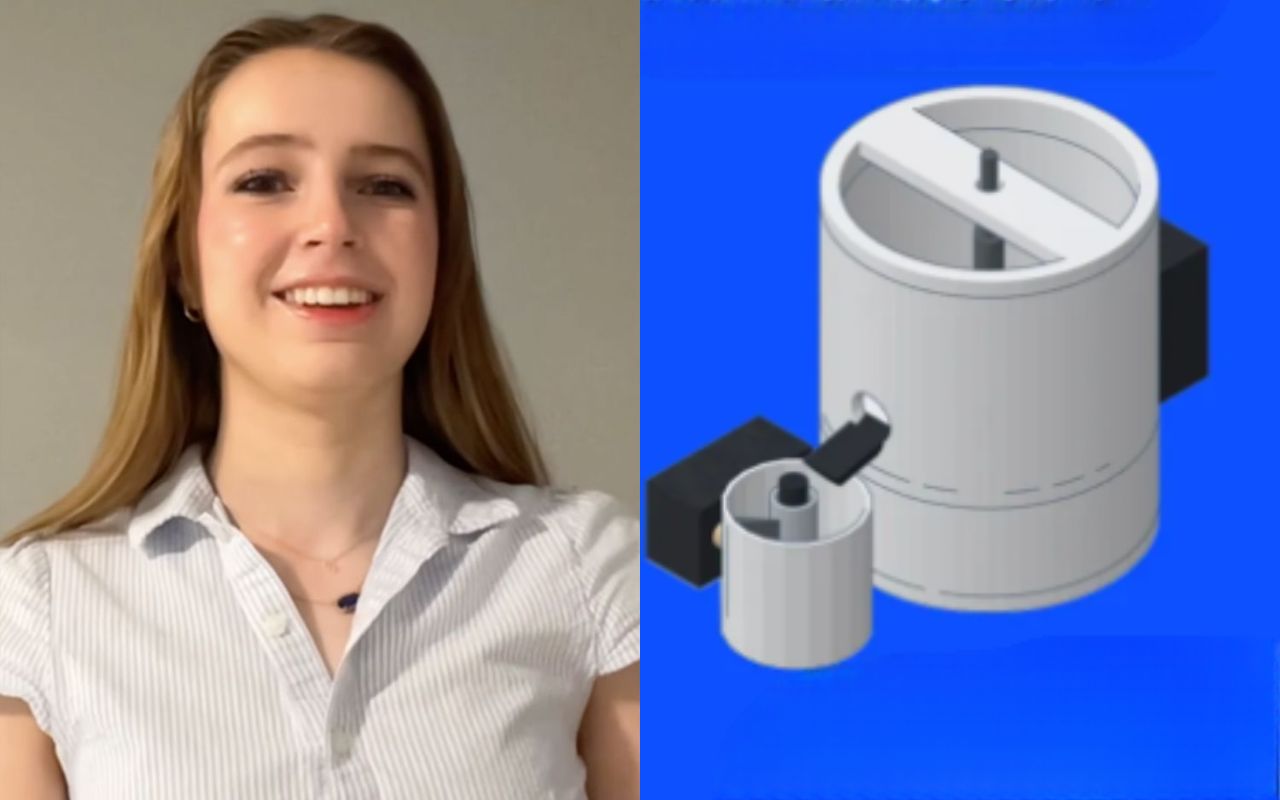
At just 18 years old, a student develops new technology for a magnetic filter that eliminates up to 95% of microplastics from water.
-
The new technology race has already begun: Apple, Samsung, and Google are competing to see who can turn smartphones, smartwatches, and appliances into assistants with artificial intelligence capable of understanding context, predicting actions, and performing tasks without relying on apps.
-
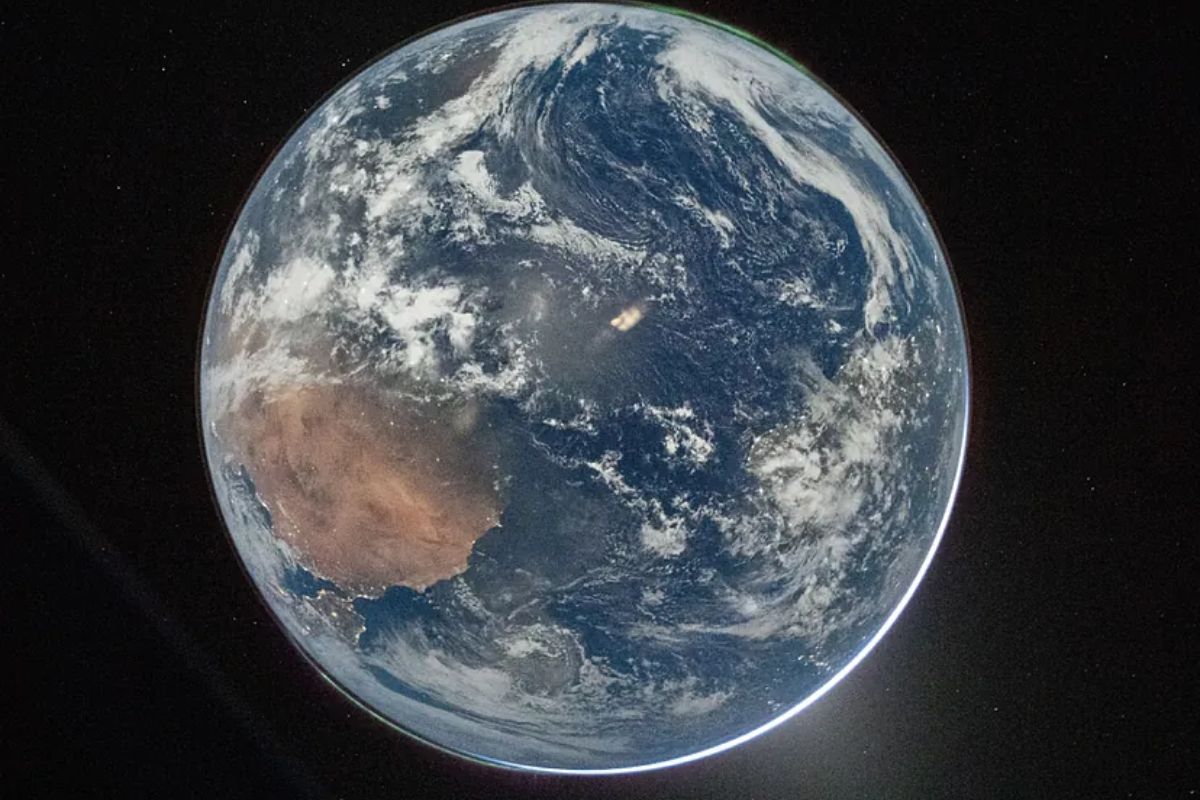
For the first time in over 50 years, a human has photographed the entire Earth from deep space on the way to the Moon, and the image captured by Commander Reid Wiseman is already being called historic by NASA.
-
Under the island of Mauritius, in the middle of the Indian Ocean, scientists found fragments of continental crust that are up to 3 billion years old, remnants of a sunken microcontinent that was once connected to Madagascar and India.

The Role of Colossus in AI Development
Colossus was built with a clear purpose: to train the third generation of xAI’s AI model, Grok-3. Grok is already a well-known name in the tech ecosystem, especially among subscribers of the social media platform X (formerly Twitter), which is controlled by Musk.
The second version of the model, Grok-2, was recently launched and, although limited to about 15,000 H100 graphics processors, is already considered one of the most capable language models on the market, according to chatbot performance rankings.
The promise for Grok-3 is even more ambitious. “We expect to launch Grok-3 by December, and it should be the most powerful AI in the world at that time“, Musk stated in an interview with podcaster Jordan Peterson.
The expectation is that Grok-3 will outperform all available artificial intelligence models, including those from OpenAI, the company that Elon Musk helped co-found in 2015, but distanced himself from after disagreements with current CEO Sam Altman.
Elon Musk still sees Grok as a key piece in his long-term strategy for Tesla. Experts speculate that eventually, the model could be integrated into the humanoid robot Optimus, which is under development by Tesla. If this vision comes to fruition, Musk believes that the project could generate up to US$ 1 trillion in annual profits for Tesla, further consolidating its position at the top of the tech market.
The Race for Nvidia Chips – Elon Musk Has an Advantage
Colossus is not just an impressive supercomputer; it also represents a strategic move in the intense global race for artificial intelligence hardware. Companies like Microsoft, Google, and Amazon are in fierce competition to acquire Nvidia’s Hopper series chips, which have proven essential for advancing AI.
However, Elon Musk has managed to secure a prominent position by promising to spend between US$ 3 billion and US$ 4 billion this year on Nvidia hardware, just for Tesla.
xAI, in turn, had an early advantage by leveraging Tesla’s chip stock. This collaboration between Musk’s two companies allowed xAI to accelerate the construction of Colossus and ensure its operation before the competition.
Moreover, xAI raised US$ 6 billion in a Series B funding round in May, with support from major investors like Andreessen Horowitz, Sequoia Capital, and Fidelity. This capital is essential for continuing to expand the infrastructure and capabilities of Colossus.

Impact of the Colossus Supercomputer
While Colossus plays a crucial role in the global technology landscape, its installation in Memphis has also raised local concerns.
The construction of the data center was completed in record time, but the rush left authorities and residents apprehensive about the impact on the city’s infrastructure. The supercomputer requires an immense amount of resources, including up to 1 million gallons of water per day to cool its servers and consumes up to 150 megawatts of power, which could strain the city’s supply and energy systems.
Despite the challenges, Musk remains focused on his vision of accelerating technological development across all fronts. In a recent interview with podcaster Lex Fridman, Musk commented on his five-step management approach, which includes accelerating any process: “Anything can be accelerated. No matter how fast you think something can be done, it can be done even faster.”
This mindset has been a hallmark of Elon Musk throughout his career and, with Colossus, he once again demonstrates his ability to challenge the limits of what is possible in the technology industry.





150 MW representa 21% da potência de um único gerador de Itaipu ou 11% da potência da usina nuclear de Angra 2, mas para uma cidade representa muito, mesmo porque nos EUA não existe muita folga na energia gerada e os sistemas já estão muito sobrecarregados. Acredito que apesar da construção do Colossus tenha sido num período curto o planejamento e a infraestrutura já deve ter sido preparada a bastante tempo. Nem tudo pode ser acelerado se não existir energia e água disponível…