





 Portuguese
  English
  Spanish
  5 min of reading
  0 comments


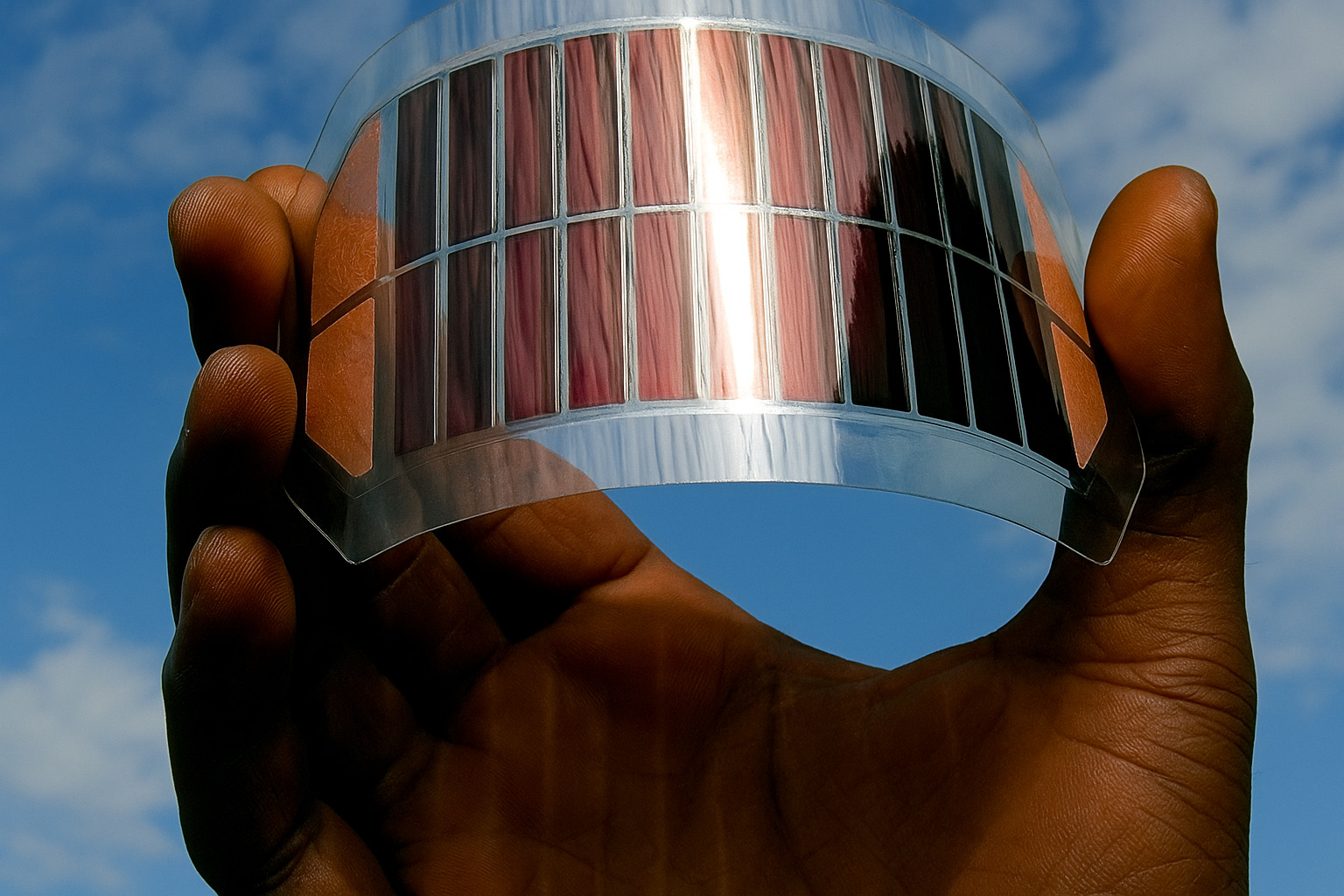
Elon Musk Presents Proposal to Power the USA with Solar Energy Using Space Panels, Promising a Clean and Constant Energy Revolution.
The idea of powering an entire nation with solar energy has always seemed distant, almost like a concept exclusive to science fiction. However, this scenario is becoming more realistic with advancements in technology.
During the World Conference on Sustainable Energy, Elon Musk presented an ambitious project: a space solar fusion reactor capable of providing clean energy for the entire United States.
In addition to impacting the energy sector, the proposal promises to address some of the challenges surrounding the global transition to renewable sources. More than a visionary idea, it is based on studies, technical advancements, and a strategic vision for the future.
-
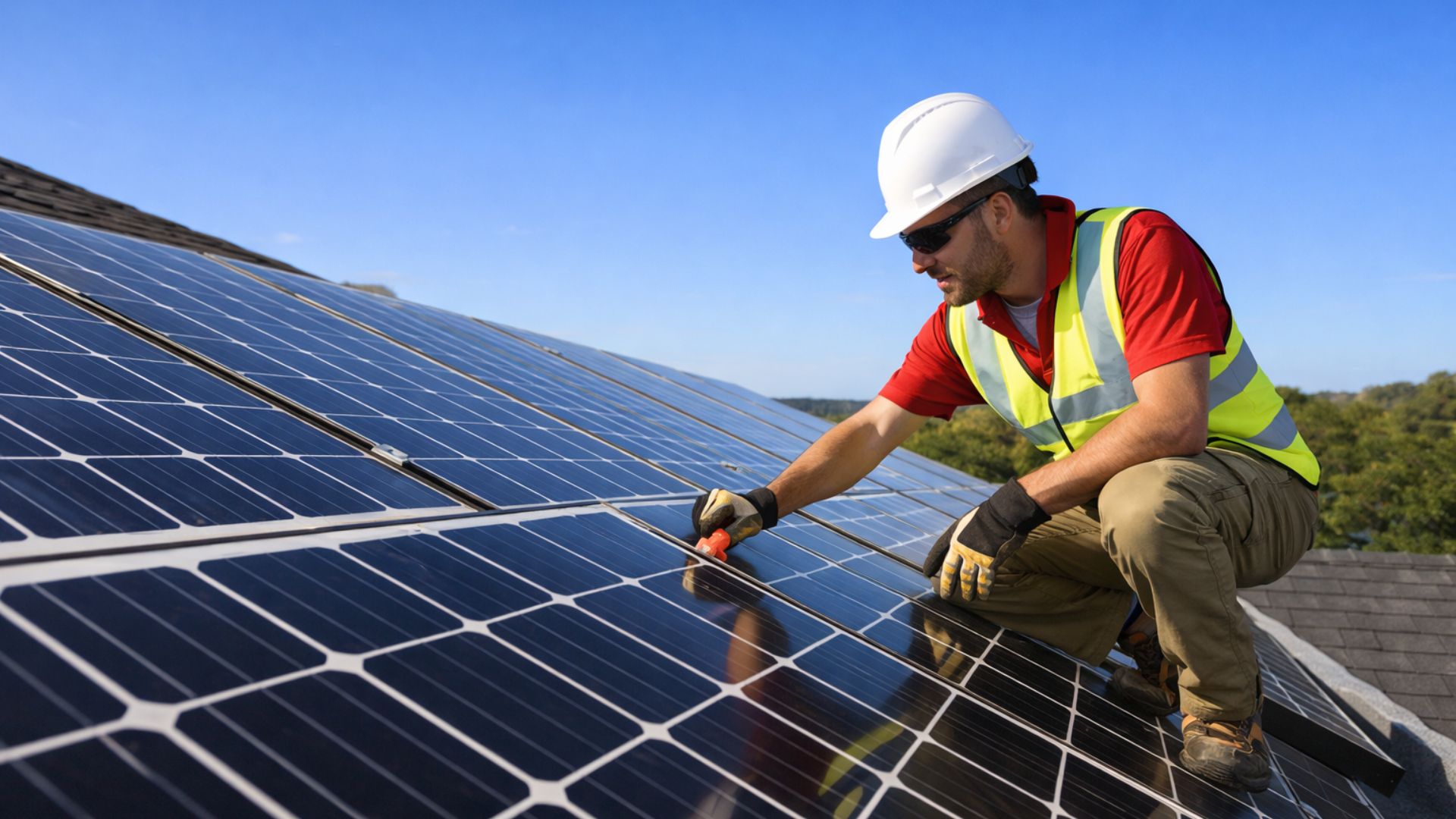
Seagri’s headquarters invests in solar energy with Neoenergia Coelba and promises to cut electricity costs, highlighting a strategic advance in sustainability and energy efficiency within state public administration.
-
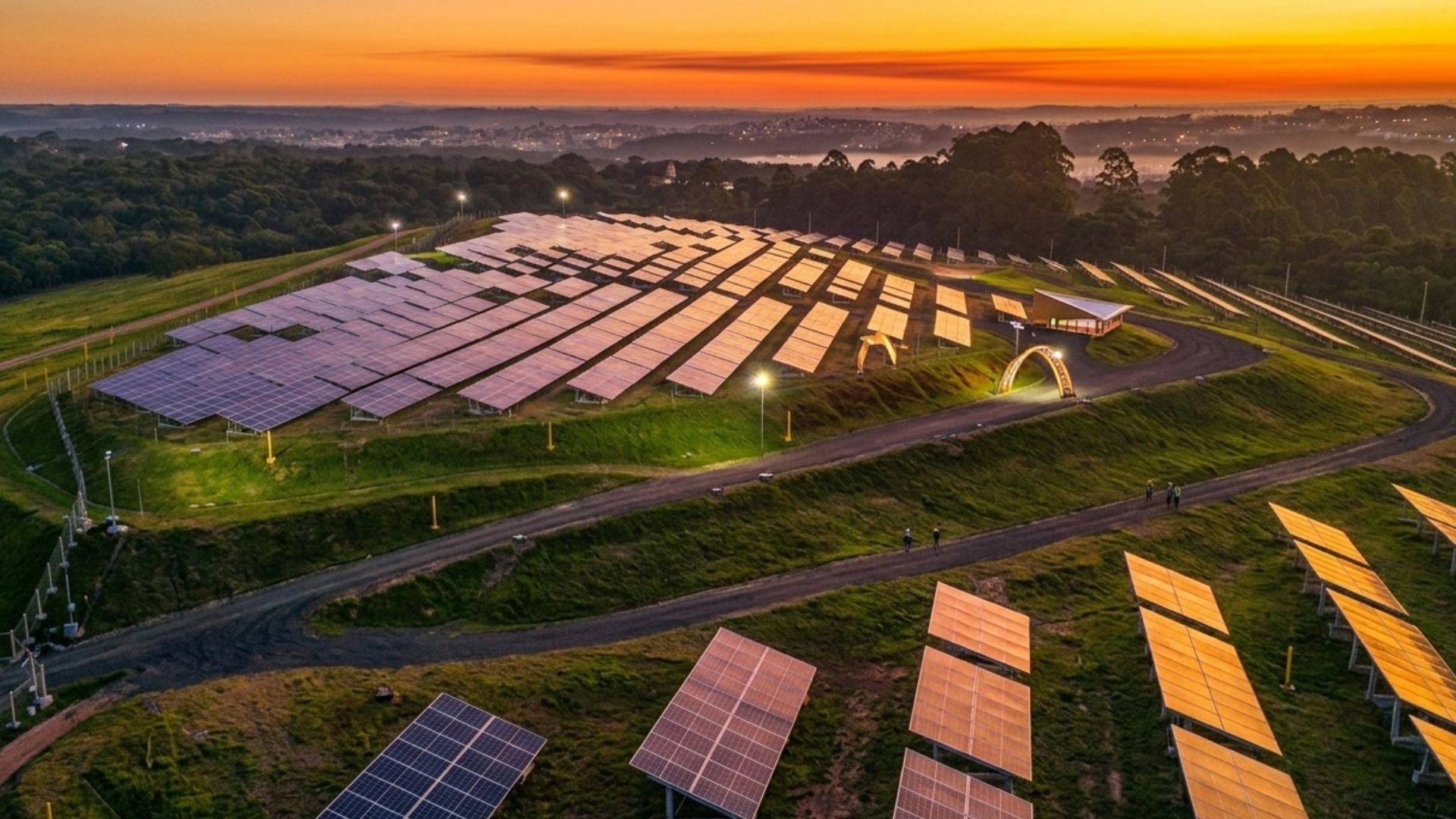
Solar Pyramid draws attention by converting solar energy into million-dollar savings and repositioning the City Hall of Curitiba as an example of innovation, sustainability, and intelligent use of public resources.
-
Europe records strong euro economy with solar energy in March and sparks curiosity about which country leads growth that redefines the energy market and reduces costs.

-
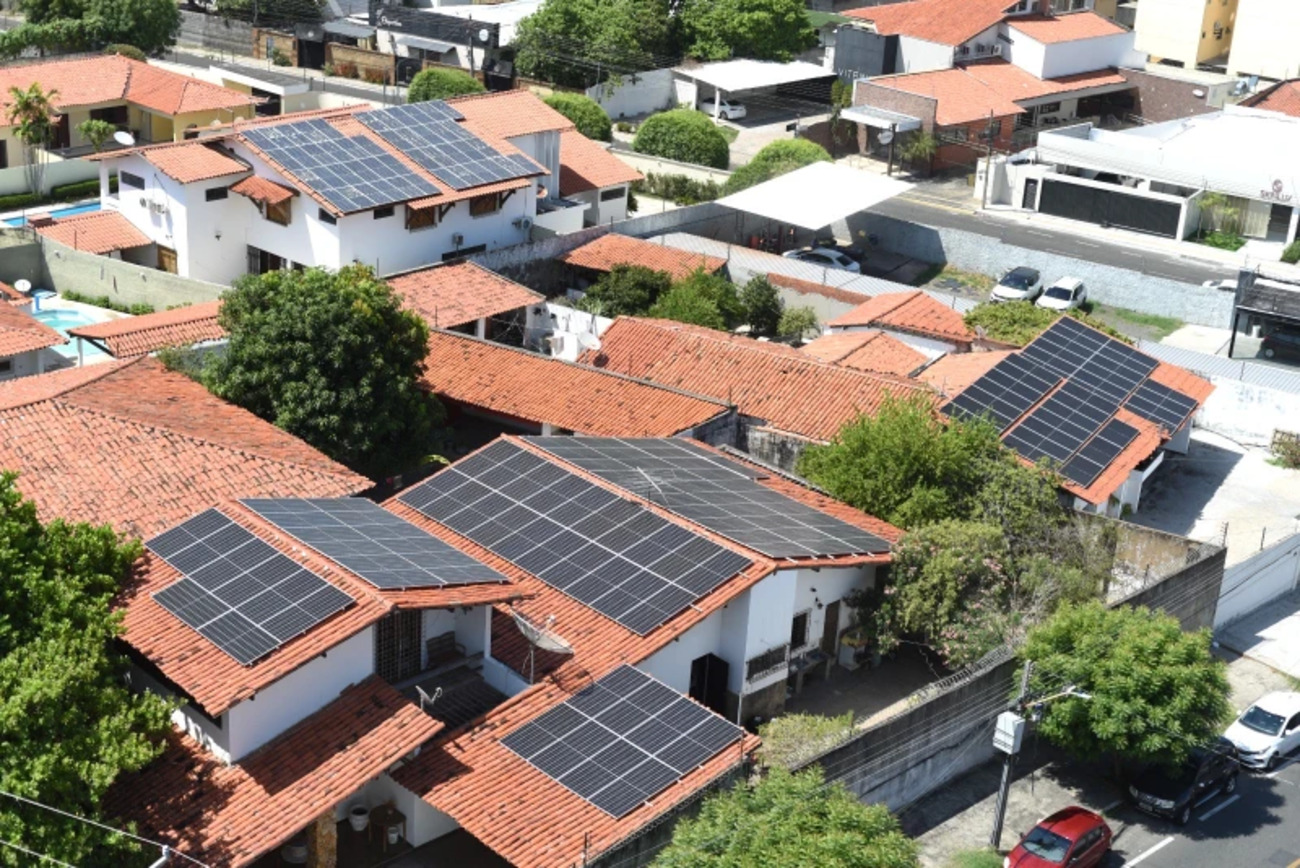
Piauí reaches a historic milestone in energy transition: State records nearly 160,000 households powered by solar energy and leads growth in the Northeast.
Therefore, understanding this plan is essential to grasp the future of energy in the 21st century.
The Old Dream of Capturing Solar Energy
Since the 19th century, scientists have explored ways to power the world with solar energy. For example, in 1839, French physicist Alexandre Edmond Becquerel discovered the photovoltaic effect, a fundamental phenomenon for modern solar panels.
Since then, the search for clean and renewable electricity has intensified over the years. Although, during the 20th century, oil and coal dominated the energy sector, moments of crisis revealed the importance of diversifying sources.
In this context, solar energy began to attract more attention, especially during the oil crisis of the 1970s. From then on, governments and companies started to invest more seriously in sustainable alternatives.
Over time, the costs of producing solar panels have dropped dramatically. Furthermore, the efficiency of the equipment has increased, making solar energy more accessible.
As a result, countries like Germany, China, and the United States have begun to lead the installation of photovoltaic systems, profoundly transforming their energy matrices.
Elon Musk’s Solar Fusion Project
Unlike traditional systems, Musk’s project proposes an innovative solution: capturing sunlight directly from space. In other words, instead of relying on terrestrial solar panels, it suggests installing orbital solar panels, which would work continuously, unaffected by the atmosphere or the day-night cycle.
This captured energy would then be transmitted to Earth via microwaves, which would be converted into electricity by terrestrial receivers. Thus, the system would ensure a constant power supply, eliminating generation variations caused by clouds, weather, or time of day.
Additionally, Musk emphasizes that recent advancements—such as miniaturization of components, the use of ultra-light materials, and reusable space launches—have made the project more feasible. SpaceX, Musk’s own company, already dominates much of the necessary technology, accelerating the path toward implementation.
A Country Entirely Powered by the Sun
According to Musk, an area of just 10 km by 10 km of solar panels in orbit would be sufficient to power solar energy all the energy demand of the United States. This includes industrial, residential, commercial sectors, and even electric transport systems.
This potential draws attention due to the impact it would have on the global energy matrix. By making fossil fuels obsolete, the project would decrease greenhouse gas emissions and reduce dependence on polluting sources.
Moreover, countries that currently import oil or gas could achieve energy self-sufficiency, simply by investing in orbital infrastructure. This would alter trade relations and the energy geopolitics globally, creating a new dynamic between nations.
Energy transition specialists believe that, if successful, the proposal could democratize access to clean energy and create a new paradigm for large-scale electricity production and distribution.
First Tests and Experimental Phase
Despite the enthusiasm, specialists point out significant challenges. For instance, the transmission of energy via microwaves requires extreme precision, as well as safety considerations in orbit.
However, Musk believes these obstacles can be overcome with continuous testing and innovation. In this sense, the first experimental phase of the project already has a timeline: it is set to begin within 18 months.
During this phase, the team will launch smaller prototypes aimed at providing energy to isolated communities and remote scientific bases. This way, it will be possible to assess the system’s performance before scaling it up.
In addition to technical tests, the project will also undergo environmental, economic, and regulatory analyses. Therefore, cooperation with agencies like NASA and international agencies will be essential for the initiative’s success.
Solar Energy as a Global Trend
Even if Musk’s plan takes time to materialize, it symbolizes an irreversible trend: the transition to renewable energies. Today, worldwide, governments and companies are investing in the search for sustainable solutions.
Solar energy, due to its abundance and ease of installation, leads this movement. In fact, there are already concrete examples. Various communities operate almost exclusively based on solar energy.
In Brazil, rural areas utilize photovoltaic panels to power schools, health clinics, and residences. Meanwhile, in countries like Japan and Germany, the integration of solar generation, batteries, and smart grids is becoming increasingly common.
Moreover, innovation is advancing in other fronts. Solar rooftops, transparent windows with photovoltaic cells, and even clothing capable of capturing solar energy indicate that the future will be marked by decentralization and diversification of sources.
Therefore, Musk’s proposal does not arise out of nowhere. It represents the expansion of a movement already underway, which tends to accelerate as technology advances and costs decrease.
The Energy Future
Elon Musk’s project goes beyond boldness. It carries the experience of someone who has already revolutionized the space and automotive sectors.
With SpaceX and Tesla, Musk has shown that innovative ideas can come to fruition — as long as there is vision, technology, and persistence. Thus, the proposal to power an entire country with solar energy from space seems both symbolic and possible.
On one hand, it symbolizes the overcoming of physical and technological limits that once seemed insurmountable. On the other, it relies on tools and structures that already exist or are in advanced stages of development.
In this way, the project inspires other initiatives and places solar energy at the center of decisions regarding the planet’s energy future. Instead of relying on finite and polluting sources, humanity can finally utilize what the sun offers for free and without depletion.
If the plan materializes, the world will have taken a decisive step toward a more just, clean, and resilient model. After all, powering with solar energy is no longer just a utopian idea — it is an urgent need and a real possibility.









Seja o primeiro a reagir!