





 English
  Francês
  Alemão
  Italiano
  Japonês
  Norueguês
  Portuguese
  Spanish
  3 min of reading


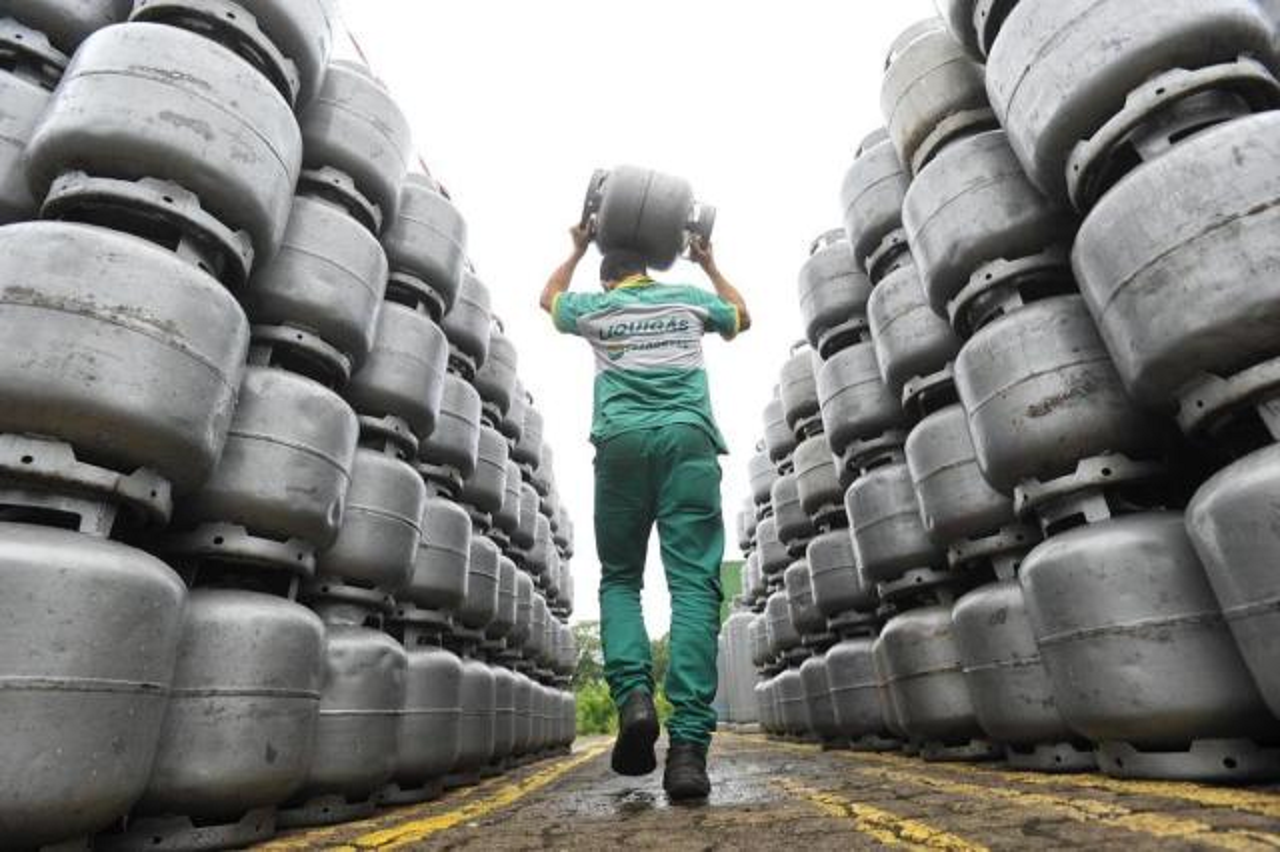
ANP Data Shows Exacerbated Increase in Gas Canister Prices, Which Affects Many Families and May Cause Losses for Bars and Restaurants
According to a survey conducted by CNN, based on data provided by the National Agency of Petroleum, Natural Gas, and Biofuels (ANP), the increase in cooking gas was 23.2% just in the last 12 months, from March 2021 to March 2022. As reported by the Brazilian Institute of Geography and Statistics (IBGE), the total accumulated inflation over the last year, which has already reached 10.54%, is still not enough to match the rise in gas canister prices.
Also Read the Following Related News:
- The National Agency of Petroleum, Natural Gas, and Biofuels (ANP) shuts down illegal cooking gas reselling in Rio de Janeiro;
- Cooking Gas – Gas Aid Will Provide a 50% Discount Every Two Months for Benefited Families;
- Bolsonaro Criticizes Petrobras and Government Authorizes the Ministry of Mines and Energy to Warn Stations Not Complying with the Fuel Price Reduction Approved by Congress.
On March 11, Friday, Petrobras implemented a price adjustment for distributors, thus, the LPG increased from R$ 3.86 to R$ 4.48 per kilogram. According to Fábio Neves, an economist and professor at Unicamp, generally speaking, the price of the gas canister will account for a significant portion of the monthly expenses of the entire Brazilian population.
“If we consider the famous P-13, which is the price of cooking gas, it ranges between R$ 100 and R$ 130. Therefore, a Brazilian with an average income of R$ 2,000 will have 5% to 7.5% of their income committed to the gas canister,” he stated. Furthermore, the economist emphasized: “It’s a significant amount because we must remember that there are costs with electricity, food, transportation, among many other things.”
-
Expansion of Federal Institutes: 38 new campuses and R$ 200 million for public education; see the cities included.

-
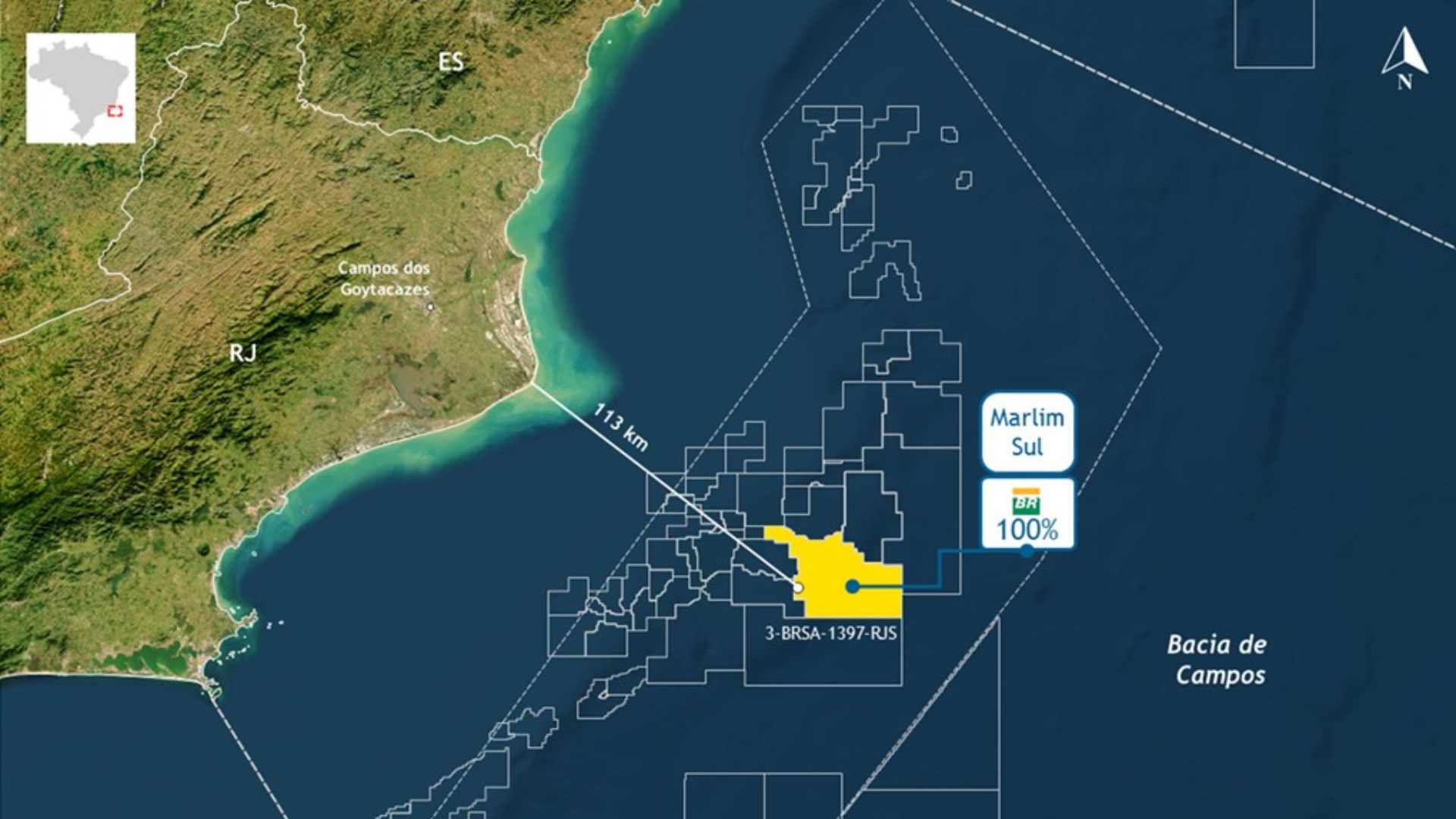
Petrobras announces new oil discovery in the pre-salt of the Campos Basin and reinforces Brazil’s prominence with high-quality reserves that can increase production and energy revenues.
-
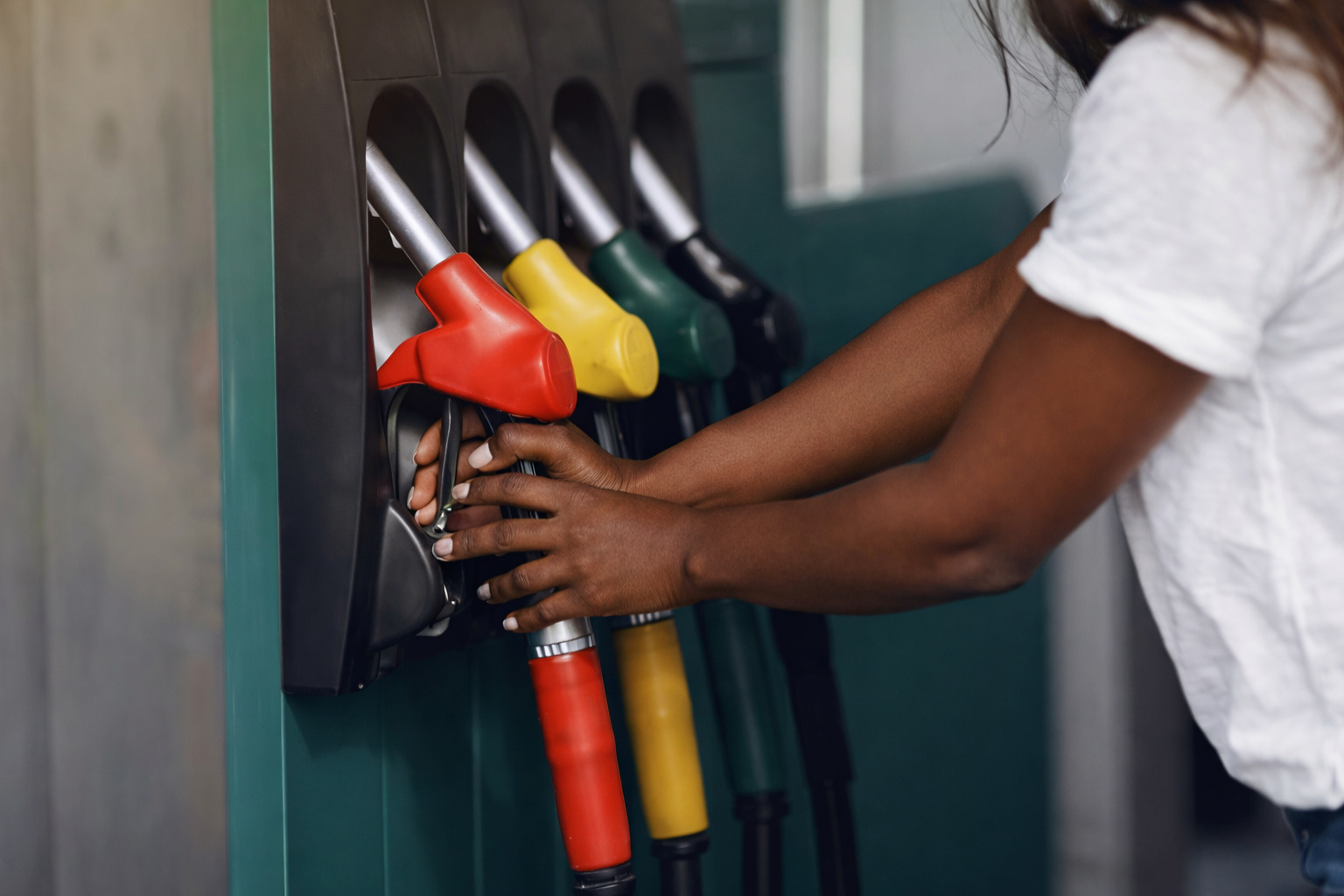
Alert in the fuel market: Analysts and a former director of ANP warn that oil prices may worsen in the coming months due to global instability.
-
Lula’s government changes rule in important benefit and thousands of Brazilians will no longer receive it; see what has changed.


In this sense, the restaurant sector is already taking precautions for the consequences brought by the increase in gas canister prices. According to Paulo Solmucci, the executive president of the Brazilian Association of Bars and Restaurants (Abrasel), food-related businesses will pass on this increase in costs to the customers.
“Energy, rent, fuel, and now gas, which is a basic input for those dealing with food preparation. It is hard to see how this increase won’t end up on the menu,” Solmucci declared.
According to Fábio Neves, the substitution effect may become evident in this context. This will likely happen as the Brazilian population chooses to forgo certain items or reduce their usual gas canister usage. The economist reiterates: “One possibility is to use less. Not preparing meals that require a long cooking time, such as cake, for example, which consumes a lot of gas over time. Use it more rationally to make it last longer at home.”
As for bars and restaurants, their options include lowering profit margins, hoping that customers will absorb the increase in the bill, or changing the gas canister suppliers. “Restaurants should seek other suppliers to maintain the same price and not sacrifice profit margins, which will significantly reduce. Or the opposite, which would be to pass on the increase entirely. It remains to be seen if the customer is willing to pay,” concludes Fábio Neves.
Oil Production Increases Significantly at the Beginning of the Year and Goes Back Above 3 Million Barrels Per Day, According to ANP Data
The beginning of the year has been good for the oil production sector, which started on a positive note. According to data reported by the National Agency of Petroleum, Natural Gas, and Biofuels (ANP), in January, it averaged over 3 million barrels per day, reflecting a 5.5% increase compared to the same period last year, with growth in the pre-salt and post-salt areas. To learn more, click here to read the full news.








Seja o primeiro a reagir!