





 Portuguese
  English
  Spanish
  4 min of reading
  1 comment





In 1992, investor Anthony Scaramucci opened an account for his son, invested US$ 1,200 in Microsoft stocks, forgot the investment for almost 30 years, and today sees the fortune reach US$ 288 thousand thanks to automatically reinvested dividends since 2003, without redeeming, without sales, and without new contributions.
Recently, the story of a US$ 1,200 investment in Microsoft stocks made in 1992 came to light, which, forgotten for almost three decades, turned into a fortune of US$ 288 thousand due to the combined effect of appreciation and automatically reinvested dividends over 30 years.
The protagonist is Anthony Scaramucci, hedge fund manager and former White House communications director, who opened the retirement account for his son in the United States in 1992, asked the bank to reinvest all dividends from the stocks, and ended up losing track of the investment until he found the documents about 26 or 27 years later.
Small Investment for the Son Turns into Six-Figure Fortune
When he decided to open a retirement account for his son in 1992, Scaramucci only had in mind a modest financial cushion.
-
Spain surprises the world by erecting 62 artificial dunes, mixing sand with natural remains of posidonia, and causing the structure to lose only 1.4% of its volume in 1 year.

-
With 16 Bulava missiles, improvements in acoustic stealth, and a design focused on silent patrols, Russia’s nuclear submarine was born to ensure Moscow’s invisible retaliation and has become one of the pillars of its maritime strength.

-
‘Populous’ city in Rio among the worst in Brazil in national ranking and exposes silent development crisis.

-
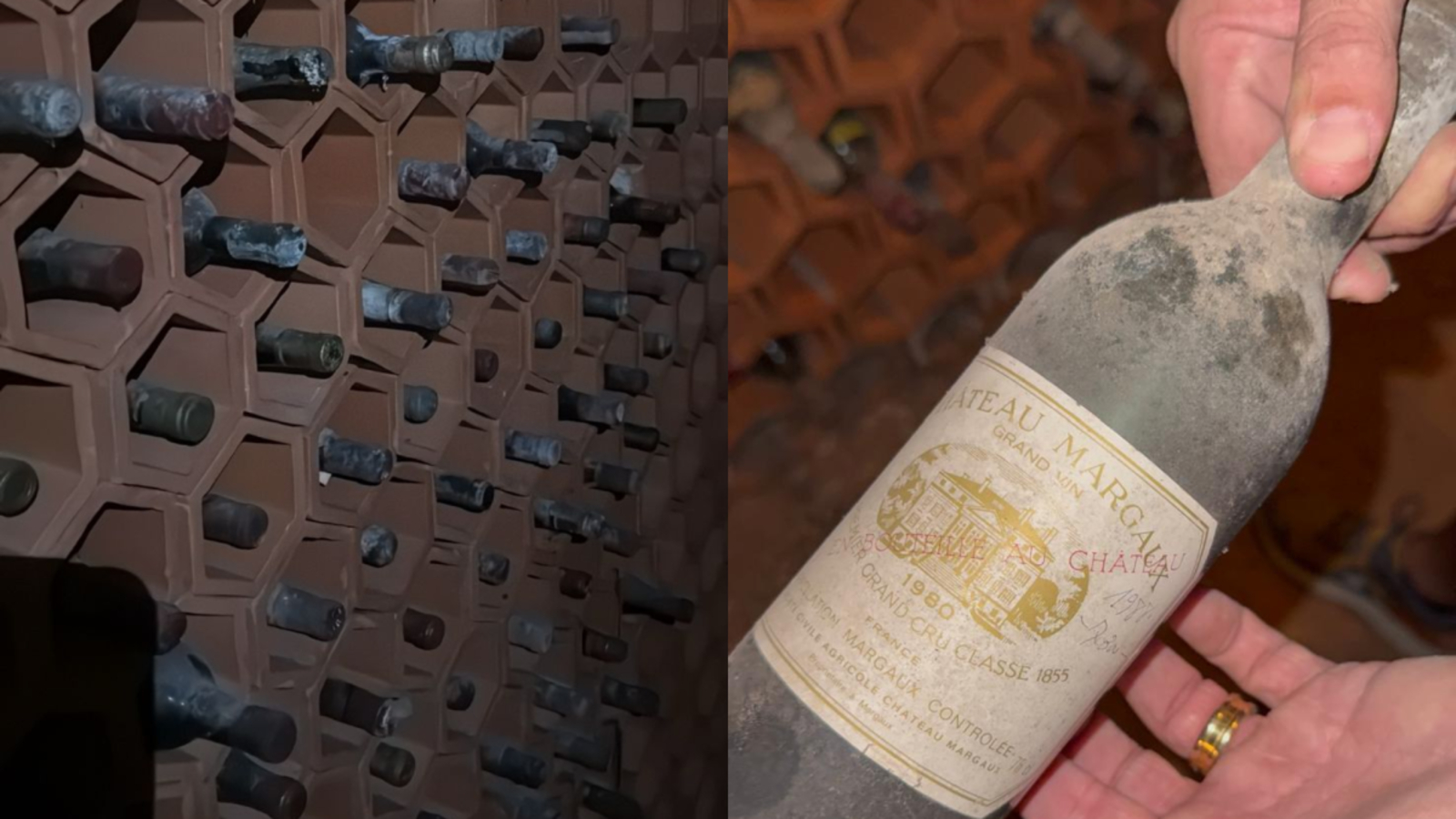
Couple buys house in the South Zone of São Paulo, opens a hidden door in the garage, and finds a secret wine cellar with dozens of old wines forgotten since the 1970s.

He allocated US$ 1,200 for the purchase of Microsoft stocks and recorded everything in a specific account at the bank, with explicit instructions for any dividends to be reinvested in the very same stock.
At that moment, Microsoft was not yet paying dividends, which makes the reinvestment instruction a curious detail in the origin of this fortune.
Over the years, amid changes of address and professional routines, the manager lost direct control of the account and stopped tracking the evolution of the investment, which remained off the family’s radar for nearly three decades.
Dividends, Compound Interest, and 30 Years of Involuntary Patience
Starting in 2003, Microsoft began to distribute dividends regularly, and the bank started to comply with the original order.
All dividends were automatically reinvested in new shares, without any intermediate withdrawals.
What started as a small position gained momentum as the dividends accumulated and the company itself grew in market value.
When Scaramucci found the account documents, about 26 or 27 years after the initial purchase, he was shocked.
He publicly stated that the balance had increased by US$ 88 thousand, but was corrected by his son.
The actual amount was a fortune of US$ 288 thousand, almost 240 times the amount invested in 1992, a direct result of time combined with disciplined reinvestment of dividends.
How Forgetting Prevented Bad Decisions
In interviews, Scaramucci acknowledged that if he had tracked the position day by day, he probably would have sold the stocks during Microsoft’s stagnation period under Steve Ballmer’s management.
The forgetting, which in other circumstances would be a serious financial planning error, ended up protecting the position from impulsive decisions over three decades.
Without redemptions, asset swaps, and with dividends automatically reinvested, the account behaved like a classic long-term experiment in variable income.
The story reinforces how a stock fortune can be built both by the quality of the asset and by the absence of constant investor interference, especially during times of uncertainty or mediocre performance.
Microsoft, Old Employees, and Other Stock Fortunes
The trajectory of Microsoft over the last three decades has not only benefitted this forgotten retirement account.
The increase in the company’s market value generated substantial gains for early employees and long-term investors who maintained positions even in less favorable phases.
In many cases, the multiplier effect of years of appreciation and reinvestment has created a personal fortune that is hard to replicate in other assets.
A frequently cited example is Gabe Newell, a former Microsoft employee who used the wealth accumulated from the company’s shares to found Valve and develop the Steam platform, now one of the largest global references in the gaming industry.
Although this is a distinct path from the account opened by Scaramucci for his son, both cases illustrate how equity holdings maintained over long periods can become crucial levers for career, wealth, and innovation.
Long-Term Lessons for Investors and Families
The experience reported by Scaramucci exposes three central elements for those investing with decades-long horizons.
First, the importance of choosing assets with solid fundamentals and the ability to weather cycles.
Second, the power of reinvested dividends over time, often underestimated.
Third, the risk of emotional decisions that can destroy value before a fortune has a chance to form.
For families looking to build wealth for children or heirs, the case suggests that long-term structures with little room for day-to-day interference and a focus on reinvestment may be more effective than constant attempts to anticipate market movements.
The combination of initial discipline, operational forgetfulness, and the growth of a winning company transformed US$ 1,200 into US$ 288 thousand, without additional contributions.
In your opinion, when planning for the financial future of children, is it better to track every fluctuation in investments or to create a long-term strategy and let time work quietly for the construction of a fortune?








Deixe no FGTS pra vc ver se vai render. rs Nunca! Rende merreca!