





 Portuguese
  English
  Spanish
  3 min of reading
  1 comment


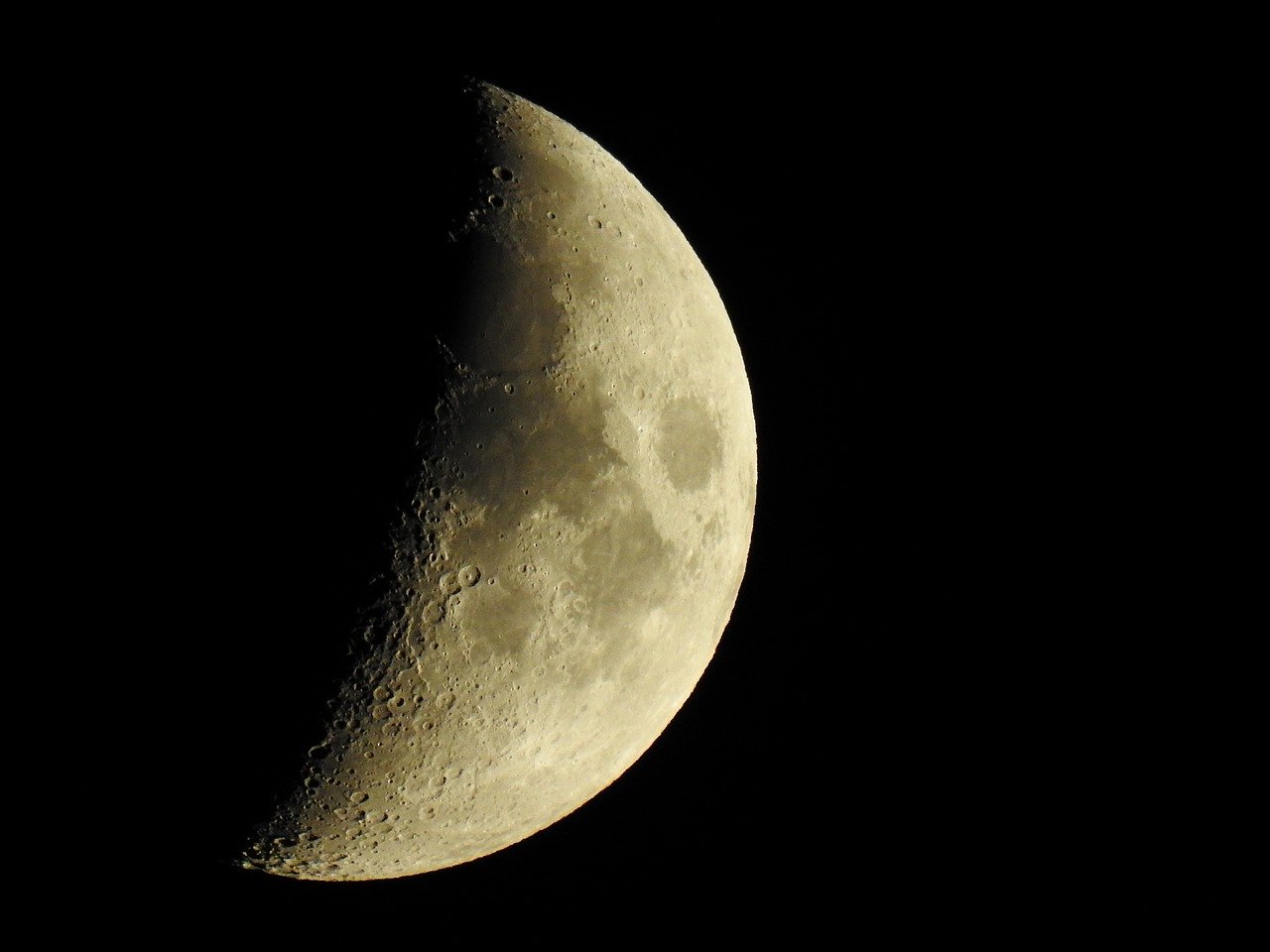


Elon Musk Was the Prime Suspect, But the Truth About the Rocket’s Origin Is Surprising and Raises Important Questions About Space Debris.
In March 2022, the world watched a rocket fragment collide with the Moon, creating a mysterious double crater. Initially, experts believed the object belonged to SpaceX, Elon Musk’s company.
However, a surprising twist revealed the true origin of the space debris.
A Crater With a Chinese Signature?
On March 4, 2022, astronomers observed the impact of a rocket fragment near the Hertzsprung crater on the far side of the Moon.
-
A street vendor from Praia Grande built a robot made of scrap from scooters and washing machines that pulls his popcorn cart on the beach, emits sounds, and interacts with customers, becoming an attraction on the coast of São Paulo.

-
The specifications of the Xiaomi 18 Pro Max have been leaked, and the highlight is a dual 200 MP camera with a new 22-nanometer technology that promises to consume less energy and capture details in shadows and bright areas using LOFIC HDR.
-
If the trip to the Moon were a hoax, it would be necessary to keep the secret among 400,000 people for more than 50 years and to deceive even the Soviet Union, which was tracking the radio signals coming from the exact direction of the satellite during each Apollo mission.
-
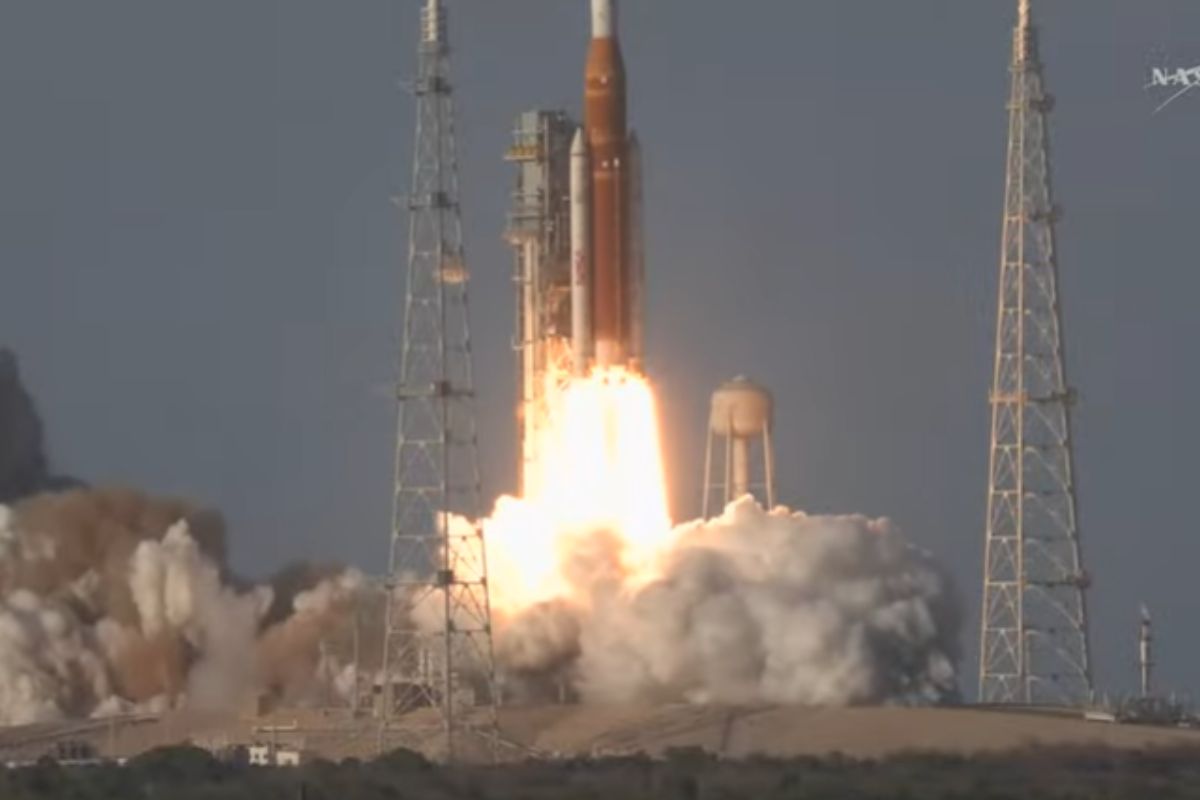
Artemis 2 launches at 7:35 PM with four astronauts and ends a 50-year fast in lunar orbit: the SLS rocket departs from Florida, the mission lasts 10 days, circles the far side, and tests Orion in a free-return trajectory.

The event generated a double crater about 29 meters wide. At first, it was believed that the object was a stage of the SpaceX Falcon 9 rocket, launched in 2015.
However, a new possibility emerged: the third stage of the Long March 3C rocket, from the Chinese Chang’e 5-T1 mission, launched in 2014.
This mission, part of China’s ambitious space program, added a new layer of intrigue to the incident.
The Truth Unveiled
The mystery began to unravel thanks to a study published in the Planetary Science Journal.
Led by Tanner Campbell from the University of Arizona, the research team analyzed the trajectory and characteristics of the object. The conclusion was irrefutable: the fragment belonged to the Chinese Chang’e 5-T1 mission.
“We tracked the object’s movement and analyzed how light reflected off its surface“, explained Campbell.
“The data matched the profile of the third stage of the Chang’e 5-T1.” This revelation was even more surprising because the Chinese space agency had claimed that the rocket had disintegrated in Earth’s atmosphere.
Unraveling the Enigma
The Catalina Sky Survey, which monitors near-Earth objects, had detected the moving object and cataloged it as WE0913A.
By comparing its brightness and movement patterns with thousands of known space debris, Campbell’s team ruled out the Falcon 9 hypothesis.
Interestingly, the study revealed that the object spun stably, unlike other rocket stages that tend to fall uncontrollably.
This stability suggests a unique structural design, possibly with additional instruments that contributed to the formation of the double crater.
Future of Space Exploration
The discovery not only solves the mystery of the lunar crater but also highlights the increasing complexity of space missions.
As space becomes more contested, incidents like this reinforce the importance of collaboration and transparency among nations.
The identification of the Chinese fragment adds to the country’s list of achievements in space exploration. China has shown great ambition in its missions, further fueling the global space race.
Both SpaceX and China will continue to push the boundaries of aerospace technology. Whether seeking faster travel around the Earth or building lunar bases, the future of space exploration promises to be exciting and full of challenges.
Humanity’s journey toward the stars continues, and events like this remind us of the importance of responsibility, collaboration, and the relentless pursuit of knowledge.
The study that identified the fragment as belonging to the Chinese Chang’e 5-T1 mission was published in the renowned Planetary Science Journal.






Começou a poluição da Lua, já não basta a da Terra…