





 Portuguese
  English
  Spanish
  4 min of reading
  0 comments


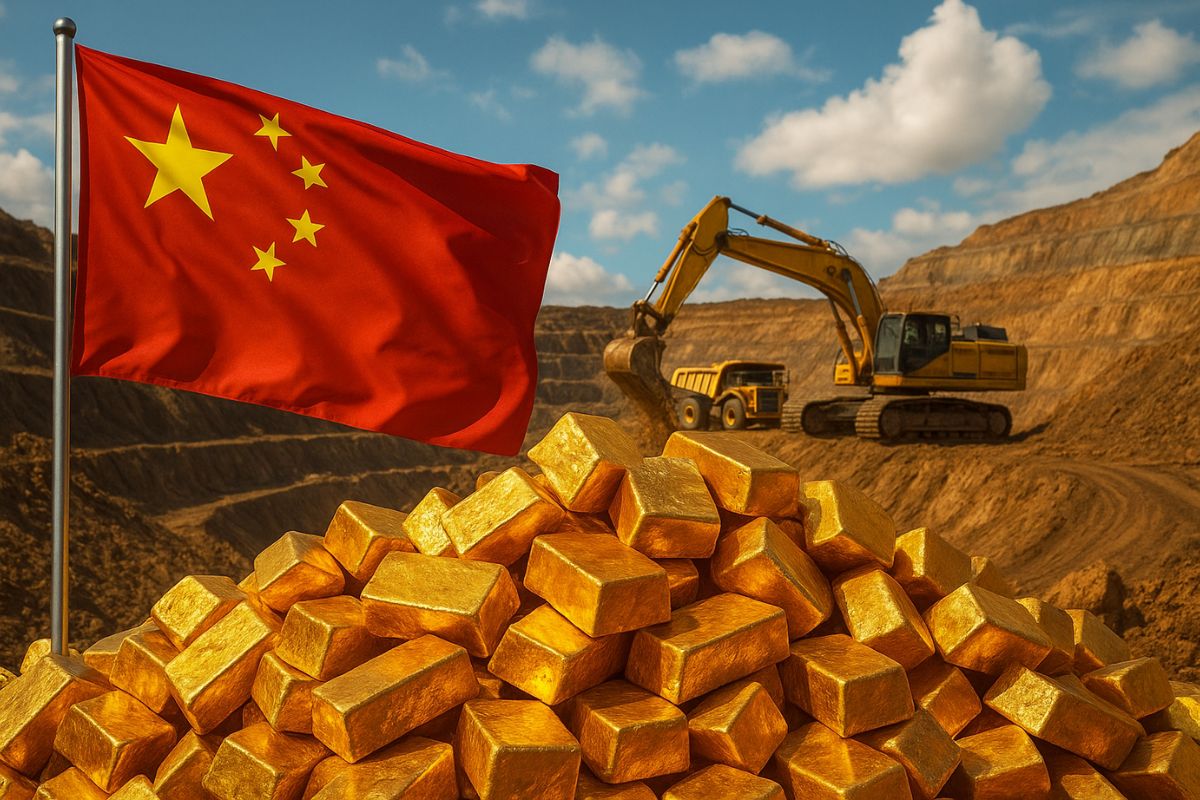
With More Than 1,000 Estimated Tons and Veins Reaching 3,000 Meters Deep, the Wangu Deposit Could Redefine the Global Market and Consolidate Chinese Mineral Leadership.
According to the portal sciencealert, China has discovered a gold deposit valued at US$ 83 billion, considered the largest modern find in recent history. The Wangu vein, located in Pingjiang County, Hunan Province, boasts over 1,000 tons of high-purity gold, according to initial estimates from the local Geological Institute.
The discovery, announced at the end of 2024, confirms China’s position as the largest global producer and importer of the precious metal, but now with potential to also become self-sufficient in reserves, reducing the dependence on strategic imports.
Where Is the Super Deposit and Why Is It Unprecedented
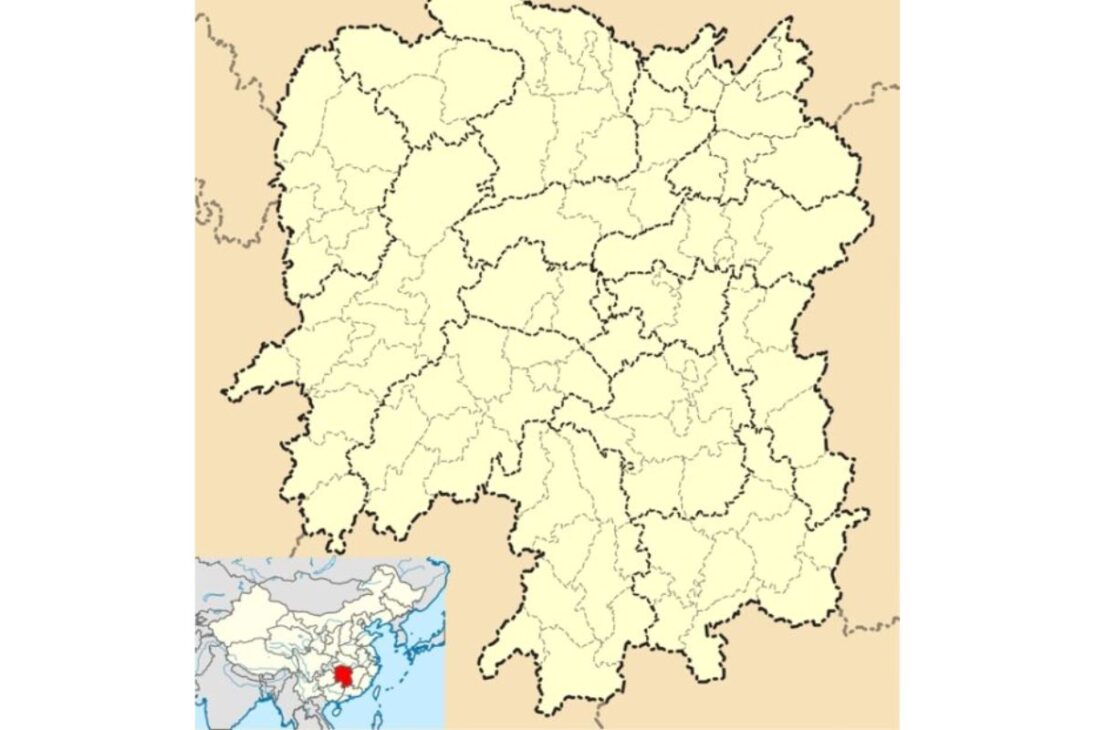
The Wangu gold field is located in an area of complex and hard-to-access geology in central China.
More than 40 gold veins have been identified, some reaching up to 3,000 meters deep, with samples yielding up to 138 grams of gold per ton of ore—a much higher figure than the global average.
The geological study utilized 3D modeling and high-precision seismic sensors, allowing for unprecedented detail in mapping the underground.
-
Neither Brazil nor the USA: China produces over 60% of the world’s farmed fish and accounts for about 40% of all global seafood, using industrial-scale aquaculture megafarms to influence the international market and supply billions of people.
-
Archaeologists opened the only Etruscan chamber never looted in 2,600 years and found four individuals lying on stone beds with 110 intact objects around them, and the inscriptions found in the tomb have not yet been deciphered because the Etruscan language is a mystery that science has not yet solved.
-
Health issues urgent alert for flu and calls for the vaccination of the elderly, children, and pregnant women this Saturday with Day D and drive-thru in Curitiba.

-
What seemed like waste has turned into a barrier, and now human hair collected from salons helps retain debris in the water of ancestral channels in Latin America.

Experts point out that this technological combination marks a new era in deep mineral prospecting, capable of identifying hidden deposits below traditional excavation levels.
A Landmark Comparable to the Largest Mines on the Planet
If the estimates are confirmed, the Wangu deposit exceeds the South Deep Mine in South Africa, previously considered the largest gold reserve in the world, with around 930 tons.
In volume, the Chinese find equates to nearly eight times the weight of the Statue of Liberty.
In value, the US$ 83 billion in reserves represents approximately 600 billion yuan, placing the mine on par with the wealth of all official gold reserves of Switzerland.
For comparison, the total estimated at Wangu is more than twice the annual global gold production, according to global industry data.
Economic and Strategic Impacts of the Discovery
Beyond its commercial value, the new deposit carries geopolitical and financial weight. Gold is one of the main instruments of currency reserve and monetary stability.
By strengthening its internal reserves, China increases its economic defense capacity in times of global instability and gains leverage in international negotiations.
Domestically, the find could reduce the need for imports, stimulate regional investments, and create a new high-tech mining hub in the country.
Economists also highlight the indirect impact on exchange rates and the global precious metals market, as a new significant supply source is likely to influence prices and future contracts.
The Technical and Environmental Challenges of Extraction
Exploring a deposit at depths of up to 3,000 meters represents one of the greatest technical challenges of modern mining.
Operational costs increase by about 20% for every 500 meters of depth, requiring special equipment, enhanced ventilation, and constant seismic monitoring.
The Chinese government has already indicated that the operation will need to meet strict environmental standards due to the risk of ground subsidence and aquifer contamination.
According to experts, the success of the exploration will depend on balancing economic profitability and environmental sustainability, something China aims to project as a model for future mineral operations in the country.
The Gold of Wangu and the New Global Balance
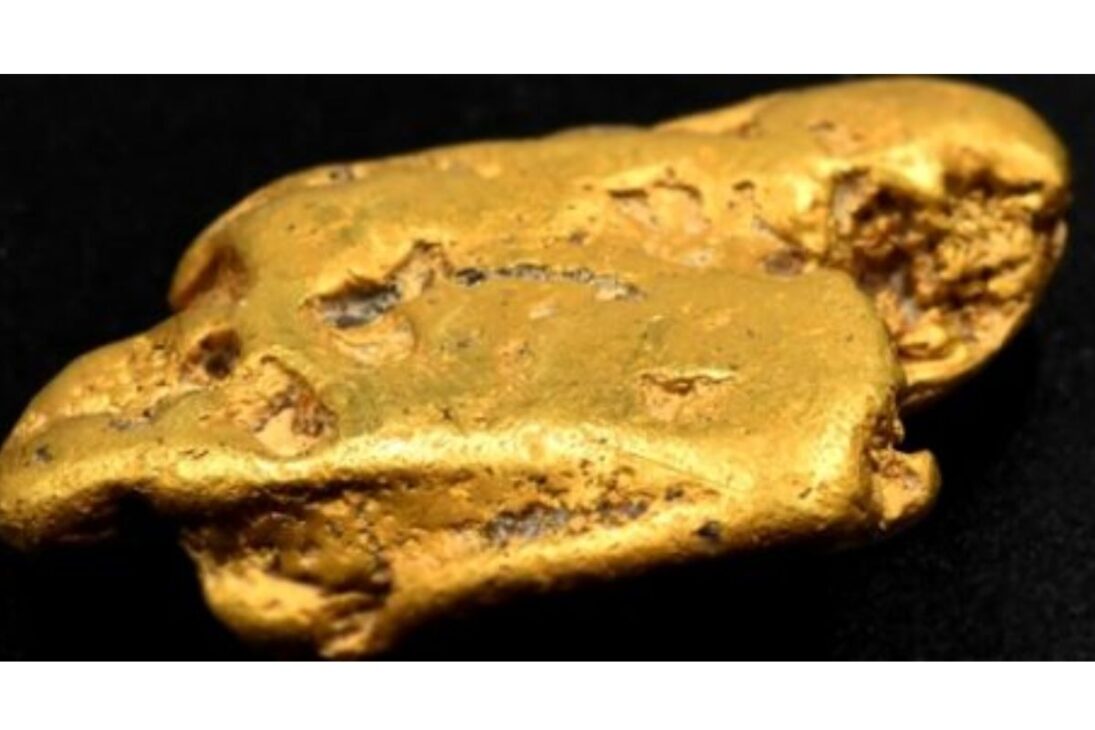
The discovery comes at a time of increased metal reserves by central banks and growing demand for physical protective assets, such as gold.
If projections are confirmed, Wangu could reposition China as a powerhouse in the global supply of the metal, with direct effects on the balance between major producers South Africa, Australia, Russia, and Canada.
Commodity analysts see the discovery as a turning point: it shows that large deposits are not a thing of the past and that deep exploration technologies may spark a new gold rush in the 21st century.
Do you believe that China should accelerate the exploration of the Wangu deposit even in light of environmental risks and the deep extraction costs? Or would it be better to keep the gold underground as a strategic reserve for times of global crisis? Share your opinion in the comments we want to know what you think about the discovery that may redefine the global gold map.






-

-

-

-

-

10 pessoas reagiram a isso.