






 Portuguese
  Spanish
  4 min of reading
  0 comments


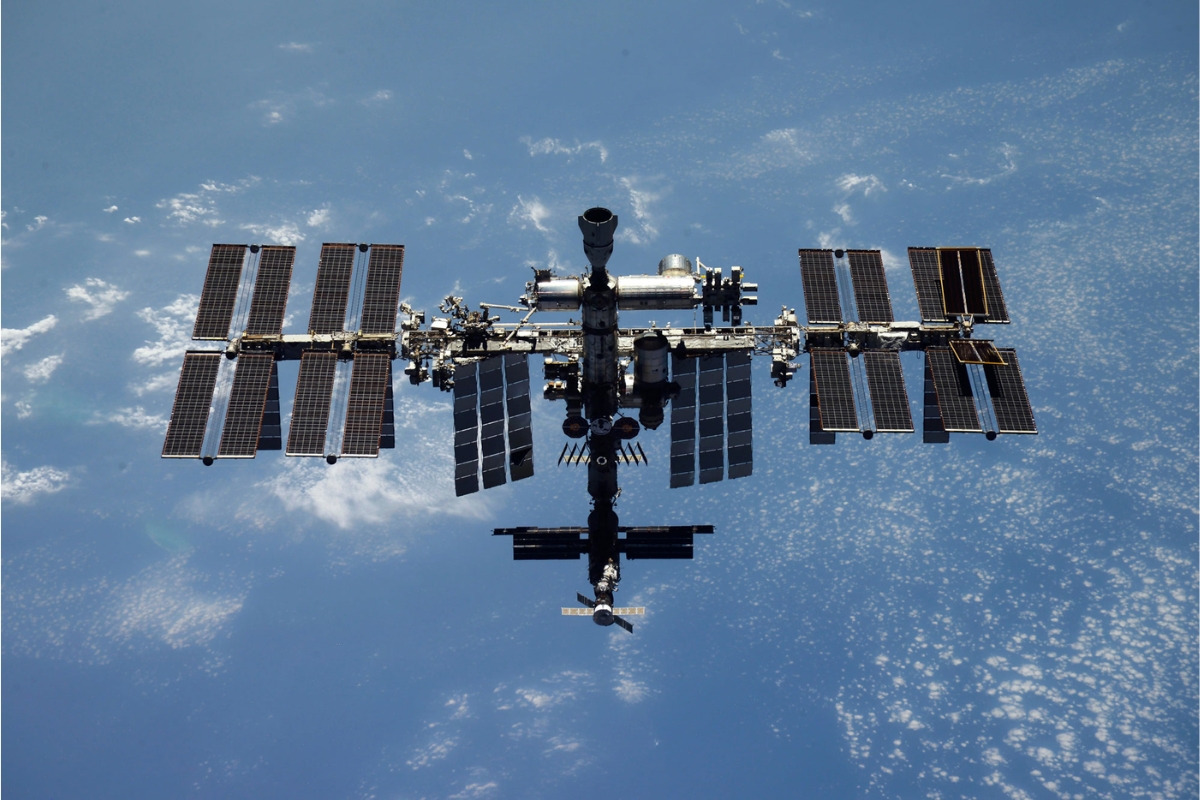
Since 1998, the ISS Has Served as an Orbital Laboratory for Over 4,000 Scientific Experiments. In 2030, It Will Be Decommissioned, Marking the Transition to Private Space Stations Supported by NASA
Since November 2000, the International Space Station (ISS) has maintained a continuous human presence in low Earth orbit.
This historic milestone will soon complete 25 years. Regarded as one of humanity’s greatest achievements, the ISS symbolizes scientific cooperation among the United States, Europe, Canada, Japan, and Russia.
However, this journey has a set timeline: in 2030, the station will be deorbited in a controlled maneuver, sinking into a remote region of the Pacific.
-
Tired of seeing people living on the streets for years, after 12 years of trying, Des Moines approved micro-houses ranging from 18 to 36 m² with affordable rent: Joppa Village promises to become a model of social housing for the homeless population.

-
At 29 years old and tired of the corporate routine, a young man leaves his 11-year career, sells almost all his possessions, buys a sailboat, and sets off from Oregon to Hawaii accompanied only by his cat.

-
Saudi takes his Toyota Hilux 4×4, leaves Riyadh, crosses 23 countries, and drives about 6,000 kilometers for almost three weeks to northern Norway to fulfill the dream of seeing the northern lights.

-
An 84-year-old mother wakes up before midnight in Japan, keeps a family bakery open for 55 years, and sells cheap handmade bread; the shop in Fukuoka produces up to 400 units a day with the help of her son.





For engineers, astronauts, and scientists who have participated in its construction since 1998, the end of this project will mark the conclusion of a unique cycle.
Still, it paves the way for a new phase, where the spotlight will shift to private companies with their own stations.
A Scientific Laboratory Beyond Earth
Over more than two decades, the ISS has been the site of over 4,000 experiments in areas such as biotechnology, materials science, astrophysics, combustion, optics, and even genetic engineering.
These studies have resulted in more than 4,400 peer-reviewed scientific articles. Among the advancements are improvements in the crystallization of cancer drugs, tests for growing artificial retinas, DNA sequencing in orbit, and processing of ultrapure optical fibers.
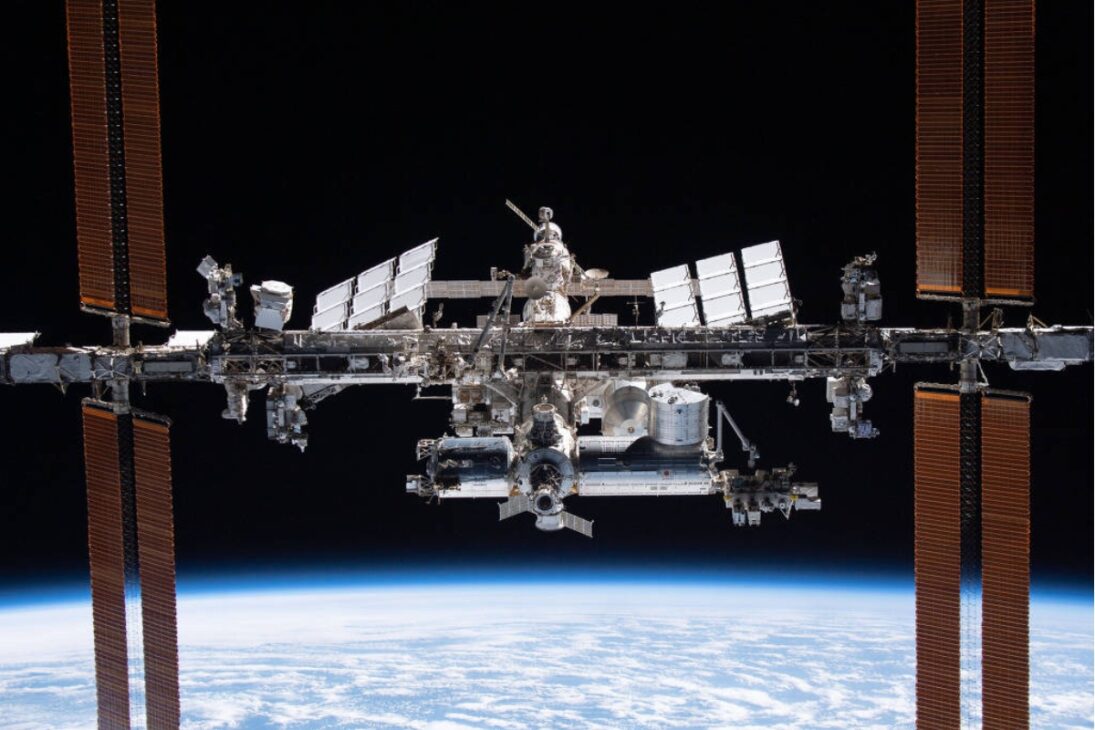
Research in microgravity has revealed phenomena that cannot be fully simulated on Earth.
The effects of long periods without gravity on the human body, the interaction between cosmic radiation and living organisms, and the dynamics of fluids and fuels in extreme conditions have been investigated.
All of this has not only propelled science but also helped pave the way for future missions to the Moon and Mars.
From International Cooperation to the Space Market
Despite its scheduled end, NASA and international partners do not intend to abandon continuous presence in space.
The model is now different: the private sector. Since 2021, the U.S. space agency has been funding commercial projects to replace the ISS, investing over US$ 400 million in companies like SpaceX, Boeing, Axiom Space, and Blue Origin.
The goal is to replicate the success of the model already used for transporting cargo and crew, where NASA contracts services instead of operating the vehicles directly.
This strategy reduces costs and accelerates innovations, allowing space to be explored as a business as well.
In September 2025, NASA issued a new solicitation (Phase 2) to support the development of private stations.
Selected companies will need to demonstrate the minimum capability to support four astronauts in orbit for at least 30 days.
They will receive funding for testing, safety certification, and, in the future, may be contracted by the agency for scientific missions.
The International Competition
While the U.S. invests in commercial stations, China already maintains a stable presence with the Tiangong space station.
It has been continuously occupied by three astronauts since 2021. If the ISS is decommissioned in 2030, Beijing could claim the title of the longest-operating inhabited station.
This contrast illustrates a shift in the balance of space power. The West moves toward public-private partnerships, while China continues with the state model, expanding its influence.
Experts believe that the race for orbital stations will be as strategic as the exploration of the Moon and asteroids, defining the future of the global space industry.
The Farewell to an Icon
There are still a few years left until the ISS is decommissioned.
However, each nighttime flyby serves as a reminder of its grandeur. Visible to the naked eye as a bright point crossing the sky, it has already become part of the collective imagination.
The ISS is a symbol of what humanity can achieve when science, technology, and cooperation unite.
Just as the space shuttle was replaced by new vehicles, the ISS will make way for more modern and versatile stations.
The future of space will be shared between governments and private companies, but the history of the first international station will remain etched as a unique chapter in science and global cooperation.
This article was originally published in The Conversation. Click here to access the full version







-

-

3 people reacted to this.