





 Portuguese
  English
  Spanish
  3 min of reading
  14 comments


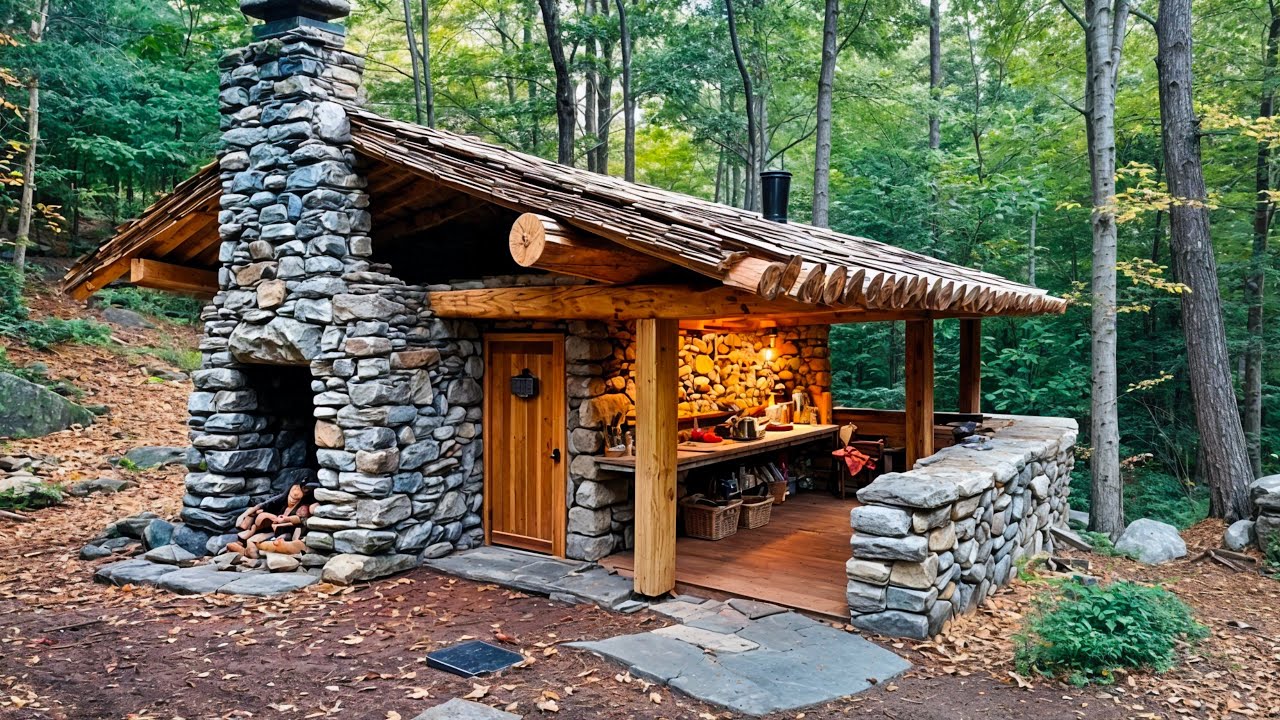


Alone and In Just 117 Days, Man Builds a Stone House in the Mountains Without Using Nails, Cement or Machines, Living in Extreme Isolation and Ancestral Techniques.
Spending 117 days isolated in the mountains, facing cold, absolute silence, and daily physical labor, sounds like the plot of a survival movie. But this was exactly the real challenge taken on by a man who decided to build a stone house from scratch, without nails, without concrete, without machines, and without any external support. Just manual tools, physical strength, discipline, and ancient building techniques. The result was a rustic, functional shelter perfectly integrated into the landscape, built stone by stone on rocky terrain, far from any modern infrastructure.
Why Would Someone Decide to Build a Stone House in the Mountains
The decision to live alone for nearly four months on an improvised construction site goes far beyond architectural curiosity.
It is a radical experiment in simplicity, physical endurance, and self-sufficiency. Each day was divided between sourcing materials from nature, planning the next phase of construction, and dealing with accumulated fatigue.
-
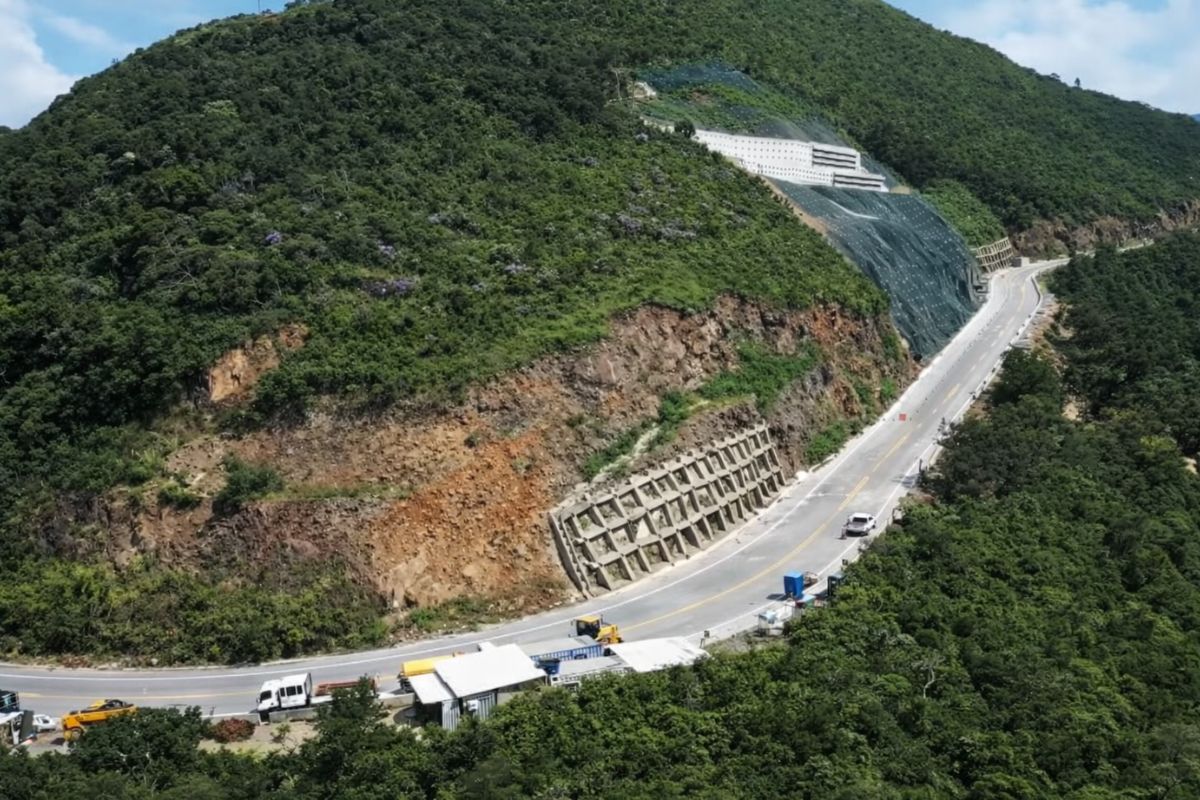
The section of Serra da Rocinha on BR-285 is now open in Timbé do Sul: 50 m tensioned curtains and top-down technique stabilize the slope, with a stairway duct controlling the water.
-
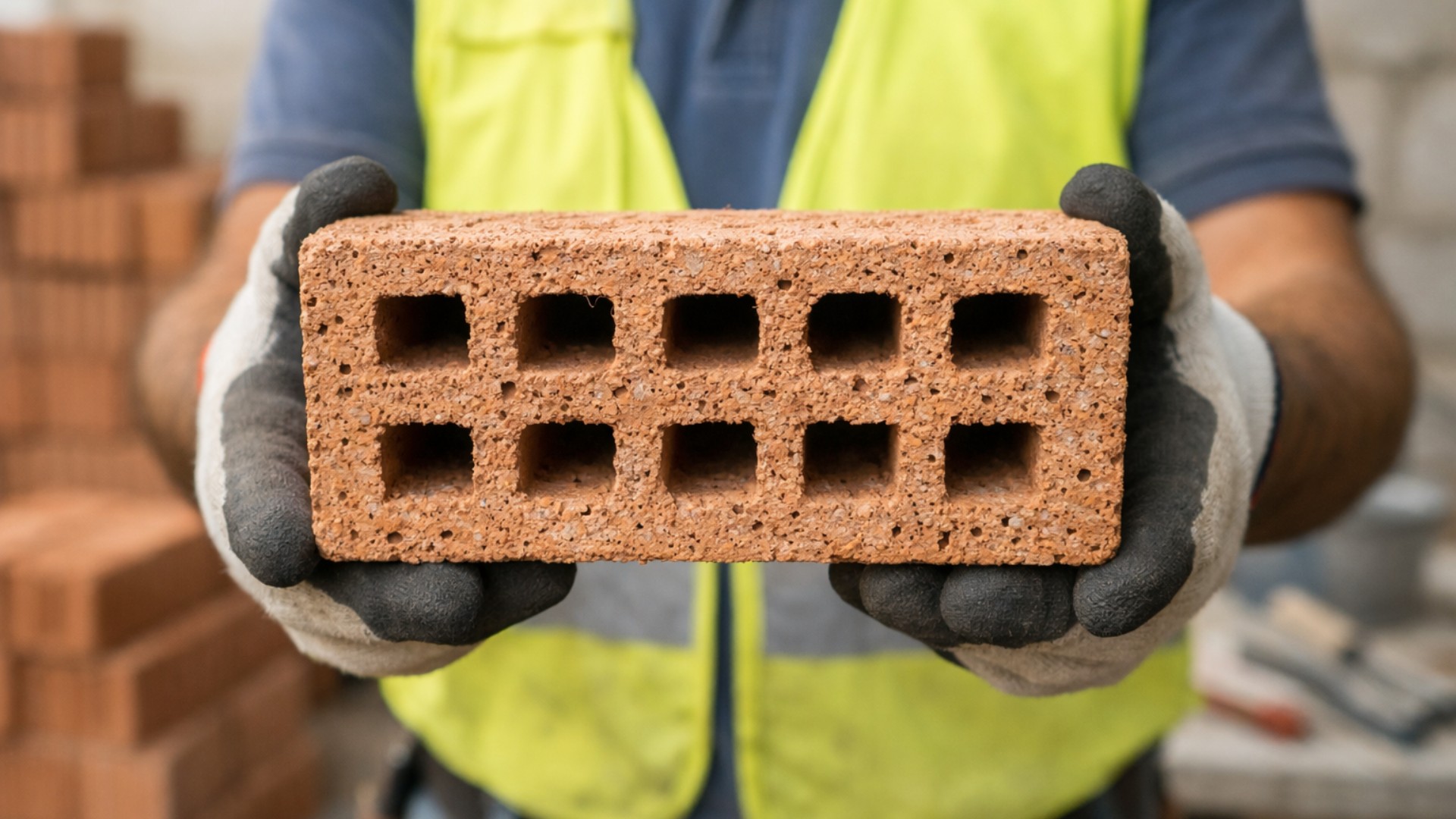
Scientists use sawdust mixed with clay to create a lighter brick, promising efficient thermal insulation and impressing by transforming waste into a solution for construction.
-
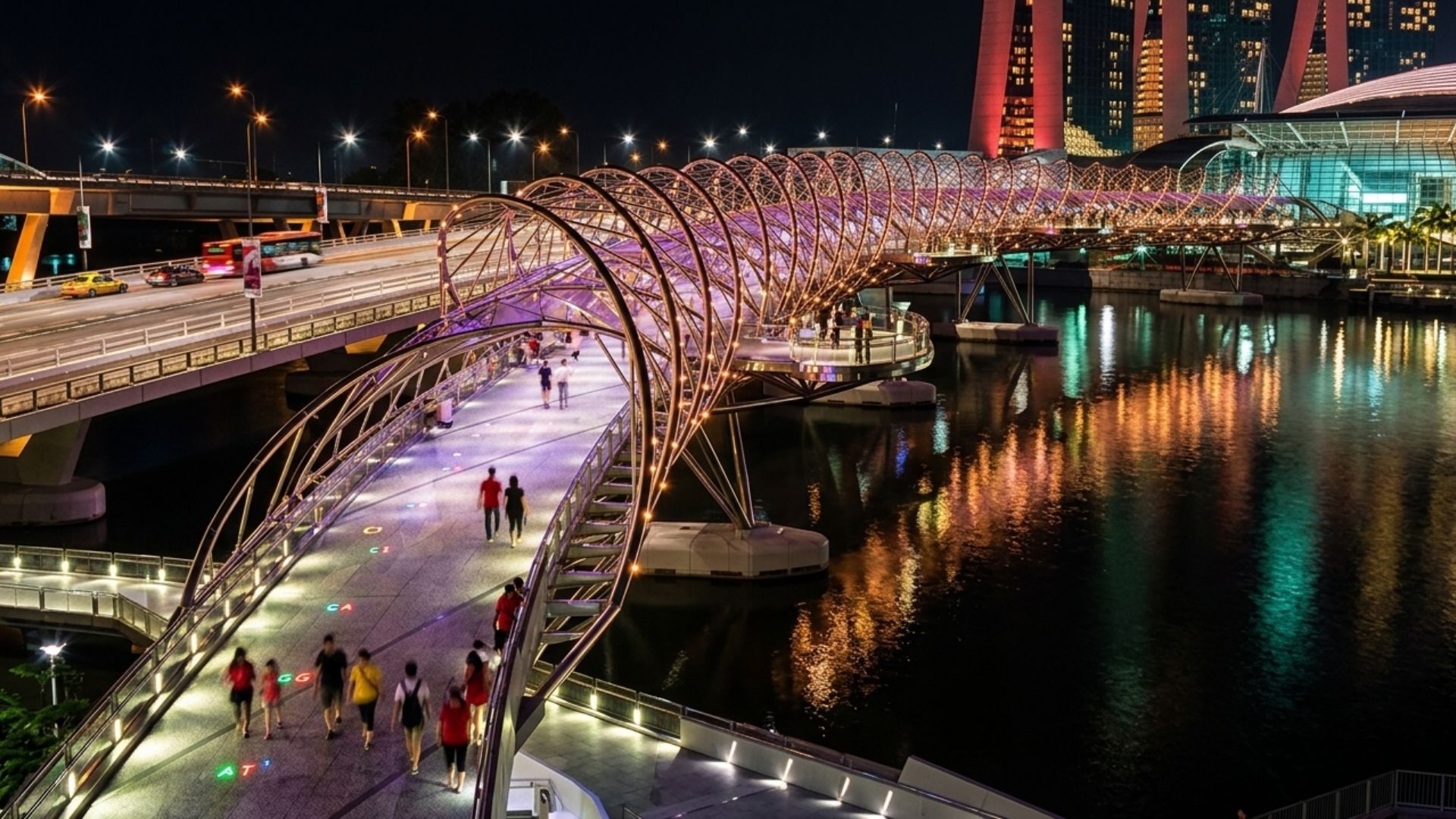
With a DNA shape, this bridge in Singapore draws attention in modern architecture and surprises tourists by transforming a simple crossing into an unforgettable visual experience in the urban heart.
-
Giant underwater pipeline begins to take shape with a R$ 134.7 million project at the Port of Santos: the 1.7 km structure uses 12-meter and 700 mm pipes to supply water to 450,000 people in Guarujá.


Without the internet, without machines, and without constant contact with other people, the project turned into an extreme laboratory of focus and adaptation, where mistakes could not be easily corrected and every choice had direct consequences.
How It Works to Build a Stone House Without Nails and Without Concrete
The central technique used was dry stone masonry, an ancient method in which weight, precise fitting, and gravity completely replace cement and mortar. Each rock block was chosen, cut, and shaped by hand to fit snugly, creating stable walls solely through the perfect adjustment of the stones.
Wood also played a crucial role. Instead of nails or screws, hand-carved joints were used, a traditional technique that requires millimeter precision.
When executed well, these joints ensure structural stability for the roof and internal parts, even in severe weather conditions.
Ancestral Techniques That Dismiss Modern Technology
The house ended up becoming a true showcase of traditional building methods, many of which have been used for centuries in rural and mountainous regions. The adopted solutions prioritize planning, observation of the land, and respect for the materials available on site.
The principle is simple but requires experience: using nature itself as an ally, not as something to be dominated by heavy machines or industrialized materials.
117 Days of Isolation as a Physical and Mental Test


Building a house under these conditions is not just a technical challenge, but also an intense emotional test. The builder had to cope daily with loneliness, heavy labor, unstable weather, and full responsibility for every stage of the construction — from transporting the stones to preparing the fire for heating and cooking.
There was no margin for serious failures. Any mistake meant rework, more physical effort, and loss of time in an environment where each day demands maximum energy.
What This Experience Reveals About Human Limits
The journey invites deep reflection: how far can someone go when giving up modern comfort and relying solely on natural materials, ancient techniques, and their own physical and mental disposition?
The project shows that, even in a hyper-connected world, it is still possible to build shelter, safety, and functionality with minimal resources — as long as there is planning, patience, and resilience.
More than a house, the construction became a symbol of extreme self-sufficiency, inspiring those interested in survival, traditional architecture, and new ways of rethinking the relationship between technology, comfort, and nature.
A Simple Shelter, But Full of Meaning
At the end of the 117 days, the stone house does not impress with luxury or size, but with what it represents. It proves that ancestral techniques remain viable, that the human body is still capable of extraordinary feats, and that, far from modern conveniences, profound lessons emerge about limits, focus, and resilience.
It is a powerful reminder that sometimes, building something solid starts precisely by letting go of excess.









Vida com sintonia na natureza mas numa choupana alegre. Esforço que vale a pena, se os moradores se adaptarem ao viver sem os recursos da vida moderna. Minha saudação ao construtor.
Sim ele prendeu as pedras no cuspe
O testo fal em solidão, quem fil.mou pra ele?