





 Portuguese
  English
  Spanish
 3 min of reading


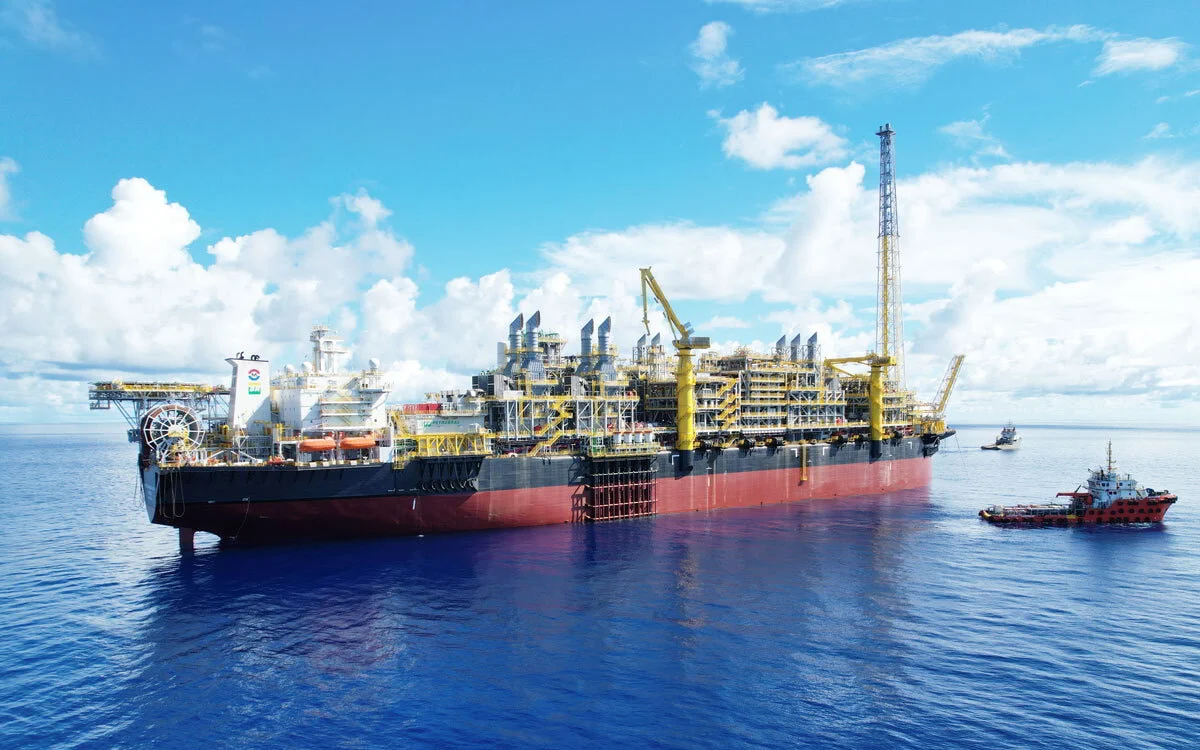
Maximum Capacity At The Pre-Salt Station Of The Santos Basin. This Was The Announcement By Petrobras Last Friday (13). The Brazilian State Oil And Gas Giant Presented The Production Numbers Of The Floating Production, Storage And Offloading (FPSO) Guanabara, Which Is Installed In The Mero Field, Santos Basin.
With Only Eight Months Of Operation, The 180 Thousand Barrels Of Oil (Bpd) Being Produced At The Unit Indicate Consistency In Production. In Addition To High Productivity, It Reflects That Development Strategies Have Been Rigorously Applied, Enabling Operational Safety.
The Mero Field, Located In The Santos Basin, Is The Third Largest Oil Field In Brazil, Behind Only The Tupi And Búzios Fields, Also Installed In The Pre-Salt Santos Basin. The FPSO Guanabara Has Four Production Wells And Three Gas Injectors, And Is The First Of A Series Of Four Definitive Platforms, All With The Same Installed Production Capacity, 180 Thousand Bpd Each. According To Petrobras’ Exploration And Production Director, Fernando Borges, All This Result Indicates An Evolutionary Scenario For The Platform.
In The Mero Field, The Unitized Operations Are Connected Through A Partnership Developed Between Shell Brasil Petroleum, With A 19.3% Stake; TotalEnergies EP Brasil, With The Same Percentage Stake; CNOOC Brasil Oil And Gas, 9.65%; Pre-Salt Petroleum (PPSA), 3.5%; And Petrobras, 38.6%.
-
Brazilian giant expands borders in the Southeast: Petrobras confirms new oil discovery in ultra-deep waters in the pre-salt of the Campos Basin.

-
Alert in the global energy market: Severe tropical cyclone hits the coast and disrupts gas production at major plants in Australia, threatening global supply.

-
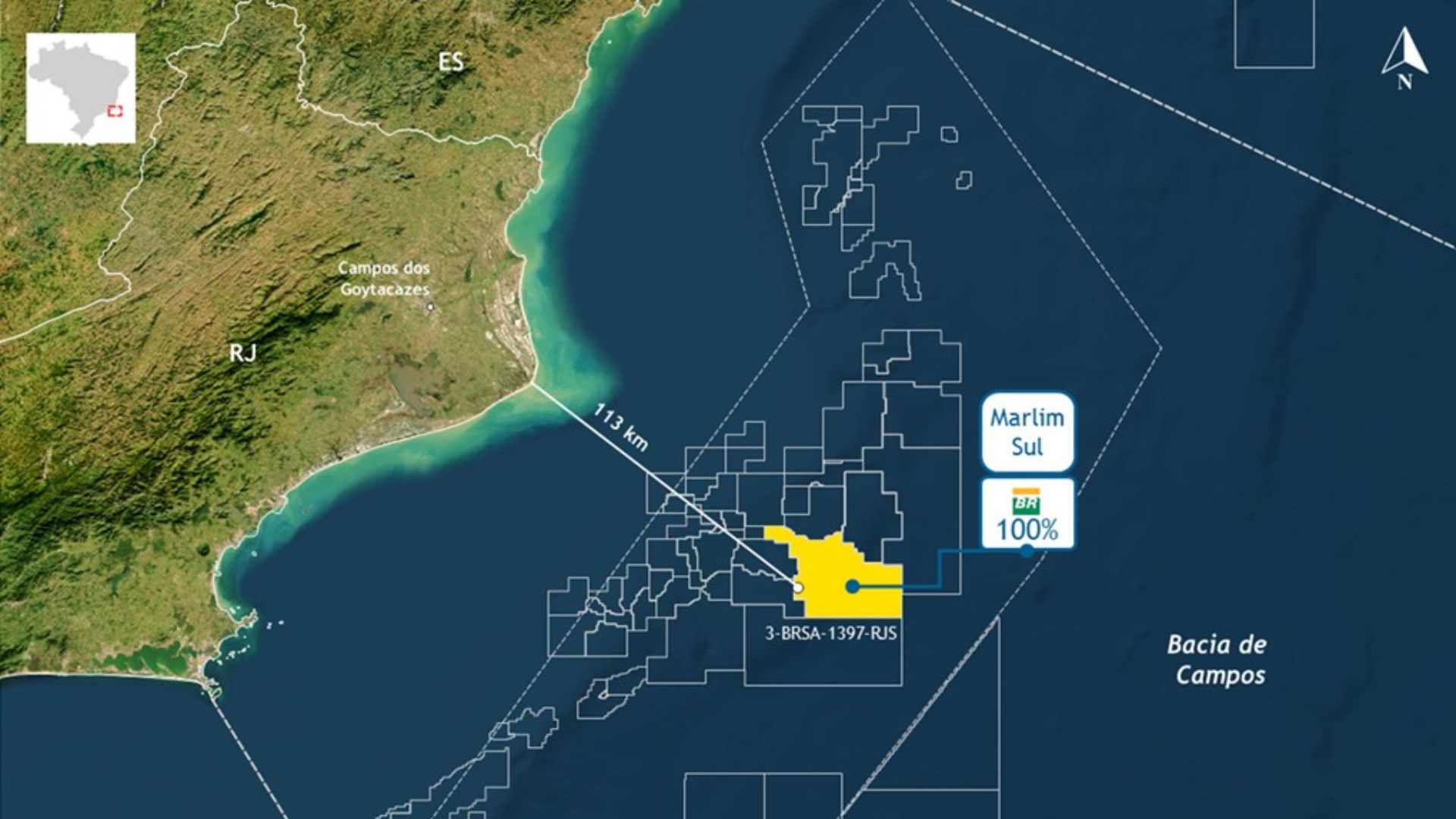
Petrobras finds high-quality oil in the pre-salt at 113 km from RJ and reignites expectations about strategic reserves in the Campos Basin.

-
Ocyan opens registrations for startups focused on innovation in the oil and gas sector and will select projects for Innovation Day with the support of Nexio.


The Performance Achieved, Besides Being A Result Of High Productivity Per Well, Also Results From The Acceleration Of The Learning Curve And The Use Of Cutting-Edge Technologies, For Example, The Loop Configuration For Gas And Water Injection Wells, Promoting The Separation Of CO2 (Carbon Dioxide) By Membranes.
Emission Reduction
The FPSO Guanabara Boasts One Of The Most Robust Carbon Capture, Utilization, And Storage Programs Currently Seen. The Program, Called CCUS, Operates With 45% Gas, And In This Way Emits Much Less CO2 Than Other Units.
But The Ambitions Of The Pre-Salt Field Are Even Greater, Which Is Why The Consortium Is Working On An Unprecedented Subsea Separation Technology, HISEP, To Be Used In The Field. The Goal Is For Gas Rich In CO2 To Be Separated And Re-Injected Into The Reservoir Also In The Deep Seas.
Another Measure That Also Ensures Emission Reductions Is The Use Of FPSO Pioneiro De Libra. This Unit Operates The Production System Known As SPA2. This System Is Responsible For Increasing Production By About 27.78% Of Bpd (50 Thousand). Thus, The Mero Field Has An Actual Installed Production Capacity Of 230 Thousand Bpd.
The Consortium Has Announced Plans To Install A Second Platform In The Mero Field For The Second Half Of This Year. Named Sepetiba, The New Platform Is Expected To Have The Same Installed Production Capacity. By 2025, The Expectation Is To Commission Two More Operating Units In Mero. With Five Units, This Field Alone Will Have An Installed Capacity Of 770 Thousand Bpd In Brazil.









Seja o primeiro a reagir!