





 Portuguese
  English
  Spanish
  3 min of reading
  0 comments


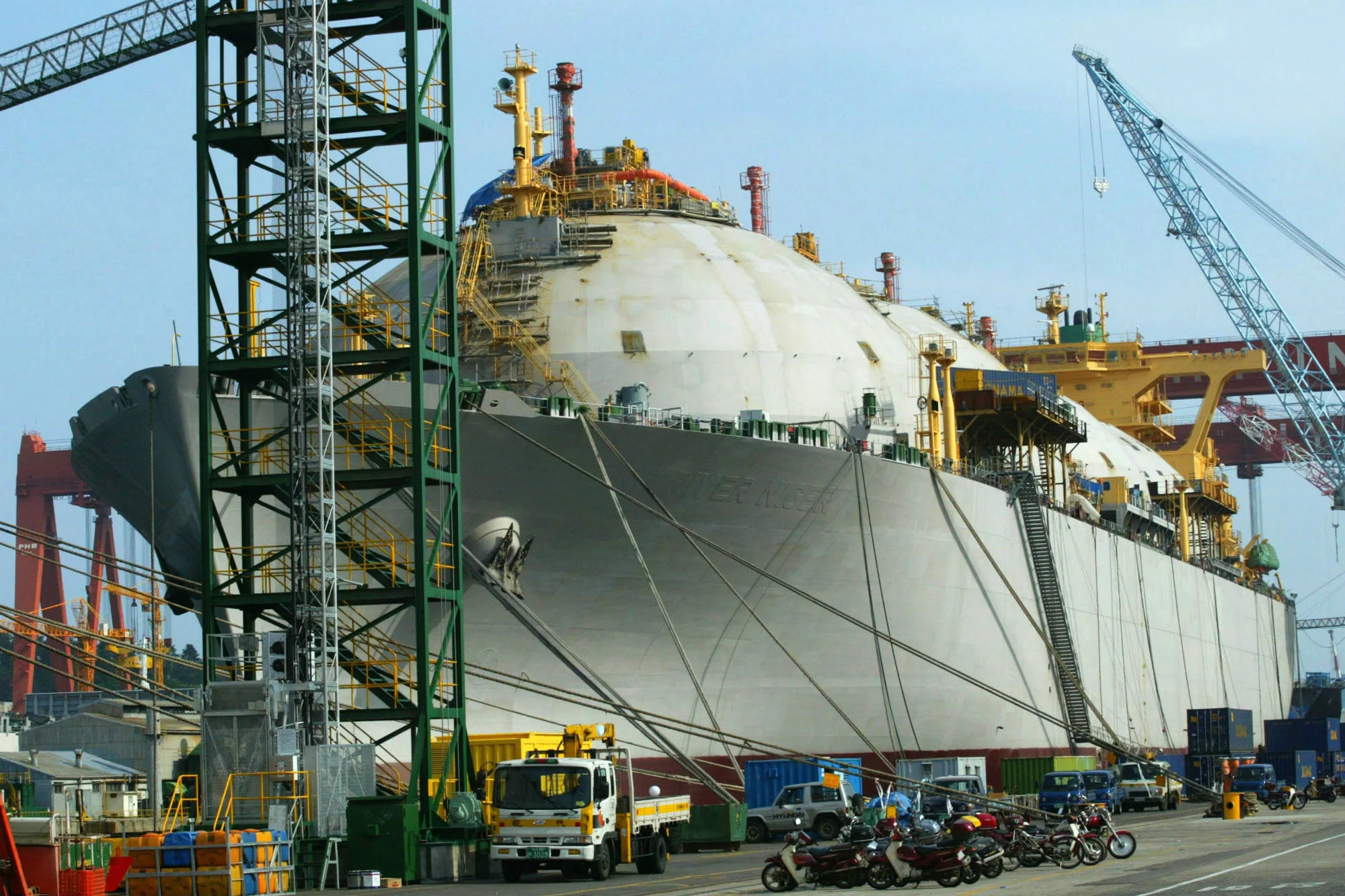
China Announces Creation of the World’s Largest Shipyard, CSSC. The Billion-Dollar Merger Aims to Cut Costs and Overcome Industry Turbulence.
A news story that showcases China’s ambition to cement its industrial leadership on a global scale. A US$ 16 billion merger between two Chinese shipyards is set to be completed in August 2025, a move that will result in the creation of the world’s largest shipyard.
The new naval giant, now named China State Shipbuilding, or CSSC, emerges amidst intense rivalry with the U.S. and aims to strengthen the sector amid global economic turbulence.
This is a landmark for the shipbuilding industry, which now has a new and imposing leader.
-
The government requests the Federal Revenue Service for a new system to automate the income tax declaration, reducing errors, time, and bureaucracy for millions of Brazilians.

-
Pix in installments, international Pix, and contactless payment without internet: the Central Bank revealed the new features coming to the tool that is already used by almost every adult in Brazil.

-
Mercado Livre has just started selling medications with delivery in up to three hours to your door, and this move could completely change the way Brazilians buy medicines on a daily basis.

-
In Dubai, rising tensions from the war in the Middle East are causing super-rich individuals to leave the Gulf and direct their fortunes to a new financial refuge in Asia.


Details of the Merger and the New Global Power
The new entity forming the world’s largest shipyard results from the union of two of the largest companies in the sector in the country.
As announced, CSSC, which was already one of the largest groups, will absorb its merger partner, China Shipbuilding Industry.
The integration process, which will be completed in August 2025, is a strategic maneuver aimed at creating an unprecedented naval power in history.
The scale of the new company is impressive and underscores its status as the world’s largest shipyard.
The merger will total over 530 ships and 54 million gross tons, a production capacity that far exceeds that of any other global competitor.
To give an idea of the scale, the new CSSC will have an annual revenue of around US$ 18 billion, solidifying its financial leadership position in the sector.
The significance of the merger extends across the market, as data from new orders by Clarksons Research shows that together, the companies accounted for nearly 17% of the global market last year.
The Strategy Behind the Merger and Rivalry with the U.S.
The merger is not just a matter of numbers and scale; it is, in fact, a strategic response to a complex geopolitical and economic landscape.
The merger expects to use its volume to cut costs and overcome sector turbulence caused by Trump’s measures.
The trade war and tensions between China and the United States have created an uncertain environment that has impacted the supply chain and international trade.
The new CSSC, with its colossal production volume, hopes to gain bargaining power, optimize the value chain, and reduce costs in ways its competitors cannot, thus shielding itself against future market fluctuations.
This move is also a clear reflection of rivalry with the U.S. in the technological and security realm.
China has been heavily investing in its navy and modernizing its commercial fleet.
Having the world’s largest shipyard under state control grants the Chinese government unparalleled capacity to produce ships for both commercial and military purposes, strengthening its position as a global naval power.
The Impact on the Global Market and the Future of the Naval Sector
The creation of the new giant, which is located in China, has a direct impact on the global shipbuilding market. Shipyards in countries like South Korea and Japan, which traditionally compete with China, will now face an unprecedented rival.
The new CSSC may set the pace for the sector, establishing new standards of pricing and efficiency that will be difficult to match.
For the market, the merger may mean greater consolidation and less competition in the long run.
China, with its long-term strategy, demonstrates that it is not merely reacting to external pressures but taking the lead in shaping the future of the shipbuilding industry.
The birth of the world’s largest shipyard on Chinese soil is a sign that the Asian nation is preparing to lead not just in production but in innovation and strategy in the sector.
The merger of CSSC and China Shipbuilding Industry is therefore more than a multi-billion-dollar transaction; it is a statement of intentions regarding China’s economic and geopolitical power in the 21st century.









-

-

2 pessoas reagiram a isso.