





 Portuguese
  English
  Spanish
  3 min of reading
  0 comments


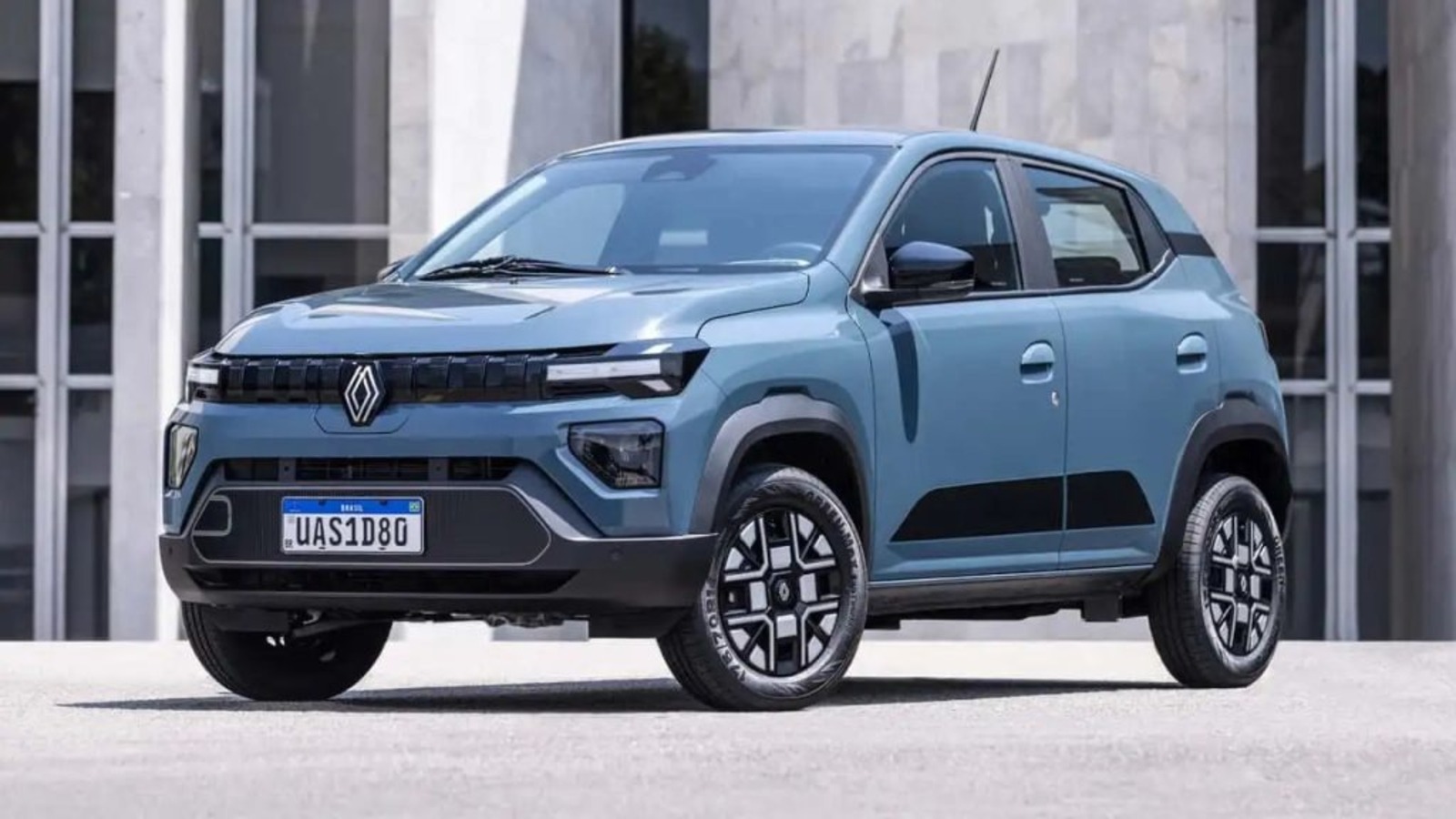
Renault Kwid E-Tech for R$ 99.990 Is an Entry Point for Those Who Want to Escape Gasoline in 2026 and Invest in the Cheapest Electric Car in Brazil
Affordable electric car finds space in Brazil in 2026 with the Renault Kwid E-Tech, sold for R$ 99.990. The model offers a range of 185 km, low running costs, and positions itself as an alternative for those looking to reduce gasoline expenses.
Price and Proposition of the Entry-Level Electric Car
The Renault Kwid E-Tech establishes itself as one of the main entry points for the electric car in Brazil. With a suggested price of R$ 99.990, it is the only brand-new vehicle below the 100,000 reais mark.
This positioning makes the electric compact a logically considered option for consumers who wish to abandon fossil fuel and reduce costs in everyday use, especially on frequent urban trips.
-
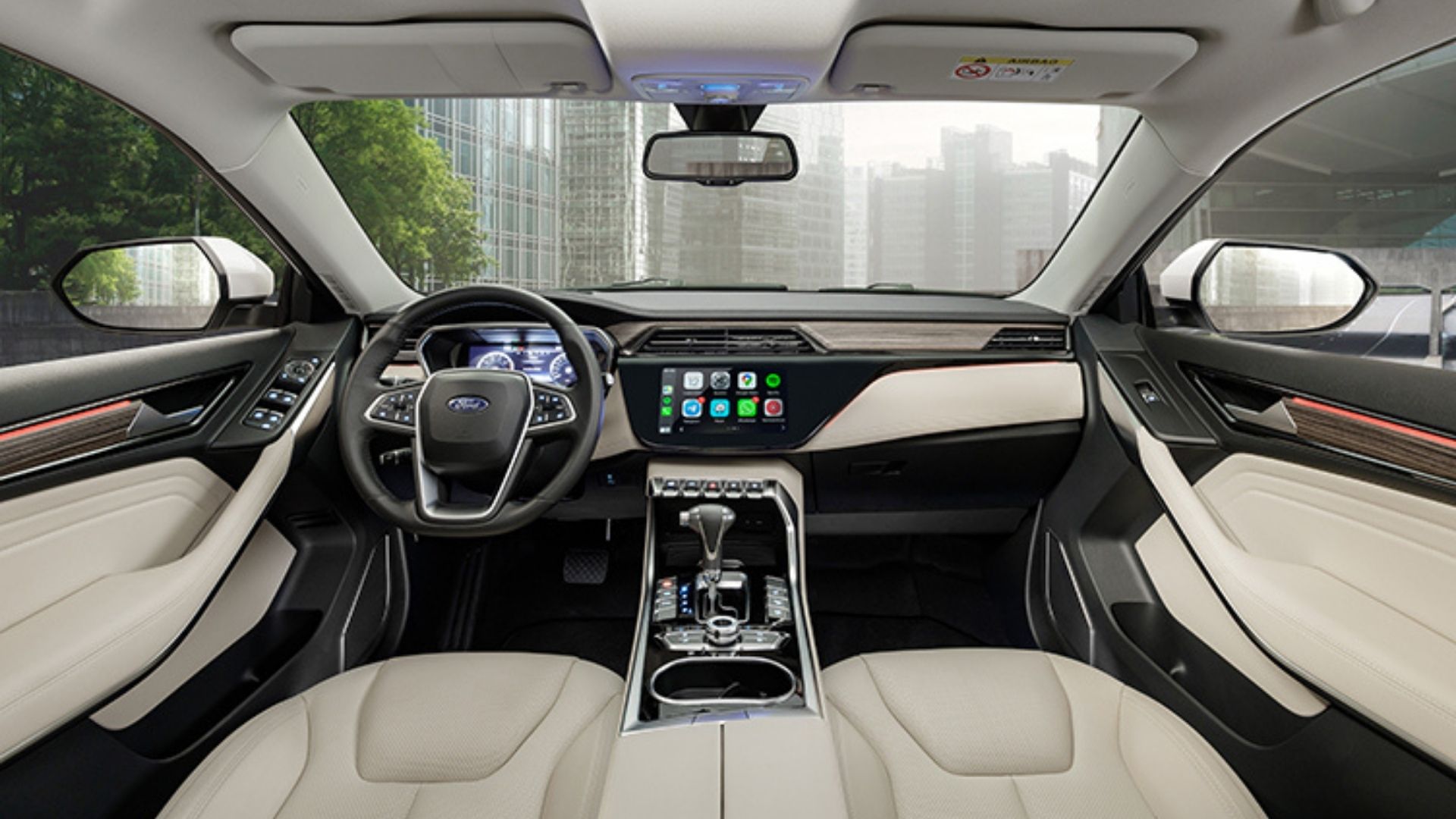
Around R$ 24,000: 4 used Ford SUVs with up to 253 hp, V6 engine, all-wheel drive, 7 airbags, panoramic sunroof, and a complete package that surprises with its price and performance in Brazil.
-
A brand new car starts at around R$ 75,000 in Brazil, but what stands out the most is seeing streets filled with SUVs and expensive sedans in a country where millions remain in debt.

-
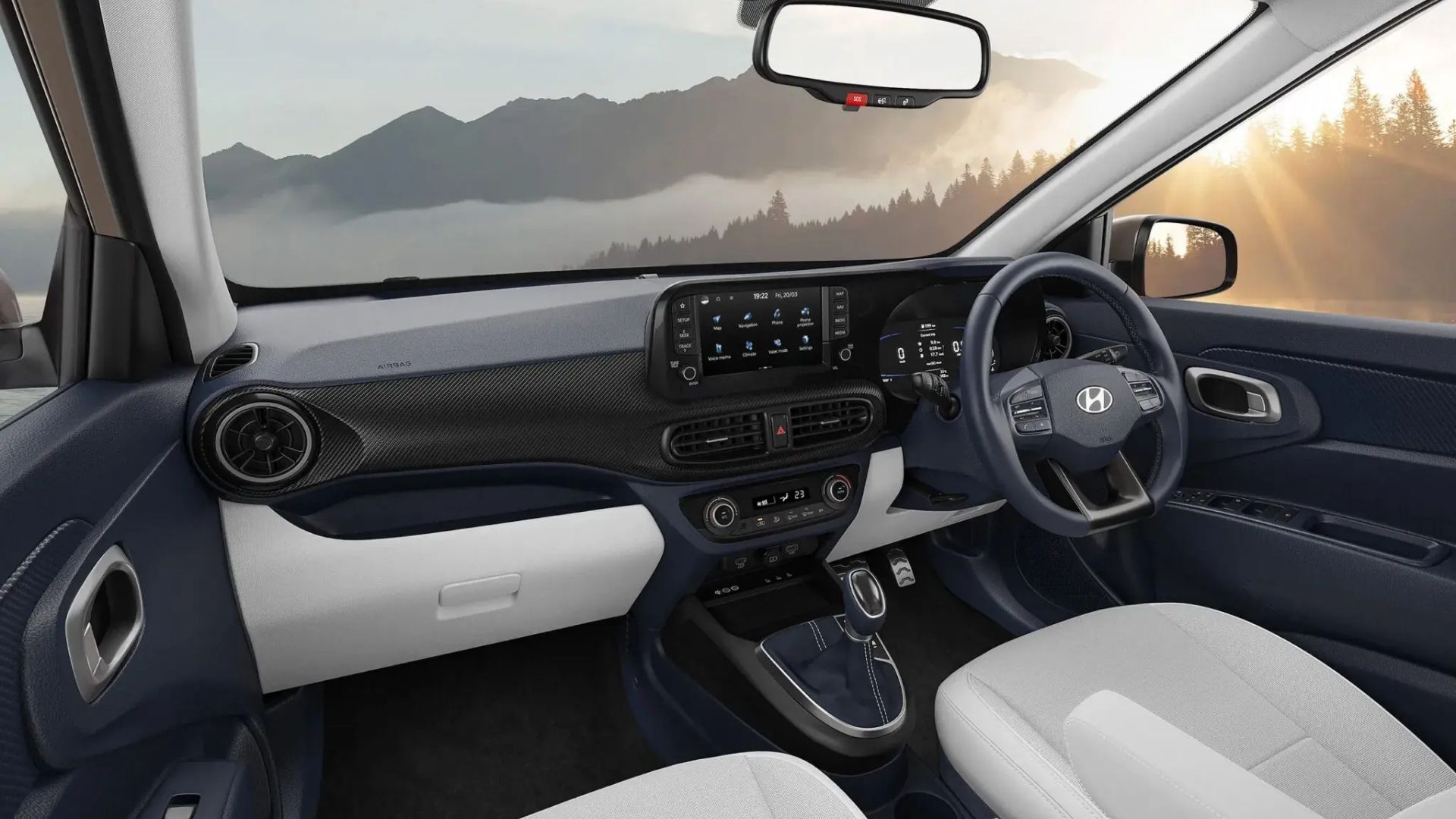
For R$ 32,000, a brand new Hyundai car is a rival to the Kwid with a 1.2 engine producing 82 hp, 6 airbags as standard, multimedia with wireless Android Auto, up to 391 liters in the trunk, and a refreshed look for 2026 in India.
-
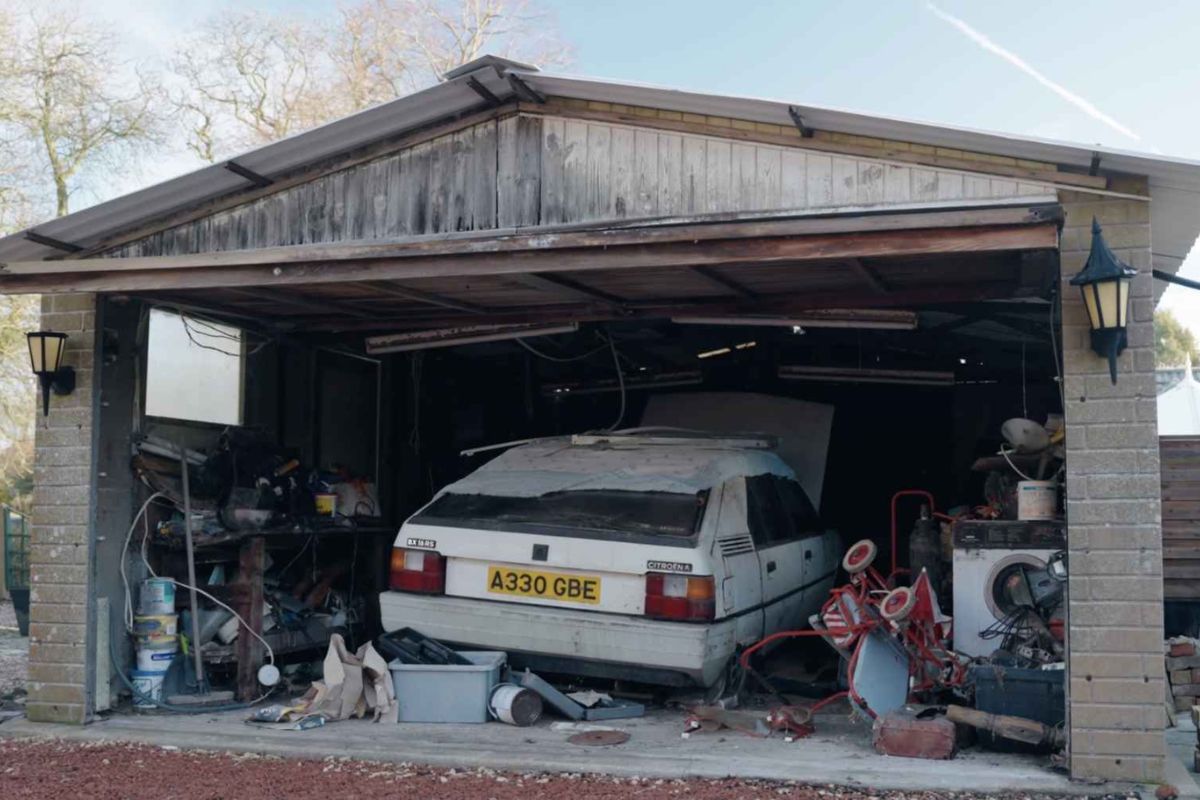
He bought a new car in 1983, locked it in the barn in 1988, and no one opened the door for 38 years until the family discovered what was stored inside and realized it looked like something out of a movie.

The declared range is 185 km in the PBEV cycle. This capacity meets the daily routines of those living in large capitals and who usually recharge their vehicles at home overnight.
Performance and Driving Experience
Even as an entry-level model, the Kwid E-Tech presents driving characteristics different from combustion cars in the same price range.
The motor delivers instant torque of 11.5 kgfm, providing quick responses at traffic light starts and in urban traffic resuming.
This behavior makes the vehicle more agile for daily use. The absence of engine noise also contributes to greater acoustic comfort inside the cabin.
Recharging and Maintenance Costs
The cost to maintain an electric car is significantly lower when compared to a flex model.
The expense on electricity may represent about 1/4 of the amount typically spent on fuel in traditional vehicles.
By 2026, the network of charging stations in Brazil grew by 40%. Still, the owner of the Kwid E-Tech can recharge the car at home.
Using a regular 220V outlet, a complete battery recharge takes approximately 9 hours.
Comparison with Rivals in the Brazilian Market
In the compact electric segment, the Kwid E-Tech emerges as the cheapest model in its category.
The vehicle has 65 hp of power and a range of 185 km in the PBEV cycle.
Among the main competitors are the BYD Dolphin Mini, with a suggested price of R$ 119.890, 75 hp of power, and a range of 280 km.
Another competitor is the JAC E-JS1, sold for R$ 119.990, with 62 hp and a range of 161 km.
Urban Use and Equipment of the Model
The electric car compact from Renault also stands out for its ease of use in day-to-day life.
Weighing only 969 kg, the vehicle is light and simple to maneuver in tight spots, old garages, or busy shopping center parking lots.
Among the equipment offered in the 2026 lineup are six airbags as standard and a multimedia center with wireless cellphone mirroring.
The model also includes a rearview camera, rear parking sensors, and a basic ADAS system with automatic emergency braking.
Resale and Used Market
Consumer confidence in lithium battery technology has grown in recent years.
This has contributed to the maturation of the used electric car market in Brazil.
The Kwid E-Tech presents high liquidity in this segment, being highly sought after by rideshare drivers looking to reduce operational costs.
Savings in Daily Use
Another pointed factor is the reduced cost of maintenance. Electric vehicles do not require oil changes, fuel filters, or spark plug replacements, which lowers maintenance expenses.
This scenario helps the owner recover the initial investment over the years of use. The expense once allocated to gasoline now represents accumulated savings.
For those who predominantly use the vehicle in urban environments and have access to a charging outlet in the garage, switching to an electric car tends to be advantageous.
The running cost can drop to mere cents per kilometer, while the silent driving changes the perception of daily traffic.
Thus, the Kwid E-Tech 2026 appears as a rational option for those seeking accessible electric mobility that is easy to maintain and adapted to the routine of Brazilian cities.
With information from Monitor do Mercado.








Seja o primeiro a reagir!