





 Portuguese
  English
  Spanish
  4 min of reading
  0 comments



The Future of Offshore Wind Energy in Brazil Has Just Gained a New Boost: Petrobras and SENAI Are About to Take a New Step with the Iconic Bravo Buoy. In a Historic Initiative for Technological Development, Petrobras Announces an Investment of R$ 60 Million for a Second Phase of the Bravo Project, Expanding Its Commitment to the Country’s Energy Transition. Following the Success of the First Unit of the Remote Offshore Wind Evaluation Buoy, Which Completed a Year of Uninterrupted Measurements on the Potiguar Coast, the State-Owned Company Launches Five More Units to Revolutionize Offshore Wind Energy Generation.
The New Investment Cycle Aims to Expand the Collection and Monitoring of Climate and Oceanographic Data, Essential for Evaluating the Potential of Brazilian Maritime Winds. In Collaboration with the SENAI Institute of Innovation in Embedded Systems (Florianópolis) and the SENAI Institute of Renewable Energies (Rio Grande do Norte), Petrobras Remains at the Forefront of National Technologies Focused on Renewable Energies. The First of the Five New Bravo Buoys Will Start Operating in December, and the Others Will Come Online by the End of 2025.
Petrobras Will Invest R$ 60 Million in the Second Phase of the Bravo Buoy with Support from SENAI
For Petrobras, this is yet another milestone in the journey toward the energy transition. Maurício Tolmasquim, Director of Energy Transition and Sustainability at the State-Owned Company, Emphasizes that the Project Not Only Validates the Technology in Open Sea but Also Represents the Largest Offshore Wind Mapping Campaign Ever Conducted in Brazil. “This Step is Crucial for Assessing the Technical Viability of Future Offshore Wind Energy Generation Installations in the Country,” He Points Out.
Fabrízio Pereira, Regional Director of SENAI in Santa Catarina, Highlights SENAI’s Role in the Development of Technology. “The Bravo Buoy is a Vital Contribution to Expanding Offshore Wind Energy Generation, Reinforcing Brazil’s Potential in Hydropower, Solar, and Now Offshore Wind,” He States.
-
Renewable energy advances over protected areas in Brazil, and a survey by the Energy Transition Observatory reveals silent impacts that challenge environmental conservation and pressure sensitive traditional territories.

-
Rio Grande do Sul accelerates energy transition: State invests in renewable technologies and consolidates decarbonization strategies and pathways to attract billions in new industrial investments.

-
With 160,000 m² of collectors, an area larger than 20 football fields, Silkeborg, in Denmark, hosts a solar thermal plant that heats 19,500 homes and could become the largest solar heating plant in the world.

-
A study reveals the expansion of renewable energy procurement in Brazil and shows how companies are taking advantage of opportunities to reduce expenses, ensure energy efficiency, and strengthen strategic environmental commitments.


Bravo: A National Advance in Offshore Wind Energy
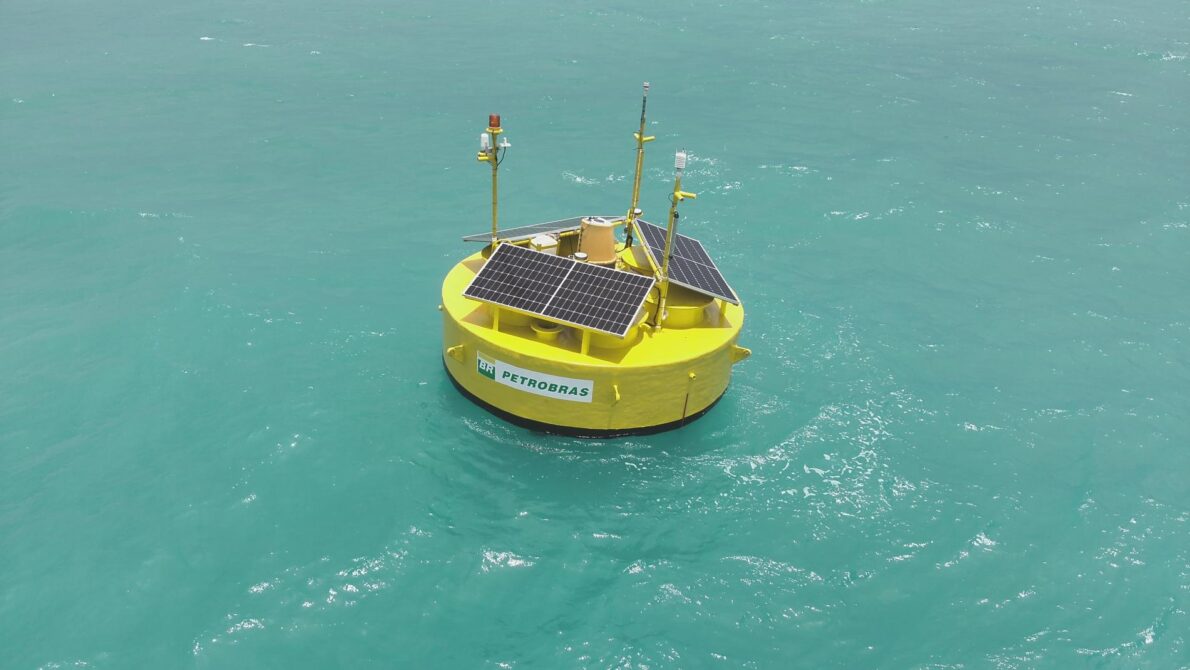
Developed in Brazil by Petrobras and SENAI, the Bravo is a Floating Lidar (Light Detection and Ranging) Model with Unprecedented and Fully National Technology. Using Laser Beams, the Bravo Buoy Measures Wind Speed and Direction and Collects Crucial Meteorological and Oceanographic Data for Offshore Wind Energy Generation. Weighing 7 Tons and with a Power System Powered by Photovoltaic Solar Panels, the Bravo Meets All Requirements to Map Areas of Energy Potential Along the Brazilian Coast.
In its First Year of Operation on the Coast of Rio Grande do Norte, the Bravo Buoy Captured Climate Data in a Complete Cycle, Including During Periods of More Intense Winds, Representing a Scientific Milestone That Consolidates Offshore Wind Energy Generation in Brazil. Antônio Medeiros, R&D Coordinator at the SENAI Institute of Innovation in Renewable Energies, Emphasizes the Importance of This Project for Analyzing the Brazilian Maritime Environment.
Petrobras and SENAI: Alliance for Technological Development
Petrobras’s Investment in the Bravo Represents a Step Forward in the Company’s Research, Development, and Innovation (R&D&I) Strategy. The First Phase of the Project Was Conducted with R$ 11.3 Million from the Research and Technological Development Program in the Electric Energy Sector Regulated by ANEEL. In This Second Phase, Investments Come from the ANP’s R&D Fund, Reinforcing Petrobras’s Commitment to Lead Innovation in Offshore Wind Energy Generation.
Renata Baruzzi, Director of Engineering, Technology, and Innovation at Petrobras, Highlights the Value of National Partnerships to Strengthen the Company’s Leadership in the Energy Transition. “Through Alliances with SENAI and Other Institutions, We Promote the Development of Technologies for Renewable Energies, Particularly in Offshore Wind Energy Generation Projects,” She Says.
SENAI: Innovation and Technology Network for the Brazilian Industry
With a Network of 28 Innovation Institutes and Over 60 Technology Institutes Across Various Regions of the Country, SENAI Collaborates Intensively with the Brazilian Industry to Promote Advances in Innovation and Technology. The SENAI Units in Santa Catarina Stand Out in the Areas of Laser Processing, Manufacturing Systems, and Renewable Energies, and by Supporting Projects Like the Bravo Buoy, They Establish Themselves as Essential Actors in the Transition to a More Sustainable Energy Matrix.
This Collaboration Between Petrobras and SENAI Not Only Boosts Offshore Wind Energy Generation but Also Reaffirms the Strategic Role of Research and development in Building a Greener, More Innovative, and Energetically Self-Sufficient Brazil. With the Launch of the New Bravo Buoys, Petrobras and SENAI Pave a Promising Path Toward a Sustainable Energy Future for Brazil.









Seja o primeiro a reagir!