





 Portuguese
  English
  Spanish
  3 min of reading
  0 comments


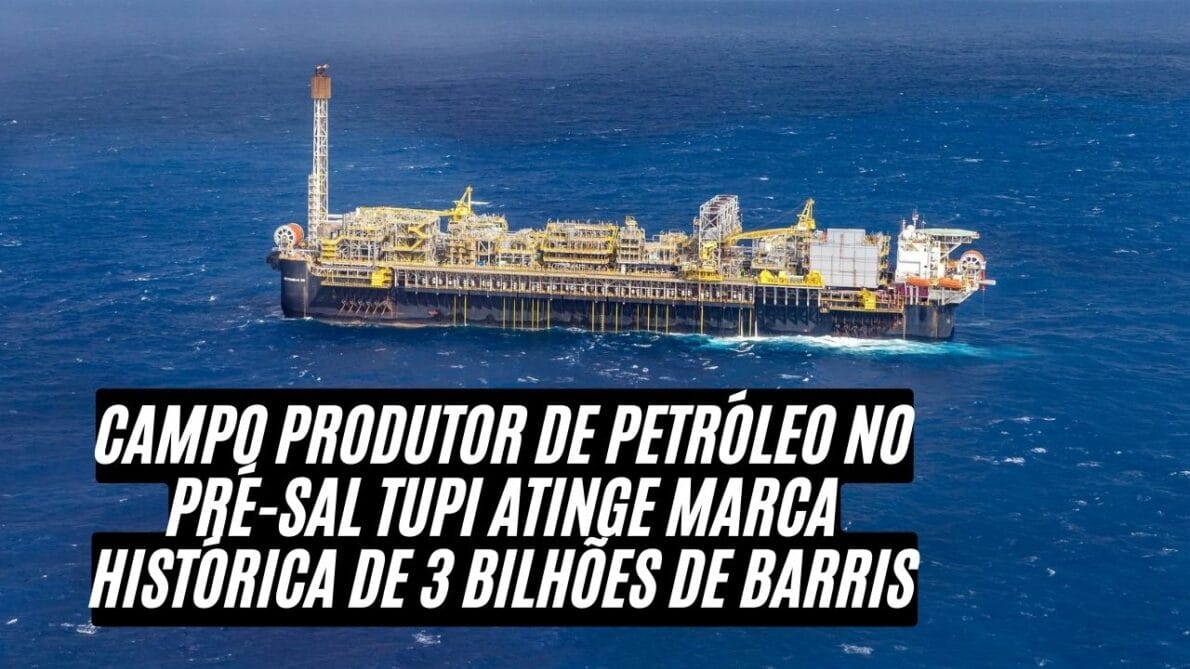
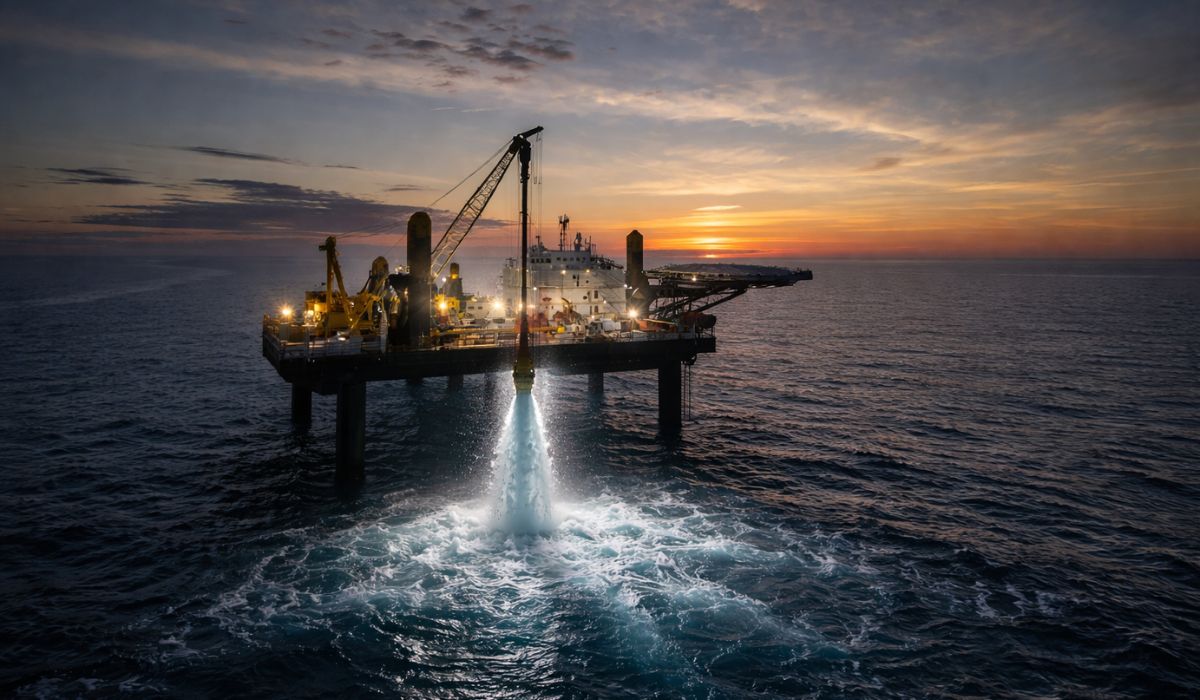
The Oil Producing Field in the Pre-Salt Layer of the Santos Basin Has Just Recorded an Impressive Milestone: The Tupi Field Reached the Unprecedented Mark of 3 Billion Barrels of Oil Equivalent (Boe) Produced, Petrobras Reported. In Operation for 15 Years, This Is the First Time That a Producing Area in Brazil Reaches Such a Volume of Extraction, Highlighting the Productivity and Potential of the Pre-Salt Area, One of the Most Promising in the World.
Inaugurated in 2010, after successful tests that confirmed the presence of vast oil reservoirs discovered in 2006, the Tupi field remains the main oil producer in the Brazilian pre-salt. Operated by Petrobras, with a 65% stake, and in partnership with Shell (25%) and Petrogal (10%), the field utilizes seven FPSO (Floating Production Storage and Offloading) platforms for extraction in deep waters. Petrobras reaffirmed the importance of this milestone in its Production and Sales Report for the third quarter of 2024, emphasizing the robustness of production in the Santos Basin.
In Addition to the Oil Producing Field in the Pre-Salt
Despite the focus on Tupi, Petrobras announced other promising initiatives. The FPSO Maria Quitéria recently began operations in the Jubarte field, in the pre-salt of the Campos Basin, and other platforms are set to come online soon. Among them are the FPSO Marechal Duque de Caxias, intended for the Mero field, and the FPSO Almirante Tamandaré, which will be the first to operate in the Búzios field, both in the Santos Basin.
The total oil and gas production of the state-owned company in the third quarter was 2.69 million barrels of oil equivalent per day (boed), a slight decrease compared to the previous quarter, which closed at 2.70 million boed, but lower than the same period in 2023, when it recorded 2.88 million boed. This small variation, according to Petrobras, is part of a strategy of efficiency and planning, focusing on maintaining operational integrity and sustainability.
-
Offshore industrial demand in Macaé skyrockets with the recovery of oil and gas and could grow by up to 396% by 2026 in the Campos Basin.
-
Offshore industrial demand in Macaé surges with the recovery of oil and gas and could grow by up to 396% by 2026 in the Campos Basin.
-
Brazilian giant expands borders in the Southeast: Petrobras confirms new oil discovery in ultra-deep waters in the pre-salt of the Campos Basin.

-
Alert in the global energy market: Severe tropical cyclone hits the coast and disrupts gas production at major plants in Australia, threatening global supply.


Growth in Refining and Decarbonization Initiatives
Petrobras also highlights its progress in the area of oil refining, registering in September a utilization rate of 97% of its refineries’ capacity, the highest rate of the year. This result reflects the efficiency and integration of Petrobras’ operations, driven by an increase in diesel demand, which rose by 6% in the quarter.
This increase was influenced by the harvest season and a rise in industrial activity. In the field of renewable fuels, Petrobras has made strides with Diesel R, a renewable content diesel that is already being tested by Vale’s trucks, in a partnership aimed at sustainability, in addition to oil.
Increasingly Greener Fuels
According to Petrobras’ president, Magda Chambriard, the company is committed to decarbonization and innovation in its fuel lineup. “We are developing increasingly greener fuels and honoring our commitment to decarbonization. The partnership with Vale is one of the actions that strengthens our strategy to offer more sustainable products to the market,” she stated.
This achievement of the oil producing field in the pre-salt of Tupi solidifies Petrobras’ position as a leader in deep-water exploration, highlighting the relevance of the pre-salt for the energy sector and the sustainable future of the industry in Brazil.







Seja o primeiro a reagir!