





 Portuguese
  English
  Spanish
  7 min of reading
  0 comments


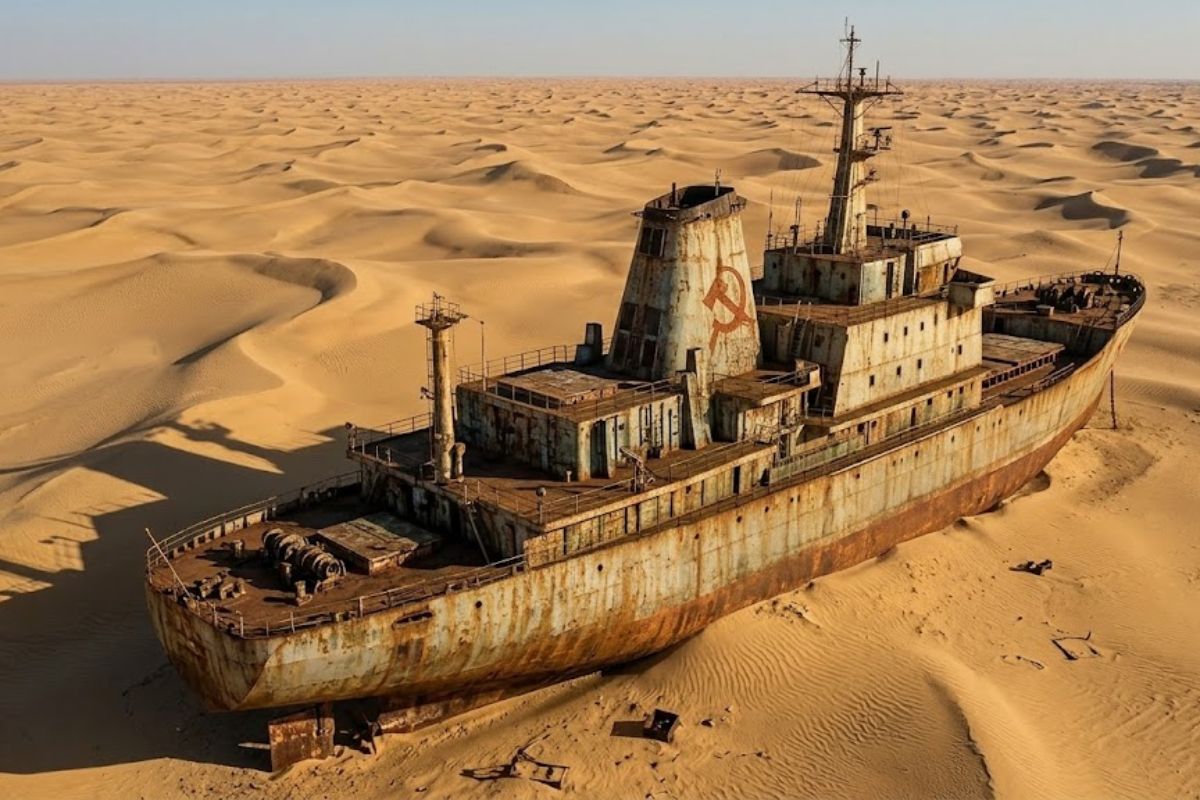
Soviet Engineers Believed That Controlling Rivers And Expanding Cotton Would Be Proof Of The Soviet Union’s Power, But The Drainage That Dried Up The Aral Sea Created Desert, Toxic Dust, Fishery Collapse, And An Environmental Legacy That Survived The Regime Itself For Decades In The Region Of Modern Central Asia.
Soviet engineers Started With A Brutal Conviction: Water Existed To Serve The State, Not To Obey The Terrain. From This Logic, Rivers Were Diverted, Gigantic Canals Were Opened, And The South Of The Soviet Union Was Treated As A Hydrological Laboratory To Feed Cotton Plantations On An Ever-Greater Scale.
The Calculation Seemed Rational On Paper And Disastrous On The Ground. Most Of The Population And Agricultural Areas Were In The South And West, But The Majority Of Water Ran To The North And East, Far From Farms And Cities. It Was From This Contradiction That The Decision To Forcefully Bend Rivers Was Born, With Consequences That Would Culminate In The Near Disappearance Of The Aral Sea.
Water Was In The Wrong Place And Cotton Became State Priority
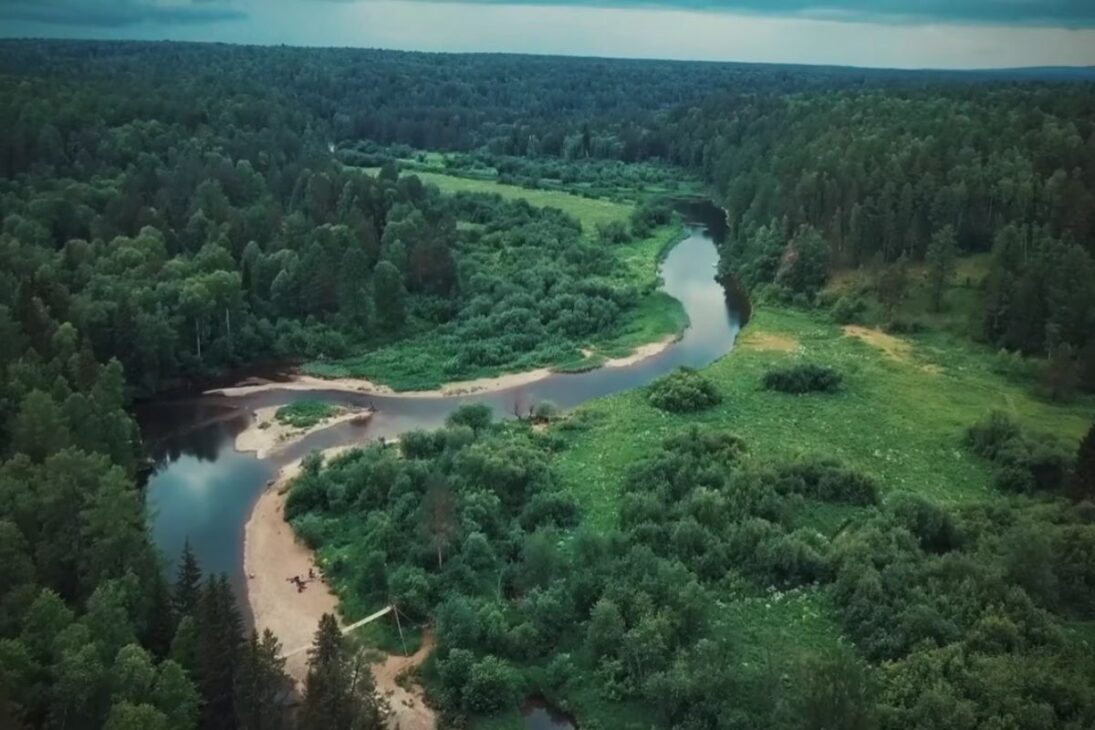
The Soviet Problem Began With Geography. About 75% Of The Population Lived In The Southern And Western Regions, But These Areas Received Only 16% Of The Country’s Water. The Other 84% Flowed Toward The Arctic And The Pacific, Far From Where The Soviet Union Wanted To Expand Agriculture, Industry, And Occupation. Instead Of Accepting This Limit, Planners Decided That Geography Was Wrong. Nature Came To Be Treated As A Political Obstacle.
-
Rigid bags with their days numbered: new trend prioritizes comfort in 2026.

-
YouTuber creates an excavator equipped with a giant 4.5-meter sword to challenge his brother to a rematch, and the invention quickly goes viral on social media.

-
The U.S. Army surprises the world by presenting the UH-60MX Black Hawk helicopter capable of flying without pilots, controlled by a tablet, featuring the MATRIX system, smart sensors, and full autonomy in real combat and rescue missions.

-
Heineken’s factory in Brazil produces 300 million beer cans in just 4 months, reaches 1 million hectoliters, received R$ 2.5 billion, and is already projecting an annual capacity of 5 million with sustainable technology.

In This Context, Cotton Gained The Status Of A Strategic Project. Uzbekistan Was Viewed As A Future Power Of The So-Called White Gold, Capable Of Competing With Major International Producers. The Problem Is That Cotton Requires Water In Huge Volumes, And The Best Areas To Grow It Were Among The Driest. Soviet Engineers Concluded That It Was Not Enough To Adapt Cultivation To The Climate. It Was Necessary To Move The Rivers To It.
This Choice Reveals The Central Mindset Of The Regime. There Was No Interest In Conservation, In Less Thirsty Crops, Or In Adapting To The Environment. The Goal Was To Prove That Socialism Could Subjugate The Territory To Human Will. The Rivers Would Not Be Respected As Natural Systems, But Grasped “Firmly,” As Defined By Soviet Rhetoric Itself.
Thus, Water Stopped Being Merely A Resource And Became An Ideological Tool. Irrigating Did Not Just Mean Producing More. It Meant Demonstrating State Power Over The Landscape, No Matter The Cost.
Soviet Engineers Dug Canals On A Brutal Scale And Normalized The Human Cost
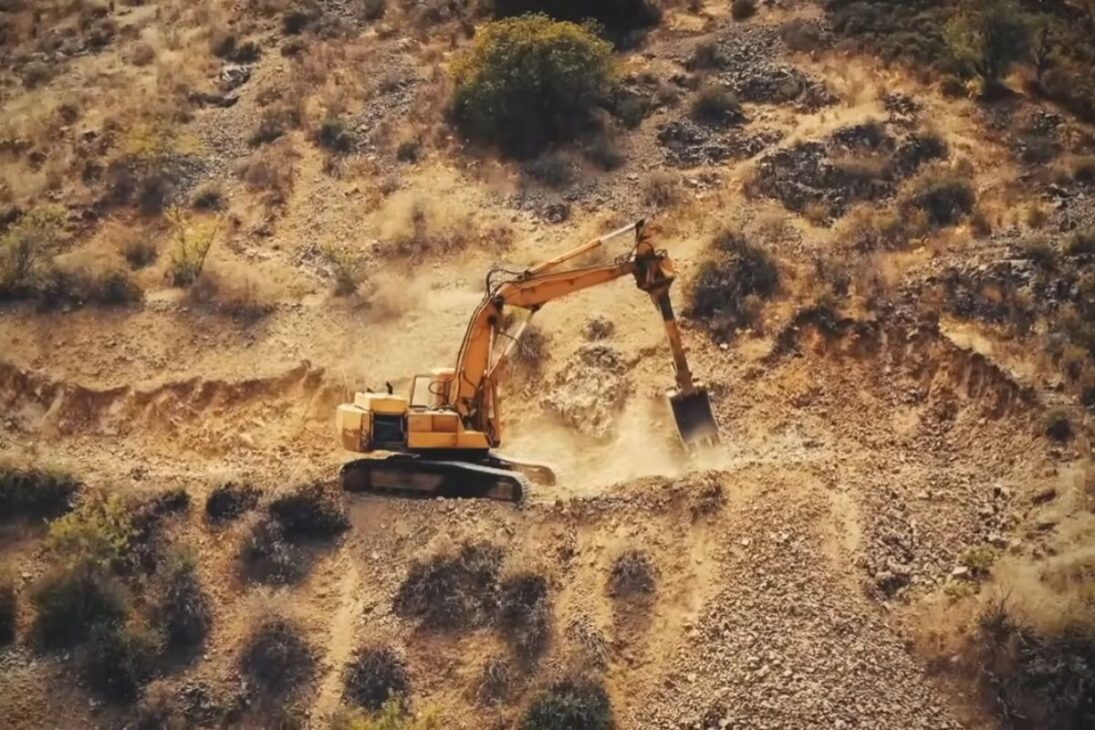
The First Projects Already Showed The Method. In 1939, Soviet Engineers Announced The Fergana Canal, With 270 Km In Length And 168 M In Width, Designed To Feed The Cotton Fields Of Uzbekistan. More Than 160,000 Uzbek And Tajik Farmers Were Mobilized To Move Almost 18 Million Cubic Meters Of Earth By Hand, With Shovels, Pickaxes, And Baskets, In Just 45 Days. The Speed Was Impressive, But The Human Cost Was Treated As A Disposable Detail.
The Logic Became Even Darker In The Large Canals Built With Prisoner Labor From The Gulag. The Moscow-Volga Canal And The White Sea-Baltic Canal, At 227 Km Long, Were Built With The Labor Of Dissidents, Intellectuals, And Ordinary Citizens Captured By Stalin’s Repressive Machine. On The White Sea-Baltic Canal, It Is Estimated That About 25,000 Prisoners Died, The Equivalent Of One Death Every 25 Meters. It Was Not Just Heavy Engineering. It Was Engineering Built On Bodies.
These Projects Consolidated A Clear Administrative Culture. If The Canal Worked, The Suffering Would Be Considered Justifiable. If It Doubled The Production Of Cotton, The Human Wear And Tear Would Be Presented As A Necessary Sacrifice. Soviet Engineers Gained Prestige Not By Working With The Environment, But By Forcing The Environment To Obey Under Any Circumstances.
This Confidence Fueled Progressively Larger Plans. The Partial Success Of A Manual Canal In Fergana Helped Convince The Regime That It Could Go Much Further, Including Reversing Flows, Draining Seas, And Imagining A New Geography For All Of Soviet Eurasia.
The Hydraulic Delusion Reached The Point Of Wanting To Rewrite Entire Seas And Rivers
In The Early 1950s, Stalin Even Considered The Complete Drainage Of The Caspian Sea. The Reasoning Was Simple And Terrifying: If The Water Covered Oil And Gas Reserves, Just Remove The Water. The Caspian Sea, At 371,000 Km², Should Give Way To Industrial Exploration. Fortunately, Advisors Managed To Demonstrate That The Soviet Union Did Not Have The Technical Capacity For This. It Was A Rare Moment Where Megalomania Found A Minimum Brake.
But The Biggest Plan Was Yet To Come. The River Diversion Project Wanted To Take Water From Siberia And Push It South For More Than 2,500 Km, Against The Natural Flow, Through A Monumental Canal Of 2,200 Km, 12 To 15 M Deep And Up To 212 M Wide. The Estimated Cost In 1982 Was US$ 53 Billion, Close To US$ 173 Billion In Current Values, Although Other Estimates Pointed Closer To US$ 790 Billion Today. It Was The Attempt To Rebuild Continental Hydrology As If It Were Earthworks.
Soviet Scientists, Geographers, And Journalists Began To React. They Warned Of Giant Evaporation, Infiltration, Fishery Destruction, And Economic Fantasy. Even Without Free Debate, Technical Opposition Grew. The Project Was Shelved, Though Revived In Later Discussions. This Shows That Not Everyone Within The Soviet Union Was Blind. Some Understood That Moving Rivers Entirely Was Not Only Expensive. It Was Potentially Ruinous.
However, While The Biggest Plans Were Still Being Discussed, The Real Tragedy Was Already Underway At Another Point In Central Asia. And It Was Not Hypothetical. It Was Already Drying Before Everyone’s Eyes.
The Aral Sea Turned Into Desert Because The Rivers Were Drained For Cotton
Since The 1930s, Soviet Engineers Had Been Systematically Draining The Syr Darya And Amu Darya Rivers, The Two Main Tributaries Of The Aral Sea. The Goal Was The Same: To Feed The Cotton Plantations. Scientists Warned That The Sea Would Shrink, But The Warnings Were Treated As An Acceptable Sacrifice In The Name Of Agricultural Progress. The Disaster Was Not A Surprise. It Was A Choice.
The Inflow Of Water Into The Aral Sea Fell By About 90% In A Few Decades. The Effects Were Violent. By 1970, The Coastline Had Already Retreated 10 Km. By 1995, The Retreat Had Reached 70 Km. The Surface Area Of The Aral Sea, Once About 64,500 Km², Plummeted To Less Than 30,000 Km², Splitting Into Smaller And Sicker Lakes. By 2014, The Eastern Basin Completely Dried Up. What Was The Fourth Largest Lake On Earth Became Fragments, Dust, And Ruins.
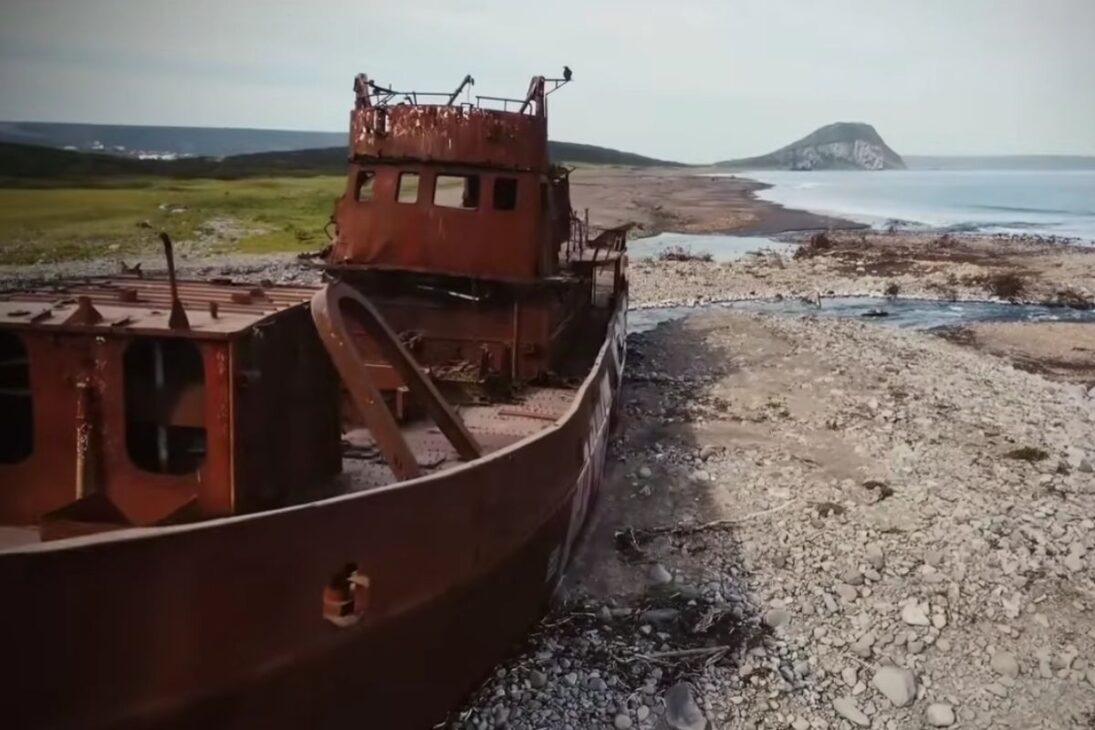
Fishing Communities Were Destroyed Along With The Water. Boats Were Abandoned On Dry Ground, Ports Turned Into Deserts, And What Was Left Of The Former Sea Bed Became A Plain Saturated With Salt, Pesticides, Fertilizers, And Industrial Waste. The Resulting Desert Gained Its Own Name, Aralkum, And Began To Generate Toxic Storms Over The Region.
This Transformation Also Exposed The Moral Fragility Of The Soviet Project. Cotton Received Water, But The Population Received Disease, Economic Collapse, And Local Devastation. Soviet Engineers Managed To Feed Crops For A Time, But At The Price Of Dismantling An Entire Natural System.
The Desert Created By Man Continued Killing After The End Of The Soviet Union
When The Aral Sea Dried Up, The Problem Did Not Stop With The Loss Of Water. The Exposed Bottom Became A Source Of Toxic Dust. Every Year, About 150,000 Tons Of Contaminated Salt And Pesticides Are Swept By The Wind Across Central Asia. This Raised Cancer Rates, Respiratory Diseases, Tuberculosis, Anemia, And Infant Mortality To Extreme Levels. The Sea Disappeared, But The Aggression Continued Circulating In The Air.
The Cruelest Part Is That The Responsible Regime No Longer Exists. The Soviet Union Collapsed In 1991, But The Damages Triggered By The Soviet Engineers Remain Alive And Active. Kazakhstan Managed Some Recovery In The North With The Kokaral Dam, Partially Raising Water Levels In A Limited Area. But The Main Body Of The Aral Sea Will Not Return To What It Was. The Desert Created By Man Has Become The New Reality.
This Turns The Case Into Something Greater Than A Technical Failure. What Happened There Shows That Nature Can Be Diverted For A Time, But It Will Collect Later, On Another Scale. The Rivers Were Forced To Serve The Cotton, And The Bill Came In The Form Of Ecological, Economic, And Sanitary Collapses.
In The End, The Story Of The Aral Sea Is The Story Of A State Arrogance That Confused The Power To Build With The Power To Understand. Soviet Engineers Altered Channels, Pressed Rivers, Dried Up A Sea, And Proved, In The Worst Way, That Short-Term Hydraulic Victory Can Turn Into A Lasting Historical Defeat.
The Attempt By Soviet Engineers To Dominate Rivers To Expand Cotton Created Not Only Productivity. It Created Desert, Diseases, And The Near Disappearance Of The Aral Sea, Which Went From Aquatic Giant To Toxic Warning Of What Happens When The State Treats The Landscape As An Enemy To Be Defeated.
In Your Evaluation, Does This Case Show More The Strength Of Human Ambition Or The Brutal Limit Of Any Project That Tries To Subjugate Nature?







Seja o primeiro a reagir!