





 Portuguese
  English
  Spanish
  3 min of reading
  0 comments


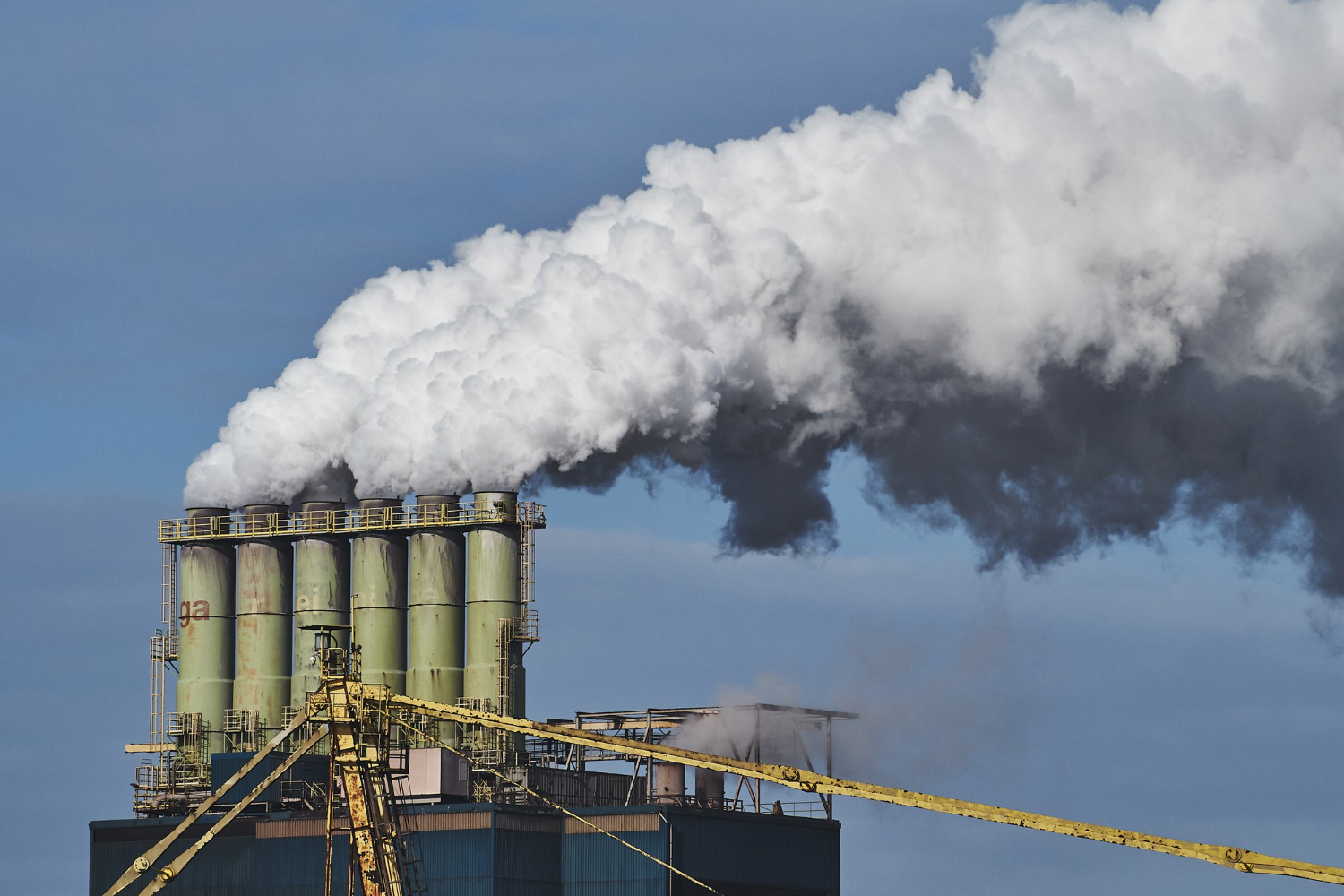
ANP Held Workshop In Partnership With Clean Air Task Force To Discuss Methane Emission Mitigation Actions And Strengthen Sustainable Policies In The Oil And Gas Sector
Methane emissions are among the largest environmental challenges in the global energy industry, according to a report published.
On November 4 and 5, the National Agency of Petroleum, Natural Gas and Biofuels (ANP) held a workshop in Rio de Janeiro dedicated to mitigating this greenhouse gas in the oil and gas sector.
The meeting, organized in partnership with the international organization Clean Air Task Force (CATF), brought together experts from Brazil and abroad to discuss regulatory strategies, technological innovations, and international cooperation experiences.
-
Petrobras evaluates suspension of sales to distributors and considers canceling the cooking gas auction following guidelines from the Federal Government.
-
Lula reveals a masterstroke by Petrobras to undo a deal made by Bolsonaro, which involves the return of an important refinery that currently produces less than half of what was expected and makes Brazil dependent on international diesel.
-
A study confirms that the natural gas sector will reduce greenhouse gas emissions in Brazil by 0.5% and accelerate the energy transition by 2026.

-
Petrobras implements a severe adjustment and confirms a 55% increase in the price of aviation kerosene with a proposal for installment payments for the companies.

The initiative reinforces the ANP’s commitment to energy transition, reducing environmental impacts, and implementing modern and effective practices to tackle the climate crisis.
Environmental Regulation And Methane Emission Reduction In Brazil
During the event opening, ANP director Fernando Moura emphasized that joint work between national and international institutions is essential for advancing environmental regulation.
He noted that Resolution No. 8/2024 of the National Energy Policy Council (CNPE) determines that the Agency adopt effective measures to reduce methane emissions and other greenhouse gases in the country.
Among the highlighted structural actions are the inclusion of the topic in the ANP’s regulatory agenda, technical cooperation with the World Bank, and strengthening research and innovation programs, such as the NAVE (ANP Entrepreneurship Program) and PRH-ANP (Human Resources Training Program).
These initiatives aim to align Brazilian regulation with the best international practices, strengthening environmental governance and promoting greater transparency about emissions data.
One example of this evolution is the Dynamic Emissions Panel for Greenhouse Gases, launched by the ANP, which allows public access to updated data on the environmental performance of regulated companies.
Energy Transition And International Cooperation In Combating Methane Emissions
The first day of the workshop featured presentations from representatives of the Energy Research Company (EPE), the Global Methane Hub, the Nigerian government, as well as experts from ANP and CATF.
They discussed the regulatory policies adopted in different countries, mitigation strategies, and the role of the oil and gas industry in the global energy transition.
The event highlighted that methane is responsible for about 30% of global warming, and that its reduction can yield rapid and significant climate results.
Participants debated ways to promote operational efficiency, reduce leaks, and improve methane emissions measurement during production and transportation stages.
The integration of technologies and knowledge sharing among energy-producing countries were seen as fundamental paths to achieving sustainable goals.
Technological Innovation And The Use Of CoMAT In Environmental Planning
On the second day, participants received training on the CoMAT (Country Methane Abatement Tool), developed by CATF to support governments and companies in estimating and mitigating methane emissions.
The system, free and customizable, uses national data from the oil and gas sector to generate realistic scenarios and assist in the formulation of public policies.
This initiative reinforces the role of technology as a strategic ally in decarbonizing the energy matrix.
According to attending experts, CoMAT can support Brazil in defining measurable targets, integrating science and regulation in a practical and accessible way.
For the ANP, adopting tools like this strengthens institutional capacity and broadens the scope of sustainability actions at the national level.
The exchange of experiences among public agencies, companies, and international institutions reinforces the importance of global cooperation in the fight against climate change.
ANP reaffirmed that it will continue to invest in innovation programs and technical training to ensure that the national energy sector advances towards a low-carbon economy, in line with the commitments made by the country in the Paris Agreement and policies for a just and sustainable energy transition.









Seja o primeiro a reagir!