





 Portuguese
  English
  Spanish
  4 min of reading
  1 comment


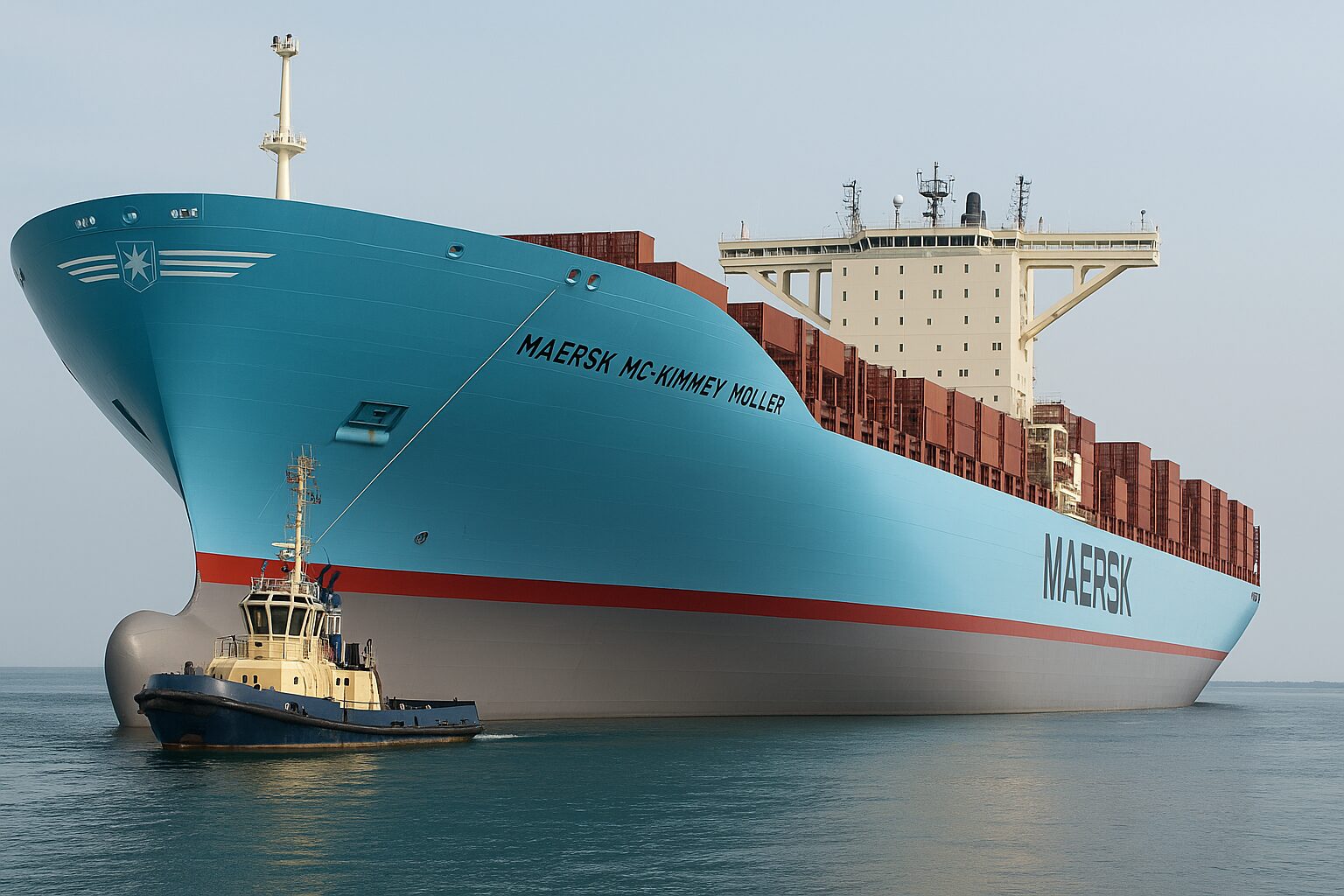

At Almost 400 Meters and Capable of Carrying 14,000 Containers, the Emma Maersk Was the Largest Ship in the World and Still Operates with the Largest Diesel Engine Ever Built.
Launched in 2006, the Emma Maersk marked a new era in global shipping. With a capacity of over 14,000 containers and a length of more than 397 meters, the ship was once considered the largest container ship in the world. Although this title has been surpassed in recent years by even larger vessels, the Emma Maersk continues to impress with its size, logistical efficiency, and the fact that it still houses the largest diesel engine ever built.
The vessel belongs to the Danish Maersk Line, one of the global leaders in the shipping industry. It was the first of the so-called E-Class, consisting of eight large ships designed to tackle high-demand intercontinental routes, such as those linking Asia to Europe.
Dimensions That Defied Standards of the Time
With a length of 397.7 meters and a width of 56.4 meters, the Emma Maersk established a new standard for the shipbuilding industry upon its launch. Its maximum capacity is up to 14,770 TEUs (20-foot containers), which kept it at the top of the rankings for several years.
-
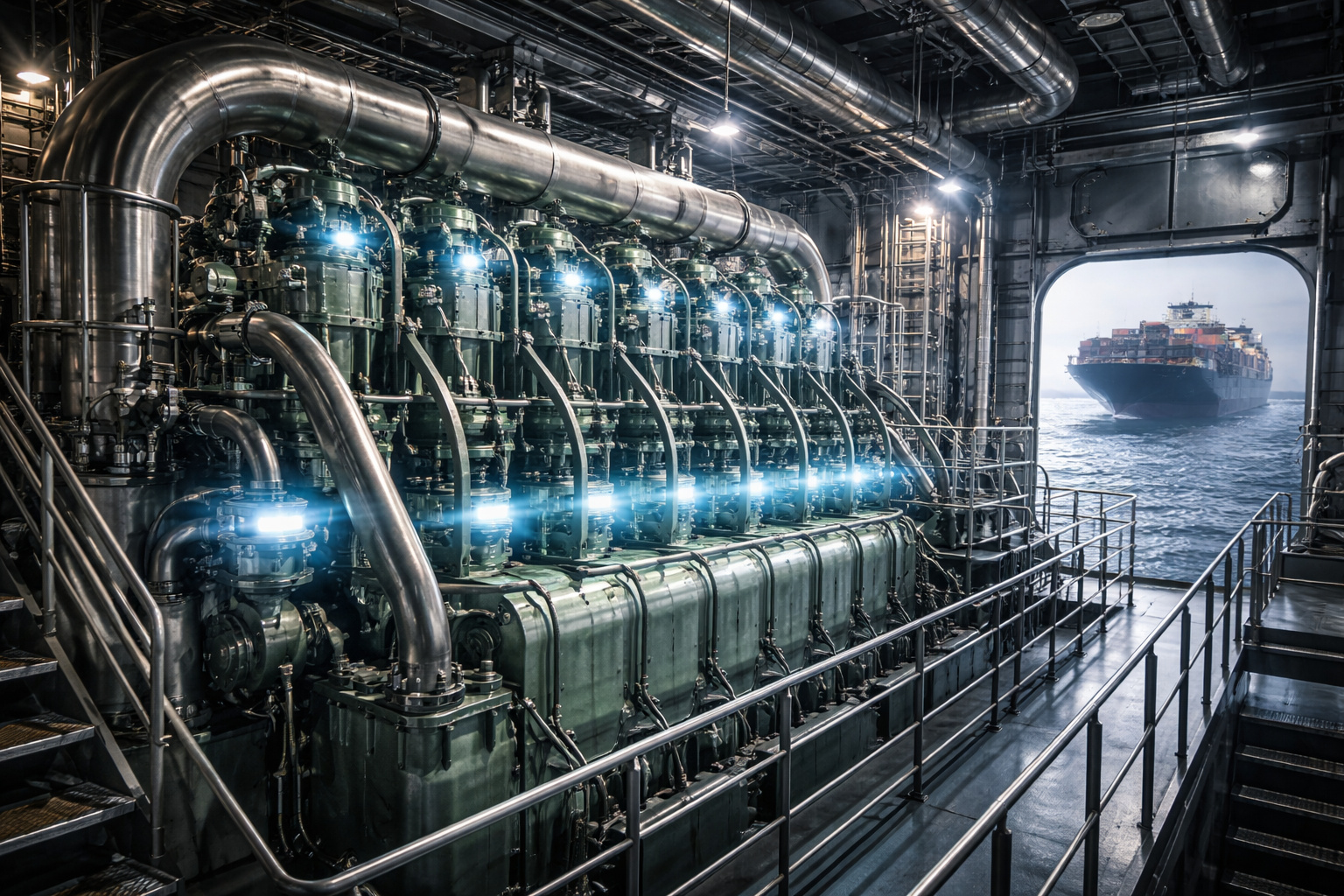
Europe is trying to create an ammonia-powered marine engine without auxiliary fuel, which could unlock the race for giant emission-free ships. The technology aims to eliminate one of the biggest obstacles to clean maritime propulsion.
-
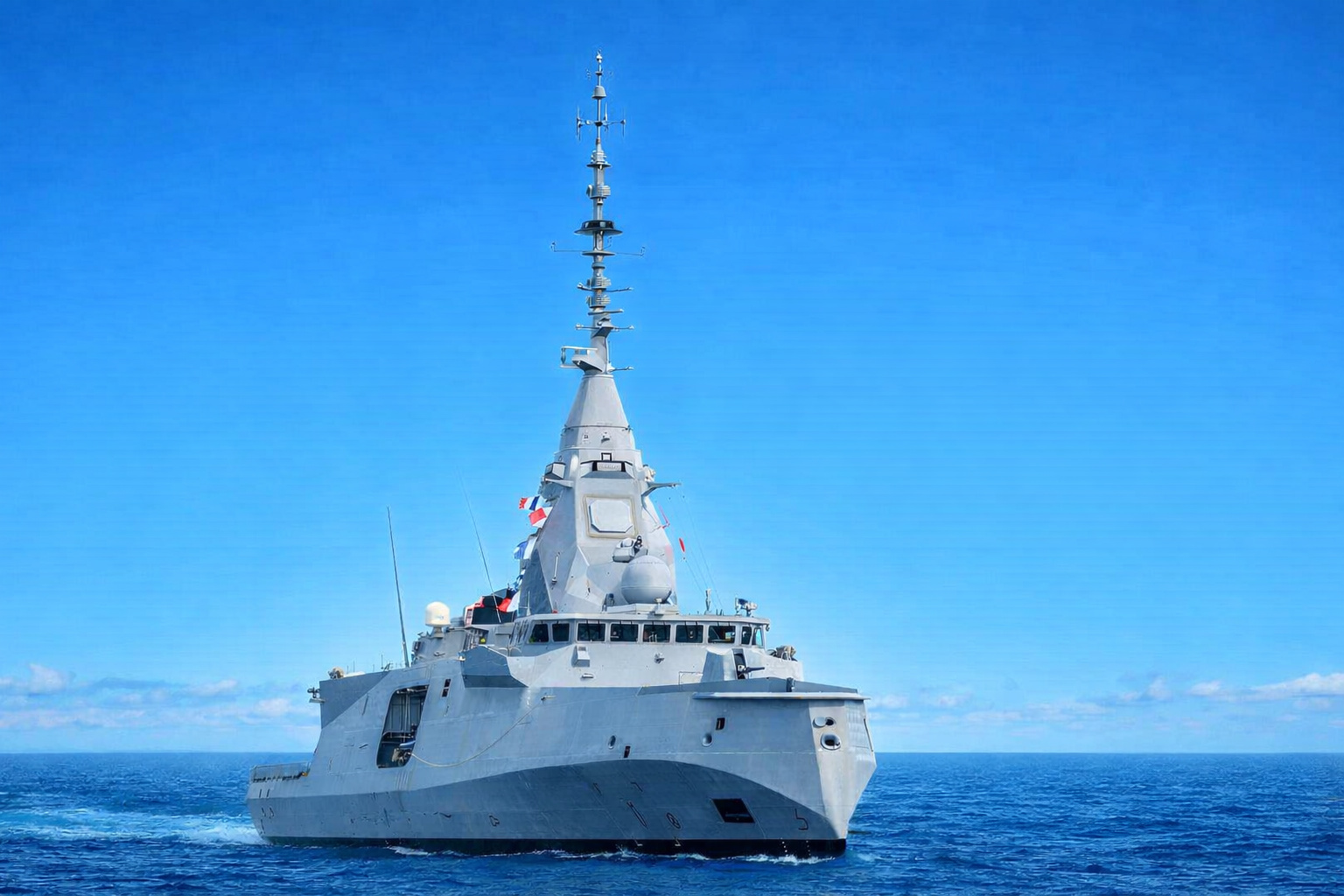
A 4,500-ton frigate with just over 100 crew members, state-of-the-art radar, and cruise missiles is being touted as the new standard of naval warfare in the 21st century.
-
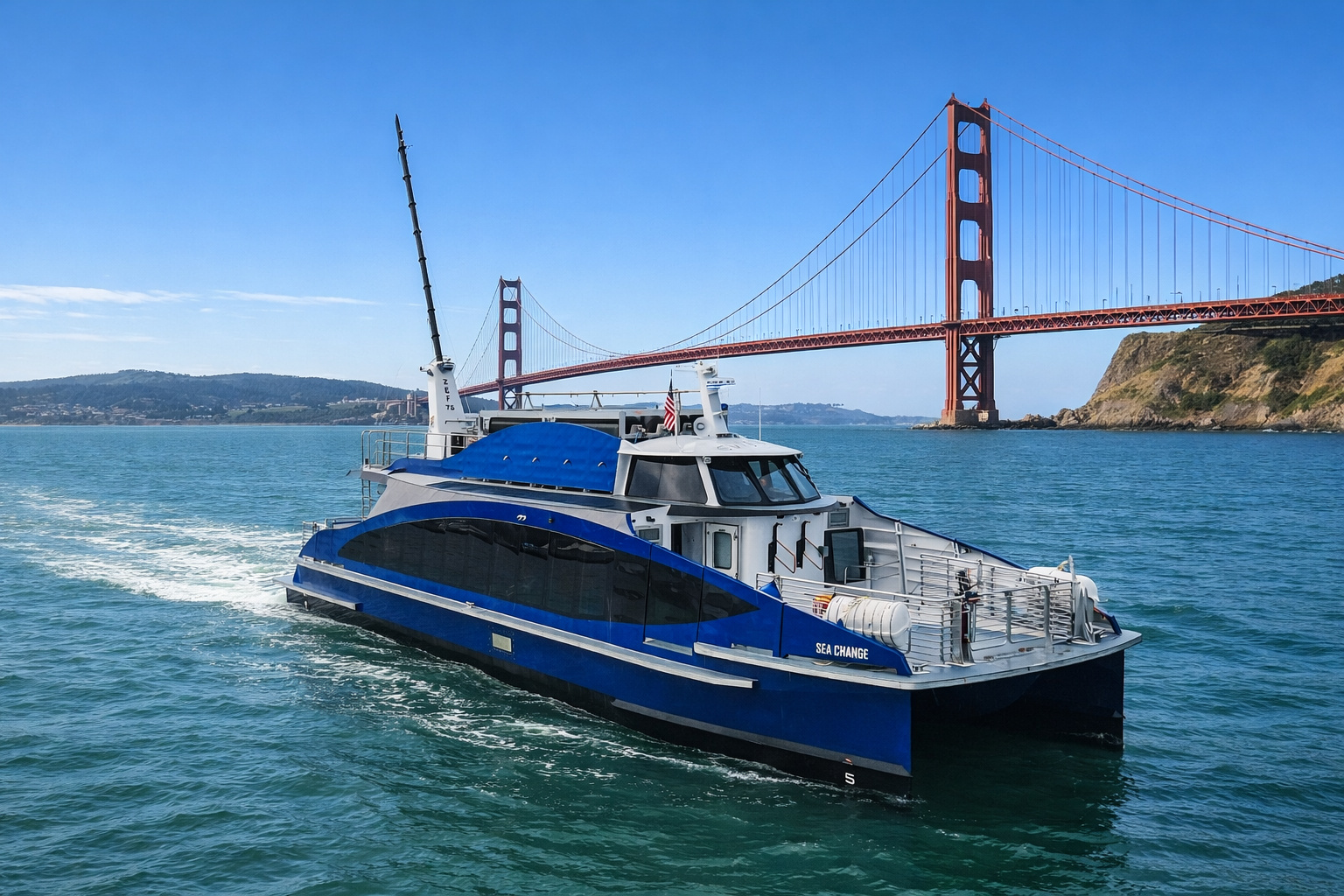
The first commercial hydrogen-powered ferry enters operation in the U.S., eliminates the use of diesel, uses fuel cells to generate clean energy on board, and transforms San Francisco Bay into a landmark of the new era of emission-free navigation.
-
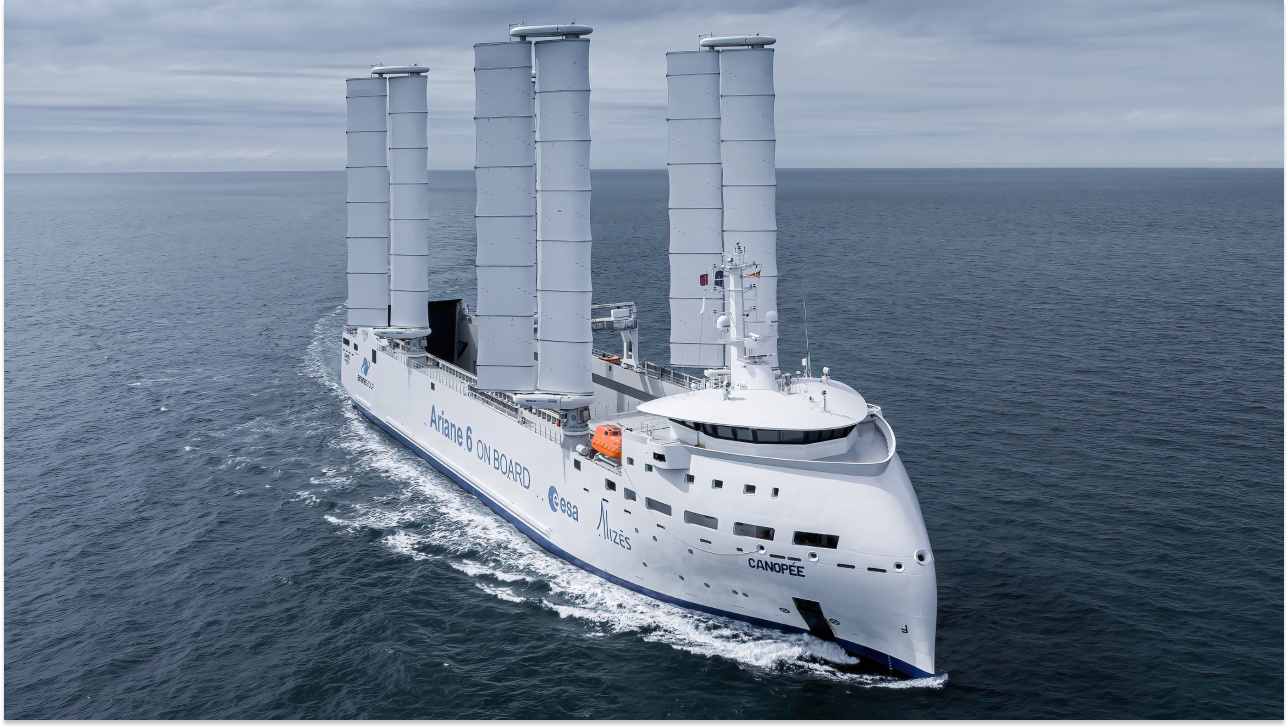
With a length of 121 meters and four rigid sails of 36 meters that automatically rotate to capture the wind, Canopée is the world’s first hybrid industrial cargo ship powered by wind, used to transport rockets and reduce fuel consumption by up to 30% on transoceanic routes.

The construction of the ship took place at the Odense Steel Shipyard in Denmark. During the process, the Emma Maersk encountered an accidental fire caused by welding, which delayed its delivery by a few weeks. Nevertheless, its debut at sea marked a logistical advancement for Maersk and a reference for operational scale.


Propulsion by a Giant Engine
The main engine of the Emma Maersk remains the largest diesel engine in operation in the world. It is the Wärtsilä-Sulzer 14RT-Flex96C, a 14-cylinder engine with a power of 109,000 horsepower (or 80 MW), capable of moving the ship at speeds of up to 25 knots, even when fully loaded.
The engine consumes about 14,000 liters of heavy fuel oil per hour, but its efficiency is enhanced by a heat recovery system from the exhaust gases. This system powers auxiliary generators, reducing the overall energy consumption of the ship and optimizing the operation of its internal systems.
Emma Maersk’s Initiatives for Efficiency and Sustainability
In addition to its advanced propulsion, the hull of the Emma Maersk has been coated with a special silicone-based paint. This technology reduces friction with the water, allowing the vessel to save up to 1.2 million liters of fuel per year. The initiative not only reduces operational costs but also helps to minimize pollutant emissions on long-distance trade routes.
The ship also features modern cooling, environmental control, and cargo management systems, reinforcing its importance within the Maersk fleet as a model of efficiency and reliability.
Once the Largest, But Still Among the Giants
It is important to highlight that the Emma Maersk was once the largest container ship in the world, but currently this position belongs to even larger vessels, such as the Ever Ace and the MSC Gülsün, which exceed 23,000 TEUs of capacity. However, the Emma Maersk remains among the largest ever built and continues to operate with relevance on international trade routes.
Even with the growth of the global fleet of supercargo ships, the vessel maintains its role as a pioneer in adopting large-scale technologies and setting standards for container transport on a global scale.
Incidents and Operational Performance of the Emma Maersk
In 2013, the Emma Maersk suffered a malfunction in its propulsion system while navigating the Suez Canal. The vessel began taking on water and had to be towed to the Egyptian port of Said, where it unloaded its cargo and underwent repairs. The incident drew attention due to the size of the vessel and the complexity of the rescue maneuvers, but the ship was quickly recovered and returned to service.
Since then, it continues to perform its function in the intercontinental transport of cargo, reinforcing Maersk’s confidence in the durability and efficiency of the E-Class.
A Reference of Modern Naval Engineering
The Emma Maersk remains a reference in naval engineering and global logistics. Even though it is no longer the largest container ship in the world, its history, technological innovation, and robustness keep it as one of the most important vessels of the modern maritime trade era.
Its propulsion systems, energy efficiency, and cargo capacity have shaped the criteria currently used to develop new generations of megacargo ships, which continue to push the boundaries of commercial navigation.









Gostei muito da postagem desta bela referência e seria muito bom contemplá-lo em nosso Porto de Itajaí-SC.