





 Portuguese
  English
  Spanish
  4 min of reading
  0 comments


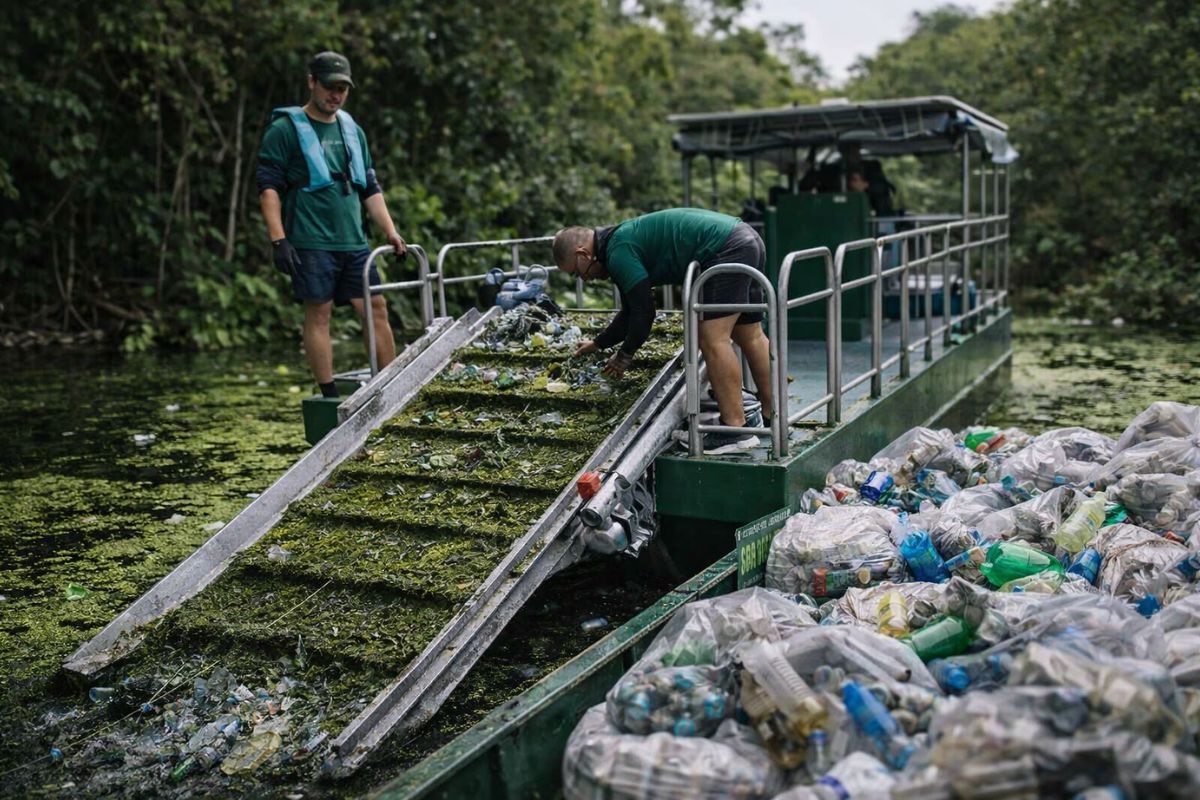
With the Goal of Cleaning Rivers in Manaus, Jadson Maciel Joined the Flutuante Sup Amazonas to the Birth of Awty: He Left His Job, Invested R$ 120 Thousand from His Severance in Boards and Structure, and Later Received R$ 2 Million. Today, He Earns About R$ 12 Thousand and Transforms Plastic into Raw Material.
Cleaning rivers has become more than a cause for entrepreneur Jadson Maciel: it has become a business model that connects sports, a routine on the water, and a startup with technological vessels. Leading the Flutuante Sup Amazonas and Awty, he claims to earn about R$ 12 thousand a month by combining board rentals and waste removal from the rivers.
The turning point began when he noticed a gap in Manaus: according to Jadson himself, there were almost 2 million inhabitants and only one person developing stand-up paddle in the city. From this observation, he decided to leave his job, invest what he had, and test, in practice, how a leisure service could be sustainable while also highlighting a bigger problem.
From Sports on the River to the Floating Structure that Sustains the Operation

The first step was to see the river as a place for daily use, not just as a landscape. Jadson explains that he identified an opportunity in stand-up paddle and set up the Flutuante Sup Amazonas, a floating house focused on renting and practicing the sport.
-
Spain surprises the world by erecting 62 artificial dunes, mixing sand with natural remains of posidonia, and causing the structure to lose only 1.4% of its volume in 1 year.

-
With 16 Bulava missiles, improvements in acoustic stealth, and a design focused on silent patrols, Russia’s nuclear submarine was born to ensure Moscow’s invisible retaliation and has become one of the pillars of its maritime strength.

-
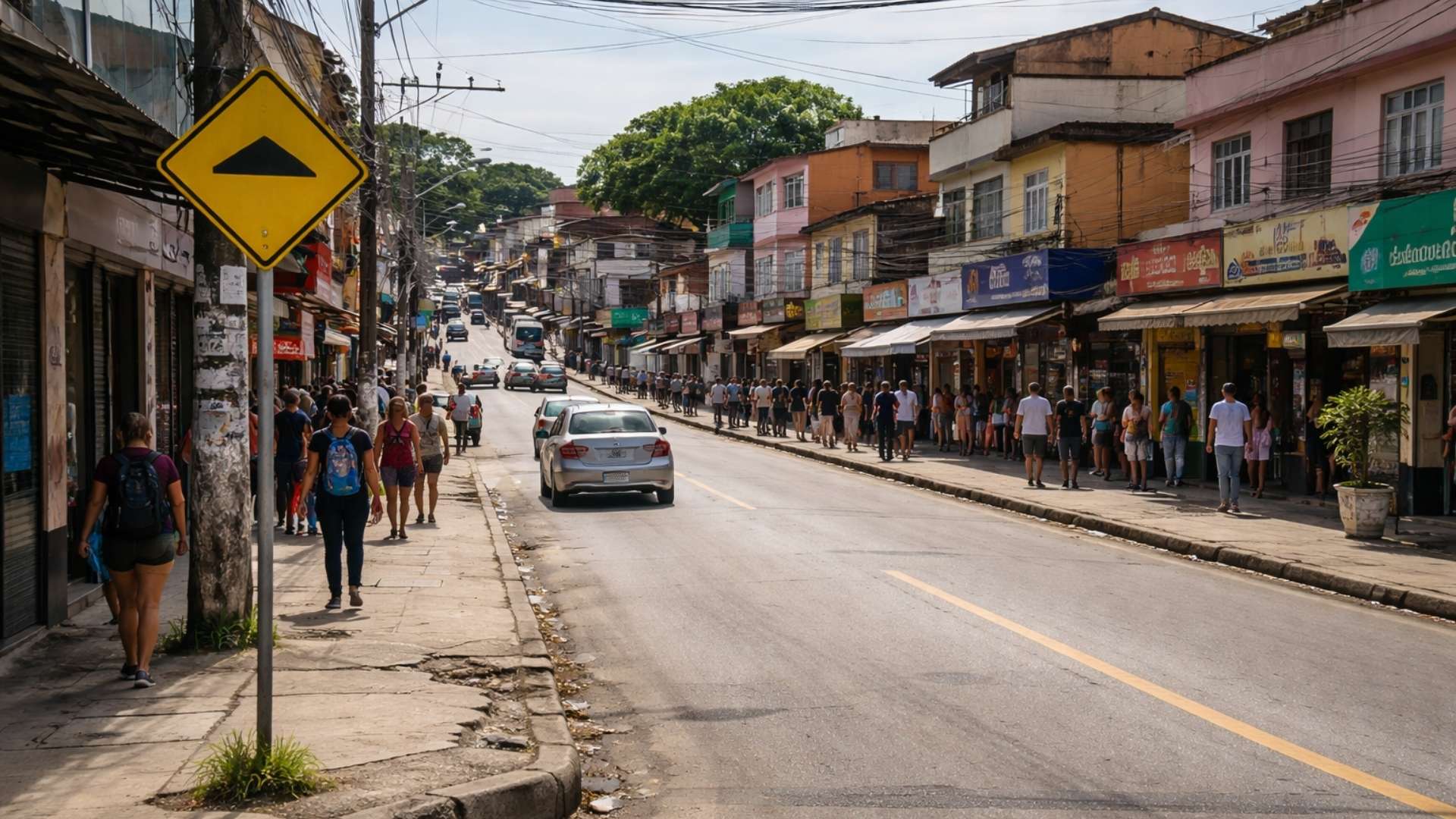
‘Populous’ city in Rio among the worst in Brazil in national ranking and exposes silent development crisis.
-
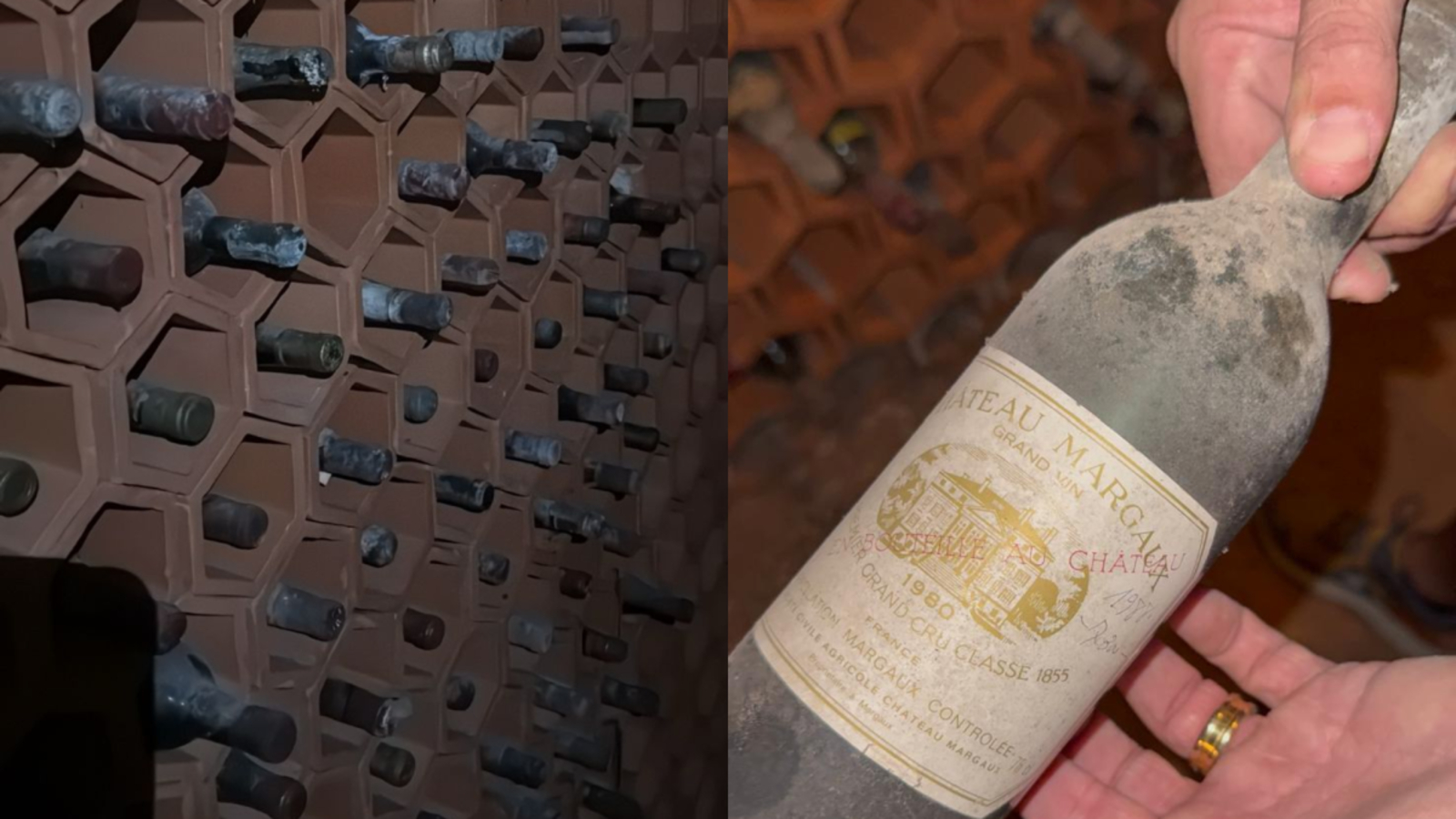
Couple buys house in the South Zone of São Paulo, opens a hidden door in the garage, and finds a secret wine cellar with dozens of old wines forgotten since the 1970s.

The logic was simple: create demand where it almost didn’t exist and structure the service with equipment and a support base.
To achieve this, he quit his job and used a severance package of R$ 120 thousand to buy boards, equipment, and organize the operation.
The decision highlights an important point for understanding the journey: before discussing technology to clean rivers, there was a business involving direct contact with the water, daily repetition, and constant observation of what the river had to offer.
When Living with Water Reveals the Discomfort and Shifts the Focus

The routine on the rivers brought a second diagnosis, harder to ignore: pollution. It was from this discomfort that Awty was born, a startup created to clean rivers using technological vessels.
The same environment that supported leisure also exposed the accumulation of plastic, and the problem shifted from being “the river’s” to a practical operational question: how to remove, treat, and dispose of the material?
With Awty, Jadson claims to have started operations after receiving an investment of R$ 2 million from an investor.
The investment elevates the project’s level because it allows moving beyond one-time efforts and thinking about sustainability: keeping vessels operational, organizing post-collection, and building a flow where what is removed does not return to the shore as waste without value.
Boats with Amazonian Identity and Technology as a Work Tool
The vessels of Awty have been described as technological and, at the same time, carry regional identity: names and shapes inspired by Amazonian legends.
One of the models is called Mapinguari, and the reference comes from the mythical creature whose mouth is located in its belly, used as inspiration for the design. The aesthetics here are not a detail: they communicate origin and differentiate the project in a market where many initiatives end up looking alike.
More than “boats”, what is unfolding is an operation that needs to function in stages: collection, organization of what has been gathered, and processing of the material.
The central proposal is to treat waste as something reusable, not as an end of the line. At this point, the entrepreneur’s narrative hinges on a key idea: cleaning rivers can go hand in hand with creating value, provided there is a consistent destination for what comes out of the water.
From Waste to Raw Material: the Own Plant and the Customer that Completes the Cycle
The next step appears in the treatment of the material: the plastic removed goes through a cleaning and drying process at a dedicated facility.
Without this step, collection is merely transferring the problem: it leaves the river but gets stuck somewhere else. By organizing cleaning and drying, the operation attempts to transform what was “garbage” into something marketable, with a minimum standard for industrial use.
According to Jadson, one of the main clients is a local plastic bag company, and he highlights that it would be “the only one in the state” with a focus on engaging the entire ecosystem.
This relationship is crucial because it explains why the entrepreneur insists that “waste” can be raw material: it is not enough to remove it from the river; there must be a buyer, process, and continuity. And it is precisely this bridge from cleaning rivers to the market that sustains the monthly revenue he reports.
The story of Jadson Maciel shows a rare combination: recognizing opportunity, courage to invest his own resources, daily engagement with the problem, and a pathway to give a destination to the plastic removed.
When waste gains value, cleaning becomes more than just an effort and turns into a system, with incentives to continue, and this shifts the discussion about what is possible to do with the region’s rivers.
In your city, what most appears on the banks and in the water: bottles, bags, packaging, all mixed together?
And if the plastic removed became true raw material, do you think more people would invest in cleaning rivers, or would support, visibility, and partners still be lacking to close this cycle?







-

-

-

6 pessoas reagiram a isso.