





 Portuguese
  English
  Spanish
  3 min of reading
  28 comments


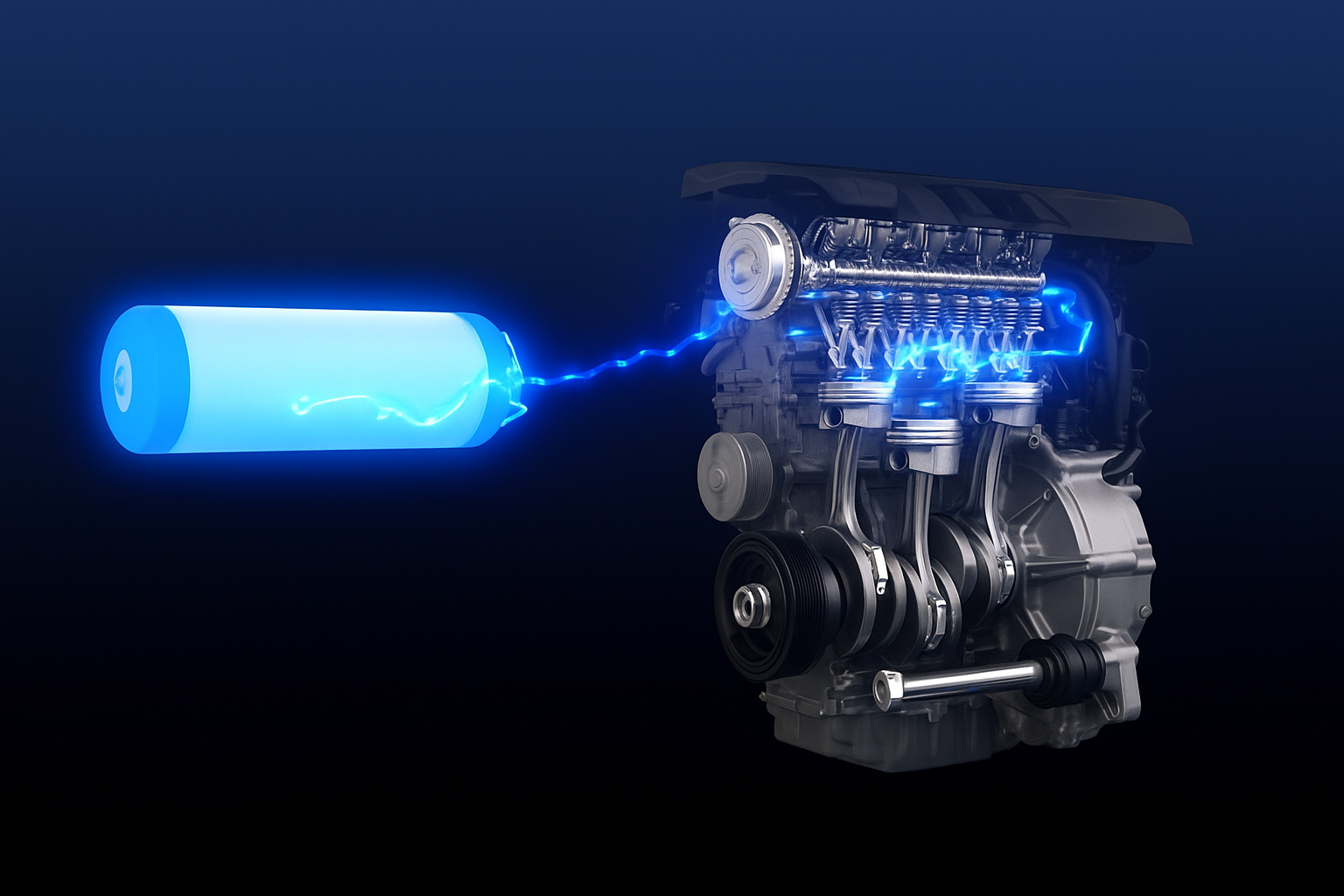


Prototype Developed by AVL RACETECH in Graz, Austria, Demonstrates How a Hydrogen and Water-Fueled Internal Combustion Engine Can Achieve Race Car Performance Without Relying on Gasoline or Traditional Electricity
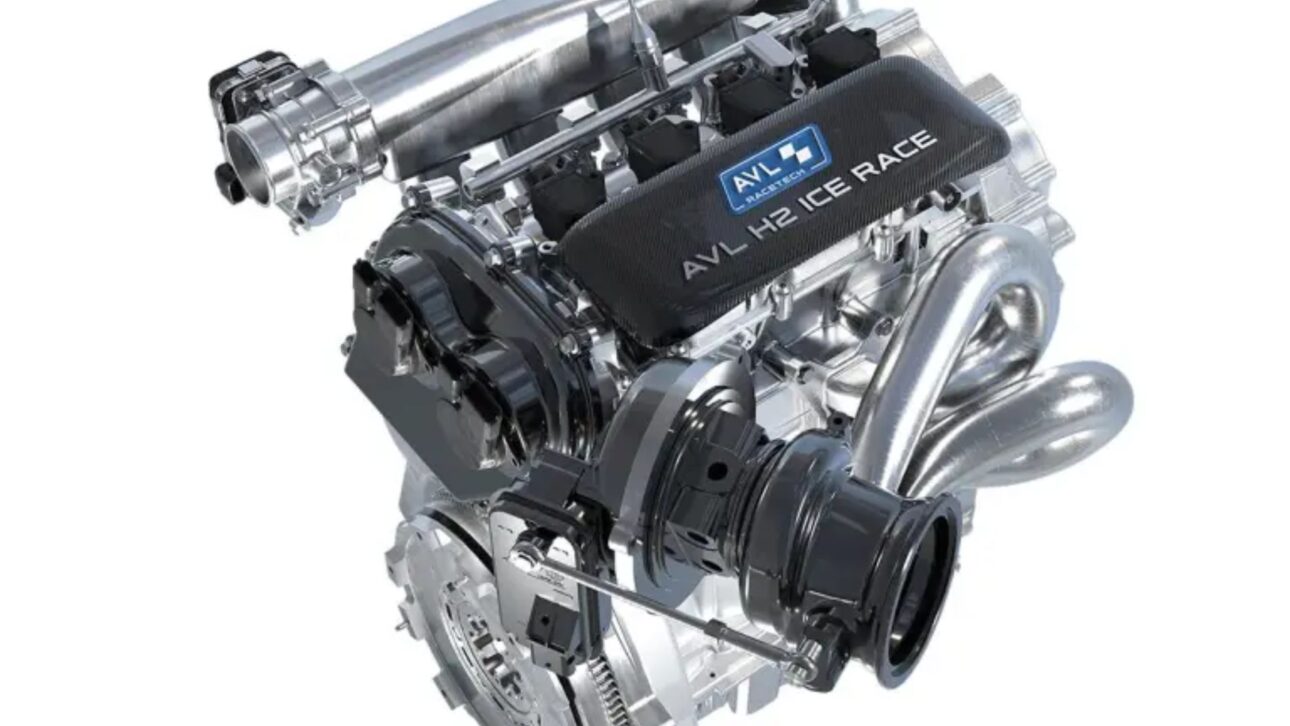
The water and hydrogen-powered engine was presented by AVL RACETECH’s competition division in 2022, in Graz, Austria. The unprecedented prototype, named H₂-ICE, is a turbocharged two-liter internal combustion engine capable of achieving 410 horsepower and 500 Nm of torque, utilizing water injection to optimize combustion. The goal was to demonstrate that it is possible to achieve high sports performance with zero CO₂ emissions.
The information was released by the Ecoticias portal, which highlighted that this was the first time that AVL RACETECH internally developed a complete competition engine, focusing on technological innovation and sustainability. According to the publication, the project aims to offer a clean alternative to conventional engines without the need to mandatorily adopt electric systems or fuel cells.
Change in Hydrogen Engine Standards
Traditionally, hydrogen engines use a lean-burn strategy, which reduces emissions but compromises power. AVL’s proposal breaks this mold by using only a slight lean mixture, ensuring greater performance. The result achieved was a specific power of 150 kW per liter, comparable to high-performance racing engines used in international competitions.
-
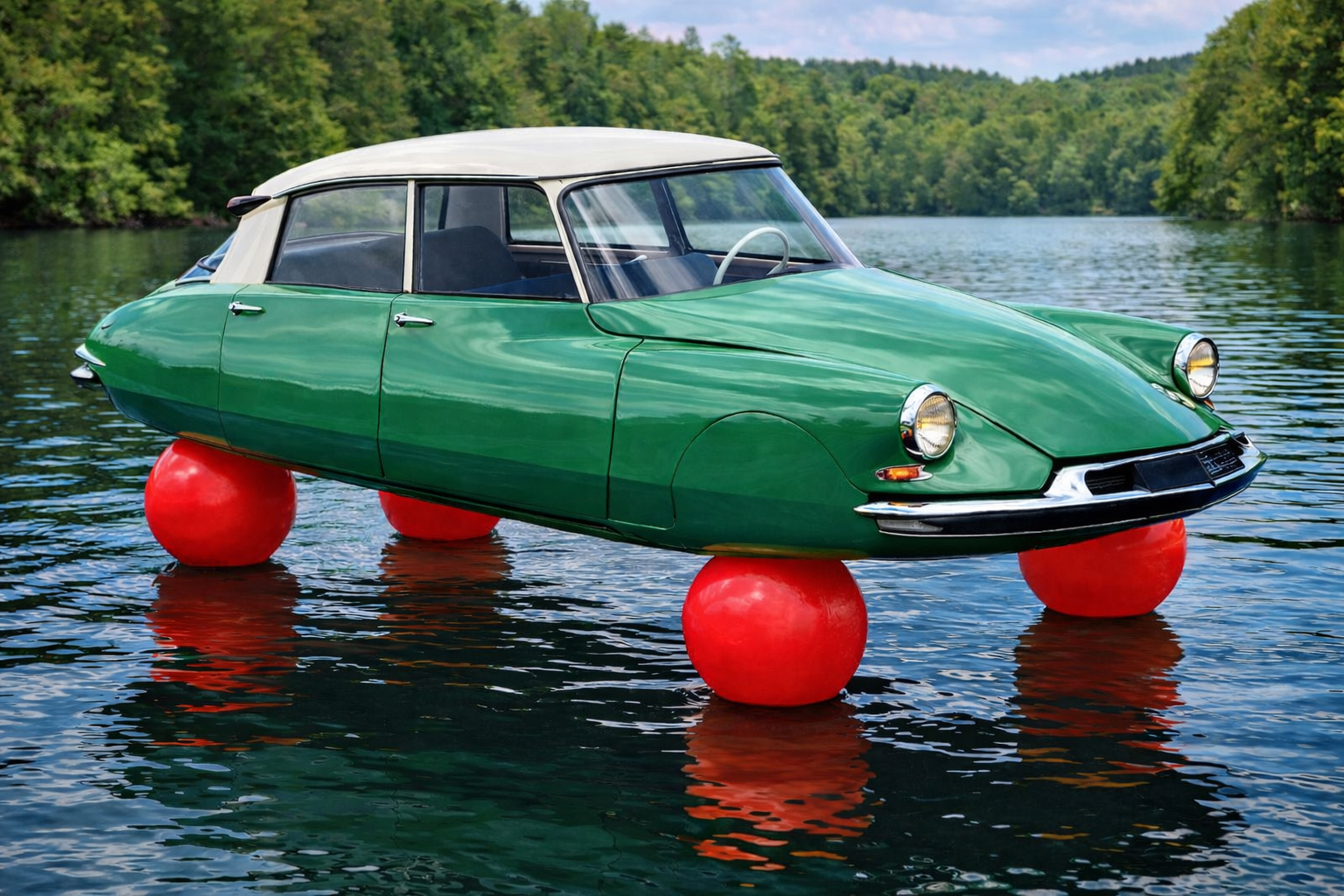
A French brand placed a car on four huge red balloons to prove that its suspension made the vehicle “float,” and the surreal scene became one of the most iconic and unusual images in automotive history.
-
Jeep Avenger begins production in Brazil, debuting as the brand’s new entry-level SUV and inaugurating an unprecedented phase by becoming the first national Jeep manufactured outside of Goiana, as part of a R$ 3 billion plan.
-
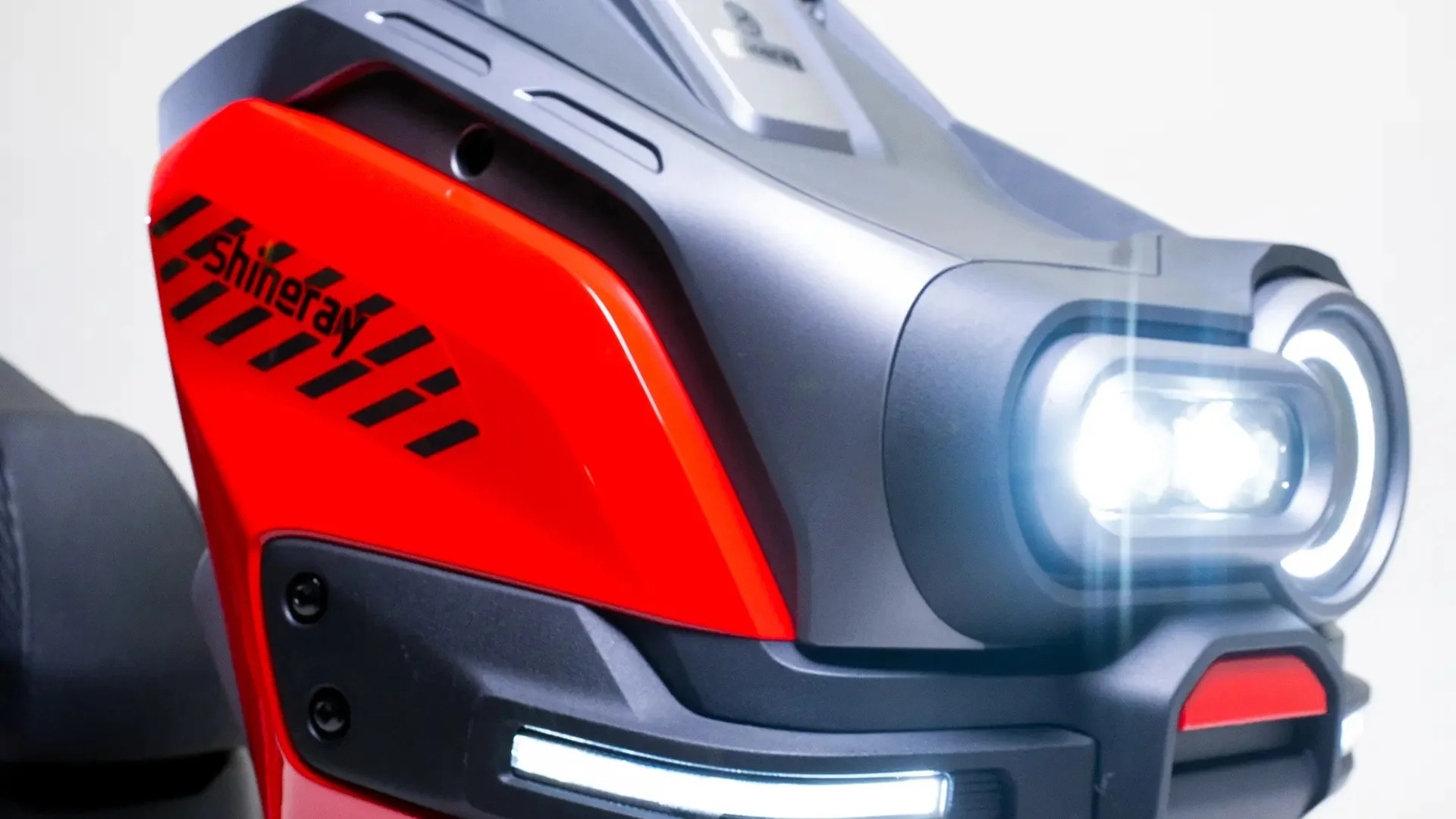
Costing R$ 12,490, the new Shineray Urban Lite 150 “cheap one” arrives in Brazil with a CVT transmission, digital dashboard, and LED lights, making it more affordable than the Biz and targeting those who want to abandon the bus.
-
Ducati brings to Brazil the Superleggera V4 Centenario: 228 hp that become 247 with a track kit, carbon fiber and carbon-ceramic brakes, estimated price between R$ 1.5 and 2 million, deliveries only in 2027.
To achieve these numbers, the team implemented water injection in the intake air, a solution that cools the combustion chamber and allows for higher turbo pressure. This innovation helps prevent pre-ignition, one of the main issues in hydrogen engines, prolonging durability and increasing mechanical reliability.
Technical Details and Test Validation
The engine was designed to operate with stoichiometric combustion (lambda equal to 1), eliminating the dependence on ultra-lean combustion. Equipped with a wastegate-type turbocharger, the system ensures the ideal amount of air for each cycle, balancing power and efficiency. The cooling provided by steam also helps maintain controlled temperatures at high RPMs.
In bench tests conducted at the research center in Graz, the prototype achieved 410 horsepower at 6,500 RPM, validating the performance targets announced by the team. According to Paul Kapus, AVL’s development manager, the project demonstrated that competition engines can transition to hydrogen without losing performance while maintaining a technology base similar to gasoline engines.

Future of Hydrogen in the Automotive Industry
Although the project was revealed in 2022, experts point out that the adaptation of conventional engines to hydrogen is likely to gain more and more space in the industry. The fuel stands out for offering zero exhaust emissions, with water as the only byproduct, and for allowing the utilization of part of the existing internal combustion engine infrastructure.
This type of solution is seen as a bridge between the present and the future of mobility, allowing manufacturers and competitions to adapt to the energy transition gradually. At the same time, hydrogen helps reduce exclusive reliance on battery electric vehicles, expanding the range of clean technologies available to consumers and businesses.
Do you believe that hydrogen engines with water injection can really replace gasoline and electricity in the future of mobility?









Nāo, porque apesar de ter melhorado a eficiência ainda é baixa comparado aos dos carros elétricos que tendem a melhorar ainda MAIS, com o uso de mecroeletrocica e sistemas de acionamento microprocessados com auxilio de IA
Com certeza este é o futuro de motores a combustão interna
Vamos fazer as coisas a contecer e por em prática as vendas para todos os países que estão interessados
Vai ser difícil os grandes não vão querer Bara envolve muitos interesses em a recadacoes de impostos e produtos preto ferros
Pretoliferos