





 Português
  Inglês
  Espanhol
  3 min de leitura


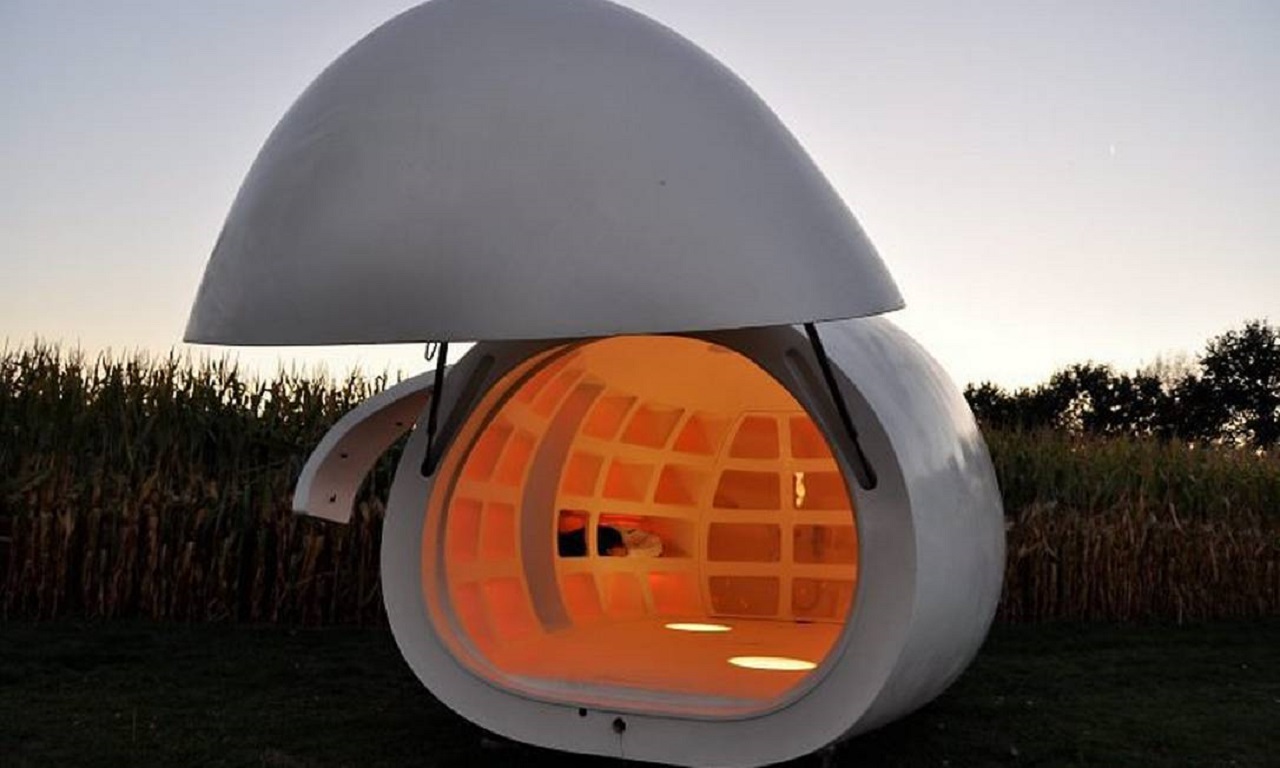
Innovative Capsule Homes Encourage Living Outside Cities And Using Renewable Energy.
Have you always dreamed of escaping the hustle and bustle of the city and taking a break in nature? The Ecocapsule – a unique mobile, self-sustaining egg-shaped home that harnesses solar and wind energy – would be the ideal choice. Tomas Zacek, founder and director of innovation at Ecocapsule, based in Slovakia, states that he designed the product with his associates from Nice & Wise Studio (formerly known as Nice Architect, a firm in Bratislava, Slovakia) for an architecture and design competition in 2008.
Although the model did not win, it was selected as one of the most interesting projects of the competition by habitaat.com. The architects received positive feedback and enough public interest to encourage them to build a new capsule. In 2015, the first commercially viable Ecocapsule model was completed.
Technological And Self-Sustaining


According to Zacek, the original Ecocapsule measures 15 feet (4.57 m) long, 7.2 feet (2.19 m) wide, 8.2 feet (2.5 m) high, and has a total built area of 88 feet (26.82 m). The small home can comfortably accommodate two occupants and operate fully off-grid with 880 watts of solar cells.
-
A megaproject worth R$ 89 billion is advancing in Iraq and promises to change the game in global trade by creating a new corridor between Asia and Europe, reducing traditional routes and repositioning the country as a logistics powerhouse.

-
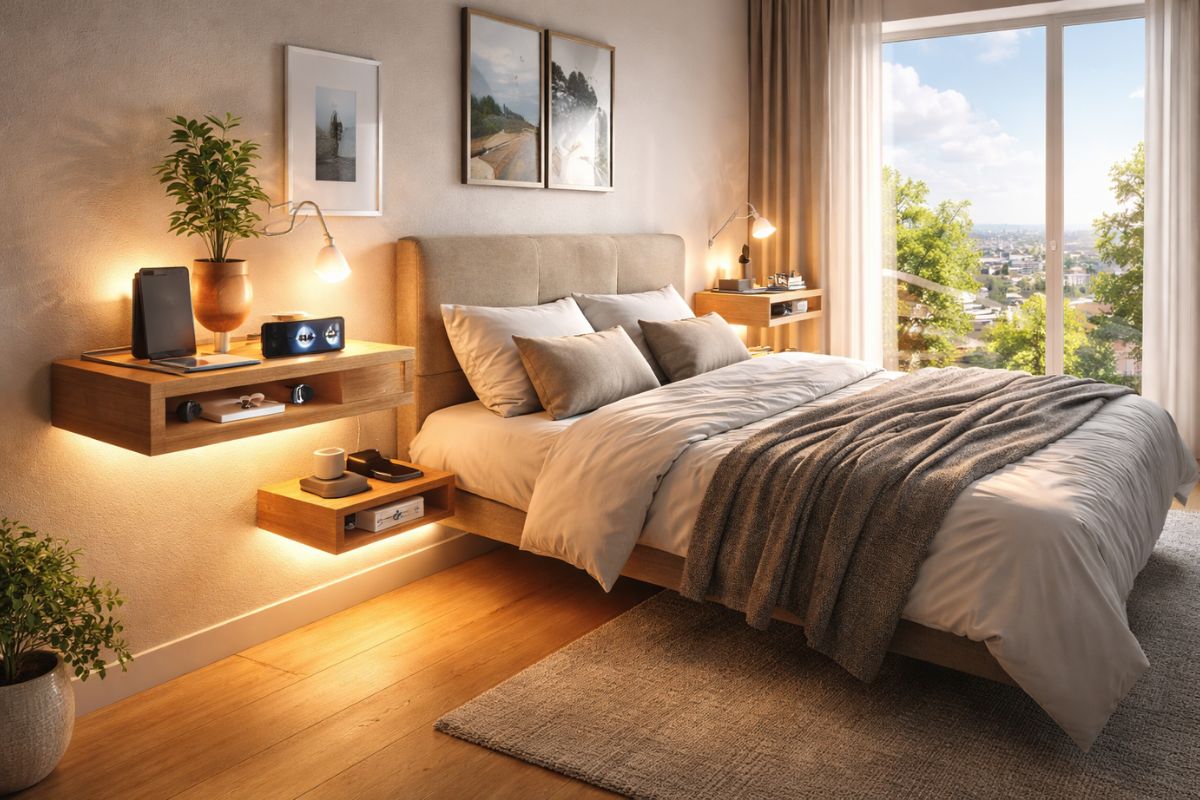
Goodbye bedside table: floating shelves become a trend in 2026 by freeing up space in the bedroom, improving circulation, bringing visual lightness, and integrating technology without taking up floor space.
-
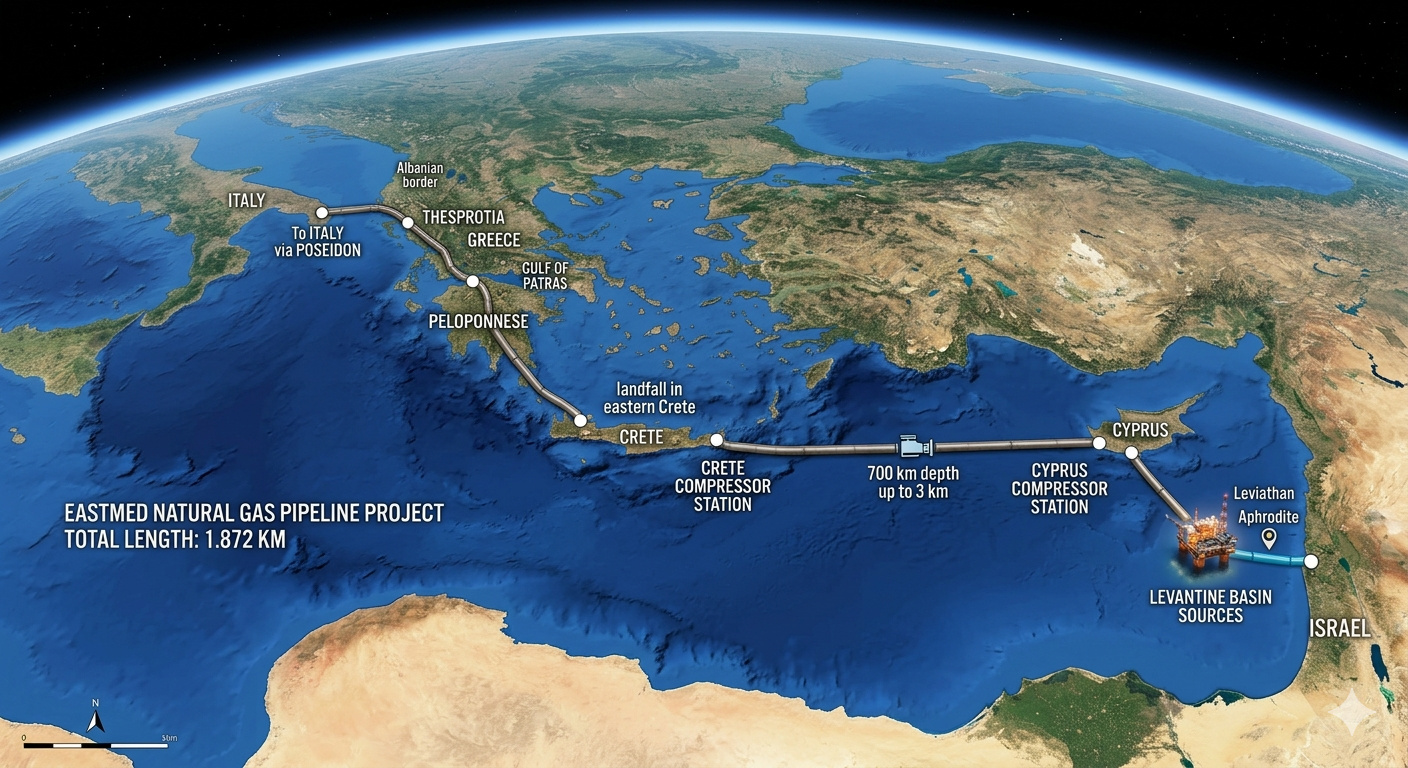
Israel, Greece, and Cyprus signed an agreement in 2020 to transport gas from the Mediterranean to Europe via a 1,872 km pipeline, but Turkey claimed sovereignty over part of the maritime route, and the project never materialized.
-
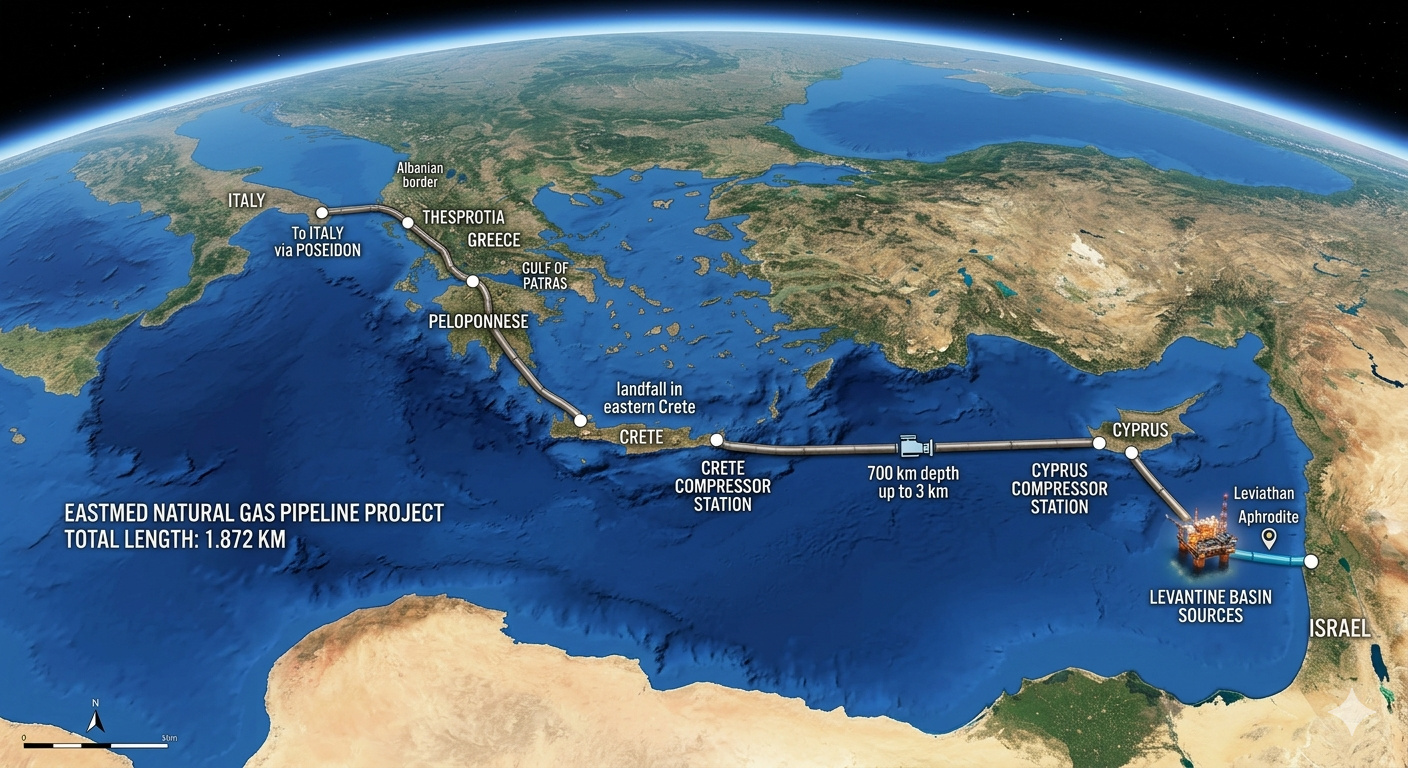
Israel, Greece, and Cyprus signed an agreement in 2020 to transport gas from the Mediterranean to Europe via a 1,872 km pipeline, but Turkey claimed sovereignty over part of the maritime route, and the project never materialized.

Additionally, a low-noise wind turbine of 770 watts can provide electricity daily. The shape of the Ecocapsule allows for rainwater collection, which is diverted to a water tank and filtered for consumption and bathing.
In case of reduced solar or wind activity, a dual power system and a high-capacity battery ensure that there is enough power available.
The fully charged 10 kWh battery is expected to provide electricity for at least four days, at an average consumption rate of 2.2 kW per day. Hand-operated water pumps have been installed, serving as a backup system if the battery is drained.
Comfort And Quality
“The initial intention was to build a house for people who wanted to live off the grid for a certain period, such as forest rangers, professional photographers, and scientists, or as a quick housing solution for emergency response needs. However, it quickly became clear that the Ecocapsule could be opened to a wider audience and even used in cities like New York and Silicon Valley, where living and rental density is high,” said Zacek.
Zacek states that, like many other micro-homes, the original model includes all the amenities that one or two people may need, such as a foldable double bed, reclining table, compact kitchen, shower, and compostable toilet, in which bio waste is collected.
Its interior is well-lit naturally and predominantly white with light wood accents. The structure, with walls 7.8 inches (19.81 cm) thick, can withstand temperatures as low as -10 °C.
“We developed a custom trailer that can be easily attached to any Ecocapsule, allowing you to tow the unit behind your vehicle. All Ecocapsules are prepared for trailer attachment.”
The Ecocapsule also has two hooks on the ceiling, so it can be lifted by crane, forklift, or helicopter.










Seja o primeiro a reagir!