Portuguese
  Spanish


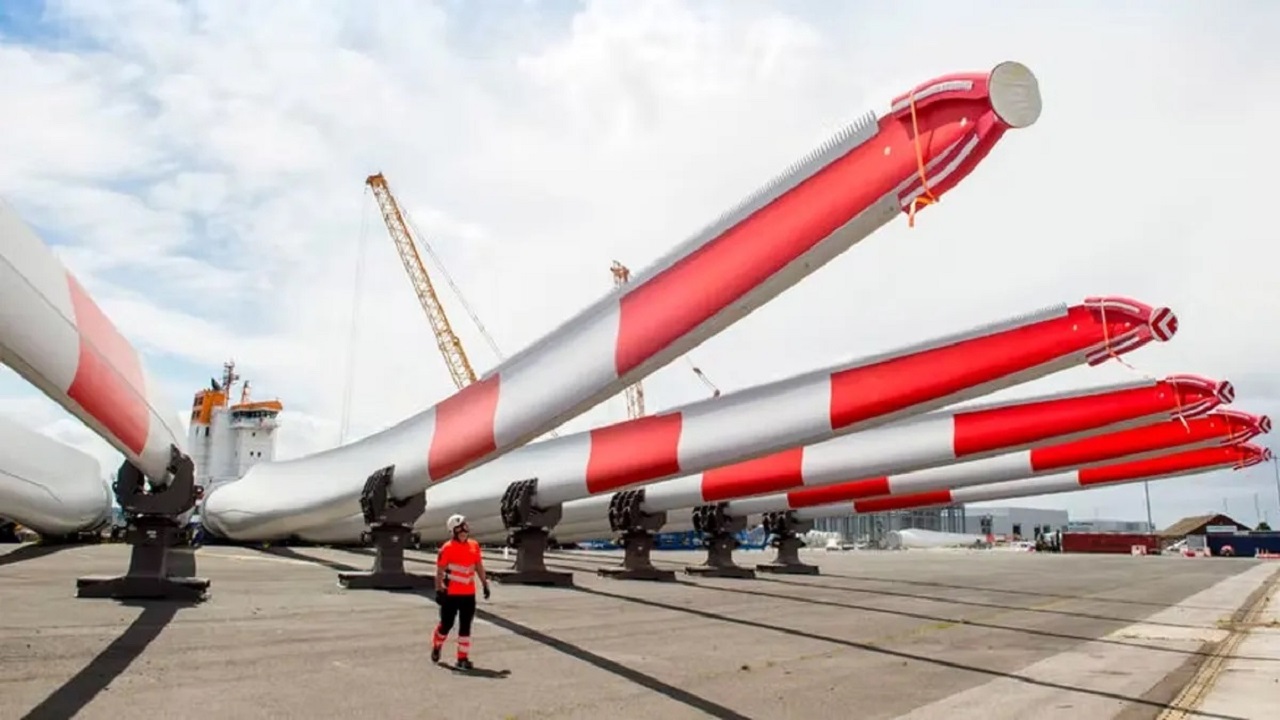

This Is The First Commercial Operation Of Siemens Gamesa’s New Recyclable Blades In The Wind Turbines Located At The Kaskasi Park In Germany.
Finally, the first recyclable wind blades from Siemens Gamesa are operating in a wind turbine at the offshore wind farm in the city of Kaskasi, Germany. This is the first installation and commercial operation of wind turbine technology with recyclable wind blades.
Siemens’ Recyclable Wind Blades Finally Entered Operation At The Kaskasi Wind Farm
The set of highly technological recyclable wind blades from Siemens Gamesa was named ‘RecyclableBlade’. The recyclable wind blades installed on the turbines at the park were manufactured from various materials embedded in resin.
According to explanations given by Siemens Gamesa regarding the manufacturing of the blades, the separation of resin, fiberglass, wood, among other materials, is done through a mild acidic solution.
-
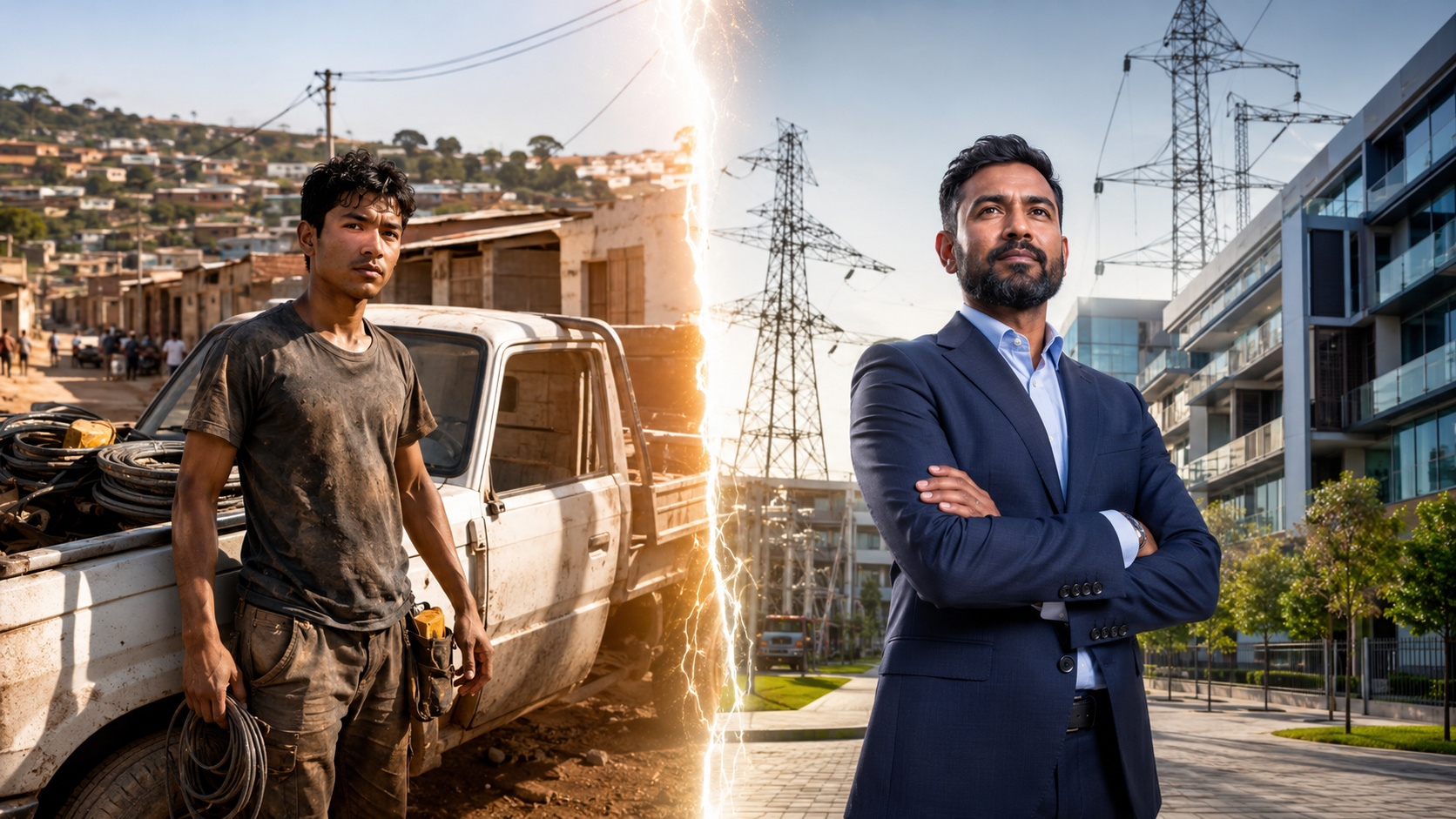
Fired during apartheid and with a little borrowed money, an electrician started with a borrowed truck and transformed electrical services into a group connected to energy, real estate, and infrastructure in South Africa.

-
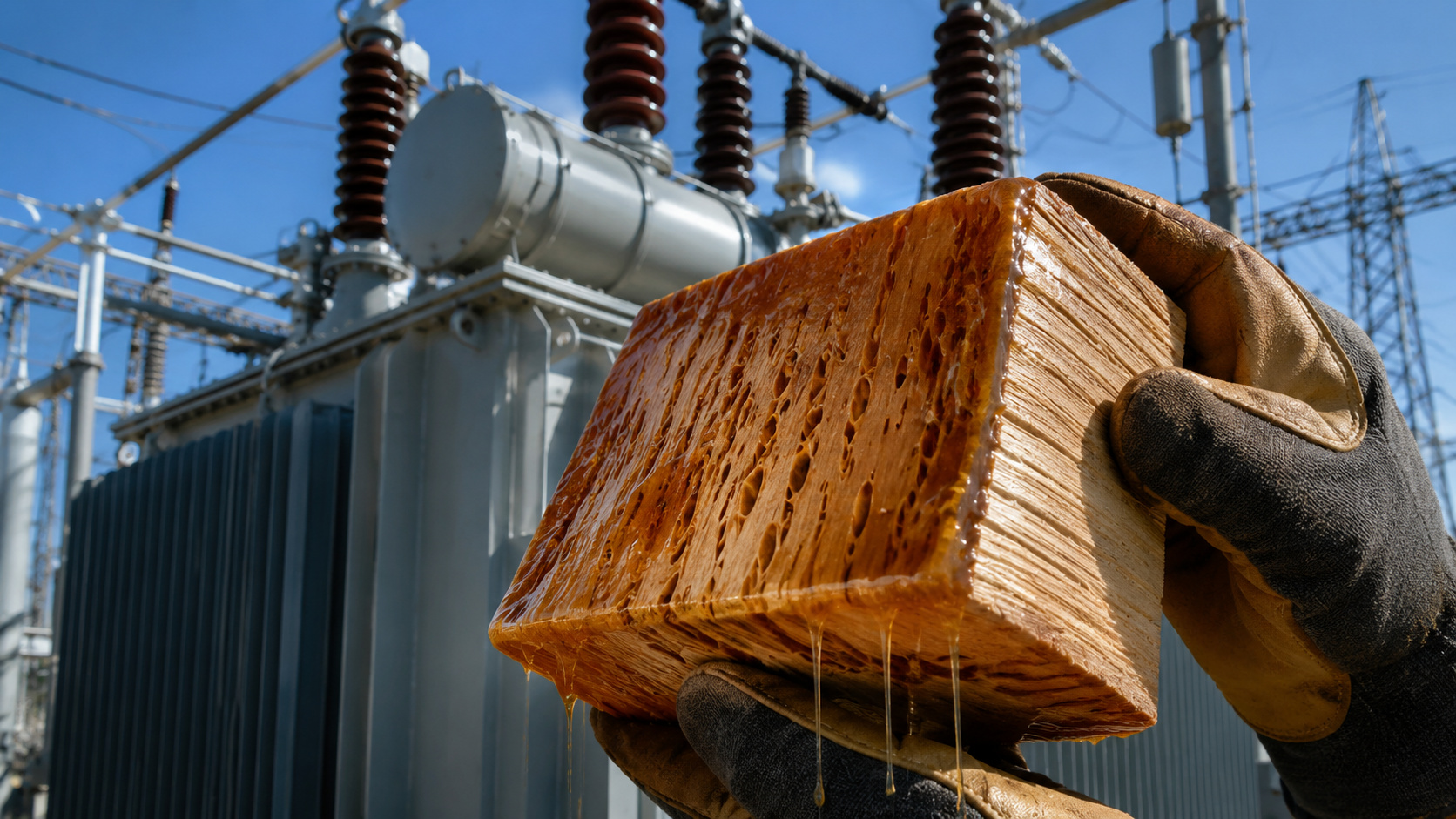
Wood has ceased to be just a construction material in Yale research and has become insulation for electrical transformers that face intense heat, aging, and increasing pressure from the renewable energy-powered grid.
-
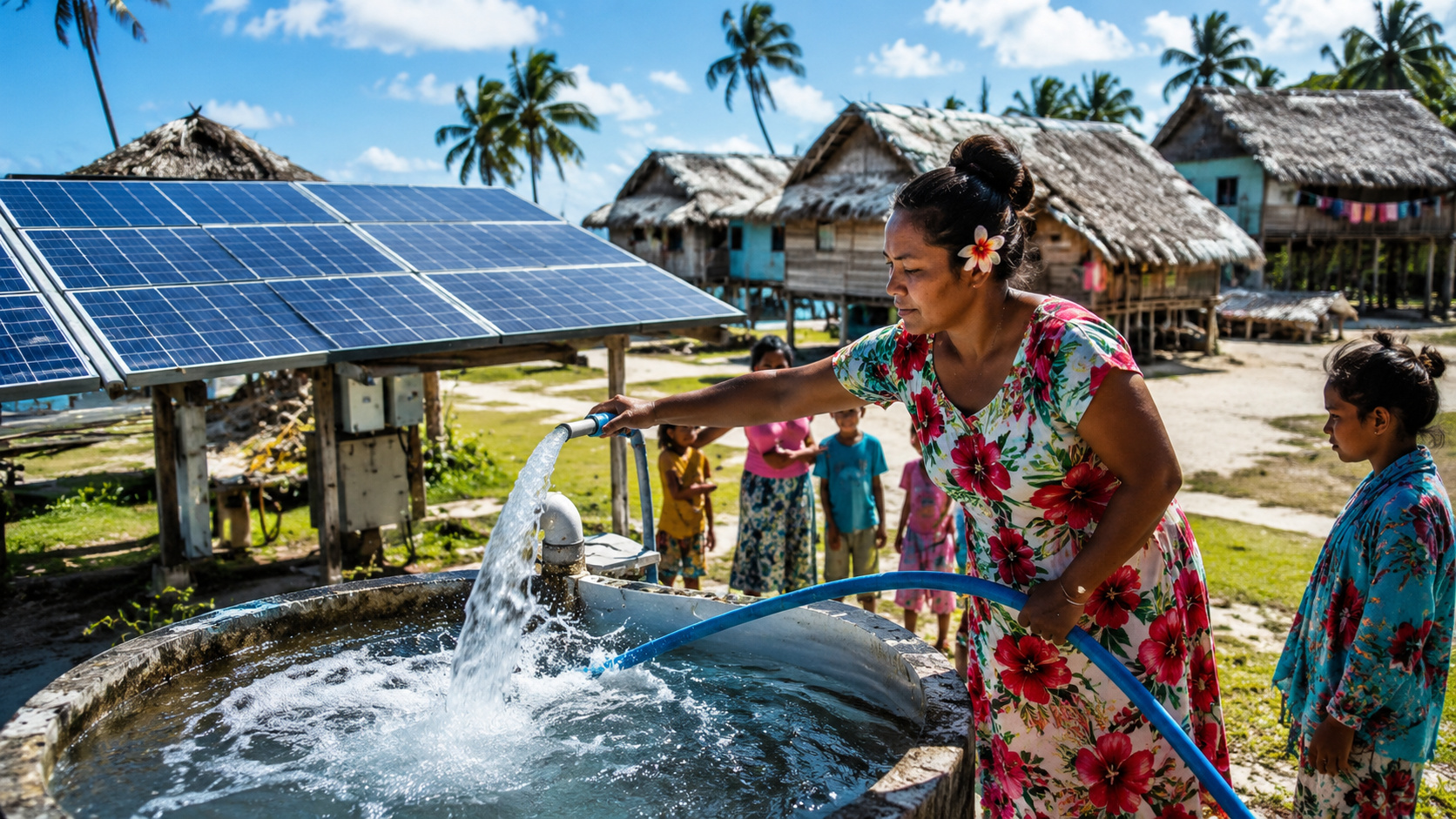
More than 1,000 residents of a remote island in Kiribati now have clean water and electricity with solar systems operated by the community itself.
-
Ceará brings together 7 giants and R$ 66 billion to transform Pecém into the largest green hydrogen hub in Brazil, with final decisions expected by the end of 2026.

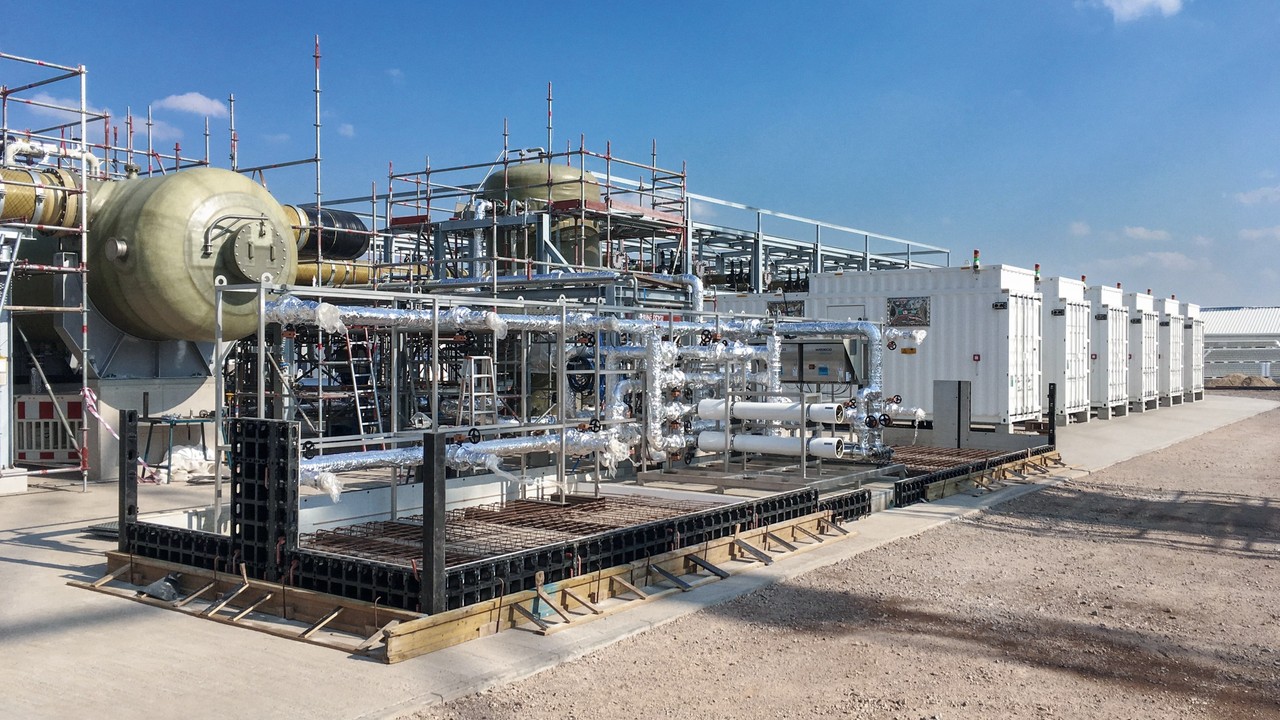
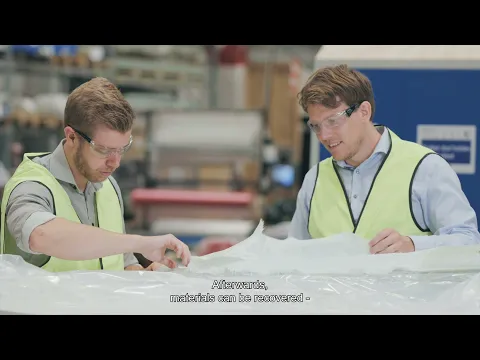
Siemens also emphasizes that the materials can then enter the circular economy, allowing for the creation of new products, such as bags or flat screen enclosures, without the need to resort to other or more raw resources.
Development Process Of Siemens Gamesa’s Wind Blade Technology

All the technology for the ‘RecyclableBlade’ wind blades was developed in the city of Aalborg, Denmark. The blades were manufactured in the city of Hull, United Kingdom. The nacelles were manufactured and installed in Cuxhaven, Germany.
Siemens Gamesa’s plan is to make all of its wind turbine blades 100% recyclable by 2030, and to make all of its wind turbines 100% recyclable by 2040.
The promise to bring the RecyclableBlade technology to market in just 10 months was indeed fulfilled, as the wind blades were launched in mid-September 2021, and the installation within the Kaskasi project by RWE was last month, in July.
Undoubtedly, it is commendable and impressive how the delivery of the wind blades to market was indeed on time. Certainly, this pace is what all technology companies need to follow in order to make the expansion of renewable energy generation viable enough to combat the global climate emergency.
Features Of The Wind Blades
The Kaskasi offshore park, which houses the 342 megawatt (MW) wind turbine, is managed by its owner, the energy company RWE, located in Germany. RWE is about 35 km north of Helgoland Island in the German North Sea.
Siemens did not specify in detail how many of the 38 SG 8.0-167 DD wind turbines at the offshore wind farm will feature the RecyclableBlade, but only reported that “some wind turbines” will be recyclable.
The company’s wind turbines are being presented as the “Siemens Gamesa B81 recyclable blades handcrafted, each with a length of 81 meters.”
Get To Know Siemens Gamesa
Siemens Gamesa has been in the market for 40 years, investing in unlimited potential in wind energy, ranging from powering large factories and commercial centers to lighting homes and residences around the world.
Siemens has maintained technological leadership for years, since the first wind turbines were manufactured to the majestic offshore projects.
Currently, Siemens Gamesa has a differentiated vision of reality, and since the technology companies merged in 2017 and the first wind generators were created, it has opened space for continuous market growth. Siemens Gamesa is responsible for the creation of several wind farms in various parts of the world.