





 Portuguese
  English
  Spanish
 3 min of reading


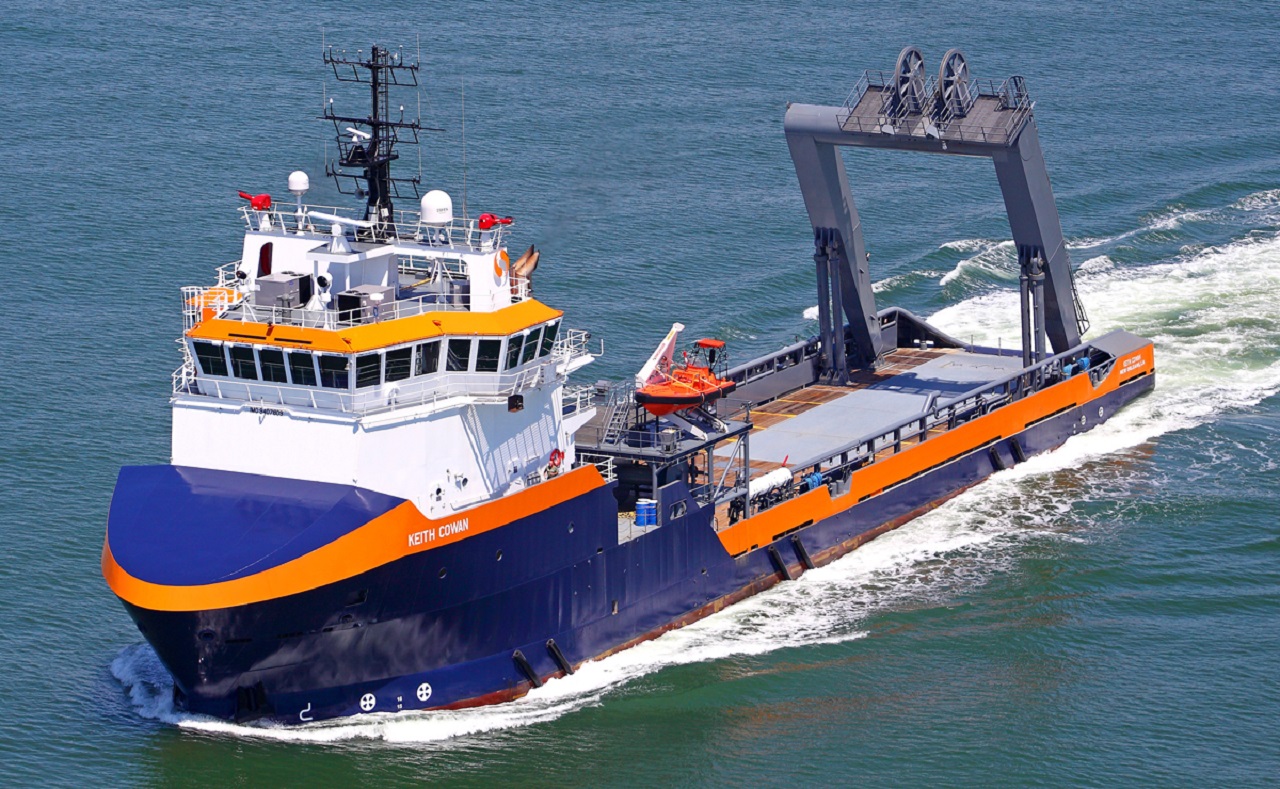
ABZ Services Announced Today Two Positions for 2nd Nautical Officer and 2nd Engineering Officer, in Addition to Open Vacancies for Deckhand and Ordinary Seaman; Pay Attention to the Job Requirements
Sunday is also a day to announce job openings, and ABZ Services makes a point of reinforcing this. This Carnival Sunday (19), HR started a selection process for the positions of 2nd Nautical Officer and 2nd Engineering Officer, but there are also ongoing opportunities for Deckhand and Ordinary Seaman.
It is important to note that the embarkation is immediate and the specifications for the position include basic duties for operating AHTS vessels.
But What Is an AHTS Vessel After All?
AHTS is the English acronym for (Anchor Handling Tug Supply), which is actually a support vessel used in the offshore industry, especially for activities related to oil and gas exploration and production. It is designed to provide support to drilling and production vessels, as well as for anchor positioning operations and anchoring line handling.
-
Work at Vale! The company is recruiting individuals with high school, technical, and higher education in areas such as maintenance, operations, and technology, with 400 immediate openings in 6 states, salaries of up to R$ 10,000, and 100% online applications.

-
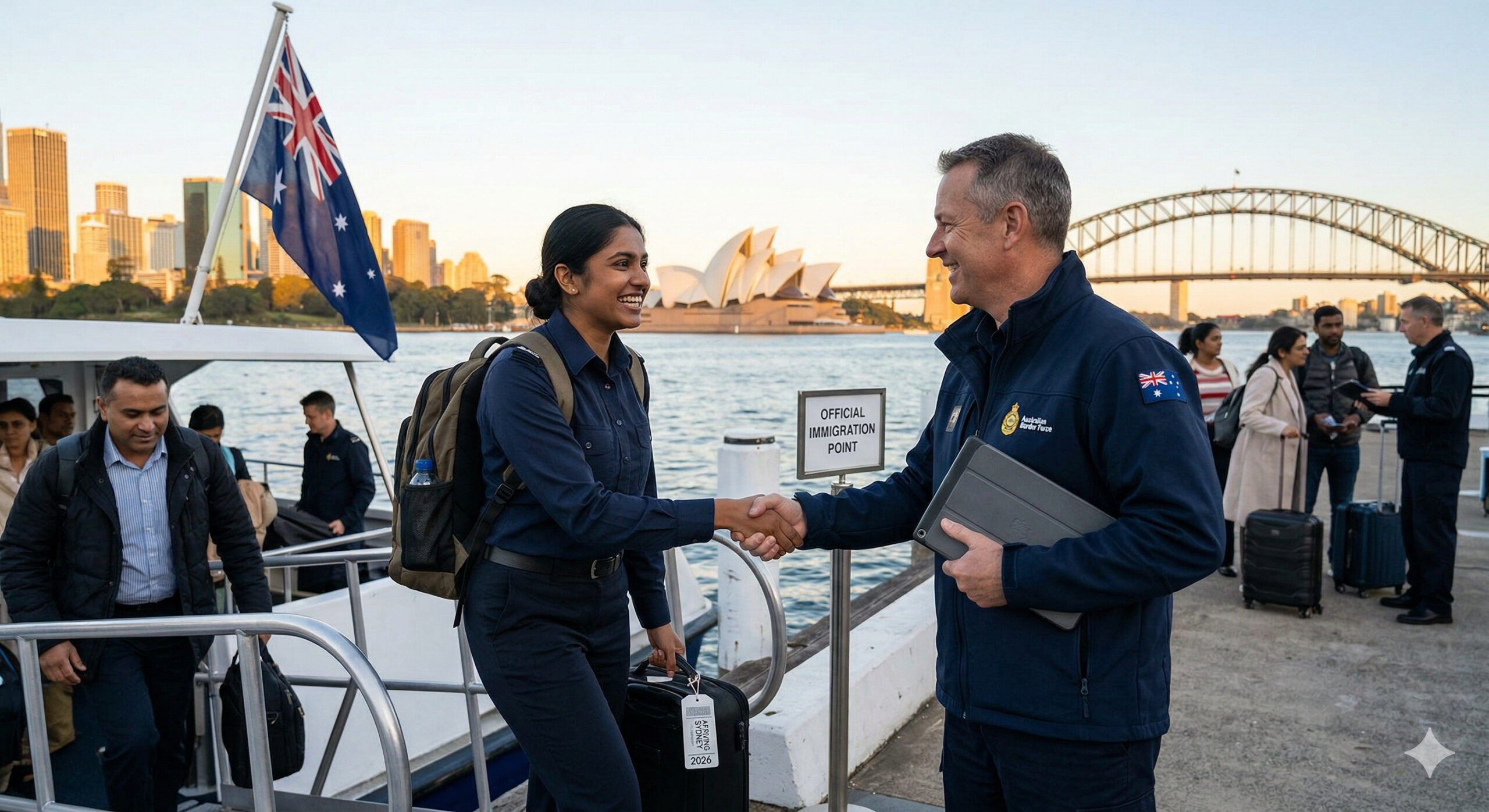
Australia accelerates the search for foreign workers in 2026 with an official list of in-demand professions that includes drivers, programmers, and nurses, salaries starting from AUD 76,515 per year, and visas that can lead to permanent residency.
-
Gran Services announces offshore job openings for various positions in the oil and gas sector.
-
Tecnogera opens an offshore position with a mixed schedule for those who want to work on board in Macaé (RJ) with benefits including Meal Voucher, Transportation Voucher, Life Insurance, and more.


SENDING YOUR CV: For those with experience who wish to apply for this job vacancy, you may send your resumes in both Portuguese and English to the email recrutamento@abzservicos.com
- What is the Education and How to Take Courses for the Maritime Officer Profession?
To work as a 2nd Nautical Officer or 2nd Engineering Officer on an AHTS vessel in Brazil, seafarers need to meet the requirements set by the Directorate of Ports and Coasts (DPC), which is the maritime authority responsible for regulating the training and certification of seafarers in the country.
How to Become a Nautical and Engineering Officer?
To be a 2nd Nautical Officer, it is necessary to have the Certificate of Competence for 2nd Class Nautical Officer (CCON), which is obtained after completing a technical course in nautical sciences at a school authorized by the DPC.
Additionally, it is required to have completed the training courses outlined in the STCW Convention, including the Basic Safety Course on Ships, Personal Survival Training, Lifeboat Survival Techniques, Fire Fighting, and First Aid.
Both positions also require prior experience and specific training related to AHTS vessel operations, such as the Marine Support Vessel Handling and Operation Course (MOEM), and obtaining the International Certificate for Marine Support Crew (ITSO).
And for Deckhand or Ordinary Seaman?
To become a Deckhand or an Ordinary Seaman, it is necessary to follow some basic steps:
- Completion of Elementary School: The first requirement is to have completed elementary school, which is the minimum educational requirement to work as a seafarer in Brazil.
- Completion of training courses: Seafarers need to take the training courses outlined by the STCW Convention, which include the Basic Safety Course on Ships, Personal Survival Training, Lifeboat Survival Techniques, Fire Fighting, and First Aid.
- Obtaining the Registration and Enrollment Certificate (CIR): After completing the training courses, seafarers can apply for the Registration and Enrollment Certificate (CIR) with the Brazilian Navy, which is the document that proves the seafarer’s qualification to perform activities aboard vessels.
- Accumulating experience on board: To progress in a maritime career, it is necessary to gain experience aboard vessels, which can be acquired through temporary work, embarkation as a casual, or through trainee programs and internships in shipping companies.
- Completion of specialization courses: To advance in the career, it is important to invest in specialization courses, which may include technical courses in nautical sciences or marine engineering, equipment and systems operation courses aboard, among others.
- Exams to obtain the Deckhand or Ordinary Seaman certification: To obtain the certification of Deckhand or Ordinary Seaman, it is necessary to go through a theoretical-practical evaluation process conducted by the DPC. The exams evaluate the candidate’s theoretical knowledge about navigation, maneuvers, communication, and other skills related to work on board, as well as the practical skills of the candidate aboard a vessel.
It is important to emphasize that the training and qualification requirements may vary depending on the company and the type of AHTS vessel on which the seafarer will work. Therefore, it is essential to consult the specific requirements of the company that is hiring.










Seja o primeiro a reagir!