





 Portuguese
  English
  Spanish
  4 min of reading
  0 comments


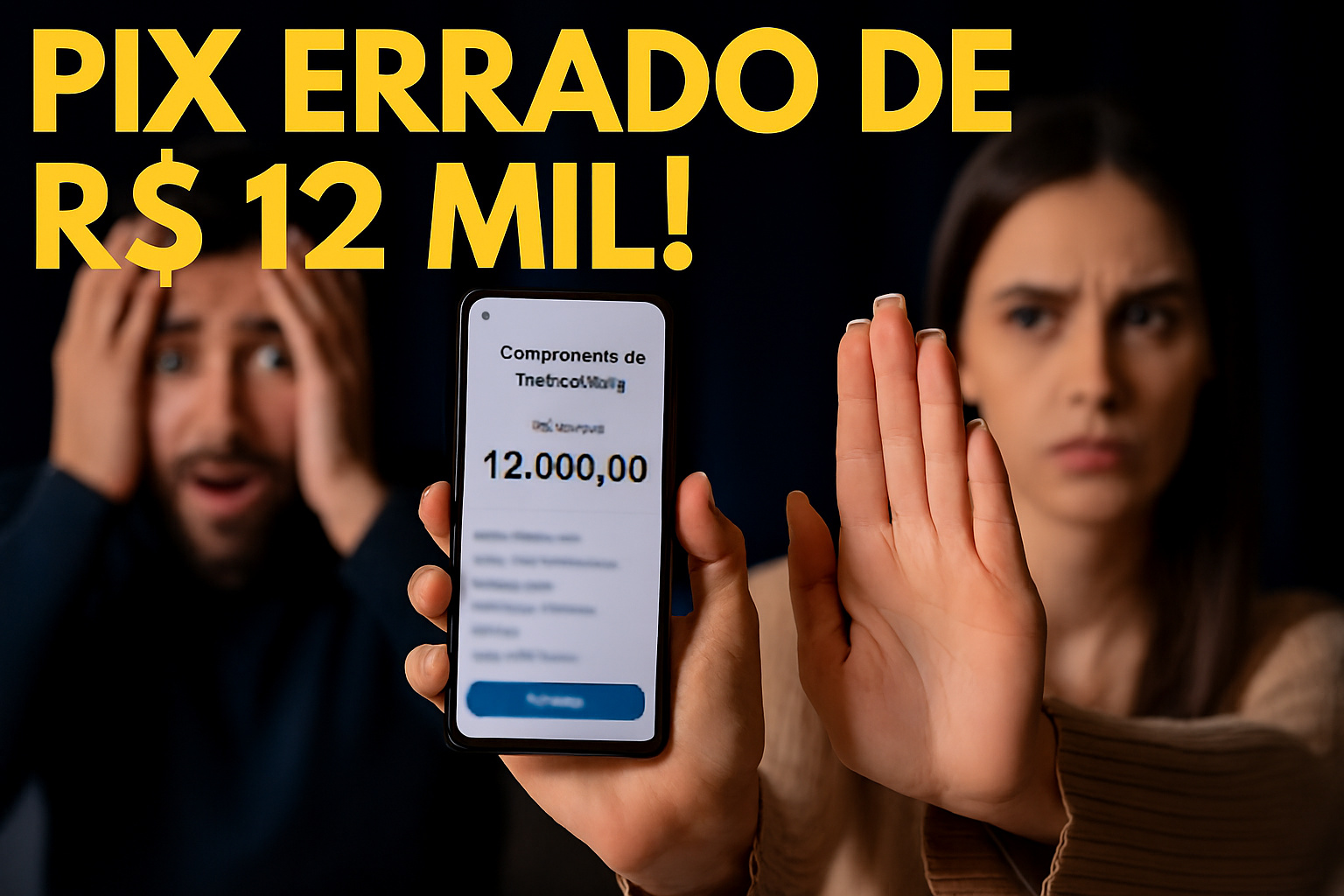
Businessman Makes Mistake and Sends R$ 12 Thousand via Pix to Ex-Employee, Tries to Retrieve the Money and the Case Becomes a Legal Dispute after Refusal to Return
What began as a simple banking mistake ended up becoming a police matter in the Federal District. A businessman from Brasília mistakenly made a Pix transfer of R$ 12 thousand to the account of a former employee and, upon realizing the error, tried to recover the money immediately. But to his surprise, the ex-employee refused to return the amount, claiming that the money was a “donation” or “due payment,” which led to a legal dispute.
The incident occurred in September 2024 and was reported by TV Record Brasília in the news program DF Record. According to the businessman, the transfer was made while he was making a series of payments to suppliers. A distraction while typing the name caused the Pix to be sent to the wrong person — a former employee who had left the company months earlier.
The Mistake and the Immediate Attempt to Correct It
As soon as he noticed the error, the businessman contacted the bank and the ex-employee, explaining the situation. He provided proof of the transfer and requested a reversal.
-
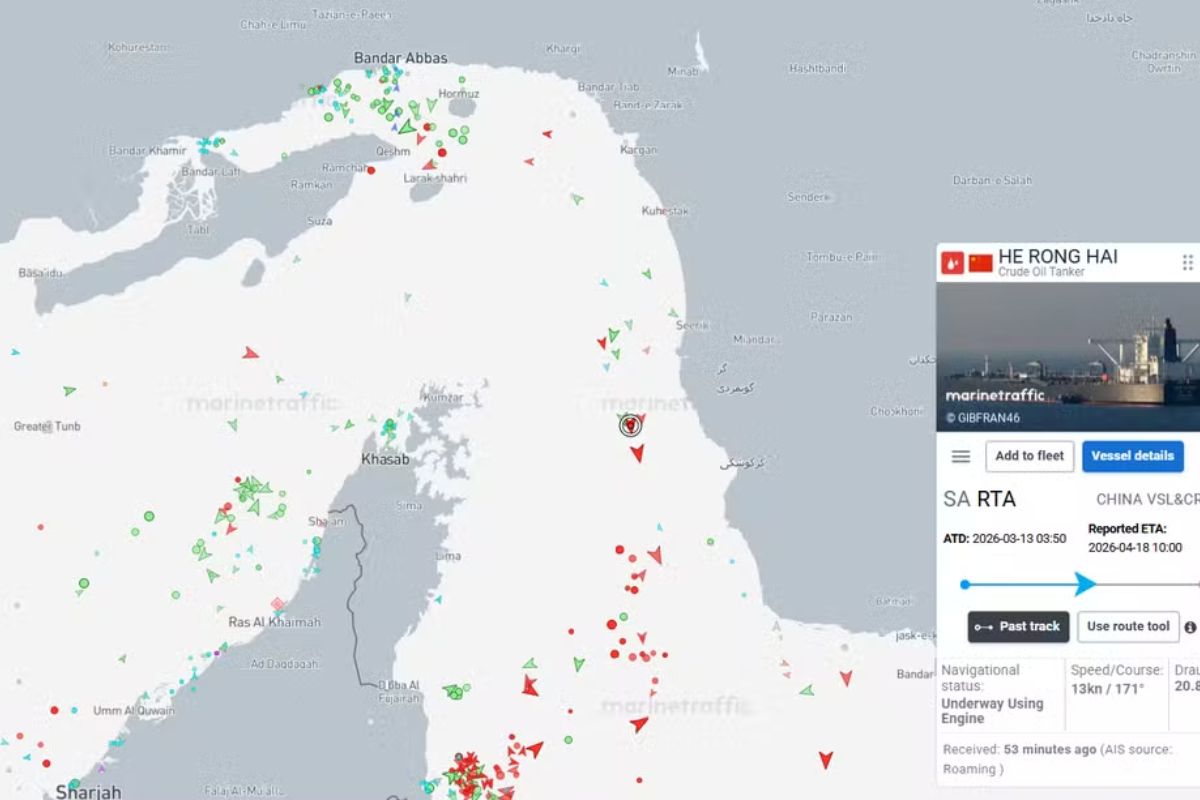
Two Chinese supertankers chartered by Asia’s largest refiner have just crossed the Strait of Hormuz and may be the first to leave the Persian Gulf since the ceasefire between the United States and Iran on a route that still has mines and uncertainties.
-
While Havan earns R$ 50 million per day throughout the year, Cacau Show managed six times more in just 24 hours, totaling half a billion reais in two days of Easter.

-
Weak dollar or strong real? The American currency plummets for the third day, approaching R$ 5 and surprising the market with global inflation and tensions in the Middle East that continue to create global uncertainty.

-
China’s investments in Brazil in factories, energy, oil, electric cars, and new industrial projects double to $4.2 billion, making the country the 3rd largest global destination for Chinese capital.

“I explained that the amount was not due and asked only that he return it. He blocked me and stopped responding,” he told the news outlet.


With no success in direct attempts, the businessman turned to the Justice system and filed a report at the Special Police Station for Cybercrime (DRCC), requesting the immediate return of R$ 12 thousand.
What the Law Says About Money Sent by Mistake
According to the Central Bank and the Civil Code, any amount transferred by mistake must be returned. Article 876 of the Civil Code is clear: “Anyone who receives what is not owed is obliged to return it.”
Furthermore, the Central Bank provides a security mechanism known as MED (Special Return Mechanism), created specifically to correct Pix errors and fraud.
The procedure allows the payer’s financial institution to request the return within 80 days after the transaction, provided that the recipient fails to prove that the money belonged to them.
If the amount is not returned, the recipient may face civil and criminal liability for unjust enrichment or embezzlement, according to Article 169 of the Penal Code.
Ex-Employee Refuses to Return and Case Goes to Court
The ex-employee, however, claimed that he believed it was a “pending payment” for services rendered before his dismissal and that he would not return the money.
The businessman presented bank statements and documents proving that no amount was pending, which led the Justice system to analyze the case under the lens of bad faith and unjust enrichment.
According to specialists consulted by Record Brasília, even if there were a prior debt, the erroneous Pix could not be unilaterally retained without a formal contract.
“Anyone who receives money by mistake must return it. Otherwise, they incur the crime of embezzlement,” stated the lawyer consulted by the broadcaster.
Cases Like This Are Becoming More Common
According to data from the Central Bank, the number of cases of Pix sent to the wrong recipients increased by 42% between 2023 and 2024, driven by the high volume of instant transactions.
In the first half of 2025 alone, over R$ 500 million were preventively blocked via MED following reports of errors or scams.
Financial lawyer Daniel Mota, consulted by the portal Infomoney, explains that “even when the amount is high, the law protects the sender. If the recipient does not return it, the bank may be compelled to intervene, and the Justice system may order immediate judicial blocking.”
A Lesson on Attention and Honesty
Cases like this highlight the importance of carefully reviewing the recipient’s information before confirming a transfer. In the digital environment, haste can be costly and turn a simple mistake into a legal dispute.
The businessman states that, despite the trouble, he just wants to close the case and recover the amount. “It was a mistake, but I am paying for my inattentiveness. I just want what is mine back,” he declared.
As the case awaits a court decision, it serves as a warning to millions of Brazilians who use Pix daily: honesty is still the only way to prevent a click from turning into a legal nightmare.










-

-

-

-

-

-

1059 pessoas reagiram a isso.