





 Portuguese
  English
  Spanish
  4 min of reading
  1 comment




Learn Why Brazilian Companies Are Mass Migrating to Paraguay and Reducing Production Costs by Up to 40%
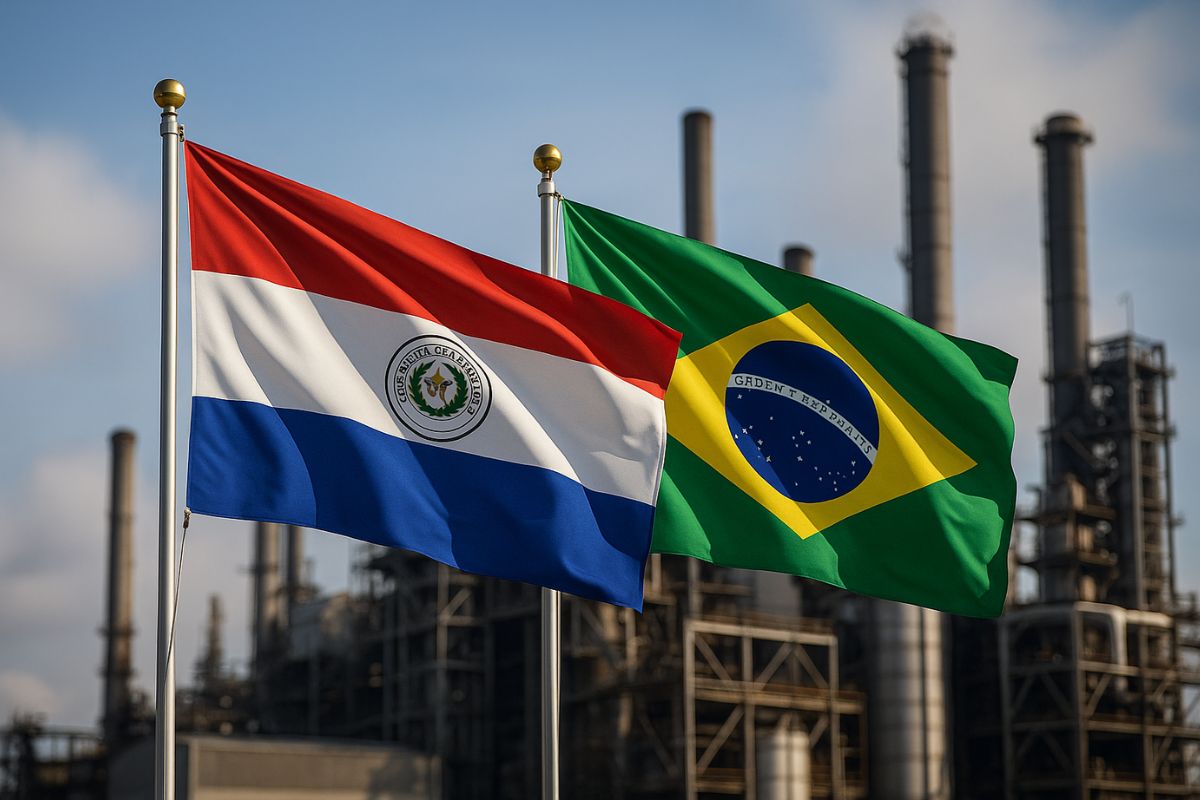
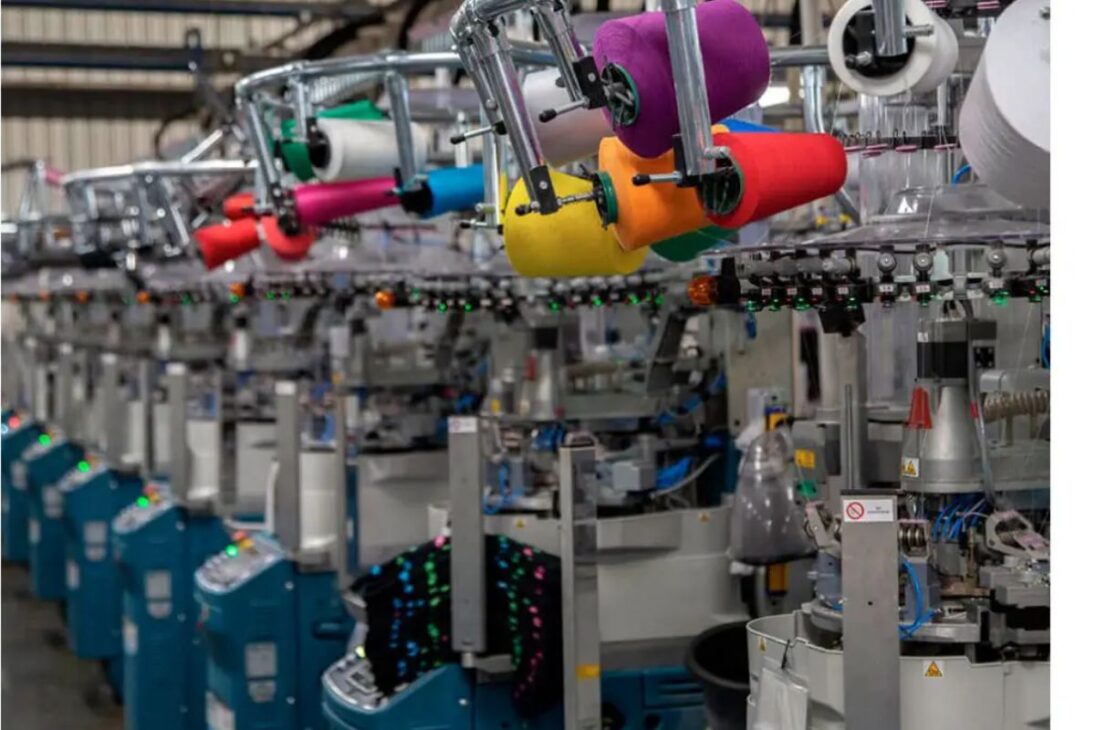
At the beginning of 2025, the traditional Brazilian textile manufacturer Lupo confirmed a bold strategic move: opening a new sock factory in Ciudad del Este, Paraguay. The decision puts the company in an ever-growing group of national companies that are transferring part of their production to the neighboring country, mainly attracted by a simplified and highly competitive tax system.
In Paraguay, the so-called “10-10-10 model” applies: the maximum Income Tax rate is 10% for both companies and individuals, the Value Added Tax (VAT) is also 10%, and in some situations, this rate drops to 5% or is even zero — as is the case with the VAT charged to tourists. In addition, income earned abroad is not taxed, which attracts international entrepreneurs and remote workers.
Another distinguishing feature is the Maquila Regime, focused on exports. It offers exemption or drastic reductions on taxes for any product produced, packaged, or assembled in Paraguayan territory. In Lupo’s case, the choice was motivated precisely by this policy. With an investment of R$ 30 million, the Ciudad del Este plant is expected to start full operation in 2026, generating 350 direct jobs and producing 20 million pairs of socks per year.
-
China alone accounts for 70% of trade within the BRICS, while Brazil establishes itself as an essential supplier of food and minerals: understand how the group, which already represents nearly 40% of the world’s GDP, is changing the game.
-
Starting in May, those who do not have registered biometrics will not be able to apply for Bolsa Família, sickness benefits, or unemployment insurance: understand the new rule that changes access to benefits for millions of Brazilians.

-
A new law being voted on in Brazil proposes a minimum fare of R$ 10 per trip and R$ 2.50 per kilometer for Uber and 99 drivers, and promises to ensure they earn as well as taxi drivers did during the golden age of taxis in the country.

-
Bauer Group collapses after failed judicial recovery: 25 years, 800 vehicles, and a network of gas stations leave a debt of R$ 50 million and 100 layoffs, exposing costs, tight margins, and expensive credit in Brazil.

The company emphasized in a market statement that the expansion will not only increase production capacity but also consolidate the brand’s leadership and improve its profit margins. “This strategic investment will strengthen our market presence, create new opportunities, and drive growth,” stated Lupo.
Lower Costs Offset Distance
For Brazilian companies, producing in Paraguay can be more advantageous than maintaining operations in the national territory, even with the additional transportation costs. Economist Cláudio Shimoyama, a PhD in Business Management and a consultant working in the neighboring country, explains that this tax policy has been defined as a state policy, not just a government one, ensuring stability and predictability for investors.
According to him, the low tax burden encourages a “virtuous cycle” in the economy: tax evasion decreases and growth becomes more sustainable. “In Brazil, the tax burden is around 30%. If there were an equivalent return in infrastructure, health, security, and education, the population would pay with less resistance. But since this does not happen, the complaints are legitimate. In Paraguay, the state’s revenue is lower, which forces more efficient management,” he notes.
Tax Comparison: Paraguay vs. Brazil
In Brazil, the tax reform sanctioned by the Lula government set the VAT at 28% — the highest rate in the world. In Paraguay, the ceiling is 10%, with a reduction to 5% on essential items such as housing rent, basic food products, fresh produce, and medications. The country also applies the Selective Consumption Tax (ISC) on non-essential goods, with rates ranging from 1% for firearms to 12% for cigarettes.
Data from the Paraguayan Ministry of Industry and Commerce, updated in June 2025, indicates that 65% of what is produced under the Maquila Regime is exported to Brazil. Other destinations include Argentina (15%), the USA (4%), Bolivia (3%), Chile (3%), the Netherlands (2%), and Uruguay (2%). The model reduces final production costs by up to 40%, thanks to a combination of lower taxes, cheap electricity, less stringent labor regulations, and geographical proximity.
According to Sebastián Bogado, commercial attaché at the Ministry, Brazilian companies are voluntarily migrating to Paraguay. “The entire textile chain, from yarn production to manufacturing, is expanding. The same is true for the plastics, metallurgy, and agribusiness sectors,” he stated.


Could The Paraguayan Model Work in Brazil?
According to Shimoyama, the Paraguayan tax model is technically viable for Brazil but would require profound reform, involving a reduction in the size of the public machine and structural changes in management. He highlights that Paraguay spends only 3% to 4% of its GDP on public services, according to the World Bank — a percentage well below the global average that would need to double to meet the Sustainable Development Goals.
Despite this, with taxes representing only 14% of GDP, Paraguay achieved 96/100 on the Heritage Foundation’s tax burden index, the highest score in Latin America. “It would be necessary to slim down the Brazilian state, cut spending, and make management more efficient. It’s a difficult path, but models like Paraguay’s show it’s possible to seek a balance between competitiveness and fiscal responsibility,” he concluded.









A que ponto chegamos 👏