





 Portuguese
  English
  Spanish
  5 min of reading
  0 comments


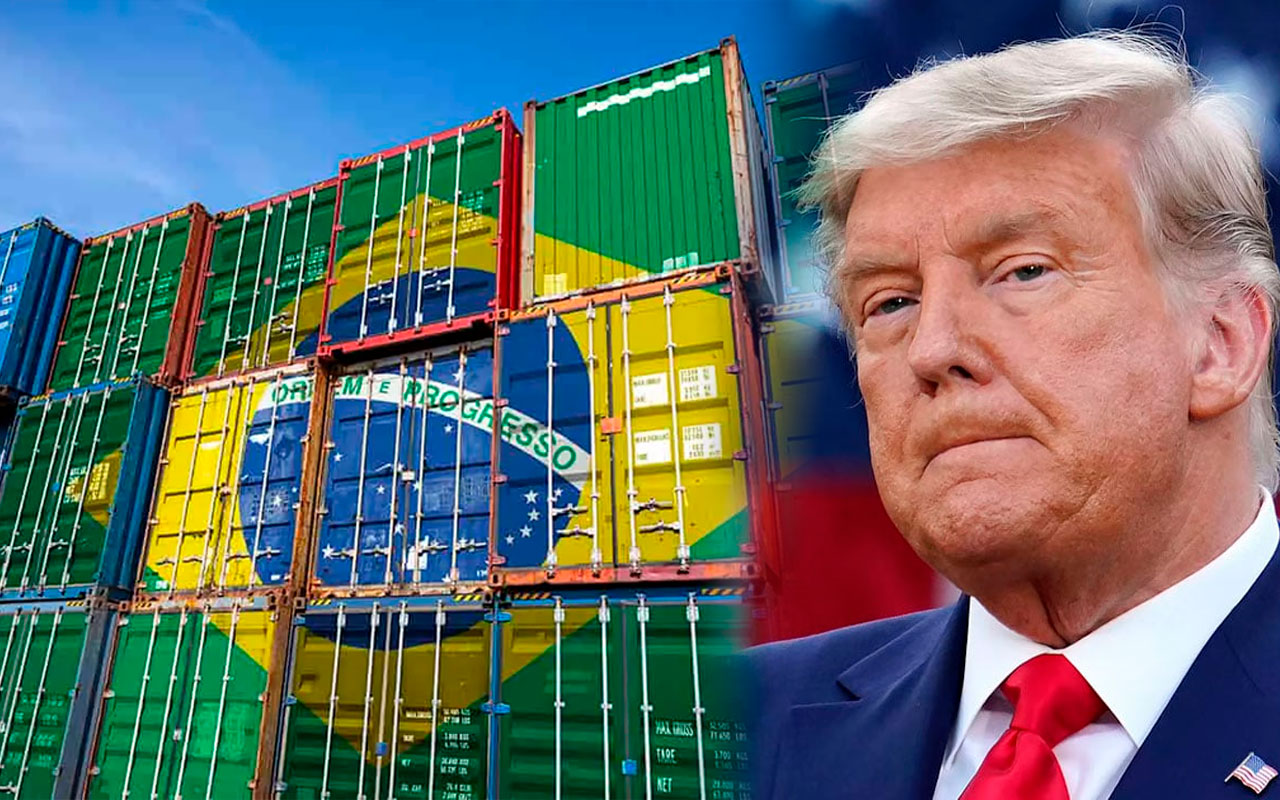
With the 50% Tariff on Imports from Brazil Already in Effect in the U.S., Exporters and Importers Can Use Legal Mechanisms Such as First Sale, Foreign-Trade Zones, and Drawback to Reduce the Tax Base and Preserve Margins While the Issue Remains in Dispute.
The U.S. government’s decision to impose an additional tariff that raised the rate to 50% on most purchases of Brazilian products has been putting pressure on prices and contracts. According to tax and international trade analyses published in recent days, the announcement was made at the end of July 2025 and took effect as of August 6, increasing the surcharge previously applied by 40 percentage points.
From a legal standpoint, the legality of the measure will still be judged by the U.S. Supreme Court in November 2025, but until then, the tariff remains in effect due to decisions that upheld its effects while the merits are not decided. This uncertain scenario accelerates the search for mitigation strategies in the supply chains between Brazil and the U.S.
The regulatory backdrop includes a series of executive orders from 2025 that address reciprocal tariffs and adjustments to trade, reinforcing that the surcharge may add up to other incidents. In practice, the “bill” at U.S. customs has become heavier, especially for consumer goods, textiles, metalworking, and auto parts.
-
Havan buys historic football land in Blumenau for a million-dollar amount protected by a confidentiality clause and is already planning to change even the layout of streets to build a megastore in half-timbered style costing 80 million reais.

-
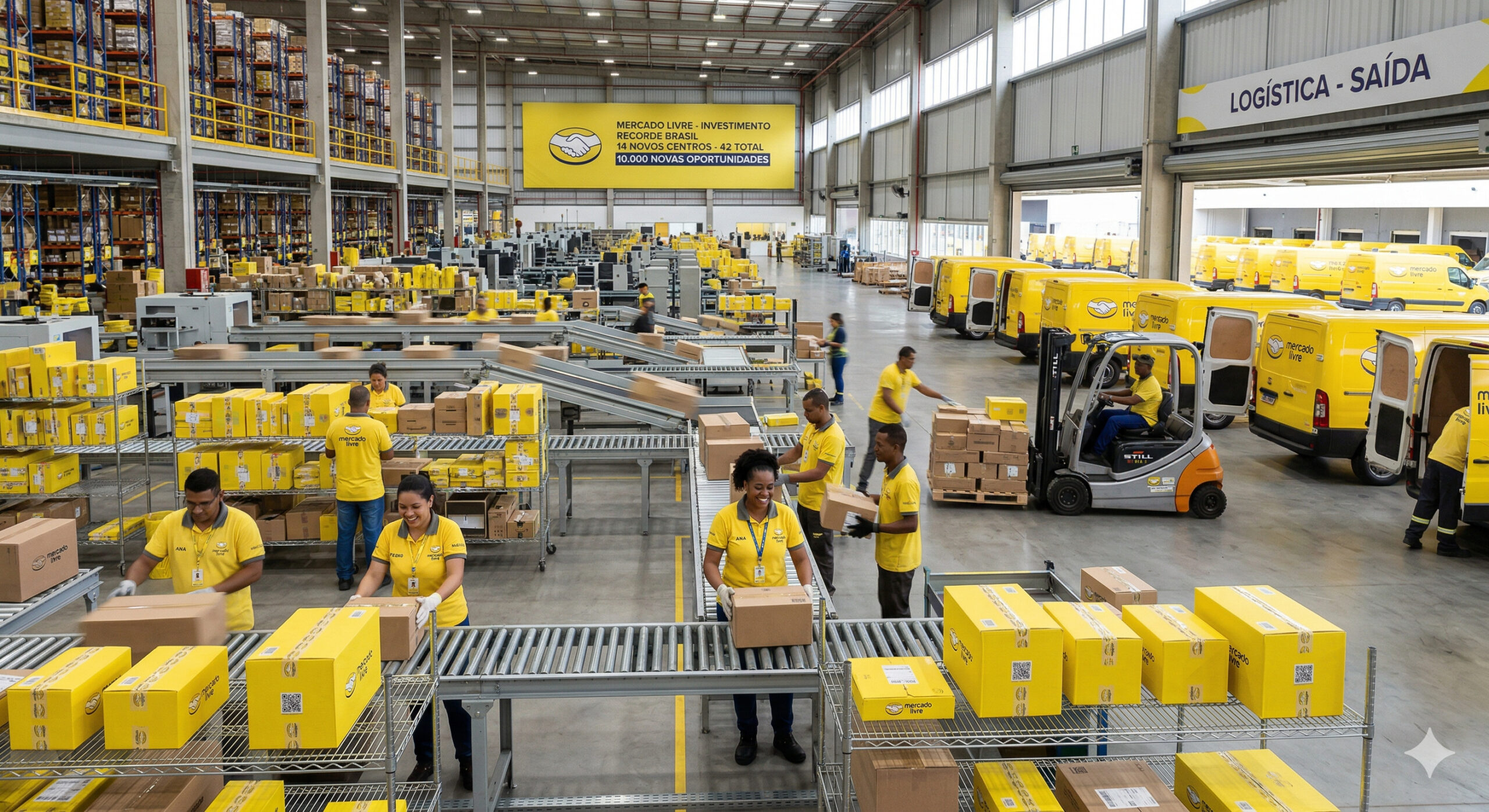
Mercado Livre “opens the vault” and announces a record investment of R$ 57 billion in Brazil in 2026, a value 50% higher than the previous year, with an expansion plan that includes 14 new logistics centers, totaling 42 units in the country and hiring an additional 10,000 employees.
-
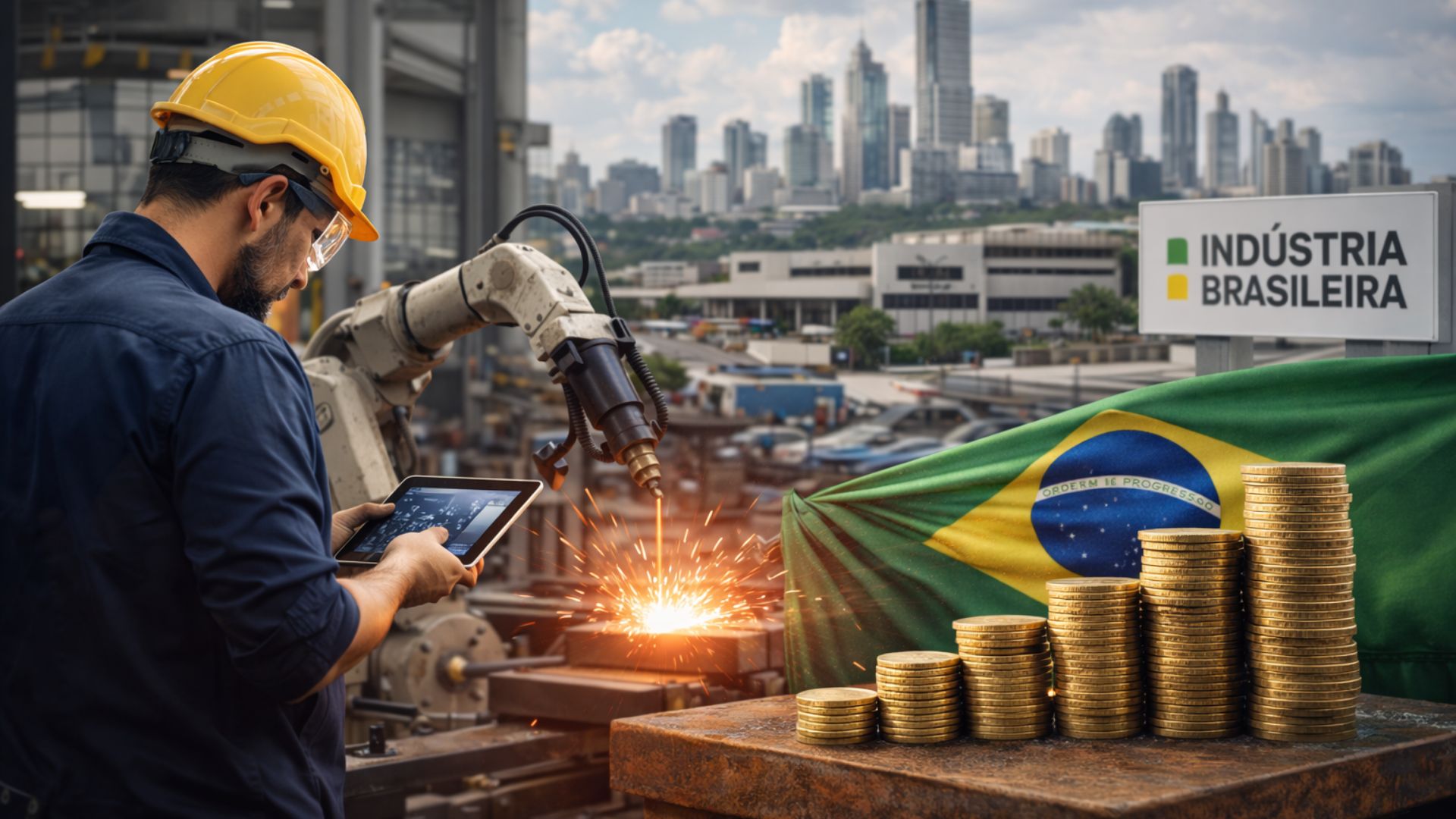
How investment in technology can revolutionize the national economy and enhance industrial gains, according to a study that highlights the direct impact on productivity, innovation, and wealth retention within Brazil.
-
The largest food company on the planet, JBS, has just opened a 4,000 square meter laboratory in Florianópolis to develop customized proteins that modulate muscle mass gain, immune response, and metabolic performance.


Companies Can Look for Loopholes in the Law to Reduce the Tax Base
In light of this, Brazilian companies and their partners in the U.S. can invoke legal mechanisms to reduce the tax base or postpone the incidence of the tariff, such as the first sale rule, Foreign-Trade Zones (FTZ), and duty drawback.
The strategy includes reassessing the customs classification and the customs value, separating services, royalties, and freight from the product price when allowed, without altering the goods and with the documentation required by CBP.
Consultancies report that the goal is to preserve margins and ensure continuity of supply without breaking contracts, always focusing on compliance to avoid retroactive charges and fines. In summary, the keyword is technical structuring and robust documentary evidence, which allows alleviating part of the tariff burden while the litigation persists.
“First Sale,” Reducing the Customs Base by Looking at the First Sale
The most discussed tool among consultancies is the first sale rule. In chain operations — manufacturer → trading → U.S. importer — U.S. legislation allows the importer to calculate customs duties based on the price of the first sale (from the manufacturer to the intermediary), which tends to be lower than the price of the last sale.
This reduces the taxable base of the 50% tariff, provided a robust package of documentary evidence (contracts, invoices, proof of shipment, and proof of transfer of ownership) is complied with.
Importantly, the customs authority (CBP) requires a specific declaration when the customs value is based on a previous sale, and the application is strict — not every structure meets the criteria. Companies and their logistics partners report more frequent audits when this thesis is heavily used.
Foreign-Trade Zones (FTZ), U.S. “Free Trade Zone” to Postpone or Avoid Tariffs
Another avenue is to operate through Foreign-Trade Zones (FTZ), areas under U.S. customs supervision, near ports and considered outside the customs territory for the immediate incidence of tariffs.
Merchandise can enter, be stored, transformed, and even reexported without “formal entry” into customs; if the product leaves the FTZ for the domestic market, the tariff is paid only at that moment — and in some cases, on the classification of the resulting item (which may reduce the tax). For operations that reexport a significant portion of the volume, the FTZ serves as a buffer for cost and cash flow.
In practice, sectors such as electronics, auto parts, and fashion have used FTZs for rework, kitting, and postponement of finishing while defining volumes and final destination — a legitimate path to postpone the incidence of 50% until the final business decision.
Drawback, Recover Up to 99% of Taxes When There Is Reexportation
Companies whose chain involves importing inputs and exporting (from the U.S. to third markets) can activate the duty drawback, a program that refunds up to 99% of tariffs, fees, and certain charges paid on imports when the goods (or derivatives) are exported or destroyed under customs control.
It is a powerful mechanism to mitigate the impact of the tariff on lines with high international turnover.
The drawback can be combined with first sale and FTZ, but requires fine traceability — correlation between imported inputs and exported product — and document governance to withstand audits.
Tax Reclassification and Customs Value, Separate What Is a Product from What Is a Service
In addition to the regimes, consultants recommend reviewing tariff classification (HTSUS) in light of existing exceptions and technical descriptions that may fit the item into a lower rate (without altering the product).
In parallel, it is worth reassessing the customs value: costs such as royalties, services, insurance, and international freight are often included in the exported price; by segregating these items into distinct invoices (when legally possible), the importer reduces the tax base subject to the 50% tariff.
This is 100% legal engineering, but it requires compliance and solid technical opinions to avoid rejections and fines. (Regulatory context: 19 U.S.C./19 C.F.R. and CBP guidelines on valuation).
On the Brazilian Side: RECOF, Drawback Suspension, and OEA to Cut Costs and Speed Up Clearance
In Brazil, manufacturers who import inputs and export a significant part of their production can qualify for the RECOF (industrial warehouse under computerized control), which suspends taxes on imports while the company transforms and exports, alleviating cash flow and unit costs.
The government announced in July 2025 adjustments and expansion of drawback usage and plans to expand RECOF to services starting in 2026, signaling a reinforcement of exports in a high external tariff environment. OEA certification also remains a shortcut for fewer inspections and quicker clearance.
For sectors such as automotive and electronics, the combination of RECOF + OEA + valuation management can generate tax savings in Brazil and resilience at the U.S. end, especially when combined with first sale and FTZ.
What Companies Are Doing Now and the Risks They Face
In conversations with law firms and international consultancies, the guidance has been to map routes by product, simulate valuation scenarios, and create evidence dossiers (contracts, technical lists, reverse engineering, classification reports).
Experience shows that the CBP closely monitors first sale and reclassification, requiring robust proof that the “first sale” value reflects a real transaction, in market conditions, and with proven transfer of ownership. Errors at this stage can lead to million-dollar fines and retroactive charges for discrepancies.
In parallel, the litigation in the Supreme Court creates a binary horizon; if the tariff falls, part of these strategies becomes optimization; if upheld, it turns into a survival condition to keep the final price competitive in the U.S.
Do you see these paths as necessary creativity or as a risky “workaround” that might generate penalties? Share your opinion in the comments.








-

-

-

-

-

-

20 pessoas reagiram a isso.