





 Português
  Inglês
  Espanhol
  2 min de leitura
  0 comentários


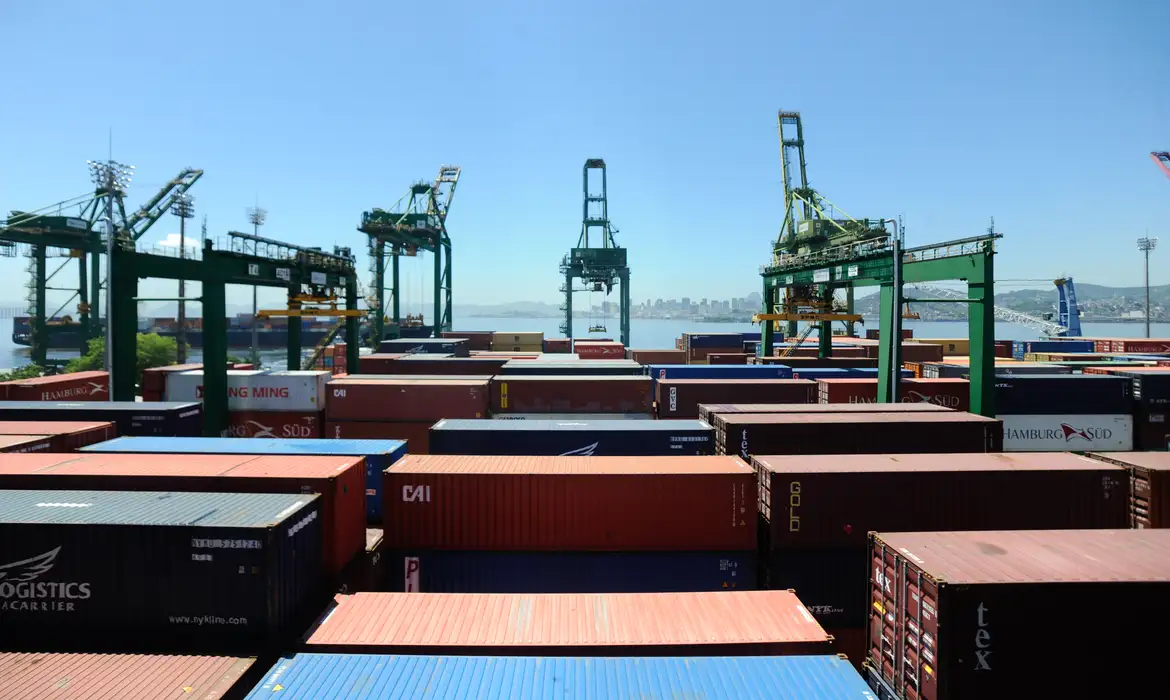
After Pressure From Maritime Sector, US Backtracks and Modifies Charges on Chinese Ships; Grain and Coal Exporters Will Benefit From Exemption
The United States government has decided to revise the port fees that would be applied to ships built in China. The change was announced after strong criticism from maritime sector companies. The initial proposal, presented in February, included fees of up to US$ 1.5 million per ship call.
New Rule Reduces Impact for Exporters
With the new measure, the fee will be charged only once per trip, with a maximum of six charges per year. Additionally, ships arriving empty to pick up bulk exports, such as grains and coal, will be exempt from the charge.
The change aims to protect companies operating in regions like the Great Lakes and the Caribbean. It also seeks to strengthen the US shipbuilding industry and reduce China’s influence in international maritime transport.
-
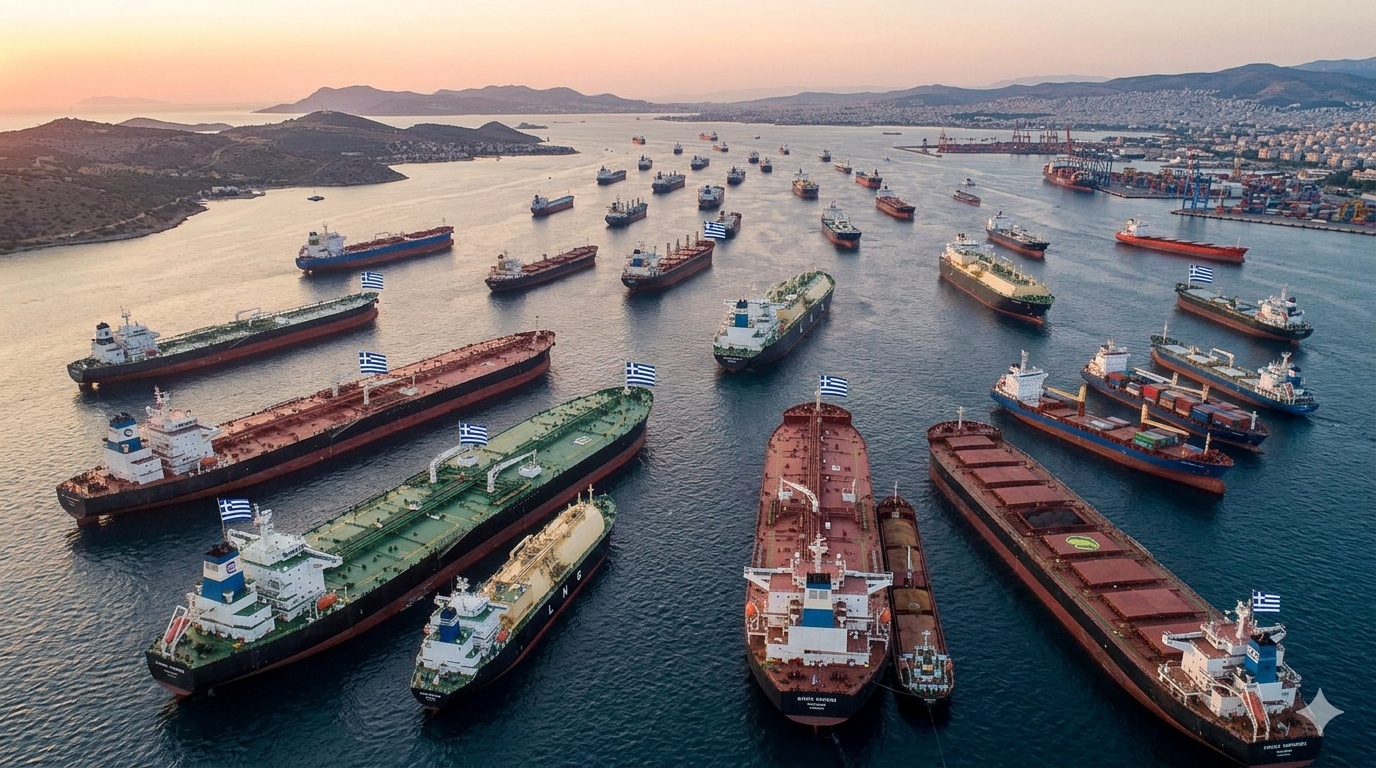
Neither the USA nor China: a small European nation has become one of the largest maritime powers on the planet, controlling one of the largest merchant fleets in the world with thousands of ships and dominating the global transportation of oil and strategic cargo.
-
Scotland and the United Kingdom have created a new anchoring system that floats in the water without touching the seabed, after discovering that the current from a conventional anchor destroys up to 50 m² of seagrass meadow per event and that ship-damaged reefs showed no signs of recovery even ten years later.

-
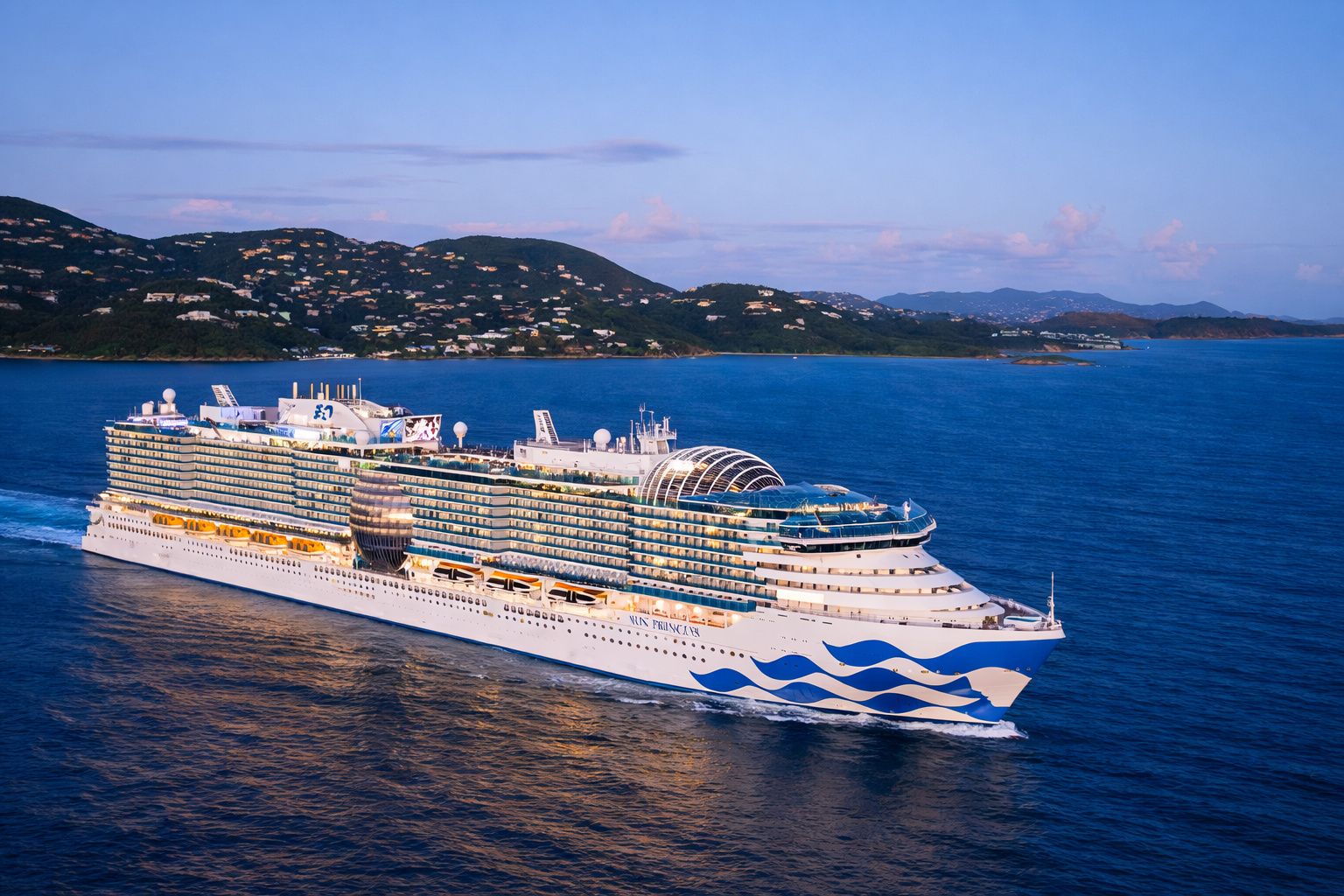
Weighing 175,500 Tons, Measuring 345 Meters Long, and With Capacity for Over 4,300 Passengers, the Sun Princess Becomes the Largest Ship Ever Built by Princess Cruises and Attracts Global Attention for Its Huge Glass Dome Inspired by Santorini’s Architecture Installed on Top of the Vessel
-
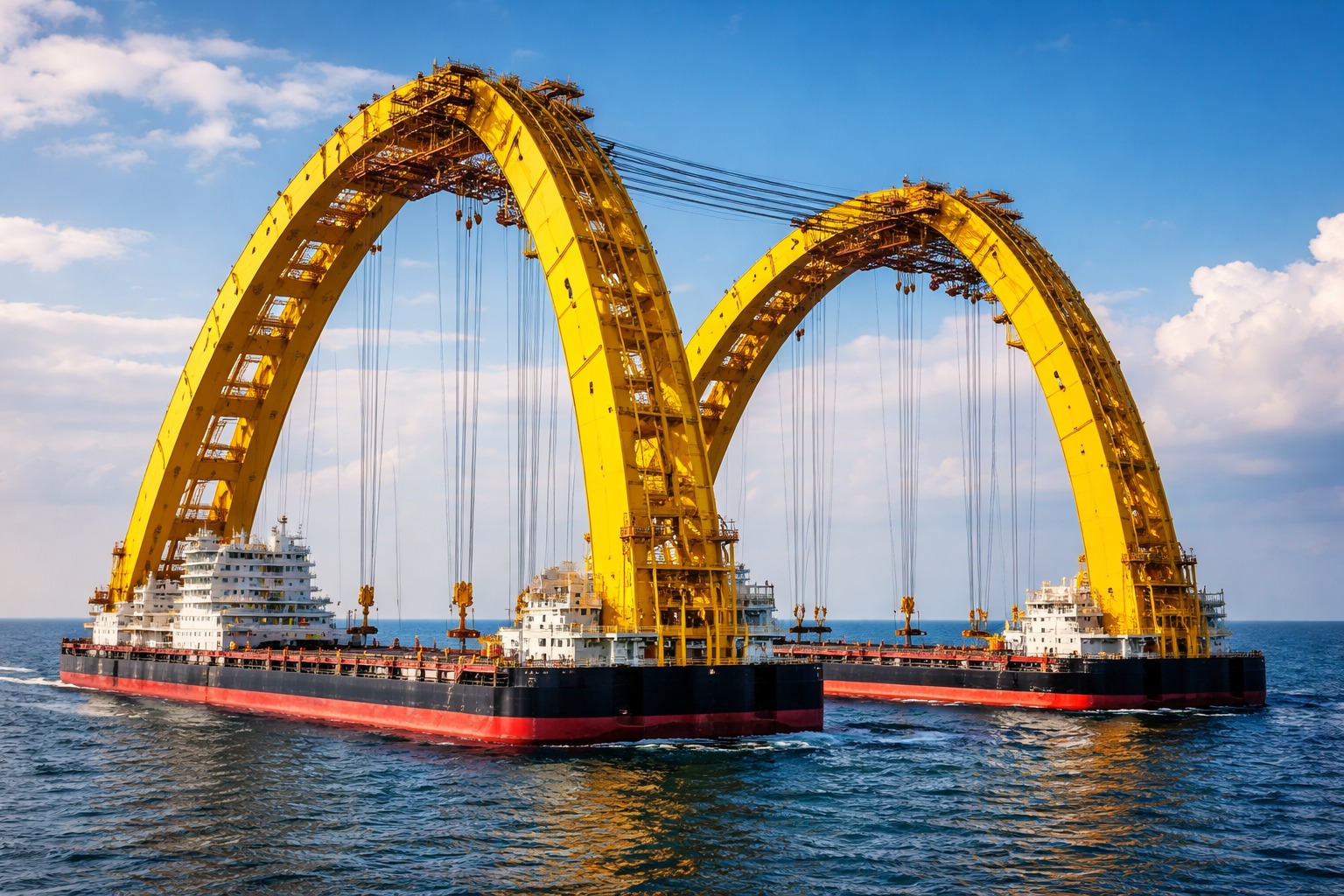
TX-10, The Colossus of The Sea: Largest Lifter Ship in The U.S., With Two Giant Barges, 73-Meter Tall Structure, and Strength to Raise 7,500 Tons of Sunken Oil Rigs
Maritime Sector Reaction Accelerated Review
The original proposal received harsh criticism from exporters and shipowners. They argued that the cumulative fee could harm the competitiveness of American products and increase costs for consumers.
Companies like MSC and Maersk warned about potential losses to their international routes. Pressure from the sector contributed to the government’s decision to review the measure.
New Rules Take Effect in Six Months
The implementation of the new fees will occur in six months. There will be a differentiation in values between bulk carriers and container ships.
Meanwhile, the US government continues to investigate China’s trading practices in the maritime sector. American authorities accuse the country of maintaining unfair policies.
An hearing is already scheduled for May. It will discuss possible tariffs of up to 100% on Chinese port equipment, such as cranes and chassis.
With information from Brasil em Folhas.








Seja o primeiro a reagir!