





 Portuguese
  English
  Spanish
  6 min of reading
  0 comments



With More Presence at Work, Generation Z Redefines What Performance Is and Forces Companies to Rethink Routines. In 2026, Retaining Talent Becomes a Priority, with Clear Paths for Evolution, Purpose, and Autonomy. Those Who Maintain Rigidity in Schedules and Ignore Active Listening Lose Professionals With Multiple Offers on the Table.
In 2026, Generation Z stops being a trend and becomes a daily pressure force within companies. With greater presence in the job market, professionals born from the late 1990s are redefining what it means to work well and forcing leaders to rethink processes, strategies, and routines.
The central message is straightforward: retention becomes the buzzword. Young people want clarity about growth, purpose, and autonomy, and they expect leaders to provide pathways, active listening, and hybrid models. When these elements are absent, the departure of talent can be swift, especially in a scenario where the best professionals have multiple offers.
2026 as the Year of Retention and the End of Rigid Management
Generation Z is not asking for cosmetic adjustments. What comes into conflict is the very logic of rigid management, with routines that do not align with the new reality of work.
-
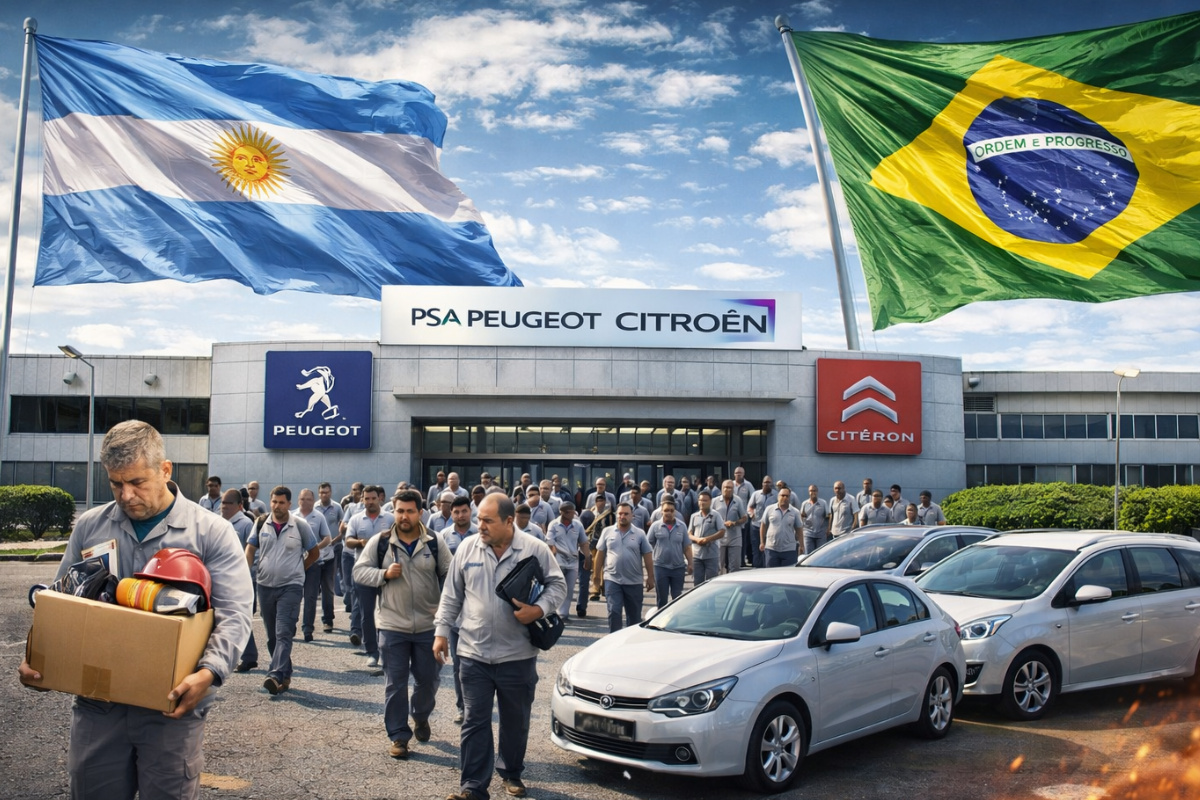
Peugeot and Citroën factory in Argentina cuts production by half and opens a layoff program for more than 2,000 employees after Brazil drastically reduced purchases of Argentine vehicles.

-
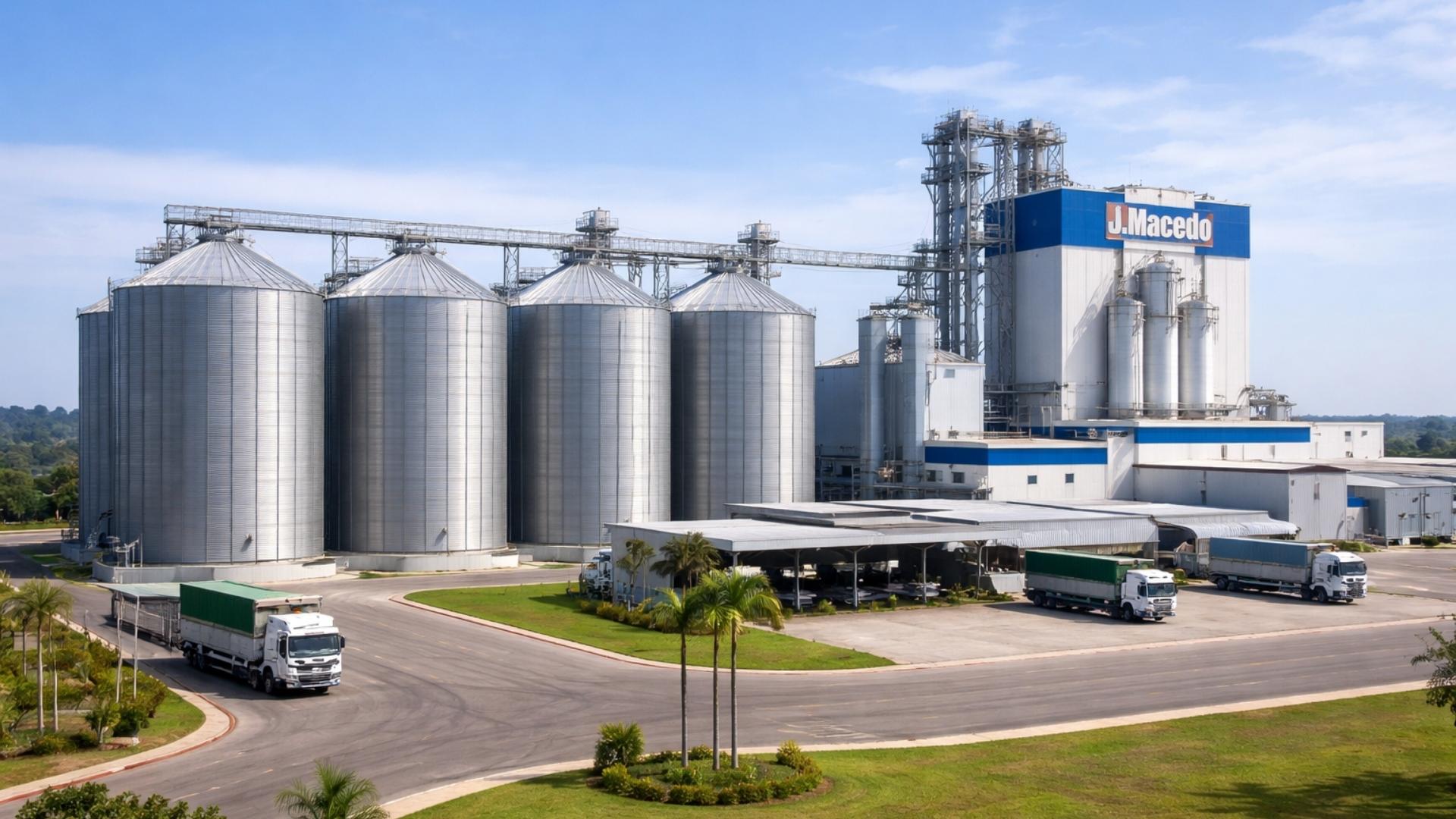
A Brazilian city gains a factory worth R$ 300 million with the capacity to process 200 thousand tons of wheat per year, a mill of 660 tons/day, silos for 42 thousand tons, and an industrial area of 276 thousand m².
-
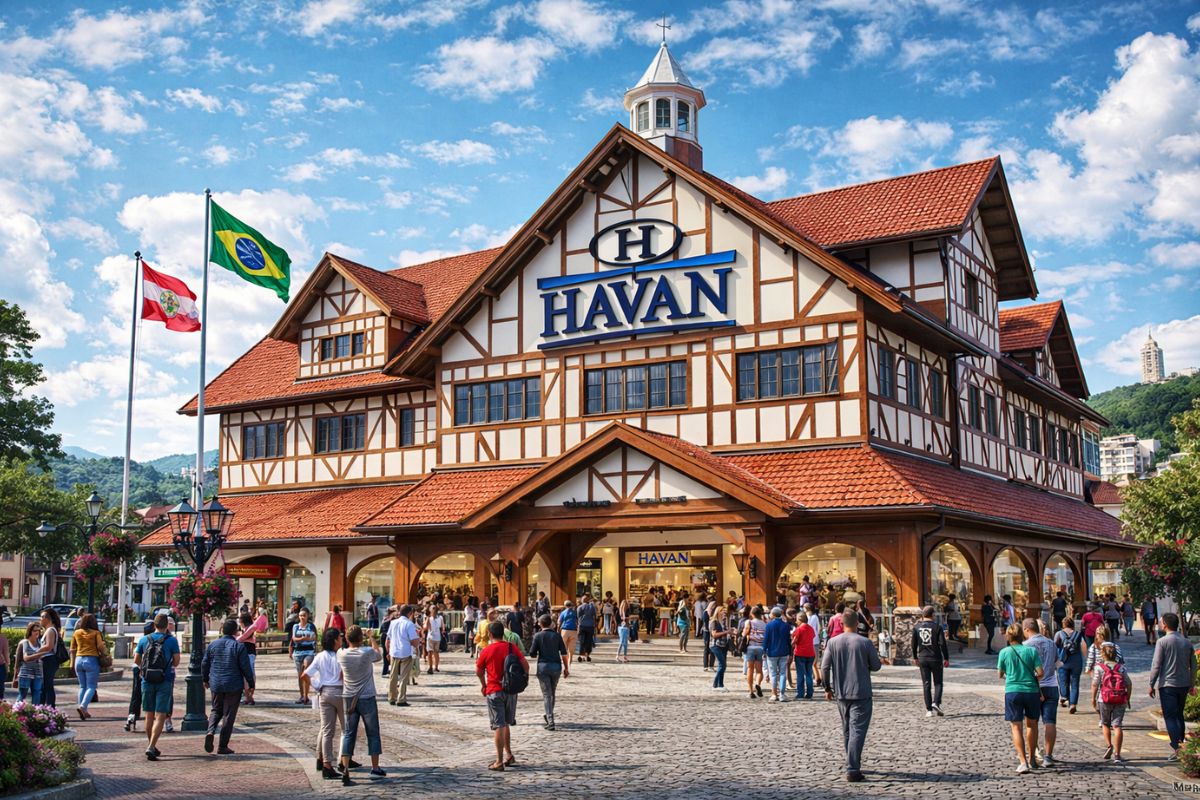
Havan will leave the shopping mall in Blumenau to inaugurate something that the chain has never done before: a megastore in half-timbered style in the Historic Center of the city, which is expected to be completed in May and change the landscape of local retail.
-
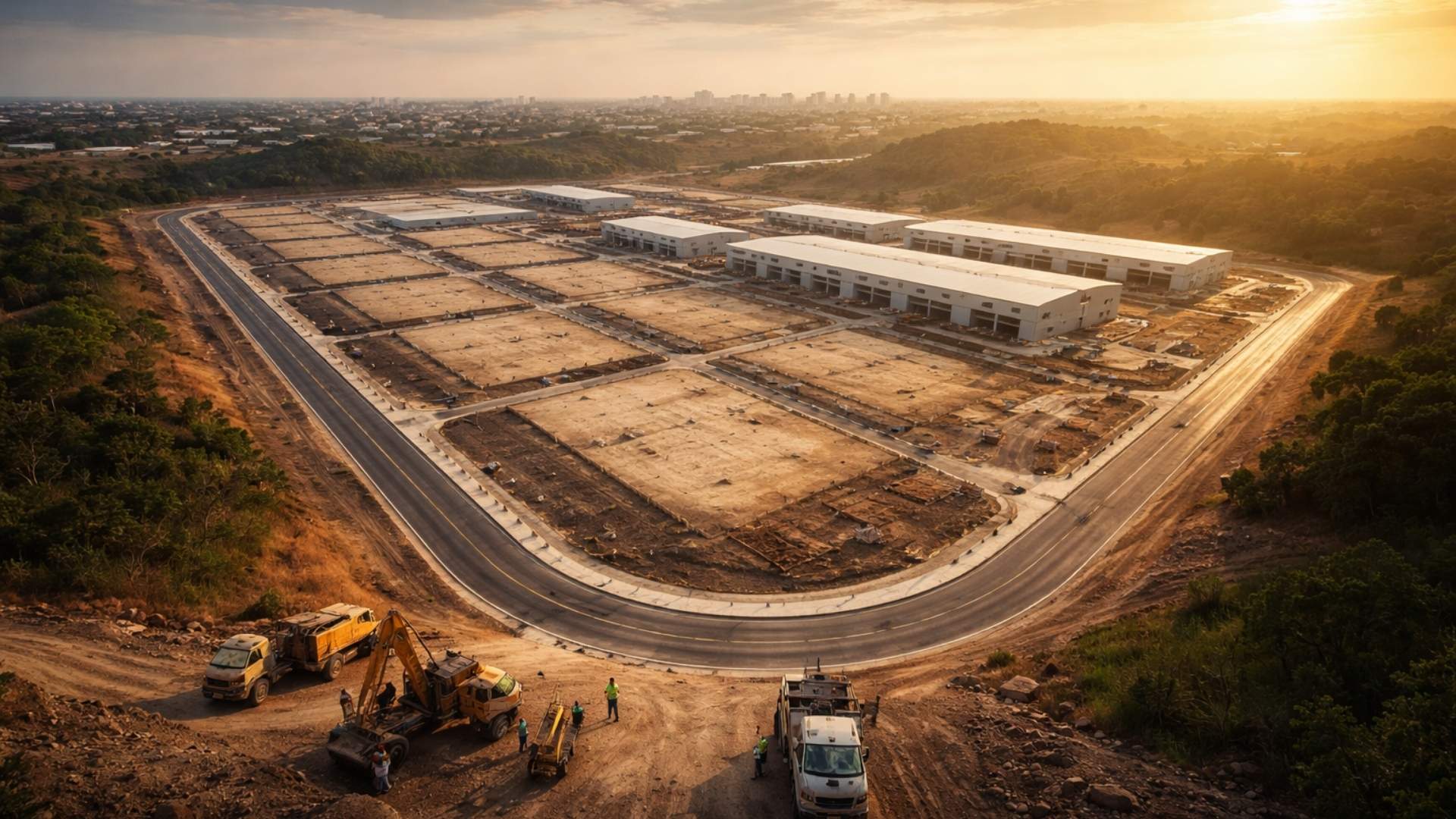
Brazilian city gains industrial hub for 85 companies that is equivalent to 55 football fields.

In 2026, the priority for leaders is to retain talent, not just to hire.
Eleesha Martin, director of the American HR company G&A Partners, identifies retention as the main focus for leaders throughout 2026.
After a period marked by uncertainties, the assessment is that the year is likely to be one of organizational resilience, with companies striving to maintain performance without losing key people along the way.
In this context, retention ceases to be an isolated HR agenda and becomes an executive priority. It’s not just about keeping people on the payroll, but about avoiding the loss of knowledge, rhythm, and continuity, especially in teams that already operate under pressure for results.
What Changes When Generation Z Gains Influence
Generation Z is gaining strength in numbers and influence, and this shifts the weight of expectations within teams.
Instead of accepting fixed models just because they have always worked that way, young professionals tend to demand coherence between discourse and practice, as well as conditions that make sense for what they value.
This change is evident in how Generation Z responds to rigid structures.
When the design of work does not offer autonomy, when schedules are treated as proof of commitment, and when there is no real space for listening, the bond weakens.
The result is a cycle that accelerates: companies insist on rigidity, Generation Z perceives a lack of direction, and faced with alternatives, decides to leave. Retention becomes a daily leadership test, not an annual project.
Clear Paths for Evolution as a Central Piece of Retention
Eleesha Martin points out that a retention strategy that prioritizes employee development will be essential for standing out.
In practice, this means making visible something that many companies leave implied: the growth path.
Generation Z wants to understand where they can go and how to get there. It’s not enough to promise future opportunities. It is necessary to organize paths, stages, criteria, and expectations, clearly showing what is valued and what needs to be developed.
When the employee sees evolution as a real process, the desire to stay tends to make more sense.
This point connects directly to the business. The described strategy involves showing the professional how their contribution impacts larger goals.
Clarity about growth is not just a title, it is the relationship between today’s effort and the results the company seeks tomorrow, with a defined route for the employee.
Purpose and Autonomy: What Weighs More Than Salary and Prestige
Lucinda Pullinger, executive at IWG, emphasizes that more than high salaries or prestigious positions, Generation Z wants to work with purpose. This preference changes the retention conversation because it cannot be resolved simply by adjusting compensation.
Purpose here is not a slogan. It is the feeling that work connects to something larger and that the company upholds values that are compatible with those of the professional.
Pullinger warns that to keep pace with the growing force of Generation Z, companies will need to evaluate their offers and align their values with those of young professionals.
This alignment appears concretely in daily life: autonomy to execute, space for participation, and an environment where professionals do not feel like they are merely completing tasks.
Generation Z tends to reject autopilot, especially when they do not understand why it matters.
Hybrid Models and the Clash with Rigid Scheduling
Another decisive point mentioned is rigidity. Generation Z pushes for formats that engage well-being and personal development, which includes breaking away from rigid hours and opening up to hybrid models.
In this scenario, the hybrid model ceases to be a benefit and becomes a competitive element for attraction and retention.
When the company shuts the door to more flexible formats, the message perceived can be one of control, not trust. For Generation Z, trust and autonomy often go hand in hand.
This is why 2026 appears as a milestone: Generation Z is not just entering the market; they are shaping what is considered acceptable practice.
Those who do not keep up tend to lose talent faster, especially those who have options.
High Performance with Generation Z Requires Active Listening and Adaptation
The pressure for results continues, but the path to high performance changes. The described scenario demands more than management focused solely on targets.
To execute excellently and maintain performance in environments with young professionals, leaders need to develop communication skills, active listening, and continuous adaptation.
Active listening, in this context, does not mean agreeing with everything. It means the ability to listen in a structured way, understand what is behind demands, and respond with concrete actions.
For Generation Z, being heard and seeing a practical response is often more important than receiving a prepared speech.
Continuous adaptation also gains importance because the team’s behavior changes quickly when conditions change.
Leaders who insist on a single model, without reviewing what works and what does not, become more vulnerable to losing people in succession.
Competitive Advantage: Those Who React First Retain Better
Pullinger summarizes the point succinctly by stating that companies that know how to react to the priorities of the new generation will have a competitive advantage. This advantage appears in two places simultaneously: in retention and in attraction.
When the best professionals have multiple offers, the decision to stay rarely depends on a single factor. Generation Z tends to collect signals: there is a clear path, there is real purpose, there is autonomy, there is a hybrid model, there is active listening.
When these signals align, the company becomes more competitive. When they fail, job turnover accelerates.
From then on, 2026 gains the label of the year of retention because the central competition shifts. It is not enough to open vacancies and fill them; it is necessary to sustain an environment where the individuals who deliver results want to stay.
The Final Message Generation Z Is Leaving for Companies
Generation Z is changing the game by raising the bar for what they consider a good place to work. Rigid management, strict schedules, and a lack of clear pathways are becoming costly because they trigger departures.
On the flip side, purpose, autonomy, active listening, and hybrid models emerge as pillars that retain talent longer.
In 2026, retention solidifies as a priority not due to fashion but out of necessity. Companies that do not create clear development pathways, do not explain the impact of work on the business, and do not adapt their models to what Generation Z values risk seeing talent leave quickly, taking part of their execution capacity with them.
In your company, what drives Generation Z away the most today: lack of a clear growth path, lack of purpose, little autonomy, or rigidity that prevents hybrid models?









-

-

-

-

9 pessoas reagiram a isso.