





 Portuguese
  English
  Spanish
  5 min of reading
  0 comments


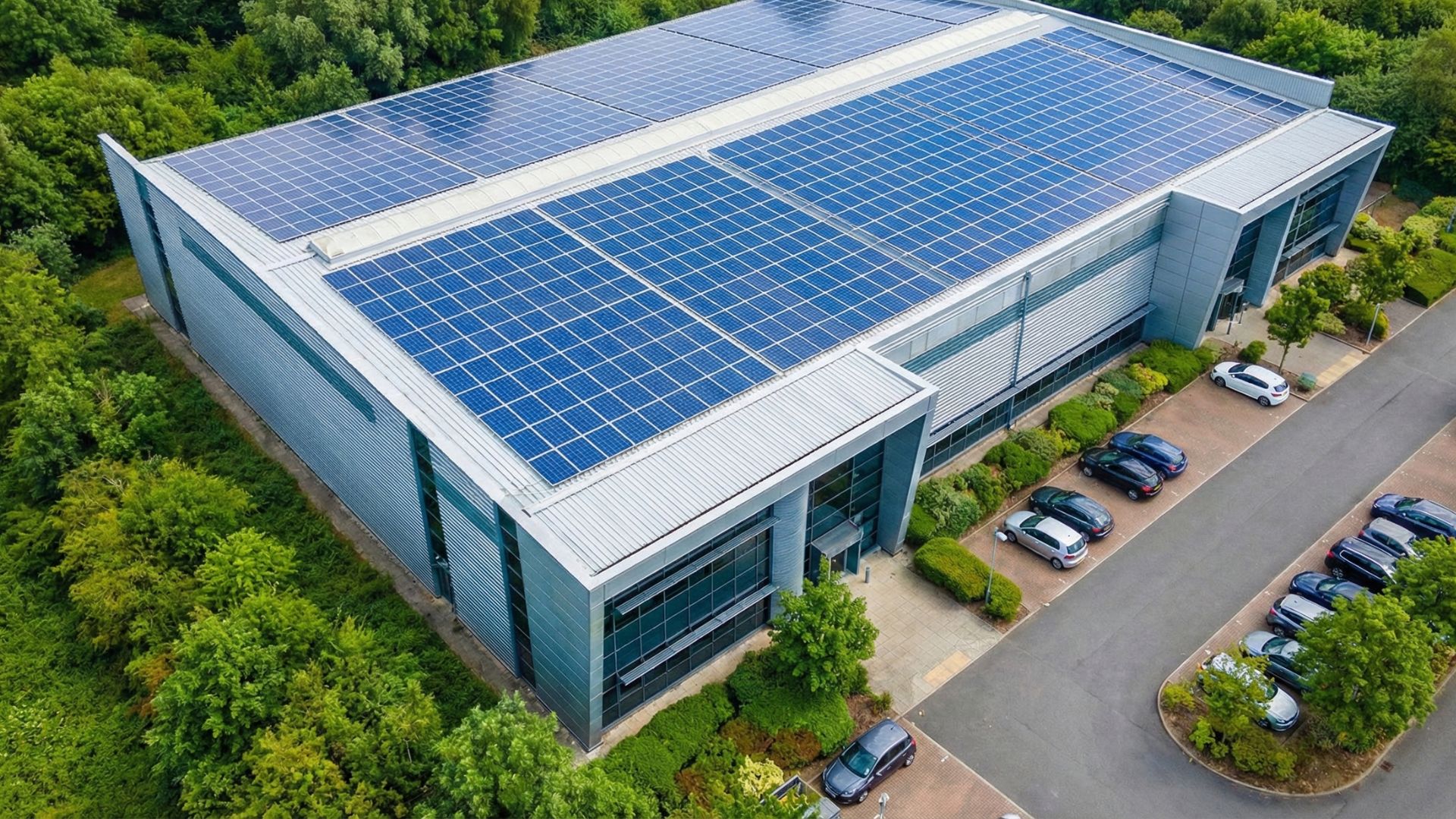
Brazil Hits Over 60 GW Installed And The Corporate Sector Surges In Solar Energy Adoption. Companies Accelerate Investment In Clean Solutions To Reduce Costs And Strengthen Sustainability In The Energy Transition By 2025
On November 25, 2025, the significant growth of solar energy adoption in Brazil was announced. According to an article published by the Xataka portal, the installed capacity of solar energy surpassed 60 GW, strengthening its position as one of the main energy sources in the country. At the same time, searches for “solar energy for companies” grew 1,275% in a year, highlighting an accelerated movement of corporate expansion in this area.
Expansion Of Solar Energy In Brazil: Installed Capacity And Structural Advancements
This scenario represents an important structural transformation for the national market. As renewable energy becomes more accessible, competitive, and integrated into business models, the country is moving towards consolidating an energy transition focused on climate goals and new business demands.
The milestone of over 60 GW installed places solar energy as one of the most relevant sources in the national electricity matrix. Furthermore, the country continues to add capacity through distributed generation, solar plants, and systems installed in homes, businesses, and industries.
-
The Sol do Agreste Photovoltaic Complex begins operations in Pernambuco and accelerates the expansion of solar energy in Brazil, directly impacting the reduction of emissions and strengthening the sustainable energy matrix.
-
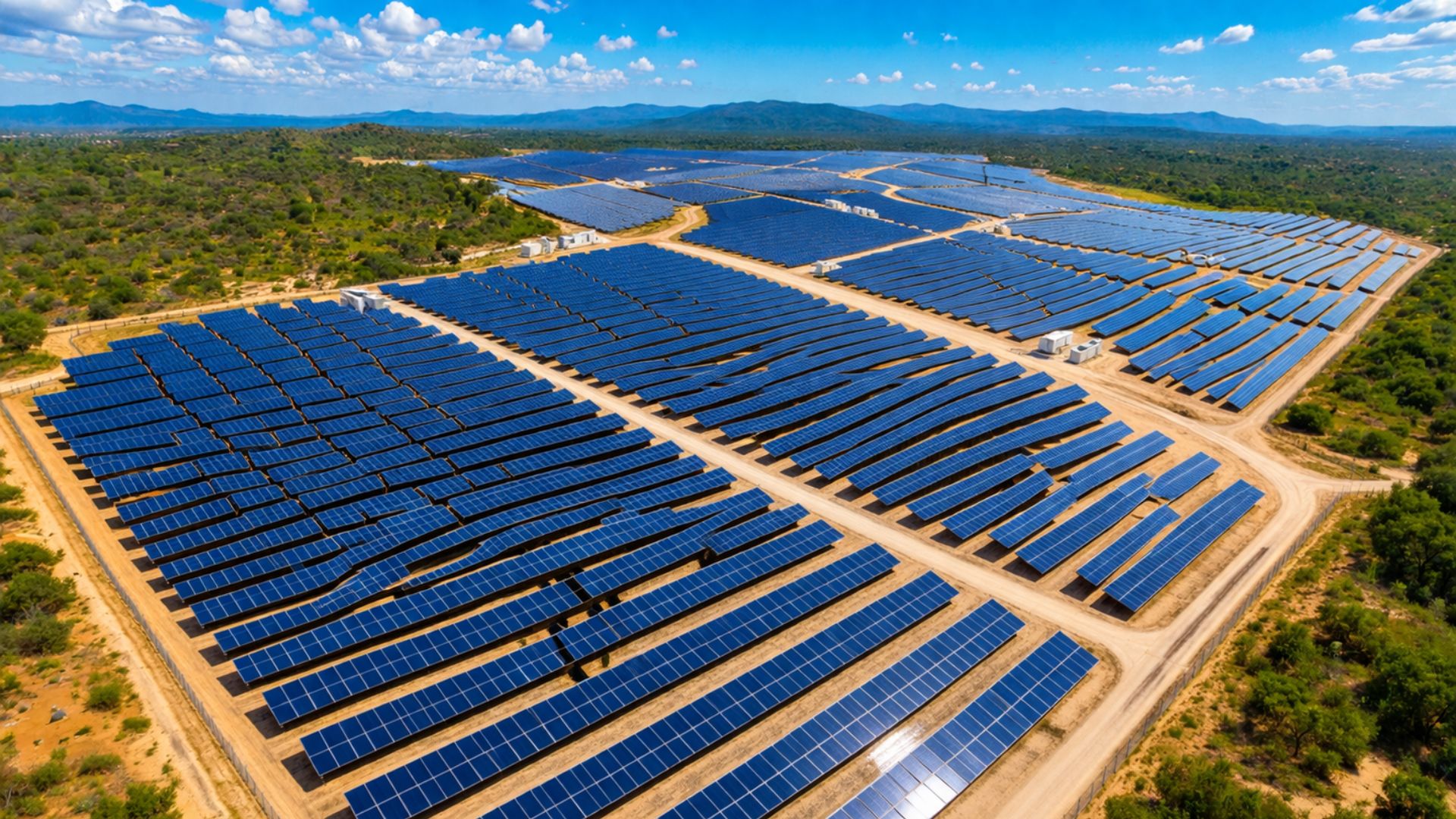
Roraima bets on the sun to escape high tariffs: Amid the energy crisis and price hikes, solar energy is growing in Roraima and transforming consumption in the North region.
-
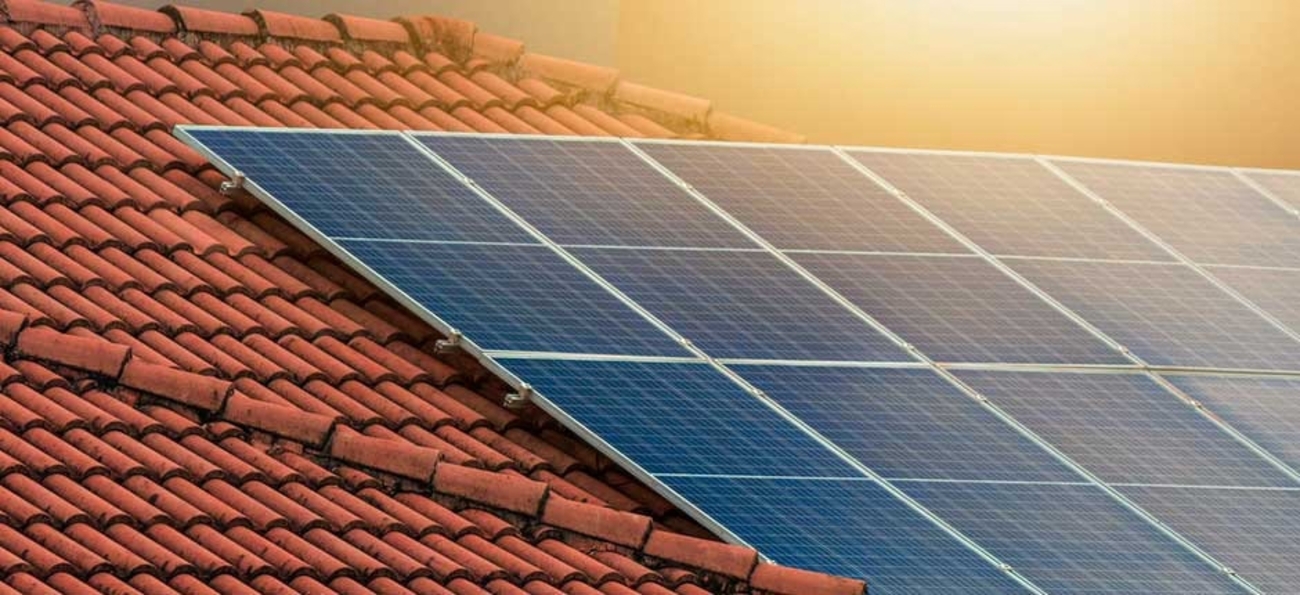
Copel boosts solar energy in Paraná and brings innovation to public schools, promoting savings on electricity bills, energy efficiency, and a direct impact on the quality of education.
-
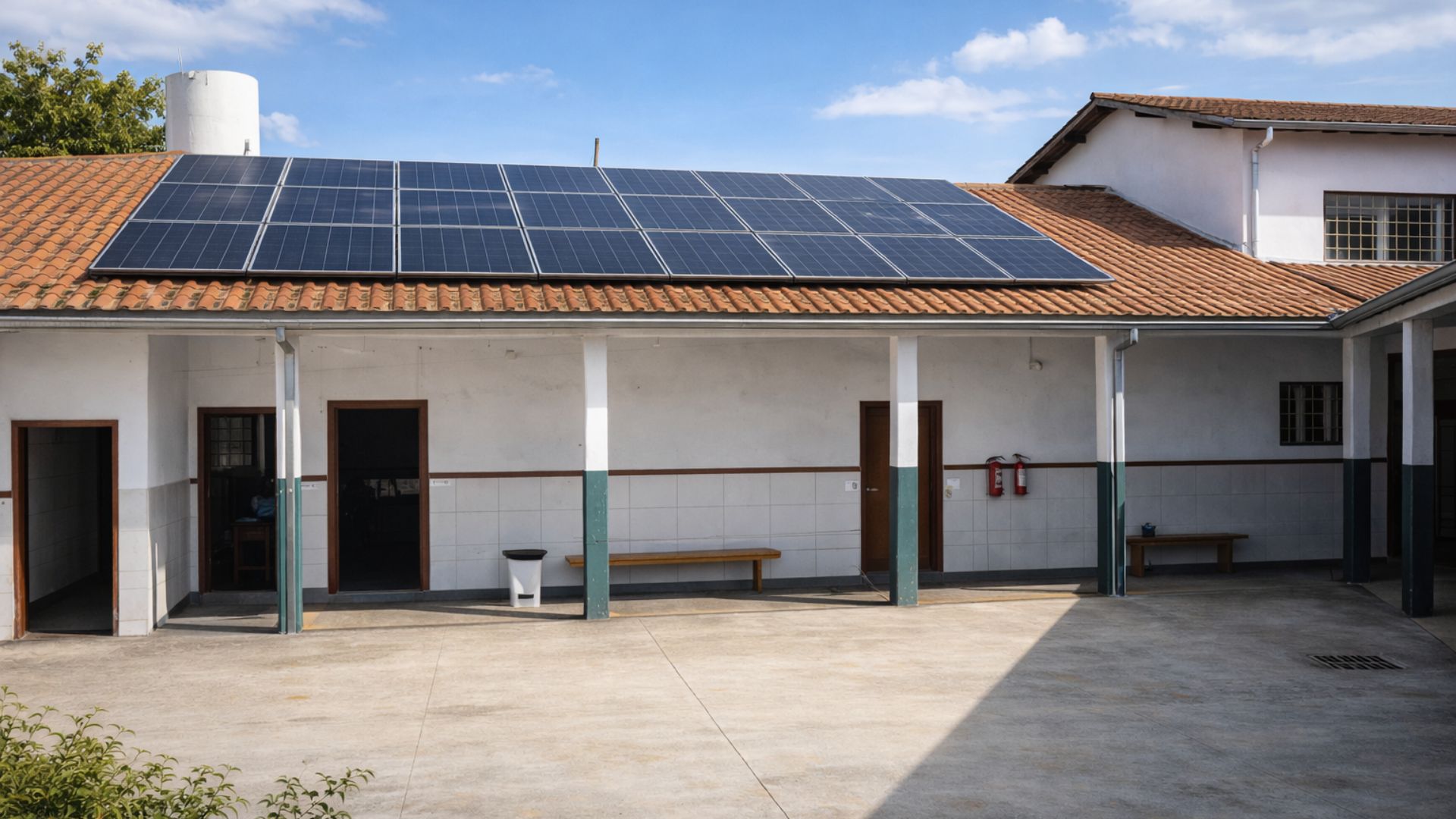
Brazil reaches historic milestone in solar energy: Sector surpasses 2 million accumulated green jobs and generates billions in the national economy even under market pressure.
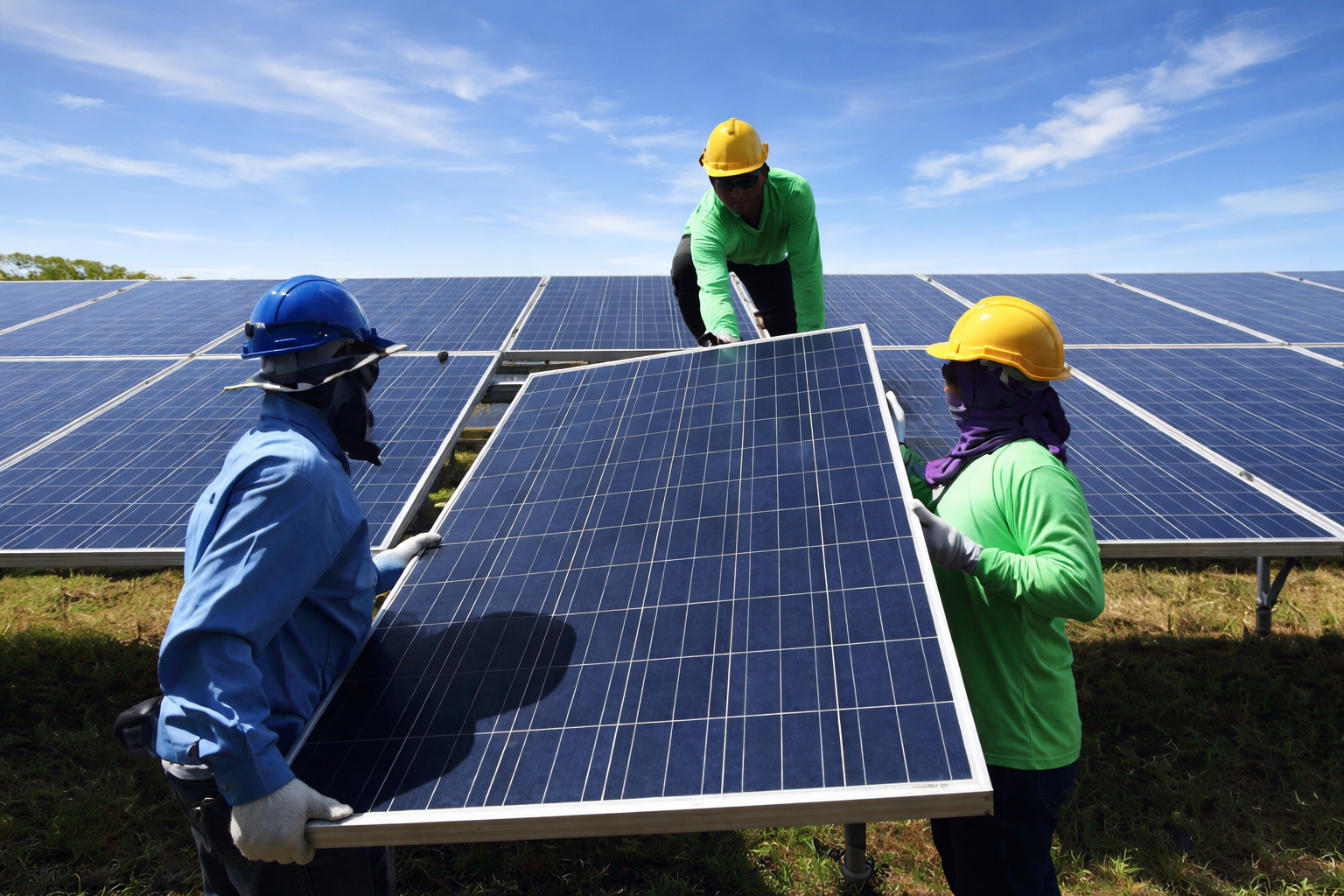

Data from a survey by Aldo Solar also shows a diverse geographic expansion. Rondônia already totals over 50,000 installations; Tocantins surpasses 469 MW of installed capacity; and Mato Grosso do Sul, driven by agribusiness, has already exceeded 1.4 GW of capacity with distributed systems alone. Other states like Acre, Sergipe, and Rio Grande do Norte also grew above the national average in the last year.
This regional breadth highlights a process of democratization of photovoltaic generation, previously concentrated mainly in the Southeast and Northeast. Today, the penetration of technology reaches states historically off the solar radar, enhancing energy security and strengthening local grids.
Companies Drive Investment In Solar Energy And Generate Savings
The growth in searches for solar energy in the corporate sector can be directly explained by the economic scenario and the profile of medium and large consumers. For companies, opting for self-generation represents a predictable return on investment, protection against high tariffs, and an alternative to optimize operational expenses.
Many systems have payback periods of five to six years, ensuring consistent financial returns even when considering the initial cost of equipment. The adoption of both on-grid and off-grid models also allows flexibility to meet different business profiles, from small establishments to large industrial parks.
Another relevant factor is the reduction of dependence on the electrical grid, especially in remote areas or with limited infrastructure. By combining solar energy with battery storage systems, various companies enhance energy security and reduce exposure to interruptions or tariff fluctuations.
Solar Energy And Corporate Sustainability As A Competitive Differential
In addition to direct benefits in operational costs, solar energy has gained prominence among companies that have incorporated socio-environmental criteria into their strategic projects. With ESG (Environmental, Social, and Governance) certifications becoming increasingly valued, sustainable choices—such as migrating to renewable energy—have become a corporate image asset.
This movement is not merely symbolic. Consumers, investors, suppliers, and major brands have begun to demand, formally or informally, consistent environmental stances. Thus, adopting solar energy presents itself as a practice that unites cost reduction with socio-environmental responsibility: the adoption of solar energy has become a real indicator of commitment to corporate sustainability and innovation in the Brazilian market.
Therefore, companies that undertake the energy transition can not only save money but also enhance their reputation and stand out against competitors.
Investment Numbers In The Business Sector: Billions In Motion
Recent reports indicate that companies and industries in Brazil have already invested over R$ 63.9 billion in self-generation through distributed solar energy. This amount financed the installation of over 392,000 photovoltaic systems on industrial rooftops, businesses, agricultural properties, and logistics enterprises.
Between January and May 2025 alone, approximately 1 GW of capacity was added by companies. This growth generated over 57,000 new corporate consumer units, reinforcing the trend towards energy decentralization.
The data shows that adoption has ceased to be sporadic: investors and companies view photovoltaic energy as a solid, mature, and economically efficient solution. This represents a structural change in the corporate electricity consumption matrix in the country.
Challenges Of Renewable Energy Expansion And Infrastructure Need
Despite the positive scenario, technological and economic expansion brings challenges. Some states still face infrastructure difficulties, a need for more connections, and demand for updated electrical networks to support the influx of new consumers.
Models such as the free energy market are also gaining national relevance. As it expands, companies have greater autonomy to choose their sources, which is likely to accelerate the adoption of solar energy in the coming years.
Another determining factor is the innovation in battery storage. With costs decreasing globally, this element becomes an essential component of the energy transition, enabling independence, security, and stability for corporate consumers.


Solar Energy As A Driver Of Regional Development And Business Competitiveness
The advancement of solar energy is not limited to changing the electricity matrix. By expanding its production chain, the sector stimulates new jobs, boosts the regional economy, and incorporates technological innovation into the national landscape. This generates direct effects on the productivity of companies across various segments, from agribusiness to industry and commerce.
Furthermore, solar energy can act as a vector for development in less favored regions, especially when associated with public policies, clean tech startups, and infrastructure initiatives.
From a corporate standpoint, the advantages are clear:
- improves predictability of energy costs;
- strengthens sustainability strategies;
- reduces operational risks;
- helps comply with legislation and climate goals;
- adds value to the brand and final product.
Impact On The Future Economic And Energy Scenario Of The Country
The milestone of 60 GW and the 1,275% increase in corporate searches indicate that solar energy has reached a turning point in Brazil. From a trend, it has become a strategic asset for companies and a decisive pillar of competitiveness and innovation.
The movement clearly shows that the energy transition is already underway and is expected to advance in the coming years. Companies and industries that anticipate this process gain a competitive advantage, reducing costs while actively participating in the country’s economic and environmental transformation.







Seja o primeiro a reagir!