





 Portuguese
  English
  Spanish
  5 min of reading
  0 comments


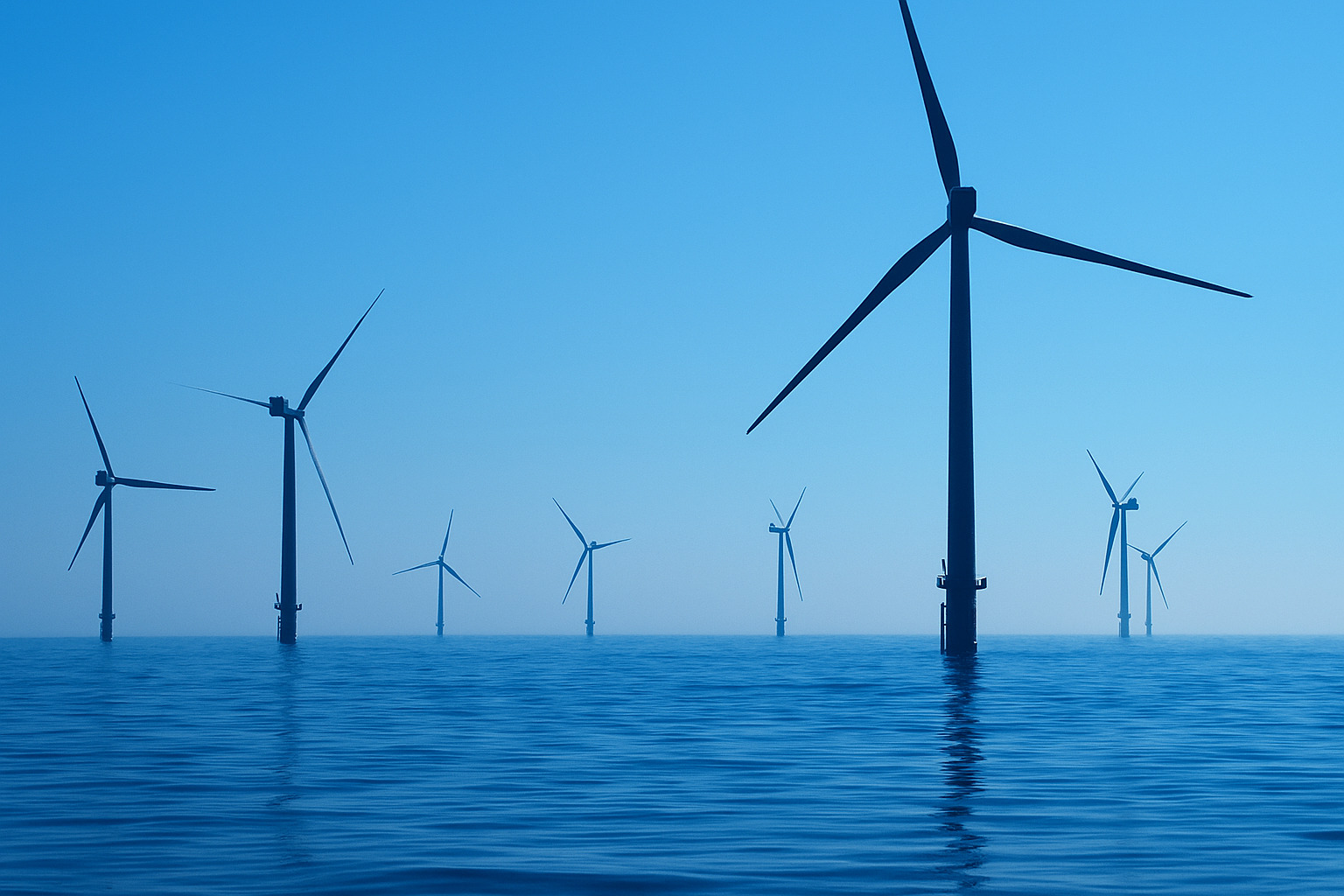
Sector Calls for Government Definitions on the Offshore Wind Auction to Ensure Investments, Activate the Production Chain, and Boost the Energy Transition in Brazil.
The search for clean energy sources has never been more present in global discussions than in recent years.
Therefore, in the face of growing international pressure for decarbonization targets and the need to diversify its electricity matrix, Brazil finds a promising opportunity: the development of offshore wind, also known as high-seas wind.
Moreover, the private sector, made up of energy companies, investors, and technology suppliers, is closely watching the next steps of the Brazilian government regarding the offshore wind auction.
-
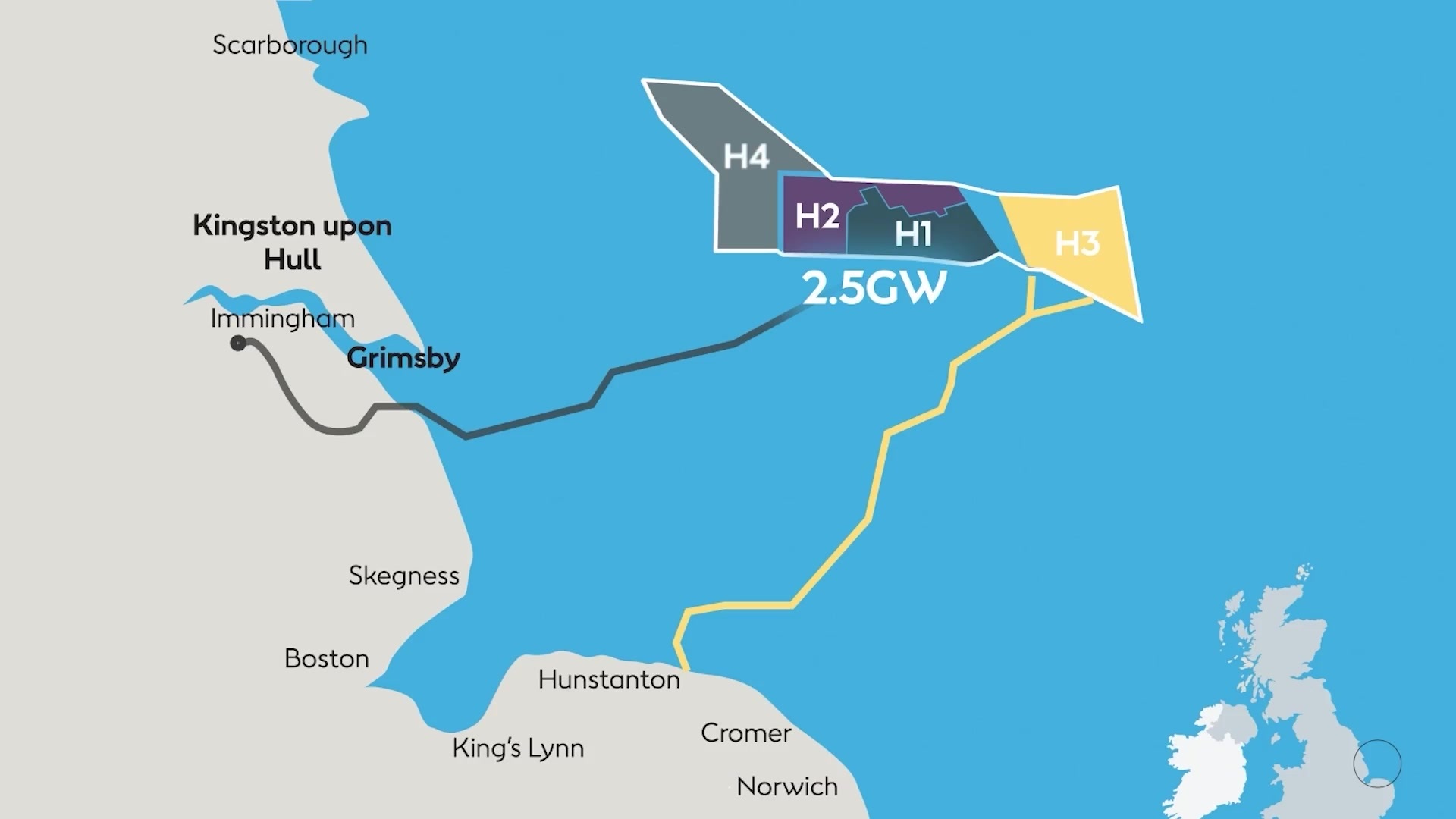
231 turbines of 260 meters at 160 km from the coast, monopiles weighing as much as nine blue whales embedded in the North Sea, and a crane ship taller than the Eiffel Tower: Hornsea 3 will be the largest offshore wind farm on the planet by 2027, and its first components have already arrived in England.
-
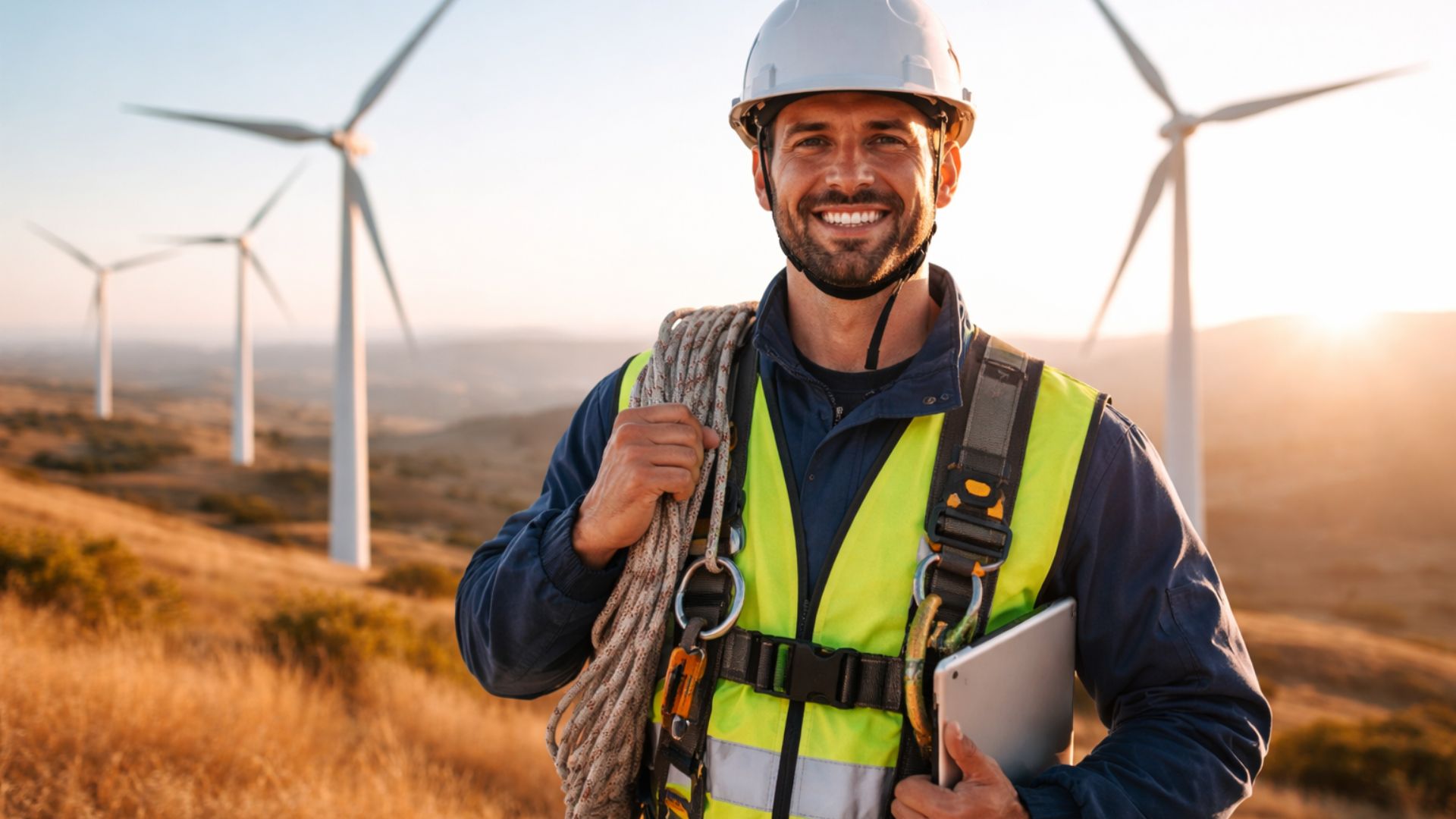
International Certification Puts Senai Norte on the Renewable Energy Map and Expands Access to Essential Training for Qualified Wind Power Professionals
-
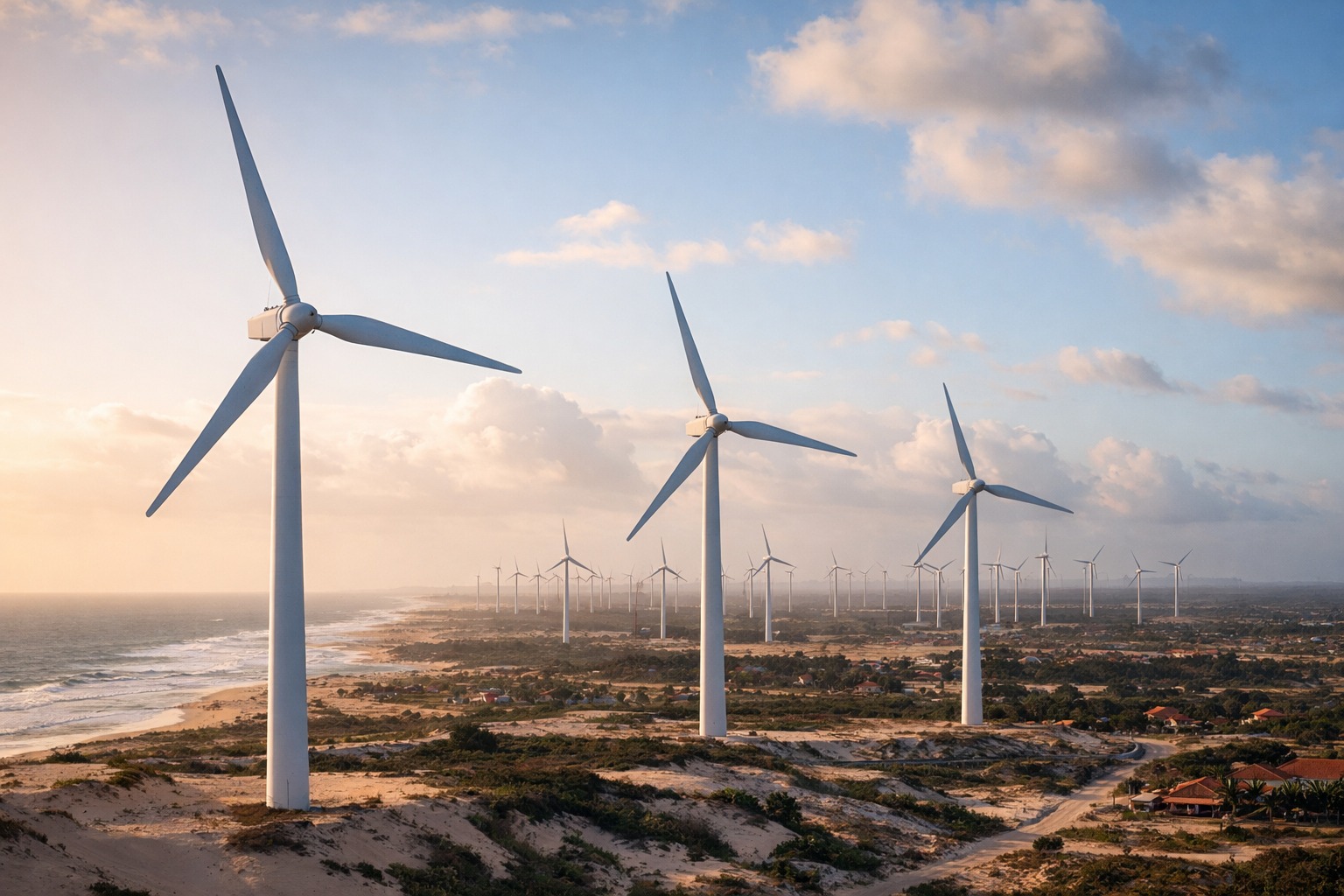
The Winds of the Northeast Are in Foreign Hands: Nearly 70% of the Region’s Wind Farms Are Owned by International Companies, with France, China, and Italy Leading Investments in Wind Energy in Brazil
-
Echoenergia’s Wind Farms Receive Diamond and Platinum Seals and Boost Carbon Credits with Projects that Prevent Large Volumes of Annual Emissions
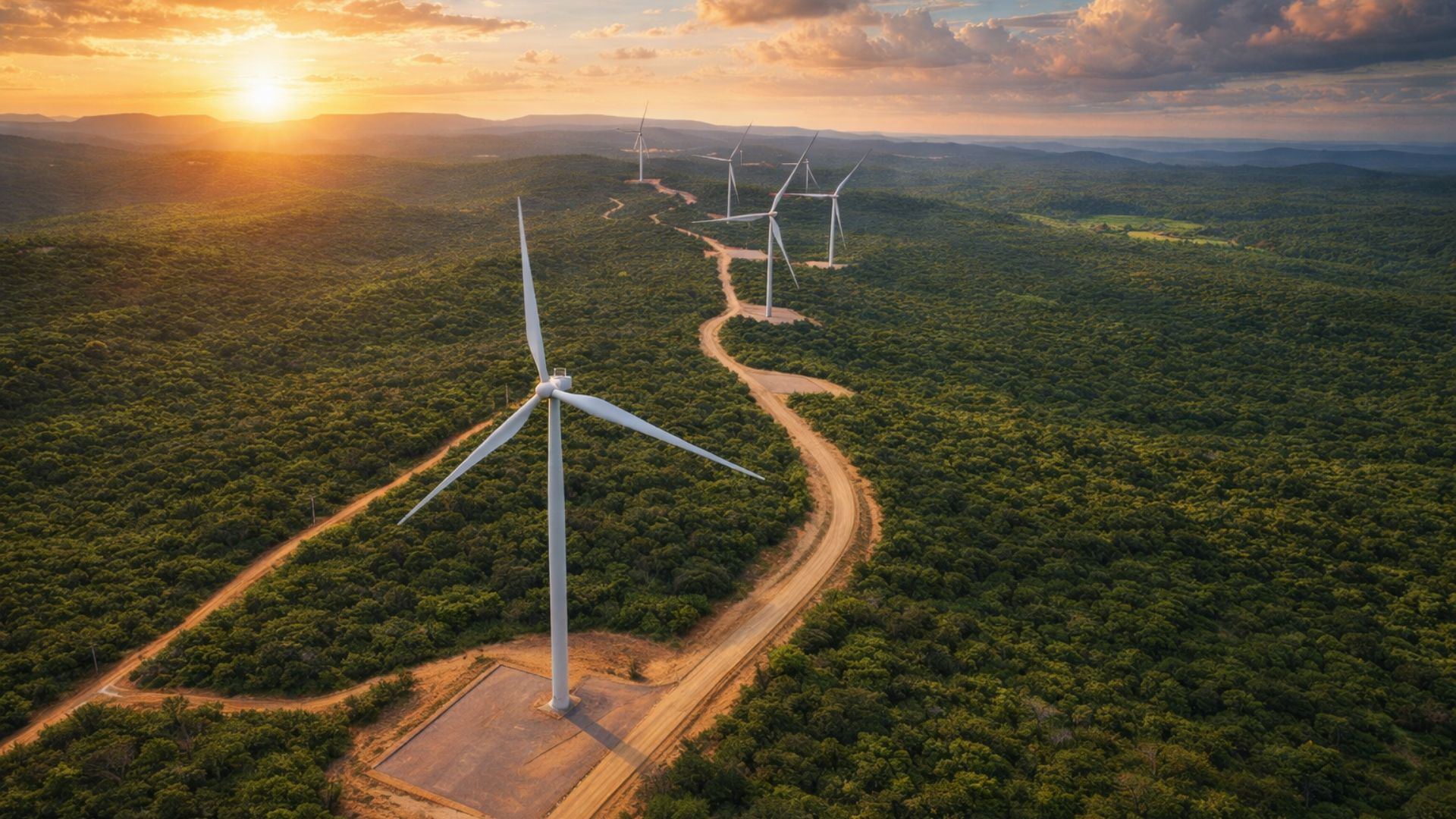

This stage, in turn, unlocks investments and drives the deployment of this energy generation model in the country.
Although the legal framework was approved in 2025, the market is still waiting for concrete signals and defined dates to gain security and predictability.
Start and Evolution of Offshore Wind in Brazil
Although the debate on the topic has gained momentum recently, discussions about harnessing wind at sea began in Brazil as early as the 2010s.
At the same time, countries like the United Kingdom, Germany, Denmark, and China demonstrated that it was possible to generate electricity abundantly and stably offshore, thanks to the constancy of ocean winds.
Additionally, these plants reduce the visual and sound impacts of turbines on land.
However, despite the evident potential, Brazil has been slow to advance in this field.
Even though the country has an extensive coastline and consolidated experience in the offshore oil and gas industry, for years it lacked regulatory incentives and legal framework.
The situation began to change only with Law 15097/2025, considered the legal framework for offshore wind, which outlined a more concrete path.
The new legislation established guidelines for concessions, environmental licensing, and coordination among public bodies.
Still, regulation needs to advance, especially regarding the auction schedule, as, without it, investors remain insecure, and projects do not get off the ground.
The Auction as a Turning Point for the Sector
Undoubtedly, the offshore wind auction represents a watershed moment for turning projects into reality.
Indeed, this mechanism defines the available maritime areas, implementation deadlines, and technical and legal criteria that investors must meet.
Consequently, the auction also establishes the remuneration model, contractual obligations, and expected return level.
For this reason, these elements ensure a competitive business environment that attracts international capital and accelerates the technical learning of the sector in Brazil.
According to Matheus Noronha, representative of the Brazilian Wind Energy Association (Abeeólica), the lack of clear dates for the auction creates apprehension.
Although the government has announced the phases of the process, it has not set temporal milestones, which prevents companies from organizing in advance.
Noronha emphasizes that actions must start now, even if the operational start is only expected after 2030.
This is because companies need to plan their production chains, hire teams, negotiate with suppliers, and conduct technical studies.
Therefore, without this planning, Brazil risks losing time and competitiveness.
Natural Potential and Logistical Challenges in Brazil
Undoubtedly, Brazil has exceptional natural conditions.
After all, with over 7,000 kilometers of coastline and constant wind regimes, especially in the Northeast, the country can become a leader in offshore wind generation.
Moreover, the oil and gas industry infrastructure provides a strategic base.
Platforms, shipyards, ports, and qualified professionals form a functional ecosystem that can be adapted more quickly and at lower cost.
On the other hand, the country also faces significant challenges.
For example, connecting offshore plants to the electrical grid requires significant investments and coordination among states, operators, and ANEEL.
Furthermore, environmental licensing requires special attention to marine biodiversity and artisanal fishing.
Conversely, one of the most urgent bottlenecks lies in the lack of adequate port infrastructure.
Transporting turbines, towers, and large equipment requires specialized ports.
Without these resources, logistics costs increase and the economic viability of the projects may be compromised.
The Role of COP30 and Brazil’s Protagonism
No coincidence, the 30th UN Climate Change Conference (COP30), scheduled for November 2025 in Belém, will be a strategic showcase for Brazil.
Thus, the event provides an opportunity to showcase concrete progress in the commitment to energy transition.
Matheus Noronha argues that Brazil cannot make COP another meeting of promises.
In other words, it is necessary to demonstrate real actions, such as launching the first offshore wind auction.
Thus, the country gains market confidence and reinforces its climate leadership.
Consequently, Brazil, as host of COP30, will be able to attract international cooperation, green financing, and technological partnerships.
In this way, publicly committing to the auction strengthens both external positioning and internal development.
Offshore Wind as a Vector of Development
Beyond clean energy, the offshore wind carries a potential for economic and industrial development.
According to industry studies, projects can generate thousands of jobs, boost the shipbuilding industry, and promote innovation in universities and research centers.
Additionally, by encouraging domestic production of components, the country can reduce dependence on imports.
This strengthens competitiveness and creates a green reindustrialization.
Ultimately, as a renewable source, offshore wind energy directly contributes to Brazil meeting its climate commitments, including the Paris Agreement and the Sustainable Development Goals (SDGs).
Thus, its contribution to reducing carbon emissions is essential for the global environmental agenda.
What is Needed for the Auction to Get Off the Ground?
For the offshore wind auction to materialize, the government must present a clear and public timeline.
By defining deadlines and transparent criteria, Brazil creates a trust environment capable of attracting investments and solid partnerships.
Companies do not demand subsidies.
However, they need predictability and legal security to plan ahead.
If not, investors might prioritize countries with more mature regulations.
However, if Brazil acts quickly and organized, it can occupy a world leadership position in offshore energy, taking advantage of its natural resources, technical structure, and industrial capacity.
The country is faced with a crucial choice.
The offshore wind auction can mark a new energy era, based on innovation, sustainability, and economic growth.
Therefore, the success of this journey requires political clarity, immediate action, and institutional coordination.
The energy of the future is already blowing in our coastline.
It is up to Brazil to turn this wind into clean and lasting power.










Seja o primeiro a reagir!