





 Portuguese
  English
  Spanish
 6 min of reading
  0 comments


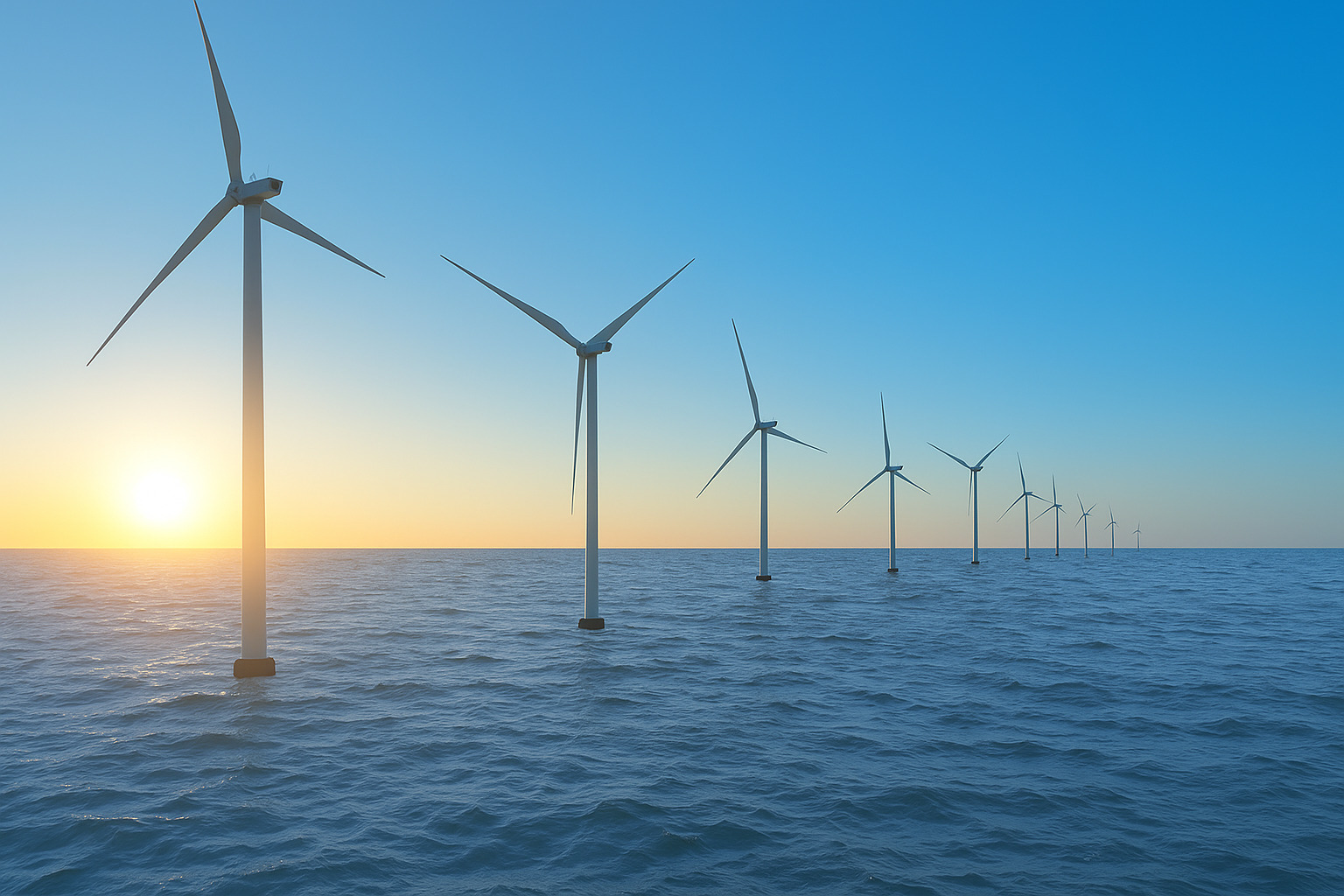
Discover How the Offshore Energy Project on the Costa Branca Brings Together Innovation, Regional Development, and Local Community Participation.
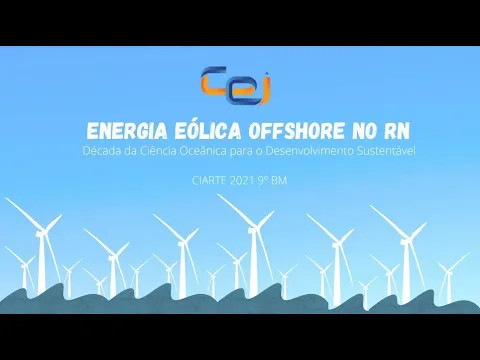
The offshore energy project on the coast of Costa Branca, in Rio Grande do Norte, represents a significant milestone for the economic, social, and technological development of the region.
Furthermore, this initiative aims to install the first offshore wind farm in the area, generating great interest from local authorities, industry companies, and the community in general.
Therefore, on Thursday, the 11th, the president of the Federation of Industries of Rio Grande do Norte (Fiern), Roberto Serquiz, met with mayors of the region, along with representatives from Senai-RN and the Brazilian Wind Energy Association (Abeeólica).
-
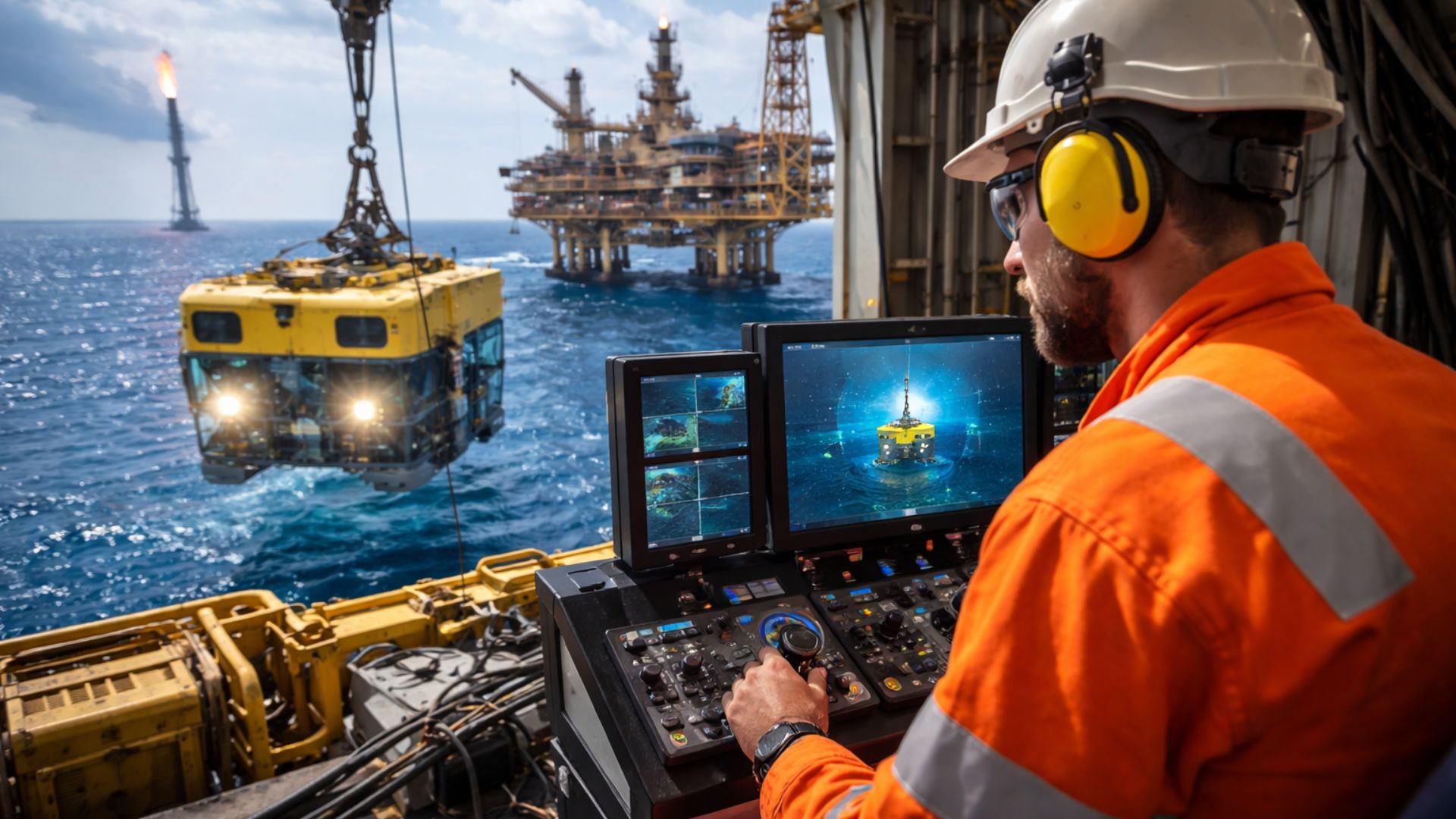
With Announcement for ROV Course in Partnership with Zen, Rio das Ostras Aims to Transform Technical Qualification into Real Jobs in the Competitive Offshore Market
-
Free Offshore Steward Course in São Gonçalo Emerges as a Strategic Opportunity for Those Seeking Qualified Work at Sea

-
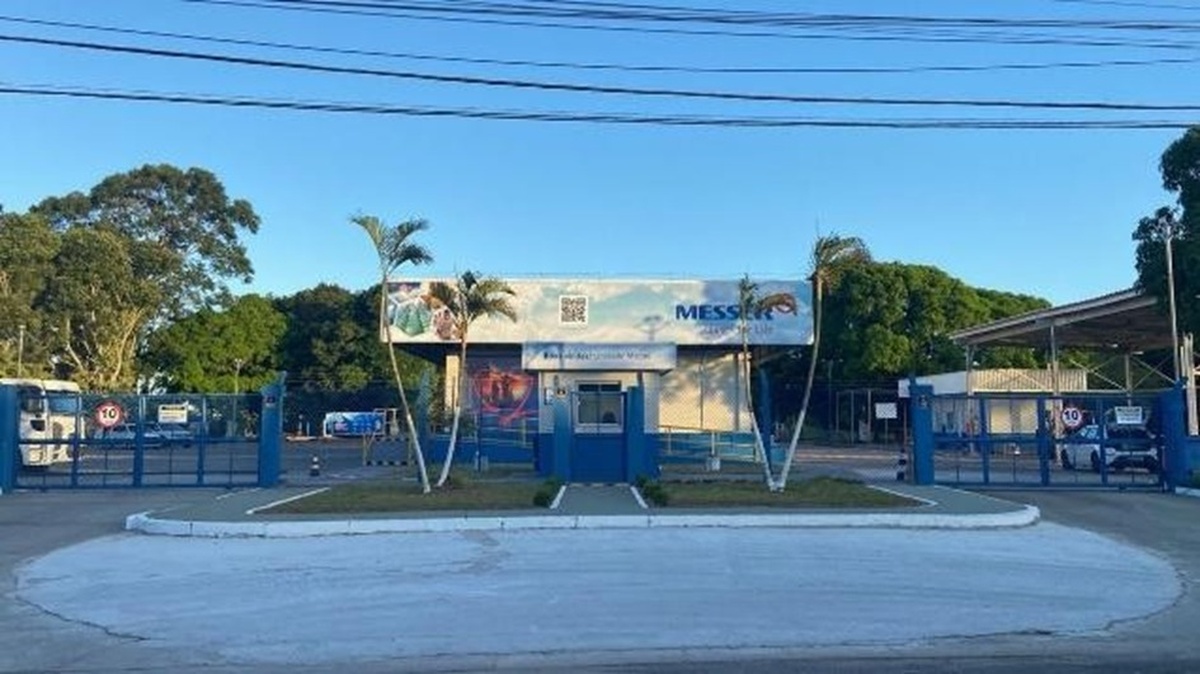
Messer Gases Reopens Branch in Macaé to Serve Offshore Oil and Gas Market in Northern Fluminense with Supply of Oxygen, Argon, and CO₂
-
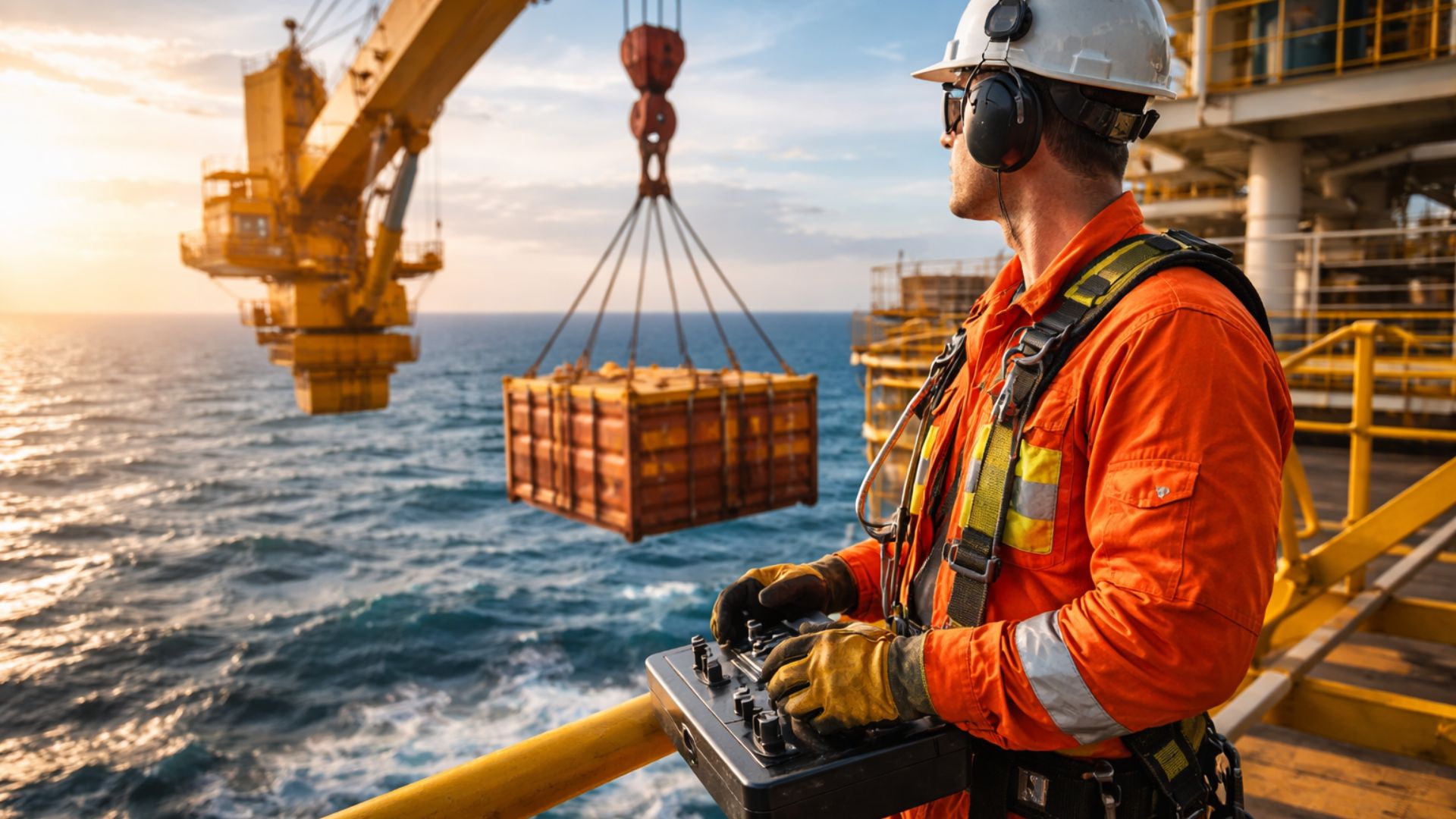
Offshore Profession Simplified: Comprehensive Guide Reveals How to Trade Common Routine for High Salaries and Long Breaks in Life Aboard in the Oil Sector
The meeting took place in Areia Branca, a city located 330 km from the capital, Natal, and its main objective was to align expectations and discuss the project’s impact on the region.
Historically, northeastern Brazil has stood out as one of the regions with the greatest potential for wind energy generation.
Thus, Rio Grande do Norte, in particular, has favorable climatic and geographical conditions, such as constant and strong winds near the coast, which allow for the installation of offshore wind turbines.
The Beginning of the Project and Its Regional Impact
Unlike turbines installed on land, these towers harness the power of maritime winds, which are more regular and powerful, ensuring higher energy efficiency.
Thus, the offshore energy project on Costa Branca emerges as an opportunity to put the region at the forefront of clean and renewable energy production in the country.
Additionally, Fiern President Roberto Serquiz emphasized that the meeting was an opportunity to present detailed information about the project, hear the expectations of local managers and the community, and raise aspects related to the necessary infrastructure and professional training in the region.
He stated that the Industry System, through Senai-RN, plans to install two offshore wind towers by 2027, representing an investment in technological innovation and economic growth for Costa Branca.
Therefore, according to Serquiz, this dialogue with mayors and local leaders ensures that development is sustainable and directly benefits the population.
Moreover, the offshore energy project places the region in a broader context of energy transformation.
In recent years, Brazil and the world have sought to diversify the energy matrix, reduce dependence on fossil fuels, and promote clean and renewable sources.
In this sense, the offshore wind farm of Costa Branca is not only a local investment but is part of a long-term strategy to establish Rio Grande do Norte as a reference in renewable energy.
Preparation and Professional Training
The offshore energy project requires more than just the installation of turbines.
It therefore necessitates detailed studies on logistics, transportation, environmental impact, and labor qualification.
For this reason, Senai-RN plays a central role in this process, preparing professionals to operate and maintain the innovative technologies that will be applied in the wind farm.
Additionally, Rodrigo Mello, regional director of Senai-RN, stated that hearing local managers and understanding the community’s needs is a fundamental step to ensure the project’s success.
He highlighted that they would hold new meetings periodically to ensure that each stage addresses the population’s expectations.
Besides the economic impact, the offshore energy project is expected to generate significant social benefits for Costa Branca.
The region, traditionally known for salt production and fishing activities, will have new job and income opportunities.
For example, fishing communities will be able to diversify their activities and integrate into the ecosystem of the wind farm.
Thus, this type of investment promotes economic growth and human and social development, strengthening the region’s capacity to attract new businesses and investments in clean energy.
Moreover, professional training is essential.
Senai-RN plans training programs aimed at youth and workers in the region, preparing them to work in the operation of offshore towers, equipment maintenance, and activities related to maritime logistics.
In this way, it contributes to reducing unemployment and forming a specialized workforce capable of meeting the demands of a rapidly expanding sector.
International Experience and Social Engagement
International experience in offshore projects also emerged as an important point in the meeting.
Thus, the president of Abeeólica, Elbia Gannoum, emphasized that engaging communities from the outset ensures that the project is built on dialogue and social participation.
Additionally, lessons from other initiatives show that the success of offshore wind farms depends not only on the technology applied but also on the integration with the surroundings, respect for the environment, and direct involvement of the local population.
In this way, according to Elbia, this approach allows the project’s benefits to reach both the productive sector and society as a whole.
Furthermore, the mayor of Areia Branca, Manoel Cunha Neto, known as Souza, highlighted that the local community will play an active role in the development of the project.
He emphasized that the population will be able to participate and take advantage of the opportunities generated, from professional training to job and income generation.
Therefore, Souza stressed that, as a maritime city, Areia Branca has favorable natural conditions for the development of offshore wind energy, and that the partnership with Fiern and Senai-RN offers security and the necessary technical knowledge for the project to become a national reference.
Moreover, the offshore energy project plays a relevant role in the global energy transition.
The search for renewable energy sources has intensified worldwide, driven by the need to reduce greenhouse gas emissions and combat climate change.
In this scenario, offshore wind energy stands out for its efficiency and capacity to generate large volumes of electricity sustainably.
Therefore, the Costa Branca project positions Rio Grande do Norte in a global movement of innovation, demonstrating that Brazil has the natural and technical conditions to lead clean energy initiatives.
Infrastructure, Logistics, and Strategic Partnerships
Another important aspect is the logistical infrastructure needed to install offshore towers.
The installation of large equipment offshore requires detailed planning, specialized transport, and coordination among different sectors of the economy.
Thus, the Industry System, through Senai-RN, identified critical points and proposed solutions that facilitate project execution, minimizing impacts on the community and the environment.
In this way, this care demonstrates the commitment to make the offshore energy project innovative, sustainable, and inclusive.
Furthermore, the meeting in Areia Branca included representatives from research and development institutions, such as ISI-ER and CTGAS-ER, showing that the project involves strategic partnerships between the private sector, government, and academia.
Thus, the integration among different actors ensures that technical and strategic decisions consider multiple aspects, from economic viability to social and environmental impacts.
In this way, this collaborative approach is essential for the success of complex projects like the offshore wind farm.
Moreover, the infrastructure created for this project can serve as a basis for other energy initiatives in the region.
Ports, access roads, and training centers can support future renewable energy projects, creating a sustainable cycle of development and strengthening the local sector.
Thus, the offshore energy project has the potential to generate positive long-term impacts, benefiting multiple sectors of the economy.
Offshore Energy Project: Innovation, Sustainability, and Engagement
In summary, the offshore energy project on Costa Branca represents a milestone for regional development, uniting technology, sustainability, and social engagement.
Thus, the initiative transforms the Potiguar coast into a national and international reference in clean energy generation.
With the active participation of the community, the technical support from Senai-RN, and the leadership of Fiern and Abeeólica, the project promises to not only generate electricity but also promote economic growth, professional training, and improvements in the quality of life of the local population.
Therefore, the constant dialogue among companies, government, and society ensures that each stage is successful and that the legacy of offshore wind energy on Costa Branca is lasting.






Seja o primeiro a reagir!