





 Portuguese
  English
  Spanish
  5 min of reading
  2 comments


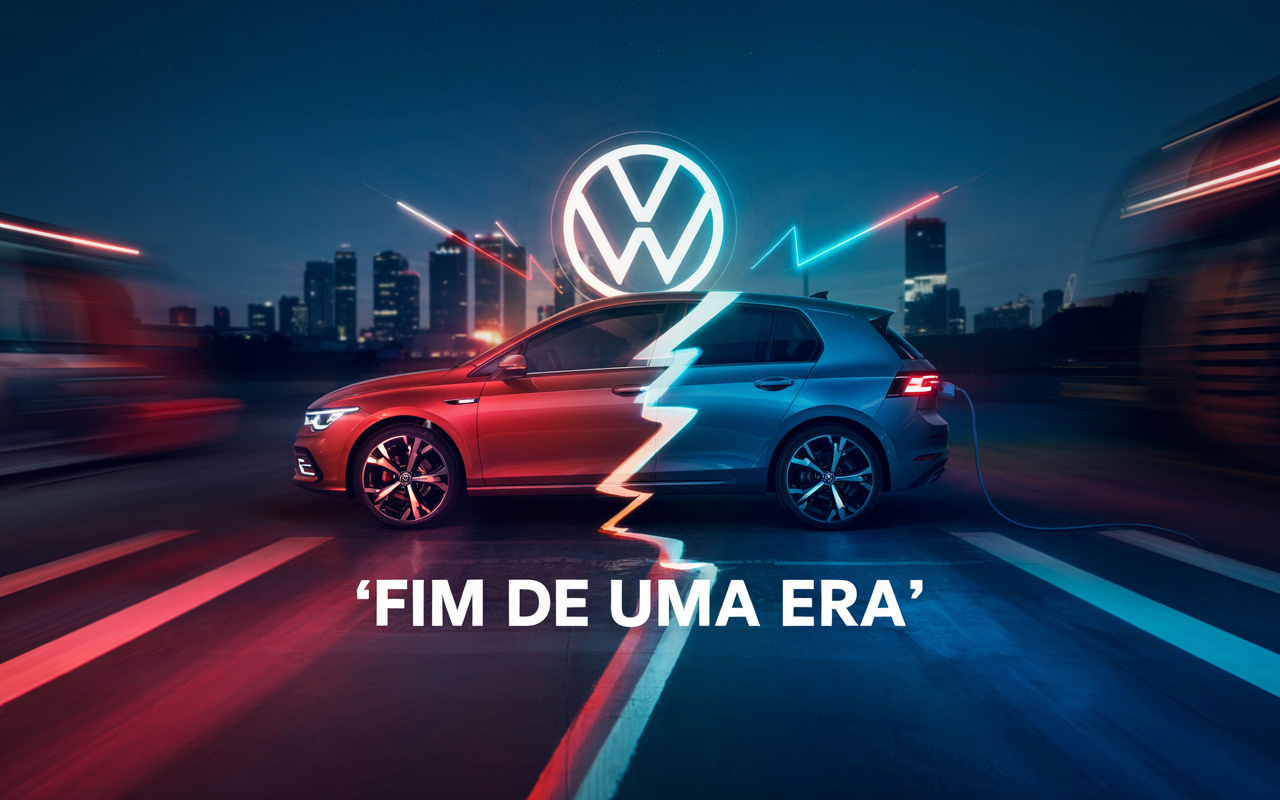


Volkswagen Confirms That Golf Will Be The Last Hatch With Combustion Engine. CEO Oliver Blume Talks About The End Of An Era And The Total Bet On The Electric Revolution.
In 2023, Volkswagen confirmed what had seemed distant for years: the automaker will no longer develop new combustion engines. The official statement revealed that the Golf, in its eighth generation, will be the last hatch from the brand equipped with traditional propulsion, closing a cycle of nearly 50 years of automotive history. For many, the news sounds like a final farewell to an era that began in the 1970s when the Golf became one of Volkswagen’s most iconic models and one of the best-selling hatches in global history. Now, the car that popularized the brand in various markets will also be the symbol of the transition to electric vehicles.
In March 2025, Thomas Schäfer — head of the Volkswagen brand — made important statements about the future of combustion. He confirmed that:
- The Golf 8 will be the last fully combustion model, signaling the end of the development of new conventional engines.
- Depending on demand and regulations, combustion models may remain on sale until 2033 or 2035, but only as existing versions — without new developments.
The Golf As A Historic Milestone


Launched in 1974, the Golf quickly became a reference for design, drivability, and versatility.
-
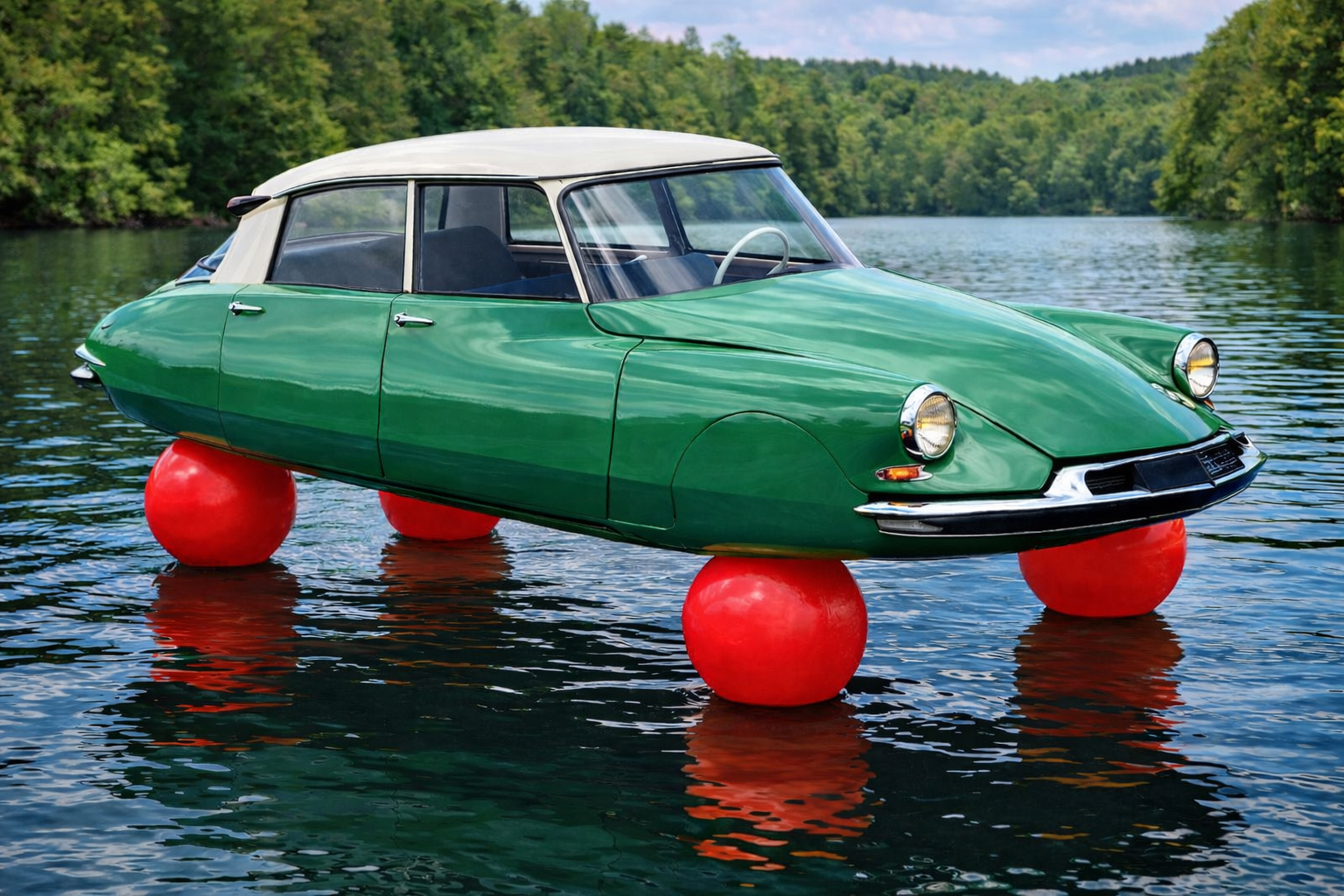
A French brand placed a car on four huge red balloons to prove that its suspension made the vehicle “float,” and the surreal scene became one of the most iconic and unusual images in automotive history.
-
Jeep Avenger begins production in Brazil, debuting as the brand’s new entry-level SUV and inaugurating an unprecedented phase by becoming the first national Jeep manufactured outside of Goiana, as part of a R$ 3 billion plan.
-
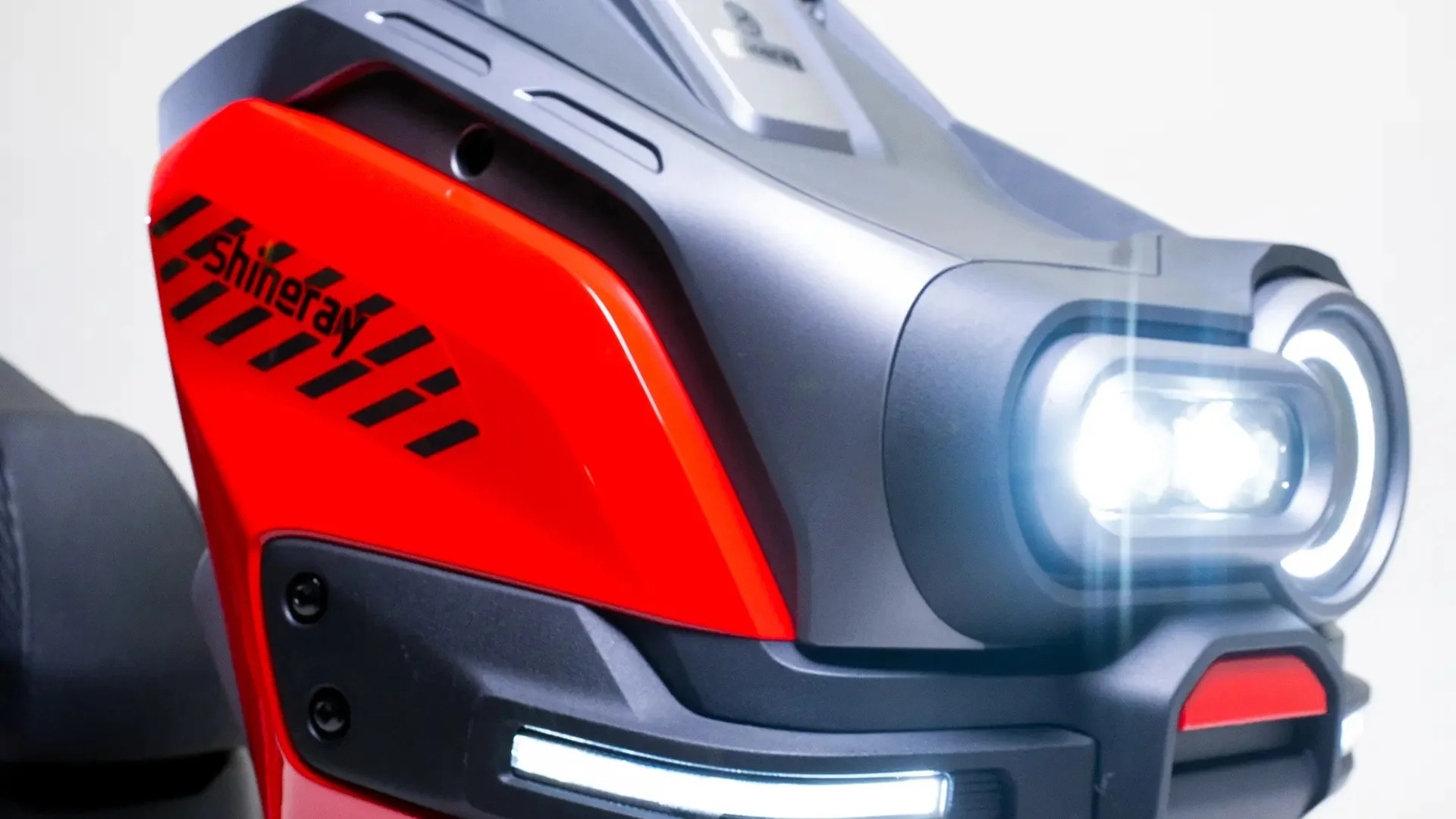
Costing R$ 12,490, the new Shineray Urban Lite 150 “cheap one” arrives in Brazil with a CVT transmission, digital dashboard, and LED lights, making it more affordable than the Biz and targeting those who want to abandon the bus.
-
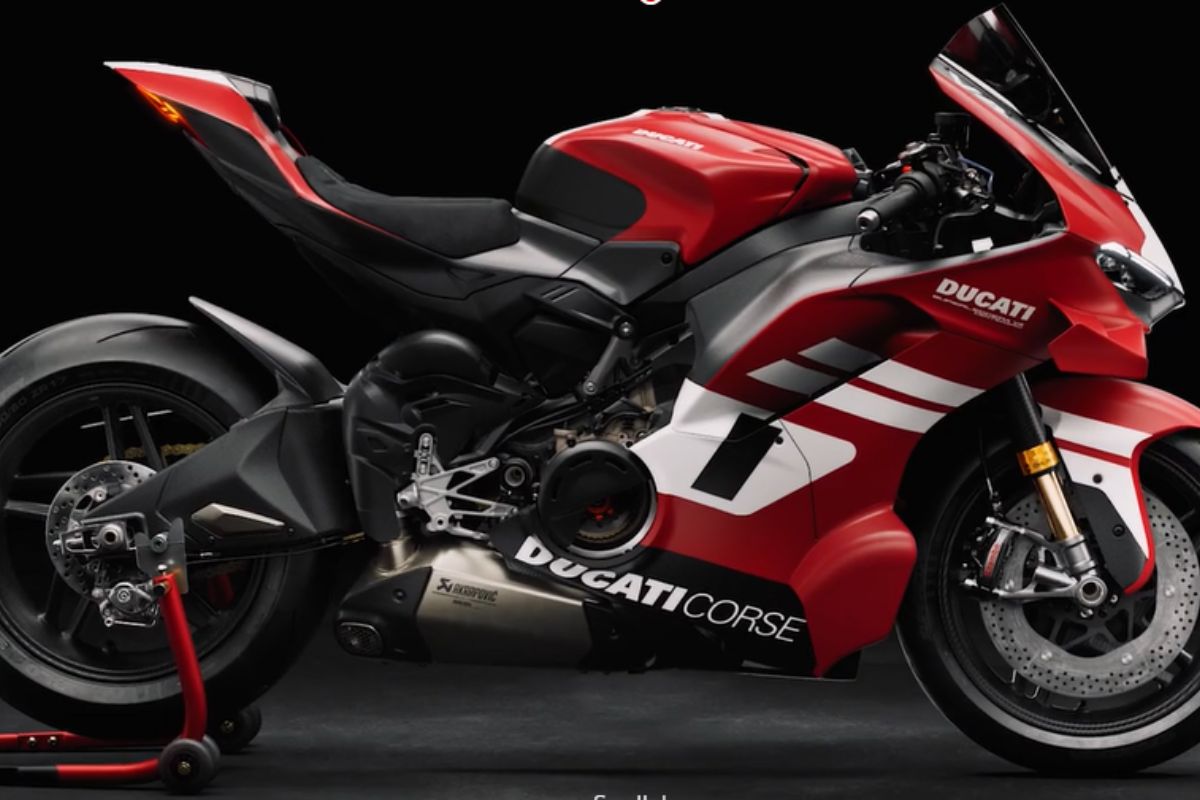
Ducati brings to Brazil the Superleggera V4 Centenario: 228 hp that become 247 with a track kit, carbon fiber and carbon-ceramic brakes, estimated price between R$ 1.5 and 2 million, deliveries only in 2027.

Over eight generations, the model surpassed the mark of 35 million units sold worldwide, securing its place as an icon of the European middle class and as a symbol of sportiness in legendary versions such as the GTI and the R32.
By announcing that the Golf 8 will be the last with a combustion engine, Volkswagen not only closes a technical cycle but also puts an end to a cultural narrative: that of the hatchback that represented youth, freedom, and accessibility in various parts of the planet.
CEO Oliver Blume’s Statement (April 2025)
In an interview with the newspaper Neue Osnabrücker Zeitung, CEO Oliver Blume commented:
- He expressed that the end of the combustion era in 2035 needs to be aligned with the real evolution of electric mobility, with a realistic transition and flexible policies.
The Positioning Of The CEO
The CEO of the Volkswagen Group, Oliver Blume, emphasized in interviews that the decision is part of a global strategic plan. According to him, the brand is committed to drastically reducing CO₂ emissions and accelerating the transition to electric mobility.
Blume highlighted that the era of the combustion engine was fundamental to building Volkswagen’s identity, but the priority now is to prepare the company to lead the electric vehicle market in Europe, China, and other strategic markets.
“It’s not just about meeting environmental regulations. We are redesigning Volkswagen for the next 50 years,” he stated.
From Combustion To Electrification
The announcement does not come in isolation. Volkswagen is already investing billions of euros in the MEB (Modular Electric Drive Matrix), which serves as the basis for the brand’s new generation of electric vehicles, such as the ID.3 (the “spiritual successor” of the Golf), the ID.4, and the futuristic ID.Buzz, inspired by the classic Kombi.
With this, the company makes it clear that the Golf will pass the baton of “symbolic car” to the ID. family, consolidating a change that goes far beyond technology: it is a redefinition of image and purpose for Europe’s largest automaker.
The Weight Of A Farewell
Industry experts point out that the decision to abandon new combustion projects has both emotional and strategic impacts.
On one hand, there’s the nostalgia of enthusiasts who grew up dreaming of a Golf GTI, recognized as one of the most important compact sports cars in history. On the other, there’s the reality of the numbers: increasingly strict environmental regulations in the European Union and in markets like China make it unsustainable to invest billions in engines that will not be able to be sold in certain countries in a few years.
The Group’s Goals And Challenges
The Volkswagen Group announced the goal of becoming carbon neutral by 2050, with aggressive intermediate plans: by 2030, it expects that 50% of global sales will be 100% electric cars.
Oliver Blume acknowledges that the path will not be simple: it involves everything from adapting factories to creating a robust charging network, along with dropping battery prices. But, according to the CEO, the end of the combustion engine era represents the opportunity to reposition Volkswagen as a leader of a new industrial revolution.
The Future Of The Brand’s Most Famous Hatch
Although the Golf 8 is the last of the combustion lineage, Volkswagen is already studying how to maintain the name in the future. There are rumors that the Golf may be reborn as an electric version within the ID. line, possibly called ID.Golf, preserving the prestige of the name but with new technological packaging.
For fans, this possibility is seen as a consolation: the spirit of the Golf would survive, even in another configuration. For the brand, it is the chance to unite tradition and innovation in a single product.
The End Of A Reign, The Beginning Of Another
The announcement from Volkswagen that it will not develop new combustion engines and that the Golf will be the last hatch of this era is more than an industrial decision: it is a milestone in the history of mobility.
It has been almost five decades of reign, millions of cars sold, and a legion of fans who turned the Golf into a legend. Now, the same model that began an era bids farewell, paving the way for another: that of mass electrification.
In Oliver Blume’s words, “it’s not the end of a story, but the beginning of a new one.”










Duvido que seja o último carro movido a combustão.
Mais um motivo para eu nao vender o meu! Mas a verdade é que eu achava o Golf o máximo ate por o traseiro atrás de um volante de um BMW!