





 Portuguese
  English
  Spanish
  3 min of reading
  0 comments


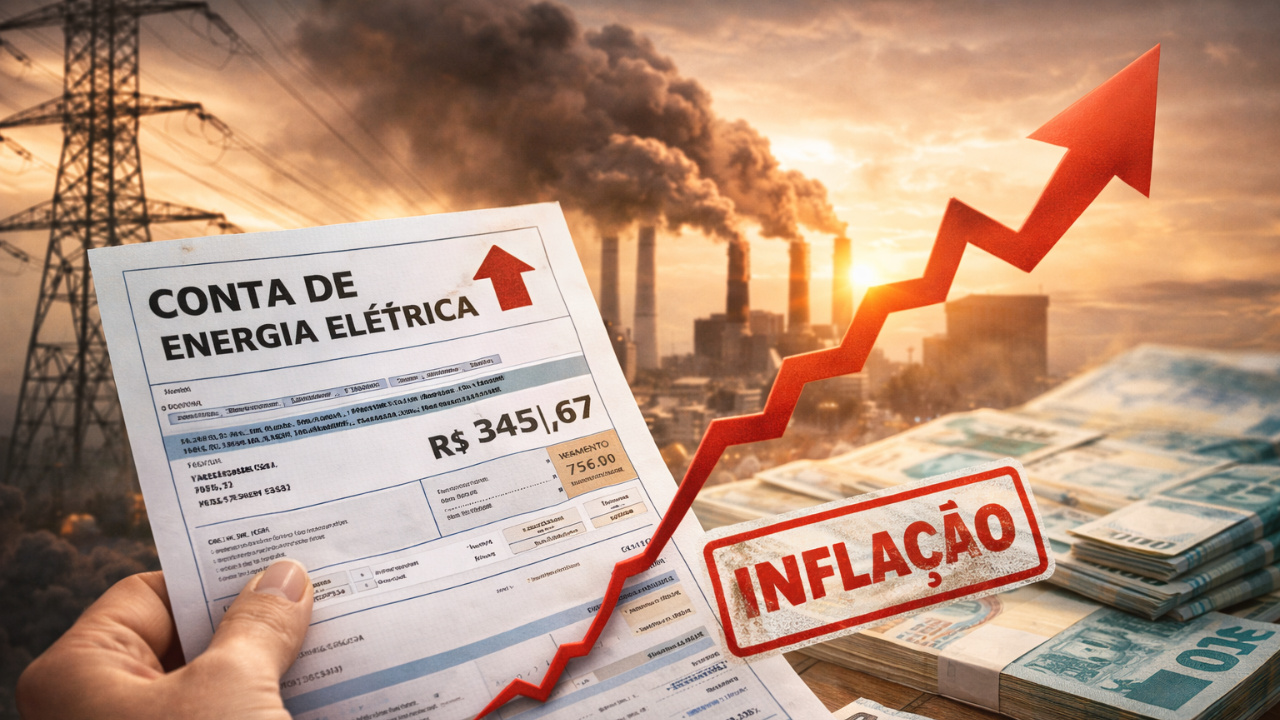
Electricity Was The Item That Weighed The Most On Brazilian Inflation In 2025, According To The IBGE, With A Significant Rise In The Electricity Bill And Forecast Of New Adjustments In 2026.
Electricity was the item that most pressured Brazilian inflation in 2025, becoming the main individual factor impacting the Broad Consumer Price Index (IPCA). Data released by the IBGE shows that the residential electricity bill accumulated a rise of 12.31% last year, while the official inflation rate in the country closed at 4.26%.
Right at the beginning of the year, tariff adjustments and changes in the flag system began to directly influence family budgets. Throughout the months, this effect intensified, consolidating electricity as one of the main villains of the cost of living in 2025.
According to Fernando Gonçalves, manager of the IBGE survey, the increase in residential electricity generated an accumulated impact of 0.48 percentage points on the annual IPCA. This weight resulted from quite uneven adjustments, which varied from point reductions of -2.16% to significant increases of 21.95%, depending on the locality and the utility company.
-
Brazilians paid R$ 18 billion more for energy from the Itaipu plant, reflecting a direct impact on tariffs and generating discussions about costs, transparency, and balance in the national electricity sector.

-
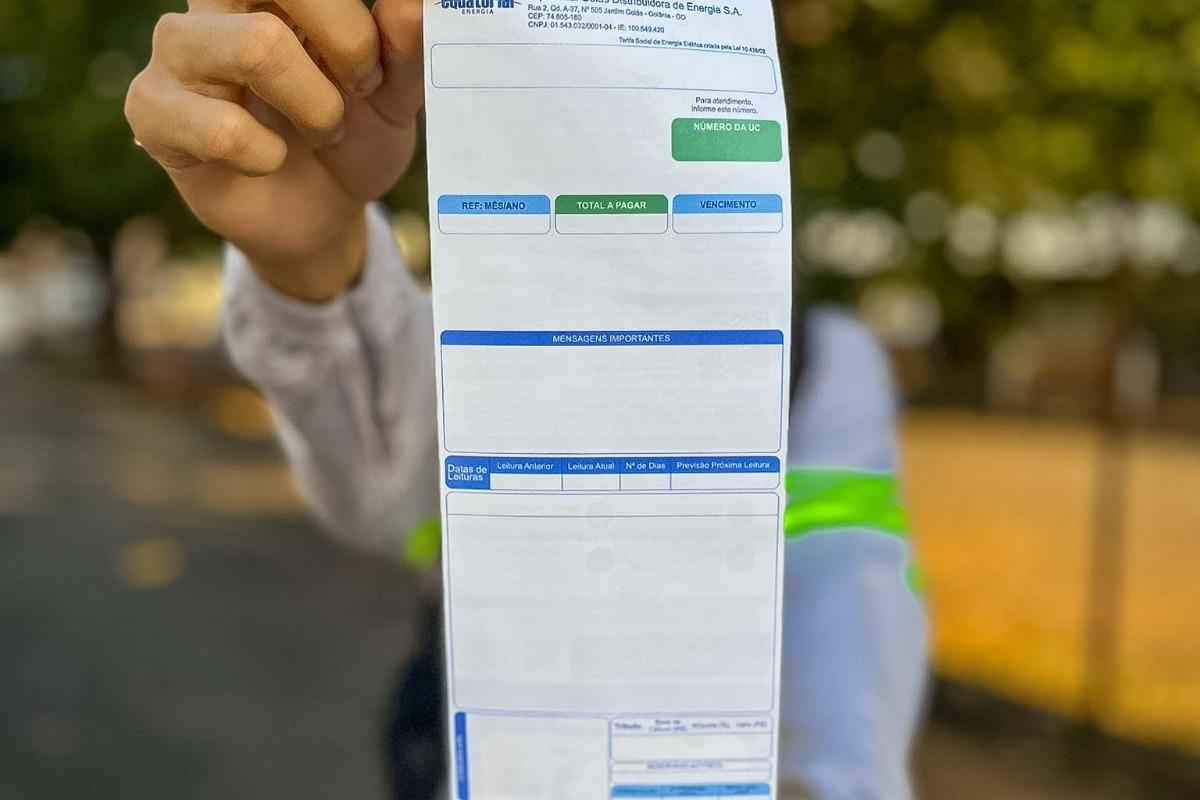
Equatorial adopts new national number for consumer units on electricity bills starting in April, following ANEEL standards and modernizing energy bills in several states.
-
Itaipu Impresses the World: Hydroelectric Plant with 20 Turbines and 14,000 MW Generates Over 2.9 Billion MWh and Leads Global Clean Energy Production

-
Aneel Revokes CMAA Thermal Power Plants After Network Restrictions and Excess Energy in the System

Tariff Flags Increased Cost To The Consumer
In addition to direct adjustments, another decisive factor was the greater incidence of tariff flags throughout 2025. Unlike 2024, when the country recorded eight consecutive months of green flag — with no additional charges — last year had a less favorable scenario for consumers.
With yellow and red flags triggered at different periods, the extra costs were directly reflected in monthly bills. Thus, even in regions where annual adjustments were more moderate, the final bill became heavier for residential consumers.
This context reinforces how electricity, in addition to being essential, is highly sensitive to climatic, operational, and regulatory factors, which amplifies its influence on general inflation.
Capitals Register Generalized Increases In The Electricity Bill
The IBGE survey indicates that all 16 capitals and metropolitan regions analyzed experienced an increase in electricity bills in 2025. However, the intensity varied significantly among municipalities.
Porto Alegre led the national ranking, with an accumulated rise of 23.50%. Following closely were Goiânia, with 23.07%, São Paulo, with 18.64%, and São Luís, with 18.06%. Vitória also stood out, recording an increase of 17.48%.
These numbers highlight that the impact of electricity on inflation was not localized, but spread across the entire country, affecting different regions and consumption profiles.
Projections Indicate New Adjustments In 2026
Although 2025 has already been marked by strong tariff pressures, the scenario for 2026 continues to require attention. Projections from TR Soluções indicate that residential electric energy tariffs are expected to record an average increase of 5.4% next year.
The estimates take into account the tariff regulation procedures applicable to the 51 distribution utilities in Brazil, based on the Energy Tariff Estimation Service (SETE). Regionally, the South is expected to feel the highest average impact, close to 10%, followed by the Southeast, with increases around 8%.
According to Helder Sousa, director of Regulation at TR Soluções, the main factor behind this forecast is the increase in transmission costs. “This projection reflects the already defined transmission tariffs for the 2025/2026 cycle, with an average increase of 12% certain for consumers served by utilities undergoing tariff adjustments in the first half,” he explained.
For companies with adjustments expected in the second half, the projection indicates more moderate increases, although still significant for family budgets.








Seja o primeiro a reagir!