





 Português
  Inglês
  Espanhol
  3 min de leitura


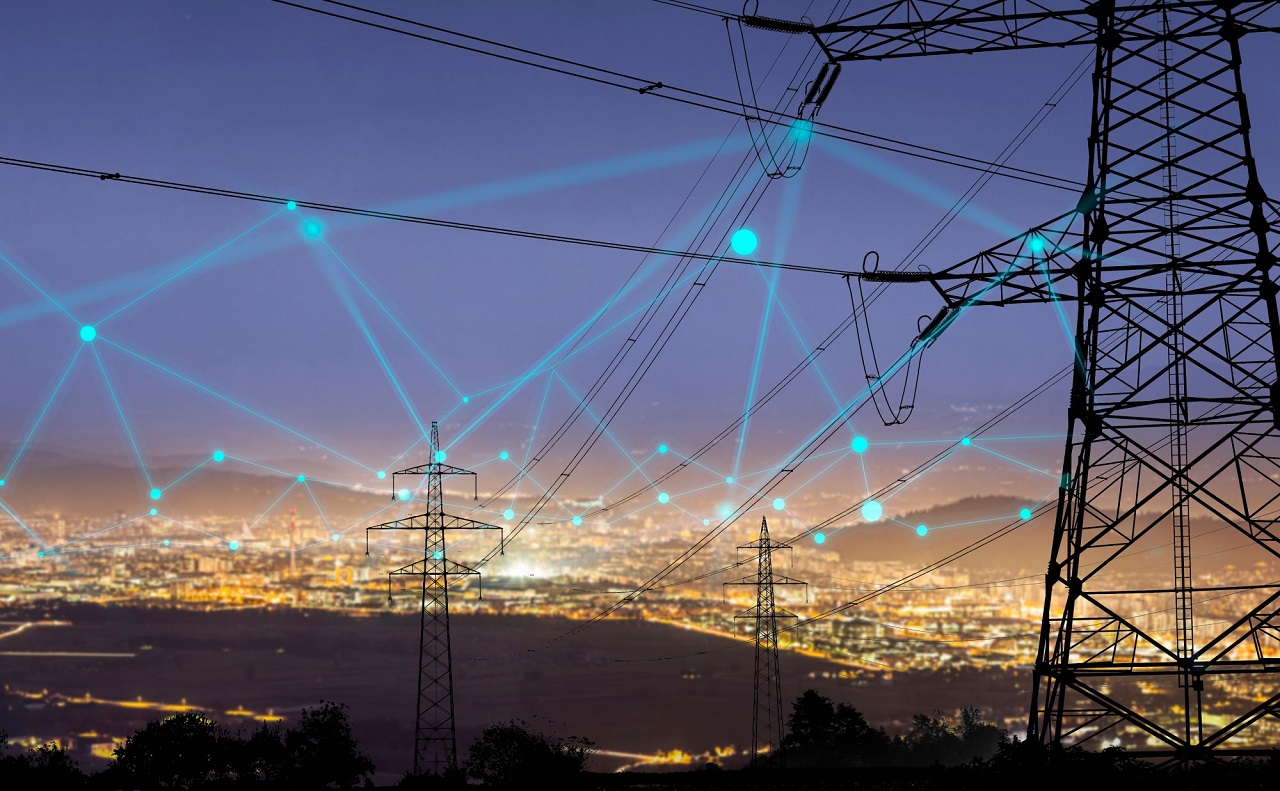
Emrod Developed A New Method For Wireless Electricity Transmission. Scientists Highlight That Infinite Energy May Be Closer Than Ever To Entering The Electric Market.
The technology company based in New Zealand, Emrod, declared that the long-sought dream of wireless wireless electricity, through solar panels installed in space, is increasingly closer to becoming a reality. At the end of September, the company announced the successful transmission of wireless energy from a transmitter to a receiver over a distance of 36 meters within a facility operated by aerospace company Airbus, located in Munich.
Emrod Aims To Generate Infinite Wireless Energy Through Solar Panels


Emrod estimates that this technology for the electricity sector could soon be used to transfer solar energy to Earth, without the need for high-voltage power lines. In theory, wireless energy transmission could bring a long list of benefits related to wired lines, such as fewer failure points, lower infrastructure costs, time interruptions, and reduced risk of electrocution from wires.
Following that, a much more ambitious plan could even involve satellites installed around Earth’s orbit, generating infinite energy from the sun and solar panels installed on those devices in space.
-
Renewable energy advances over protected areas in Brazil, and a survey by the Energy Transition Observatory reveals silent impacts that challenge environmental conservation and pressure sensitive traditional territories.

-
Rio Grande do Sul accelerates energy transition: State invests in renewable technologies and consolidates decarbonization strategies and pathways to attract billions in new industrial investments.

-
With 160,000 m² of collectors, an area larger than 20 football fields, Silkeborg, in Denmark, hosts a solar thermal plant that heats 19,500 homes and could become the largest solar heating plant in the world.

-
A study reveals the expansion of renewable energy procurement in Brazil and shows how companies are taking advantage of opportunities to reduce expenses, ensure energy efficiency, and strengthen strategic environmental commitments.


According to a company spokesperson, the immediate commercial focus is on systems that can be used on land. They also add that the company plans to have systems available for commercial sale within three to four years, with established power production and distribution channels.
Wireless Energy System Safety Concerns The Company
However, for solar energy capture based on space to thrive, it is necessary to develop a research roadmap that outlines all aspects of the research, including investment considerations. It will be necessary to wait at least 10 years to establish a commercially operational system. Emrod plans to begin orbital testing within the next 5 years.
One of the main concerns regarding the use of this type of system is safety. The radiation emitted by infinite energy could harm humans and cause severe sunburn. The energy from the radiation amplifies according to frequency. However, the spokesperson states that the energy beam’s density and the frequency used would not jeopardize the safety of those involved; additionally, there is a shutdown system that would also protect people.
In cases of wireless energy technology use on Earth, transmitter and receiver antennas are elevated above the ground, just as high-voltage cables are, to eliminate human intervention in the energy beam. The company claims that building a wireless electricity transmission system helps in the fight against climate change.
Wireless Electricity Transfer Could Boost The Automotive Market
Although it is a market distant from the electric sector, the automotive market is becoming increasingly sustainable with electric cars.
Thus, auto parts supplier Denso and construction company Obayashi are developing a new form of wireless charging for the electric car market and have tested several road surfaces capable of charging vehicles while in motion.
The goal is for the technology to be present in the market by 2025. During tests performed on electric cars, it is possible to run continuously at 15 km/h on a route with uninterrupted lines of electric coils installed beneath the surface.









Seja o primeiro a reagir!