





 Portuguese
  English
  Spanish
  5 min of reading
  0 comments


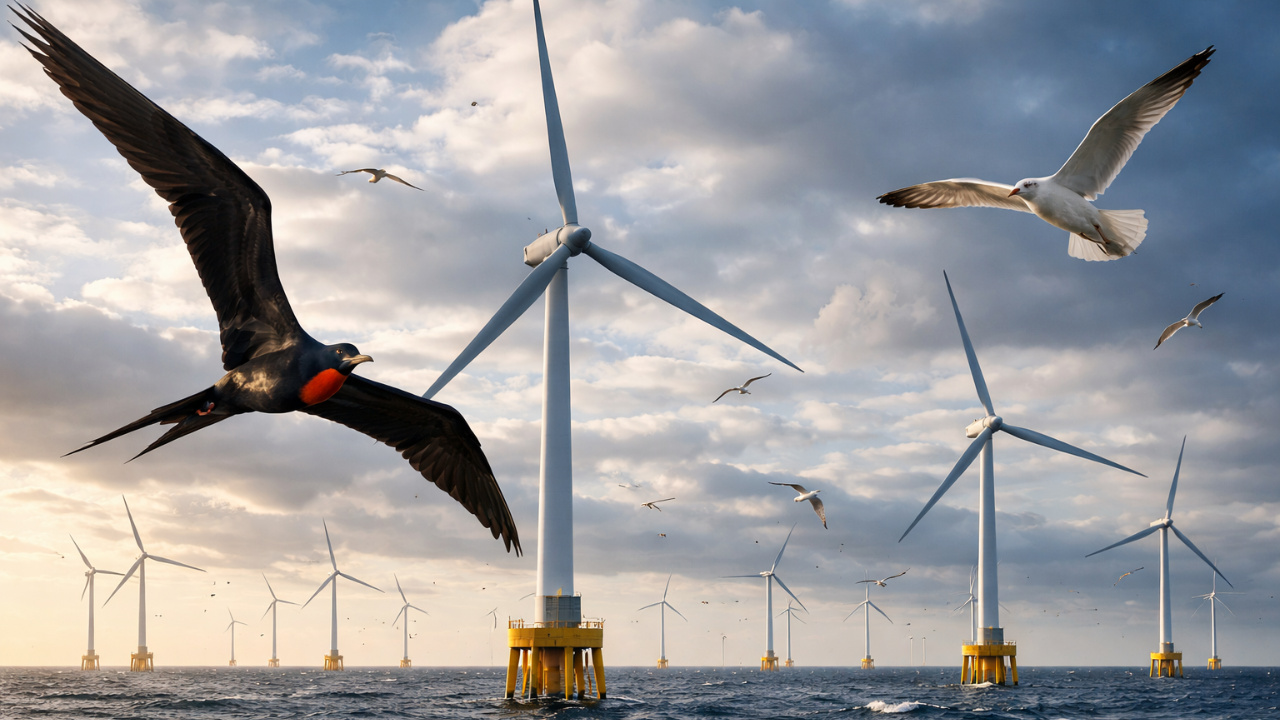
Offshore Wind Energy Gains Momentum in Brazil, with a Focus on Projects in Rio Grande do Sul, While Researchers Analyze Environmental Impacts on Birds and Marine Ecosystems.
Wind energy reached a new level in Brazil in 2024. According to the annual bulletin from the Brazilian Wind Energy and New Technologies Association (ABEEólica), the country generated 107.58 terawatt-hours (TWh) from this source throughout the year.
This volume would be sufficient to supply approximately 47 million households for an entire year, considering an average monthly consumption of 191 kWh per household.
The advancement contrasts with the scenario of the early 2000s when the participation of wind energy was practically nonexistent. The change gained traction with Law No. 10,438, of 2002, which established the Incentive Program for Alternative Energy Sources (Proinfa).
-
Investment in offshore wind energy could reach R$ 900 billion and promises to transform Brazil’s energy matrix in the next decade.
-
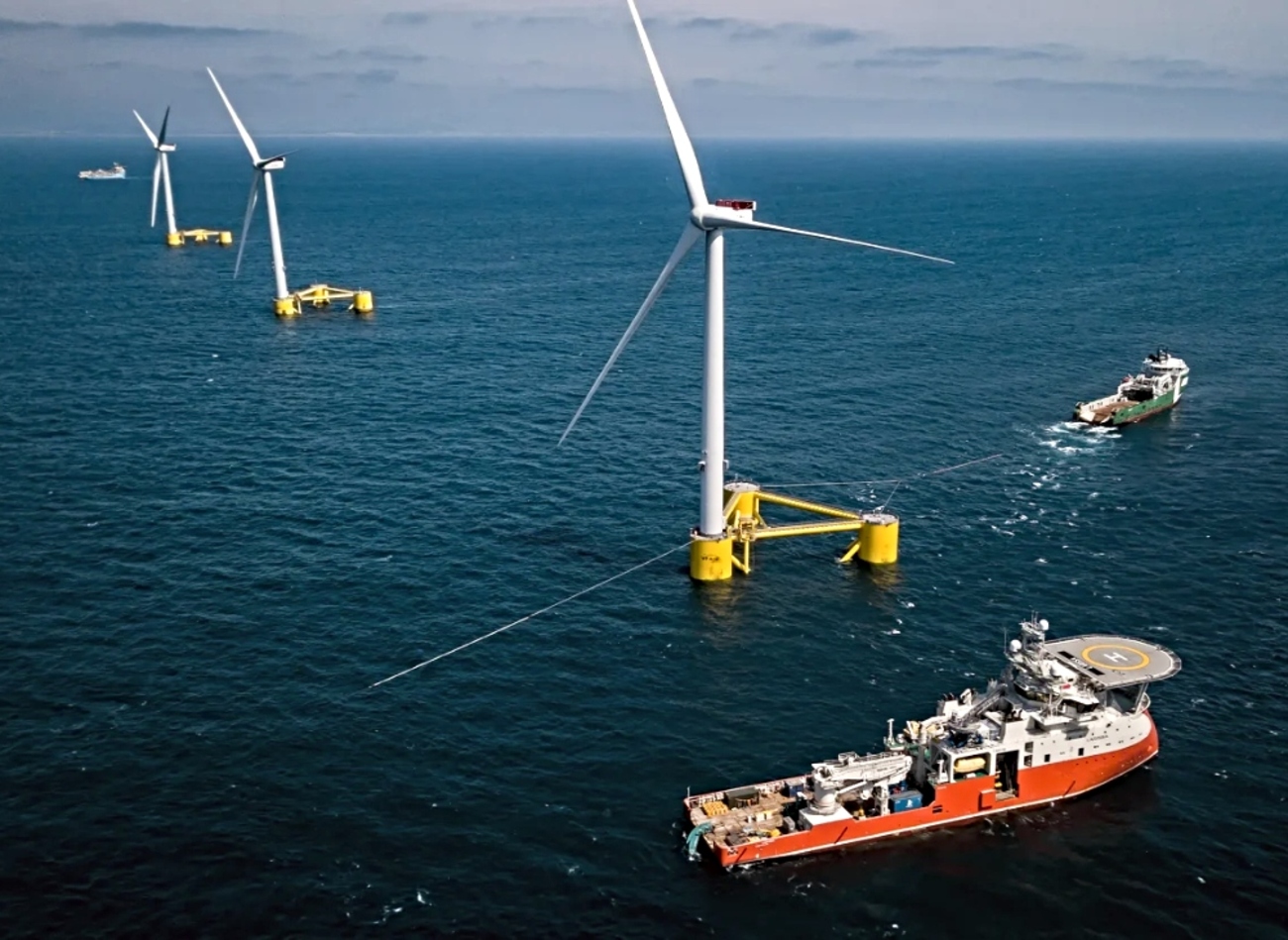
China accelerates offshore wind energy and sets new installed capacity records to lead global decarbonization.

-
Giant of the winds in Rio Grande do Norte: Serra do Tigre Wind Complex receives new investments and accelerates the expansion of clean energy generation to supply millions of Brazilian homes.
-
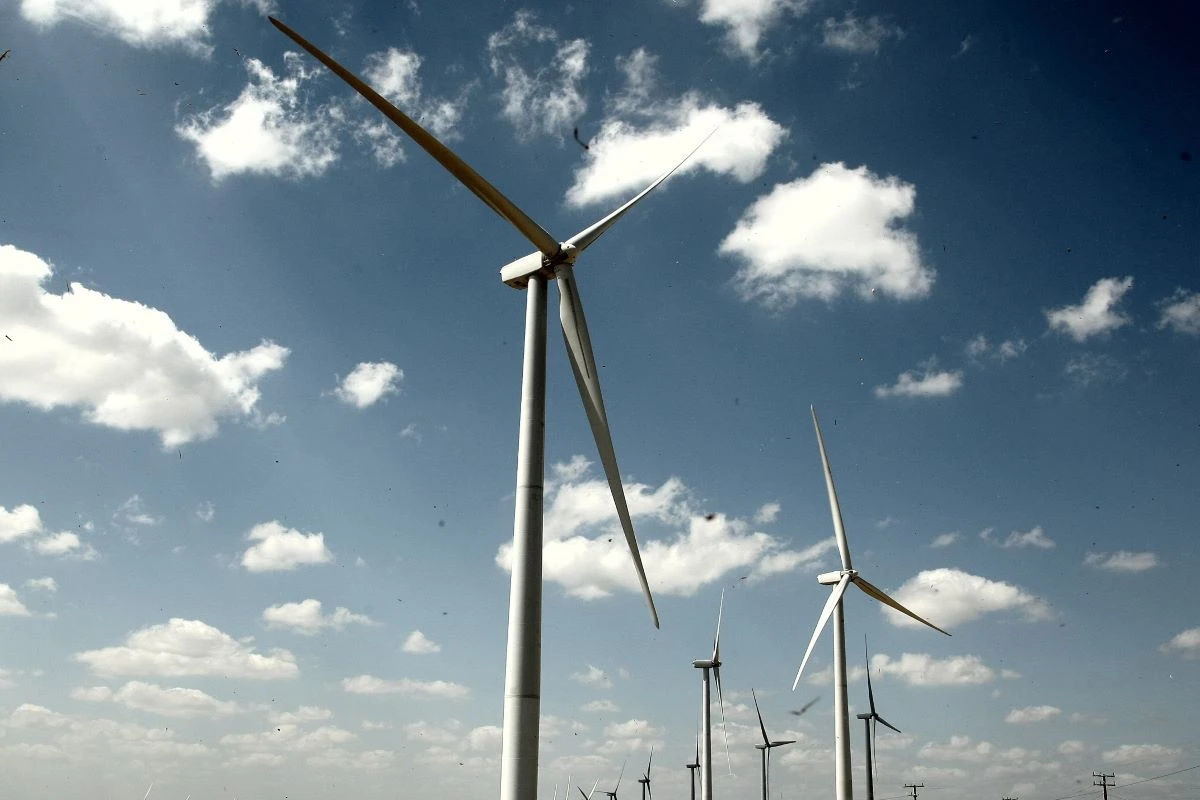
Urgent energy transition: Greenpeace advocates for massive investments and points to Brazil as a global leader in wind energy production in the coming years.
The initiative opened up space for investments, ensured long-term contracts, and solidified the source as one of the pillars of Brazil’s energy transition.
Rio Grande do Sul Stands Out in Production and Projects New Cycle
According to ABEEólica, Rio Grande do Sul ranked fifth among the states that produced the most electricity from wind. National leadership remains concentrated in the Northeast, where climatic and geographic factors favor onshore generation. Still, the southern state stands out as a key player in the next stage of the sector.
This occurs because Rio Grande do Sul has the largest number of offshore wind energy projects under review in the country. Currently, there are 30 proposals in the environmental licensing process. This activity reflects a shift in focus: from land to sea.
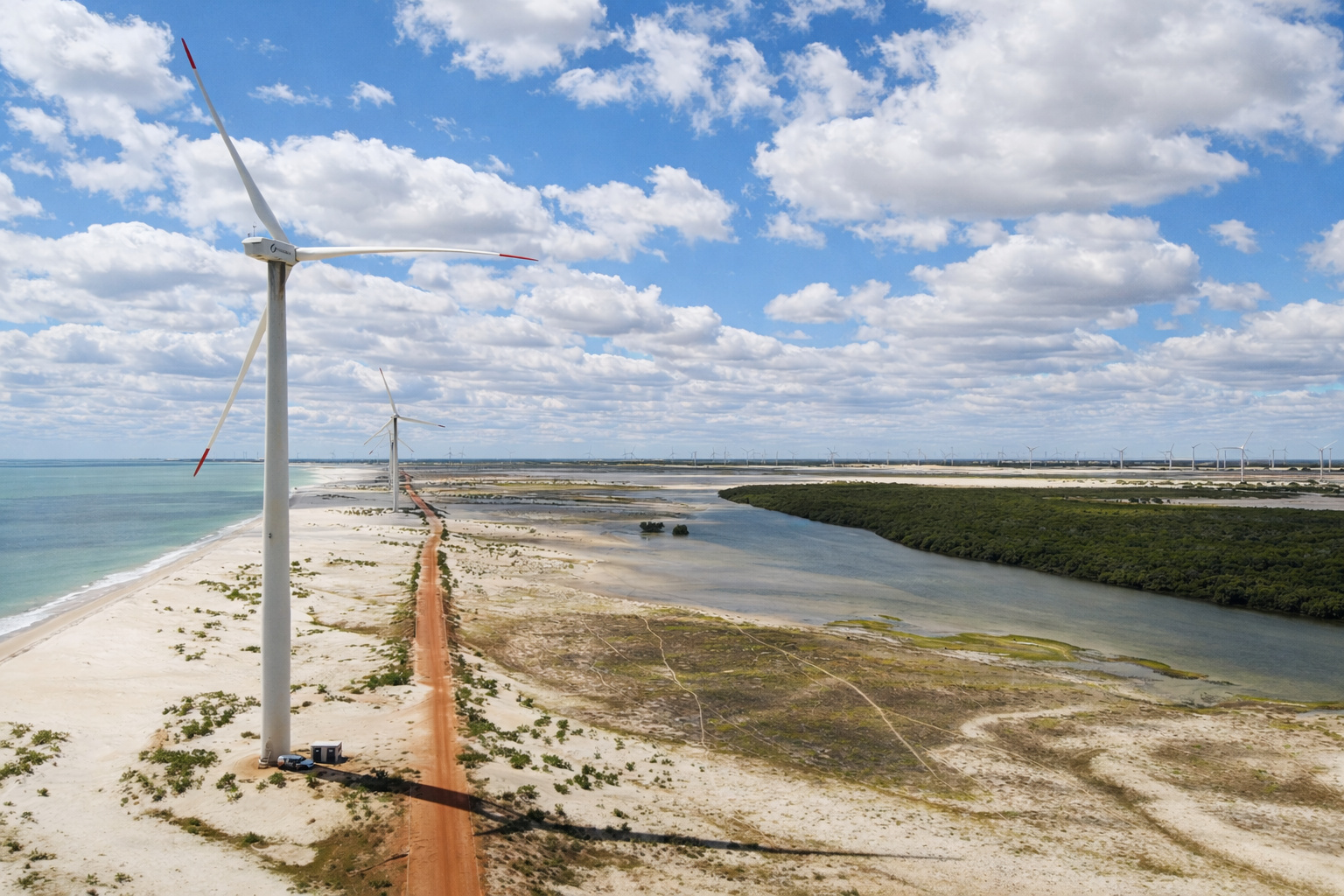
So far, all Brazilian wind farms are installed on land. They are mainly concentrated along the northeastern coast and the country’s southernmost region. However, the search for new areas is beginning to encounter physical limits.
Space Limitations Drive Parks in the Marine Environment
According to Saulo Barbosa, a forestry engineer with 24 years of experience in environmental licensing for wind farms, the shift to the sea is a direct result of the scarcity of available large land areas.
The expert participated in pioneering projects in Rio Grande do Sul, such as the Osório and Santa Vitória do Palmar parks. According to him, private sector interest has been decisive for the advancement of Offshore Wind Complexes (CEO). “In the south, in Santa Vitória [do Palmar], I think there are still some areas [for new wind farms], but in other places, no,” he explains.
Thus, aquatic areas are being viewed as a viable alternative to sustain the long-term growth of wind energy.
Project at Porto de Rio Grande Targets First Offshore Platform in the Country
Among the highlighted initiatives is the Aura Sul Wind project. The proposal envisions the installation of Brazil’s first offshore floating wind platform at Porto de Rio Grande, on the southern coast.
The venture brings together various public, private, and academic institutions. The project includes the Superintendency of Ports of Rio Grande do Sul, the Renewable Energy Industry Syndicate of RS (Sindienergia-RS), the Japanese company JB Energy, and Technomar Engenharia, responsible for real-time environmental and operational monitoring.
The consortium also includes Blue Aspirations Brazil, a Chinese company specializing in environmental sensing, active in large-scale projects abroad.
Environmental Licensing Gains Centrality in the Debate
With the prospect of expanding parks at sea, attention to environmental impacts is also increasing. Licensing agencies and researchers are seeking to establish clear guidelines for assessing risks associated with offshore wind energy.
In 2022, the National Center for Research and Conservation of Wild Birds (Cemave), linked to ICMBio, published the 4th edition of the Report on Areas of Concentration of Migratory Birds in Brazil. The document guides environmental authorities on critical points that must be considered in the licensing of wind energy projects.
The report dedicates a specific chapter to offshore wind farms, prepared by six researchers. Among them are Guilherme Nunes, a professor at the Litoral Norte Campus of UFRGS, and Leandro Bugoni, a professor at the Federal University of Rio Grande (FURG).
Direct and Indirect Impacts on Marine Birds
According to Leandro Bugoni, the effects of offshore wind energy on marine fauna can occur in two ways. The first is direct, through collisions of birds with the turbine blades.
“The direct impacts are comparable to car accidents: birds collide with the turbine blades. In the sea, when they fall into the water, they rarely appear on a beach, and if they do, they can be mistaken for a beached animal, meaning it won’t be associated with this cause of death.”
This factor, according to the researcher, makes it difficult to measure the real damages. Indirect impacts are related to the occupation of marine space.
“When you install a structure at sea, you are taking away the space that the birds use to feed or the corridors they use to move during migration. This also includes species that daily travel from the beaches to the sea in search of food and then return. They will encounter barriers. There will be areas that they will not be able to use because of this. These areas become reduced for them. They will have to look for another place to find their food.”
Height of Turbines Expands Risk Zone
Guilherme Nunes emphasizes that the dimensions of offshore structures increase the environmental challenge. The current towers are about 150 meters high, while the blades reach approximately 120 meters.
<p“Considering the tower with the blade raised, we're talking about 270 meters in height, covering a vertical range of 30 to 270 meters, which is exactly the area where many birds fly.”
The risk of collision, however, is not homogeneous. It varies according to flight height, latitude, nighttime behavior, and the type of movement of the birds. Species that glide or perform slower flights with frequent changes in direction, such as frigates and terns, have greater vulnerability.
Studies Indicate Greater Environmental Sensitivity in the South
A study conducted by Guilherme Nunes in partnership with doctoral candidate Natascha Horn from UFRGS evaluated the potential impacts of Offshore Wind Complexes planned for the entire Brazilian coast.
The research related the occurrence of marine and coastal birds to the height of the turbines and the flight characteristics of the species. The results indicated that Rio Grande do Sul presents the highest susceptibility to the impacts of offshore wind energy.
According to the researcher, this scenario is associated with the high species richness and abundant food supply in the region. “In the South, we receive species from both tropical and temperate regions. During summer, tropical species arrive, and in winter, temperate species, creating a scenario of great biological richness,” he explains.
The diagnosis reinforces the importance of detailed environmental studies as wind energy advances from land to sea in Brazil.






Seja o primeiro a reagir!