





 Português
  Inglês
  Espanhol
  3 min de leitura
  0 comentários


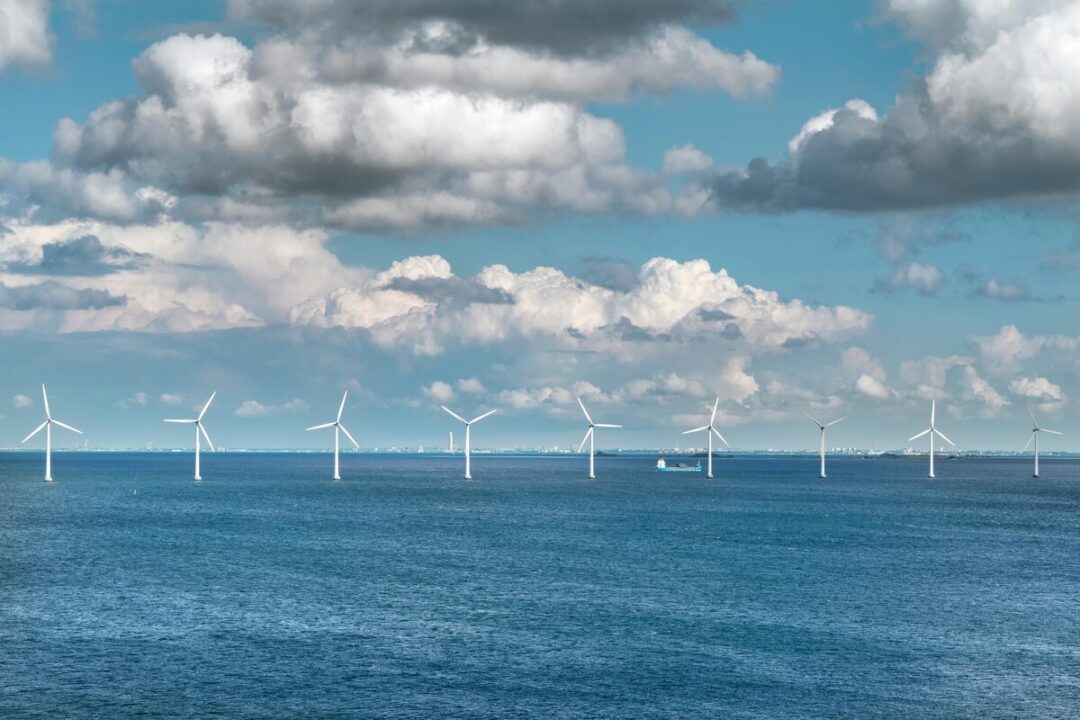
China Dominates Wind And Solar Energy, Outpacing Countries Like The US And Brazil. Investments And State Support Drive Its Global Leadership, Transforming The Renewable Energy Landscape.
China has become the undisputed leader in the manufacturing of solar panels, as well as in solar energy and installed capacity. However, the Asian country has also been excelling in another renewable energy sector: wind energy. Despite its ties to fossil fuels and coal, China achieved, in the first quarter of the year, a significant share of the country’s total energy capacity from the combination of solar and wind energy.
The capacity under construction in China exceeds that of other countries. The Asian country has 180 GW of large-scale solar energy and 159 GW of wind energy under construction. Together, these energies would total 339 MW of power, compared to the 40 GW from the United States or the 13 MW from Brazil, which ranks third.
Dominance In The Global Wind Energy Market
When it comes to global wind turbine production, China holds 60% of annual production and possesses 65% of the installed wind energy capacity in 2023, according to data from the Global Wind Energy Council (GWEC). This leadership position is reflected in the presence of Chinese supplier companies, such as Goldwind, Envision, Windey, and Mingyang (the first two occupying the top two positions in the ranking), which together installed 81.6 GW in 2023. In comparison, the European supplier Vestas ranks third with 16.7 GW of installation. In the last four years, up to 2023, China has created 426 turbine models, surpassing other countries.
-
Renewable energy advances over protected areas in Brazil, and a survey by the Energy Transition Observatory reveals silent impacts that challenge environmental conservation and pressure sensitive traditional territories.

-
Rio Grande do Sul accelerates energy transition: State invests in renewable technologies and consolidates decarbonization strategies and pathways to attract billions in new industrial investments.

-
With 160,000 m² of collectors, an area larger than 20 football fields, Silkeborg, in Denmark, hosts a solar thermal plant that heats 19,500 homes and could become the largest solar heating plant in the world.

-
A study reveals the expansion of renewable energy procurement in Brazil and shows how companies are taking advantage of opportunities to reduce expenses, ensure energy efficiency, and strengthen strategic environmental commitments.


Government Support Boosts Wind Energy In China
The growth of the wind industry in China is based on local subsidies and financial support. In 2009, the Chinese National Development and Reform Document (NDRD) introduced feed-in tariffs, a subsidy system consisting of a fixed tariff that renewable energy producers receive for each unit of electricity they generate and sell. This started with land-based wind projects and, six years later, extended to offshore wind turbines.
Although subsidies were reduced during the pandemic years by the Chinese government, provincial supports were increased. This backing allowed China to offer more competitive prices than the rest of the countries.
International Competition And European Concerns
China has managed to position itself as a leader in renewable energies, becoming a strong competitor. Concerns from Europe and the United States focus on Chinese government subsidies and the commercial practices resulting from them. In March 2024, the European Union launched an investigation to determine whether these state subsidies were used to lower prices and gain a competitive edge, as Chinese products are between 40% and 50% cheaper than European ones.
The EU competition commissioner, Margrethe Vestager, accused China of replicating the subsidy strategy they used in solar energy. In defense, the China Chamber of Commerce in the European Union and Zhejiang Windey denied the use of unfair state subsidies, arguing that their competitiveness is based on experience and good technology.
The Asian country’s strategic plan to maintain its position in the wind sector includes issuing bonds and providing additional financing. With this strategy, it is expected that its carbon emissions will begin to decrease, thus consolidating its leadership in the transition to cleaner energy sources.









Seja o primeiro a reagir!